REVIEW · BARCELONA
Ultimate Barcelona Food Tour with visit to a Local Market
Book on Viator →Operated by Devour Barcelona Food Tours · Bookable on Viator
Barcelona runs on food rituals. This 3-hour, small-group walk turns you into a quick pro at ordering local favorites, from market cheeses to vermut-style tapas. I especially like the mix of Santa Caterina Market plus neighborhood stops in Born and Barceloneta, and I like that the tastings cover breakfast and lunch, not just snacks. One thing to consider: you will eat a lot, and the tour includes alcohol tastings unless you choose non-alcoholic options, so pace yourself if you’re sensitive.
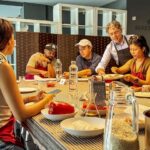
You’ll start with up to nine people, meet your guide in the morning, and spend the day learning why Catalans treat food like a social sport. The plan is built around real local places—markets and family-run shops—so you’re not just collecting postcard moments. The walking pace is moderate, but you do need to be comfortable on your feet for a few hours.
In This Review
- Key moments you’ll remember
- Price, time, and group size: what you’re really paying for
- The route: Born to Barceloneta without the tourist maze
- Stop 1: Mercat de Santa Caterina Market and the market tastings
- Stop 2: Brunells croissant stop (and why locals care)
- Stop 3: Torrons i dolços La Campana for turrón samples
- Stop 4: A Born-area bodega for vermouth and the tapas bomba
- Stop 5: Can Ramonet and seafood paella in the fishers’ district
- What I like most about the tastings (and why it’s good value)
- Who this tour fits best
- Guides: why the experience feels personal
- Should you book it?
- FAQ
- How long is the Barcelona food tour?
- How much does the tour cost?
- What group size is used?
- Where does the tour meet and end?
- Is the tour in English?
- What food and drink are included?
- Does the tour accommodate dietary needs?
Key moments you’ll remember
- Santa Caterina Market tastings that feel like shopping with a friend, not a performance
- Brunells croissants tied to a shop history dating back to 1852
- Torrons i dolços La Campana turrón samples from a store led by two sisters since the late 1800s
- Tapas and vermouth at a bodega where the bomba was created in this neighborhood
- Seafood paella lunch at Can Ramonet in an old 18th-century winery setting
Price, time, and group size: what you’re really paying for
At $107.63 per person for about 3 hours, this isn’t the cheapest way to eat in Barcelona. What makes it feel fair is what’s bundled in: tastings that cover breakfast and lunch plus wine tastings, all guided by an expert local food guide for a maximum group size of 9.
That small group detail matters. In a larger crowd, market tastings can feel rushed and you spend more time waiting than learning. Here, the format is built for conversation—what you’re tasting, where it comes from, and how locals actually order it. The fact that it’s commonly booked about 46 days in advance also hints that it’s a popular first-day choice for food lovers.
You can also read our reviews of more food & drink experiences in Barcelona

The route: Born to Barceloneta without the tourist maze
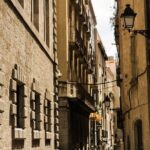
This tour uses a smart geographic arc. You begin at Mercat de Santa Caterina in Ciutat Vella, then move through the medieval Born area for shops and bites, and finish by the sea in Barceloneta for an aperitif and a proper lunch in the fishers’ district.
You won’t be bouncing around the map. The walking route keeps you in the center of the city, so it’s easier to fit into your Barcelona schedule. Also, since the itinerary is designed as a sequence of tasting moments—market, pastry, sweets, vermouth and tapas, then paella—you’re not left wondering what you’re supposed to be doing next.
Stop 1: Mercat de Santa Caterina Market and the market tastings
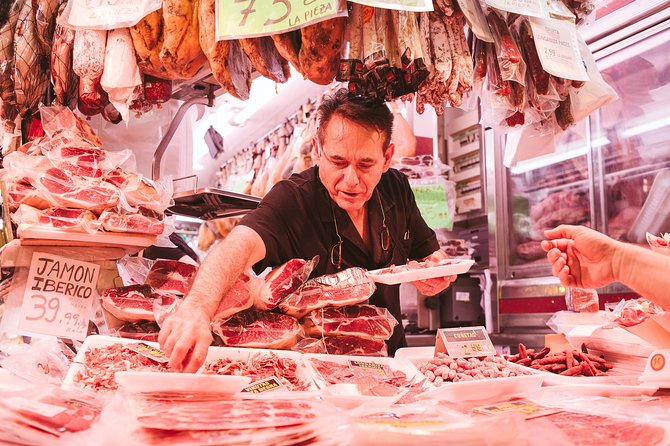
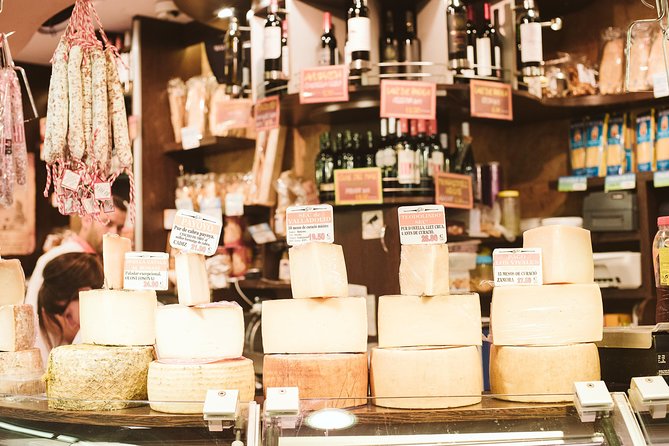
Your morning starts at Mercat de Santa Caterina (Av. de Francesc Cambó, 16), a local market with fewer tour buses than the more famous options. The vibe is exactly why food tours like this work: it’s busy, family-run, and designed for real shopping.
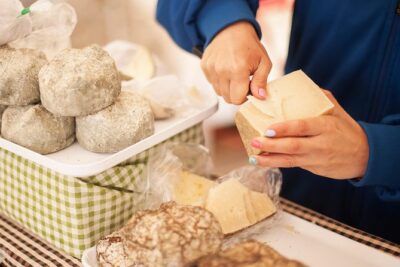
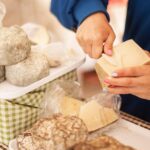
Here’s what you taste early: cheeses and cured meats from the region. The tasting format is the point. Instead of dropping a random snack in your hand, the guide helps you connect the flavors to what you’ll see later in restaurants and shops—so you can order with confidence when you’re on your own.
One practical consideration: market mornings mean you’ll see and smell a lot. If you’re sensitive to strong odors, it’s still manageable, but expect real market intensity.
Stop 2: Brunells croissant stop (and why locals care)
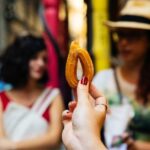
Next you head to Brunells, a pastry shop that dates back to 1852. This is not a cookie-cutter stop with a generic pastry line. The tour frames Brunells as a long-standing local favorite, which makes sense when you think about how Barcelona treats bakery culture: bread and pastry are part of everyday life, not a once-a-trip treat.
Your tasting here is one of their famed croissants. It’s short—about 25 minutes—but it’s a high-payoff stop. You’ll go from savory market bites into something buttery and sweet, which keeps the food pacing from feeling like one long parade of the same flavors.
If you hate sugar overload: enjoy the croissant, then don’t chase extra sweets later. The tour includes turrón after this, so you might want to go a little lighter on anything you buy yourself.
Stop 3: Torrons i dolços La Campana for turrón samples
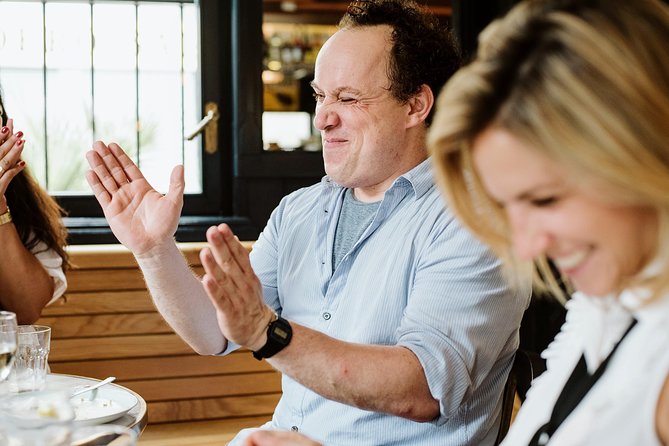
Then it’s time for Spanish sweets, specifically turrón, at Torrons i dolços La Campana. The store is run by two sisters and has been doing business since the 1890s, adapting to modern life while keeping the original specialty shop feel.
You’ll taste four samples, included in the price. Turrón is one of those foods that sounds unfamiliar until you actually try it. It’s a classic Catalan and Spanish holiday-style treat, and sampling a few types gives you a quick flavor map: nuts, honey-like sweetness, and the textures that separate good turrón from the average stuff.
Possible drawback: this is a shop stop, so if you’re not into sweets, you may feel like the tour is leaning dessert-heavy in the middle. For most food people, it’s a highlight.
A few more Barcelona tours and experiences worth a look

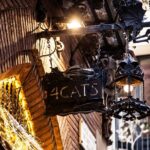
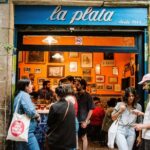
Stop 4: A Born-area bodega for vermouth and the tapas bomba
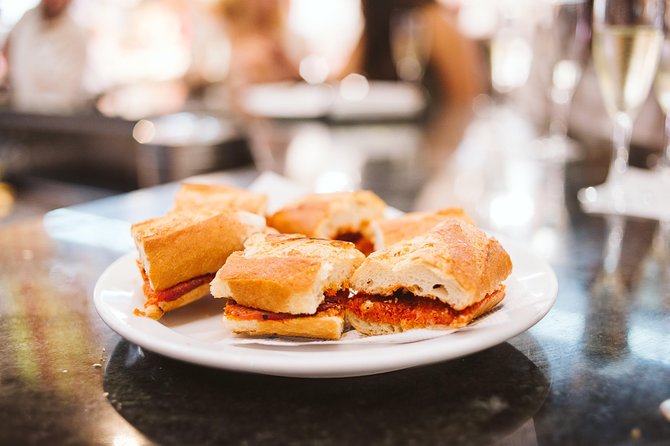
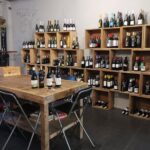
After the sweets, you walk into Carrer de la Princesa (Carrer de la Princesa, 36) to a bodega that locals and food fans go for when they want a relaxed pour. This is where the tour shows you a key Barcelona habit: vermut culture.
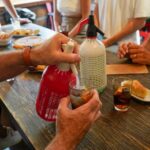
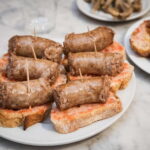
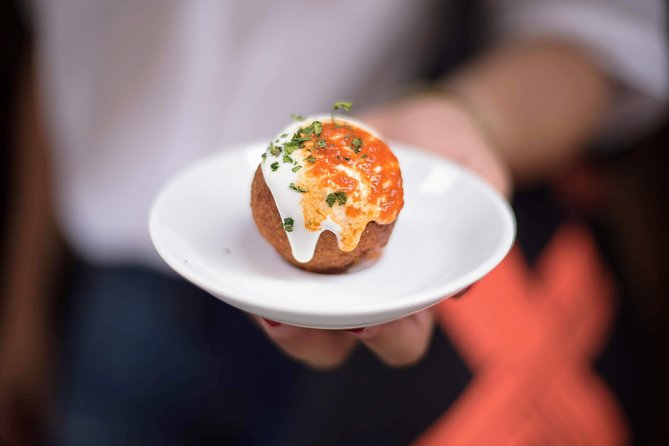
You’ll sip vermouth and try a signature tapas called la bomba. The tour notes it was originally created in this very neighborhood. Even if you don’t care about food trivia, that kind of detail changes how you taste: you’re not eating something randomly; you’re tasting a local idea with roots right where you’re standing.
Drink tip: If you want the flavor experience without alcohol, the tour is adaptable and non-alcoholic options are listed. Still, alcohol is part of the Barcelona identity here, so plan for the fact that tastes may be paired with alcoholic drinks unless you pre-plan your choice.
Stop 5: Can Ramonet and seafood paella in the fishers’ district

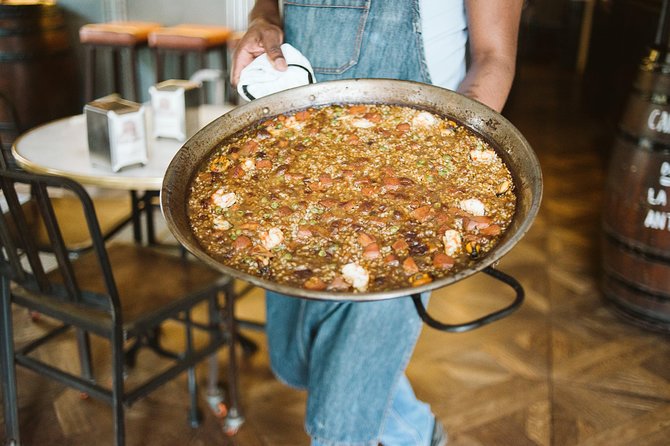
Your final stop is Restaurant Can Ramonet | Paella y marisco en la Barceloneta. The setting is part of the reason this stop works: it’s in a famous 18th-century winery and one of the older buildings in the neighborhood. When you eat in a place like that, the meal feels like it belongs to the area, not like it was imported for tourists.
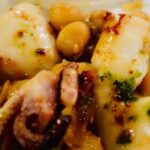
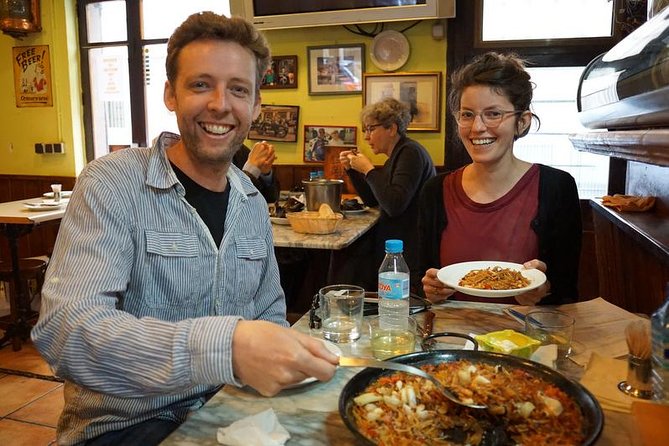
You’ll have seafood paella plus a choice of white or red wine. The tour keeps this as your anchor meal after several tastings, which is exactly the right pacing. Paella is the food people come to Barcelona hoping to find. Here you’re finishing with a dish that feels both celebratory and practical.
A fair heads-up: some people find the paella portion they receive a little less seafood-forward than expected, even while still enjoying it. If you’re the type who wants an overflowing mix of shellfish, you might want to set expectations and treat this as a proper lunch rather than a seafood buffet.
What I like most about the tastings (and why it’s good value)
This tour is built around an efficient formula: each stop has a flavor role, and the tastings stack into a full meal experience. You start with market savories, switch to bakery comfort, hit Catalan sweets, then move into vermouth and tapas, and end with a proper hot lunch.
That structure is why it often feels like good value. For $107.63, you’re paying for:
- guided access to places you might not find fast on your own
- multiple tastings (not just one or two “samples”)
- wine or non-alcoholic adaptation
- a meal finish that keeps you from having to plan lunch after a market morning
Add in the small group (max 9) and the walking format, and it becomes a time-saver. You’re compressing what would take you hours of searching into a set route with a guide to translate what you’re seeing and eating.
Who this tour fits best
This is ideal if you:
- love food and want a fast education in Barcelona tastes
- want a first trip to Born and Barceloneta without guessing where to go
- prefer small groups and guided context over solo wandering
It’s also a strong option if you’re planning a longer trip and want a “confidence boost” for ordering later. After a tour like this, you’re better prepared to say what you want at the market or in casual bars.
Diet notes (important): the tour is adaptable for vegetarians, pescatarians, gluten free (not celiac), non-alcoholic options, and pregnant women. But the information also warns that you may not have a replacement at every stop. If you’re strict about allergies or specific diets, you’ll want to plan carefully so you’re not stuck with gaps in the tasting lineup.
Guides: why the experience feels personal
A consistent theme from the guide praise is personality plus food storytelling. Names that come up again and again include Alex, Jorge, Jordy, Hector, Mick, Nika, Ariana, Vera, Andrea, and others. The common thread: they connect what you taste to Catalan culture, local food traditions, and simple ordering tips.
You’ll also notice a pattern in feedback: people often say they ate a lot in a short time, learned a bunch, and left feeling like they found places they wouldn’t have discovered solo. That’s the best outcome for this kind of tour—less guesswork, more immediate flavor.
Should you book it?
If you want a high-impact Barcelona food intro—market to pastry to sweets to vermouth tapas to seafood paella—this is a very strong booking. The small group size, the variety of tastings, and the fact that it covers breakfast and lunch make it a practical value, not just a fun walk.
I’d skip it or choose another option if you:
- struggle with a lot of walking in a few hours
- don’t handle alcohol tastings well (even with non-alcoholic options available, alcohol culture is part of the route)
- get overwhelmed by desserts and prefer savory-heavy tours
If you’re a foodie planning your first Barcelona days, this is the kind of tour that helps you understand the city’s eating rhythm fast. You’ll leave with full stomach energy and a clearer idea of what to seek next.
FAQ
How long is the Barcelona food tour?
It runs about 3 hours.
How much does the tour cost?
The price is $107.63 per person.
What group size is used?
The tour is limited to a maximum of 9 travelers.
Where does the tour meet and end?
It starts at Mercat de Santa Caterina (Av. de Francesc Cambó, 16) and ends in Barceloneta (Ciutat Vella).
Is the tour in English?
Yes, it’s offered in English.
What food and drink are included?
You get tastings that cover breakfast and lunch, plus wine tastings. The stops include cheese and cured meats, croissants, turrón samples, vermouth and tapas, and seafood paella with wine.
Does the tour accommodate dietary needs?
It’s adaptable for vegetarians, pescatarians, gluten free (not celiac), non-alcoholic options, and pregnant women. It also notes that you may not have a replacement food option at every stop, and it is not recommended for vegans.