REVIEW · CAPE TOWN
The Cape Town Essentials Food Tour
Book on Viator →Operated by Cape Town Culinary Tours · Bookable on Viator
Your appetite gets a history lesson. I love the small-group pace and how guide Olivia ties tastings to the streets of Bo-Kaap and beyond, so food feels connected to the city instead of random stops. You’ll move on foot through Cape Town’s main restaurant corridors, ending with a classic local pub vibe at Foreshore.
One possible drawback: this is an outdoor walking route of about 2 km, and Cape Town’s weather can change quickly. Dress for that, because you’ll be outside between tastings and photo stops.
In This Review
- Key highlights you’ll actually feel
- Price and timing: what $113.59 buys you in Cape Town
- The route on foot: 2 km, smart pacing, and why it works
- Stop 1: Bo-Kaap’s Cape Malay flavors and Church Street energy
- Stop 2: Bree Street and Heritage Square’s South African classics
- Stop 3: De Waterkant, Cape Quarter, and coffee-culture detours
- Stop 4: Foreshore’s old-school sports bar and local patriotism
- What you’ll eat and drink (and how alcohol fits)
- Vegetarians, gluten-free, and allergy questions you should ask
- The group size and the guide: why Olivia is a big deal
- Who should book this Cape Town Essentials Food Tour
- Should you book this tour?
- FAQ
- How long is the Cape Town Essentials Food Tour?
- Where does the tour start, and where does it end?
- How much walking is involved?
- What’s included in the price?
- Is transport to and from the tour included?
- Can the tour accommodate dietary restrictions?
- Is there a limit on group size?
- What if it rains?
- Can I cancel and get a refund?
Key highlights you’ll actually feel
- Meet in Bo-Kaap at Bokaap Deli on Church Street, so the tour starts with the cultural focus right away.
- Guide Olivia’s stories add meaning to every bite, from Cape Malay traditions to how neighborhoods became food destinations.
- Four tasting zones in ~4 hours keeps momentum without turning the day into a full marathon.
- Alcohol is included, with alternatives if you don’t drink—so the tour still works as a food-and-history walk.
- A courtyard lunch-style stop at Heritage Square breaks up the walking with a proper sit-down moment.
- Foreshore’s sports bar finale gives you the last-chapter atmosphere: local, loud, and proudly South African.
Price and timing: what $113.59 buys you in Cape Town
At $113.59 per person for about 4 hours, this tour is priced like a “guided tasting experience,” not a simple walking tour. The big value is that you get multiple food and drink tastings across different neighborhoods, plus coffee or tea and snacks, all with a local guide coordinating the stops.
It also helps that the group stays small (maximum 12 people). That size matters. With fewer people, you get more time for questions, and tastings don’t feel like you’re getting rushed through a checklist.
One more practical detail: tours are commonly booked about 51 days in advance. If you’re visiting during a busy season or traveling on a weekend, I’d secure a slot early so you don’t end up settling for a later date.
You can also read our reviews of more food & drink experiences in Cape Town

The route on foot: 2 km, smart pacing, and why it works
This is a walking tour designed to be doable. The route covers about 2 km total, and the time gets spread across four areas so you’re not stuck walking nonstop between tastings.
It’s also rain or shine. In Cape Town, that’s not a small note. Clouds and wind can flip the feel of the walk fast, so bring a light layer and shoes with decent grip. The tour stays outside long enough that weather will affect your comfort, even if you’re not trekking.
Logistics are pretty easy at the start. You meet at Bokaap Deli, 114 Church St, Bo-Kaap (8001). It’s near public transportation, and the operator notes that Uber or hotel services are a good way to avoid street-parking hassle. Also, the tour does not end where it begins, so plan a short ride or a simple walk onward when it finishes.
Stop 1: Bo-Kaap’s Cape Malay flavors and Church Street energy
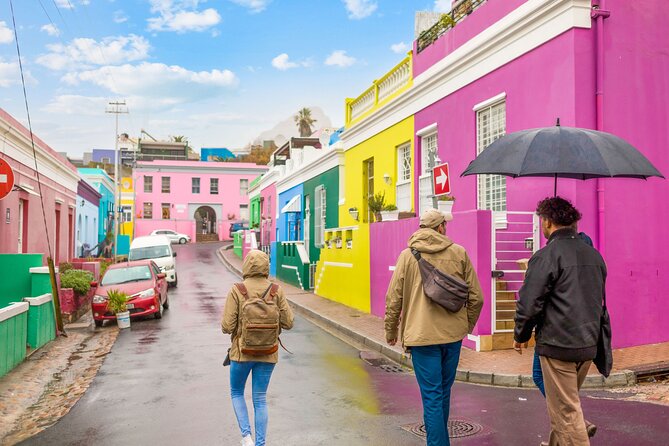
The tour begins in Bo-Kaap, and that’s a smart choice. This neighborhood is strongly tied to Cape Malay culture, and your guide sets the tone by explaining the community behind the food rather than treating it like a theme-park stop.
You’ll be walking through the area around your first tasting, with commentary that frames why the flavors and food habits are the way they are. That background is exactly what makes a food tour more than eating on the go—you understand what you’re tasting.
Bo-Kaap is also where you’ll get your bearings fast. Bright streets, historic context, and small local businesses all cluster close together. If it’s your first time in Cape Town, this first stop helps you read the city before you head toward the busier restaurant streets.
What I like here: the tour doesn’t rush past the cultural roots. It starts with the why, then brings you to the eat.
Stop 2: Bree Street and Heritage Square’s South African classics
Next comes the city center, walking toward Bree Street. This is one of Cape Town’s most concentrated areas for restaurants, so you’re stepping into the modern “where to eat” side of town.
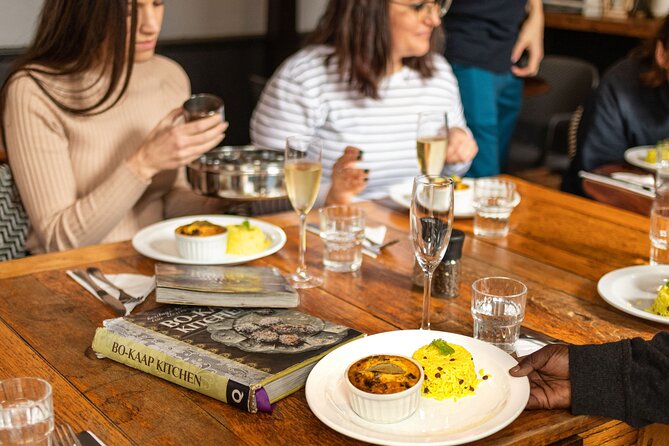
Then you hit Heritage Square, including a courtyard-style tasting moment under vines. That type of setting changes the whole mood. Instead of standing around with snacks, you get a more relaxed pause to enjoy South African classics in a setting that feels built for lingering.
This is also where your guide’s historical commentary matters. The tour’s theme isn’t just what dishes are popular now. It’s how neighborhood identity and history shape what people eat, and why certain classics are so tightly linked to South African table culture.
A practical note: if you’re sensitive to strong flavors or spice, this is a good time to ask your guide what’s coming next. The tour is designed around pre-arranged food stops, so questions can help you pace yourself.
Stop 3: De Waterkant, Cape Quarter, and coffee-culture detours
Then you move to De Waterkant, the waterfront neighborhood known in Afrikaans as the “De Waterkant” area. This part of the tour feels more fashion-forward and café-focused, with the Cape Quarter Lifestyle Village acting like a hub for the food-and-drink scene around you.
As you walk, you’ll see a different Cape Town personality: global restaurant options, art galleries, and colorful cottages. De Waterkant can feel “styled,” but the tour keeps it grounded by explaining what led to that high concentration of places to eat and spend time.
You can expect detours through leafy nearby streets where you’ll find craft coffee bars and stylish shops. Even if you’re not the shopping type, these short wander segments are good for photos and for understanding how the neighborhood’s layout supports its food culture.
What I like here: the walk-to-taste rhythm stays smooth. You’re not just moving between restaurants; you’re seeing why those restaurants belong where they are.
Stop 4: Foreshore’s old-school sports bar and local patriotism
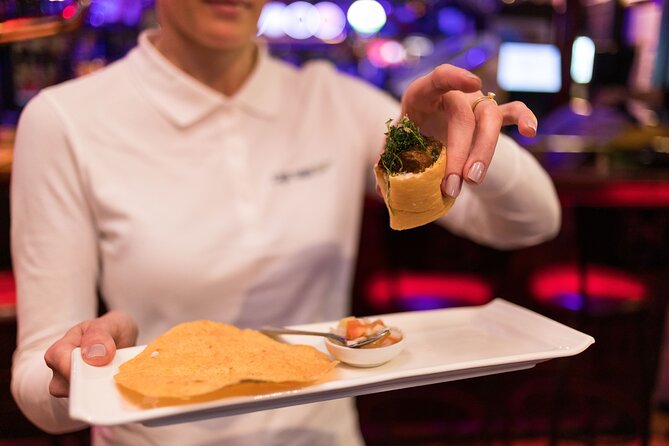
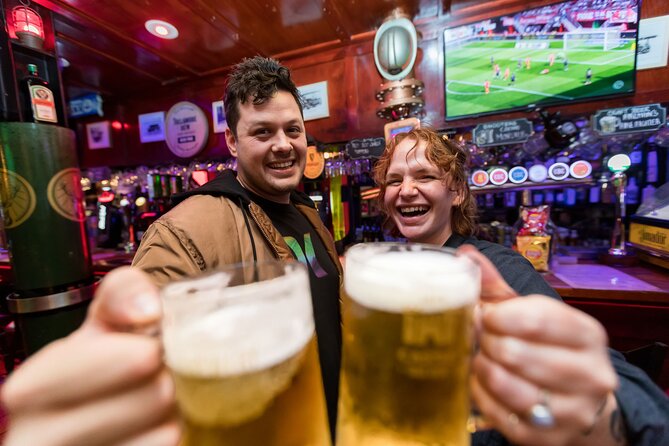
The tour ends at Foreshore, at one of Cape Town’s older sports bars. This is a fun finish because it’s where the tour leans into atmosphere—crowd energy, cheering vibes, and that South African patriotism feel you usually only catch by being in the middle of it.
You’ll have your last meal-and-drink taste here, and it’s timed as the payoff chapter after the cultural walking segments. It’s also a nice reality check: after learning about history and food traditions, you get to experience how food and drinks function socially in everyday life.
There’s one exception to keep in mind. On Mondays, the tour ends in the city center, a few hundred meters from the usual location. If you’re planning a later appointment, I’d leave a little buffer and confirm the end point with your operator closer to the date.
What you’ll eat and drink (and how alcohol fits)

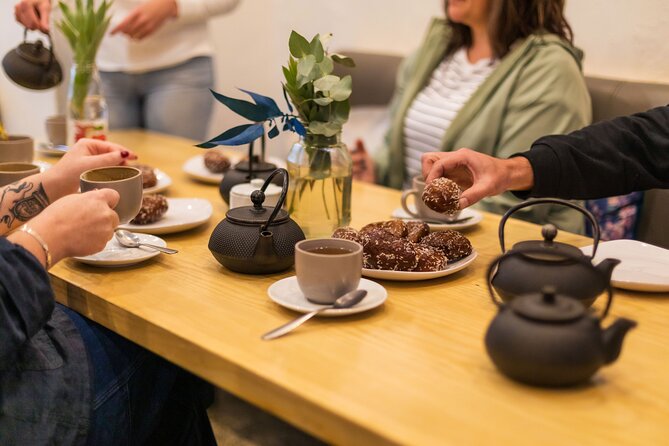
This tour includes food and drink tastings, plus snacks and coffee and/or tea. Alcohol is included as part of the tastings, and if you don’t consume alcohol, alternative beverages are provided.
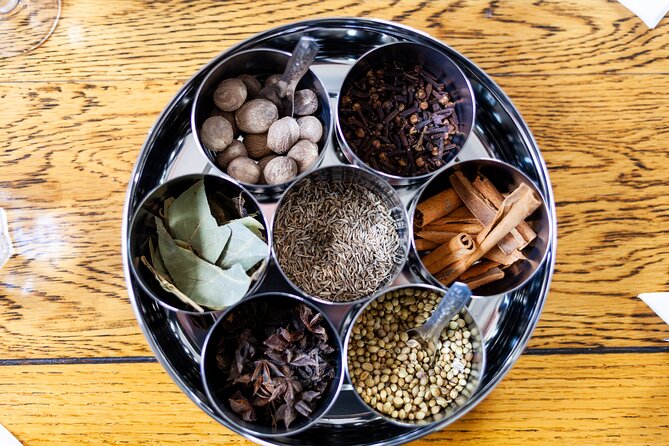
From the dishes and drink style described on this route, you should expect classic South African fare alongside Cape Malay influences. One of the tasting highlights that often gets called out is bobotie, a recognizable South African dish with warm spice notes and a baked texture. (It’s the kind of dish that also makes sense for a guided tasting—there’s a lot to talk about with each bite.)
As for alcohol: wine and beer show up as part of the experience. One thing to know is that wine preferences vary wildly. There can be a focus on natural-wine styles at a wine stop, and if that’s not your thing, keep your expectations flexible. If you’re open-minded, it can be interesting. If you’re not, you can still enjoy the food and non-alcohol options.
Dietary handling is thoughtful, but it’s not magic. The tour can accommodate vegetarian and gluten-friendly diets, plus restrictions for seafood, shellfish, and pork. Still, the operator warns you can’t guarantee 100% allergen-free tastings.
That means the best move is simple: message your allergies and dietary restrictions when booking. The operator arranges food in advance, but they also make clear that removing meat, carbs, or alcohol changes the experience. So choose the most important things you must avoid, not everything you prefer to skip.
Vegetarians, gluten-free, and allergy questions you should ask
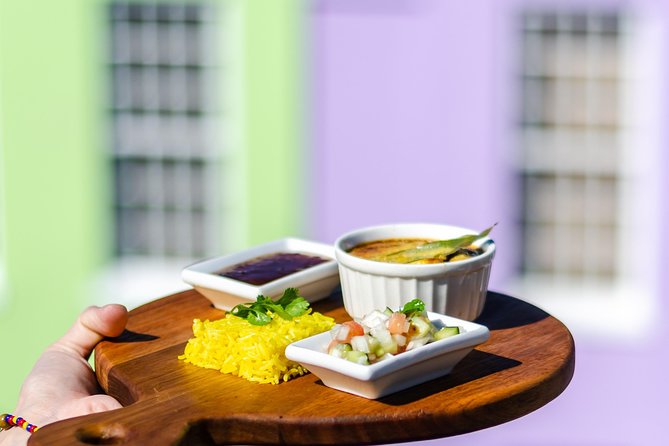
If you’re vegetarian or gluten-friendly, this tour can work well. It’s specifically set up to handle those needs, and you’re not just getting a token substitute. The tastings are arranged so the tour remains about the local cuisine rather than turning into plain bread-and-water.
For allergies, the tone is more cautious. You can request adjustments for seafood, shellfish, and pork, and you should share your details early. But since tastings are prepared in restaurants and shared food environments, there’s no promise that allergens won’t be present at some level.
Here’s the question I’d ask you to prepare for: how strict are you about cross-contact? If your allergy is severe, I’d treat this tour as a “risk-managed experience” and consider carrying your own safe options where possible. The operator can accommodate, but they cannot guarantee an allergen-free outcome.
Also, remember that for kids or anyone under 18, the guide serves alternate drinks where alcohol would have been offered. That keeps the walk social even if the stopping points include bars.
The group size and the guide: why Olivia is a big deal
A tour guide can make food tastings either fun or awkward. This one is built for conversation: small groups, history commentary, and a guide who keeps the energy moving.
Guide Olivia is repeatedly highlighted for being genuine and passionate about South African food culture. People also note that she keeps the group together and maintains a steady pace while still letting conversation flow. That balance matters because you want a tour that’s organized, but not rigid.
If you’re the type of traveler who likes to ask why something tastes the way it does—ingredients, spice traditions, neighborhood identity—this setup is a good match. You’ll learn more than just names of dishes.
Who should book this Cape Town Essentials Food Tour
This tour fits best if you want:
- A guided introduction to Cape Town through food-focused neighborhoods
- Tastings that include alcohol if that’s your style, with non-alcohol options too
- A moderate walking day that’s not strenuous, but still gets you outside and moving
It’s also a strong “first-day” option. Starting in Bo-Kaap and ending on Foreshore gives you a mental map of the city’s food geography, so later when you explore on your own, you’ll recognize what you’re seeing.
If you hate walking, this may feel like too much time outdoors. If you’re extremely sensitive to allergens, you’ll need to weigh your risk carefully because tastings aren’t guaranteed allergen-free.
Should you book this tour?
Yes, if you want a well-paced Cape Town food introduction with tastings, coffee or tea, and a guide who explains the neighborhood story behind each stop. The small group size helps the experience feel personal, and the route covers four distinct areas: Bo-Kaap, Bree Street/Heritage Square, De Waterkant, and Foreshore.
I’d book especially quickly if you’re traveling soon, since slots are often taken about two months out. Just plan for outdoor walking, and send your dietary needs at booking so the guide can arrange your tastings in advance.
FAQ
How long is the Cape Town Essentials Food Tour?
It’s approximately 4 hours.
Where does the tour start, and where does it end?
It starts at Bokaap Deli, 114 Church St, Bokaap, Cape Town, 8001. It ends in a different location (the final stop is typically at Foreshore). On Mondays, it ends in the city centre, a few hundred meters from the usual location.
How much walking is involved?
The walking is about 2 km and described as moderate.
What’s included in the price?
The tour includes a local professional guide, food and drink tastings, alcoholic beverages, alternative beverages for those who do not consume alcohol, snacks, coffee and/or tea, and a history tour of the area.
Is transport to and from the tour included?
No. Transportation to and from the tour is not included.
Can the tour accommodate dietary restrictions?
Yes. The tour can accommodate vegetarian and gluten-friendly diets, plus restrictions for seafood, shellfish, and pork. The operator also notes they cannot guarantee that any tasting will be 100% free of allergens.
Is there a limit on group size?
Yes. The tour has a maximum of 12 travelers.
What if it rains?
The tour runs rain or shine. In extreme weather, your guide will reach out with updates about changes or cancellations.
Can I cancel and get a refund?
You can cancel up to 24 hours in advance for a full refund. Within 24 hours, tickets are non-refundable, and changes are not accepted.