REVIEW · HO CHI MINH CITY
Saigon: Day-Night Sights & Local Food Tour l Female Option
Book on GetYourGuide →Operated by VIETNAM STREET FOODS TOUR · Bookable on GetYourGuide
Saigon at night changes fast. This motorbike-guided food tour is built for the hours when streets glow and kitchens come alive, with stops across multiple districts plus optional Ao dai female riders. I especially like how it mixes big sights (bridges, markets, monuments) with real local eating, not just photo ops.
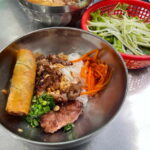
I also love the way the route turns food into context: you start with classics like grilled pork vermicelli noodles and spring rolls, then end with Vietnamese bread loaded with ingredients like ham, pate, cucumber, homemade cheese, chili, and a special fish sauce. One watch-out: it’s a motorbike ride for a few hours, so it’s not suitable for people with mobility impairments, and it runs rain or shine.
In This Review
- Quick highlights
- What this Ho Chi Minh City night tour really gives you
- Motorbike comfort: helmets, safety, and what to expect
- Starting in District 1: noodles, spring rolls, and the right warm-up
- Flower market in District 10: seeing Saigon through its supply chains
- Chinatown and the ghost apartment building: spooky stories with context
- Nguyen Trai Street and Nguyen Van Cu Bridge: snacks, shopping energy, and river views
- District 7 Starlight Bridge and the swamp-to-city story
- District 4: the smallest district with varied lifestyles
- The finale: Vietnamese bread with many toppings and a tropical fruit smoothie
- How much it’s worth: $23 for food, transport, and city context
- Who this tour fits best (and who should skip it)
- Guide styles you might encounter: Thoa, Ming, Patrick, and more
- Quick packing tips for a smoother night ride
- Should you book this Saigon night food and sights ride?
Quick highlights
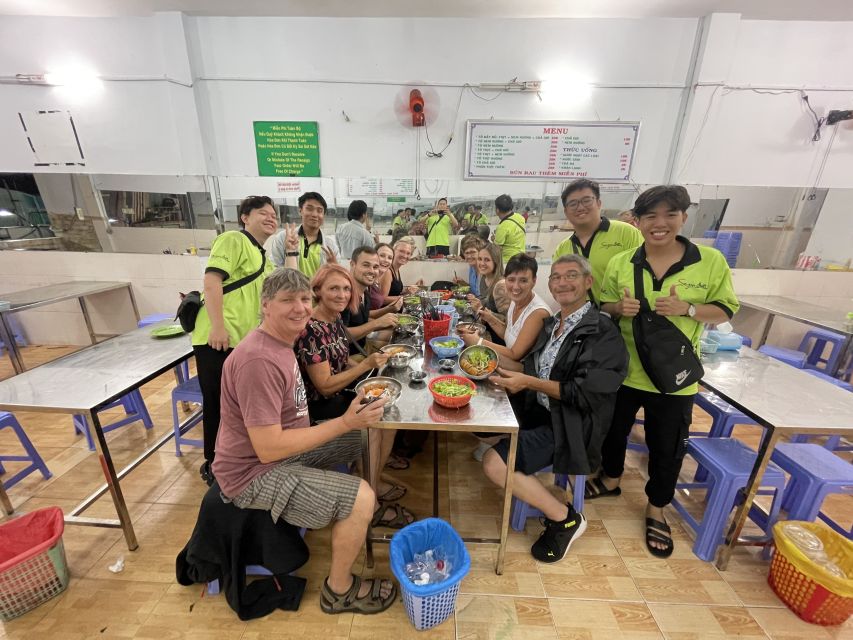
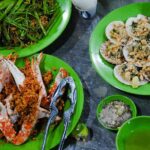
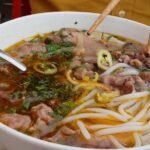
- Grilled pork vermicelli noodles and spring rolls to kick off the night
- Ho Thi Ky-area alley markets and a flower market with blooms shipped from across Vietnam
- A huge uninhabited “ghost apartment” building where your guide shares real ghost stories
- Nguyen Van Cu Bridge night views plus a calm pause by the Saigon River
- District 7 Starlight Bridge and the story of swamps turning into a city
- Tropical fruit smoothie dessert plus Vietnamese bread with many toppings
What this Ho Chi Minh City night tour really gives you
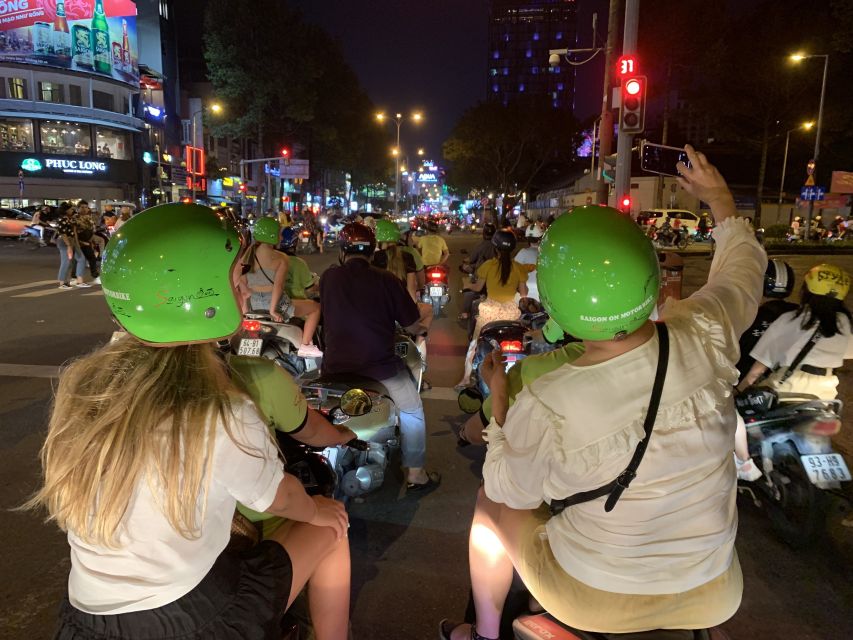
If you only do daylight Ho Chi Minh City, you miss a lot. Night is when alleys start cooking, storefronts light up, and the city feels more like what it is: a working place, not a museum.
This tour works because it’s built around momentum. You’re not walking ten kilometers to reach a single landmark. Instead, you move district to district on a motorbike, then you stop just long enough to eat and absorb what’s happening around you. That’s a big value for $23, especially because all food and drinks are included, along with pickup and drop-off.
You can also read our reviews of more food & drink experiences in Ho Chi Minh City

Motorbike comfort: helmets, safety, and what to expect
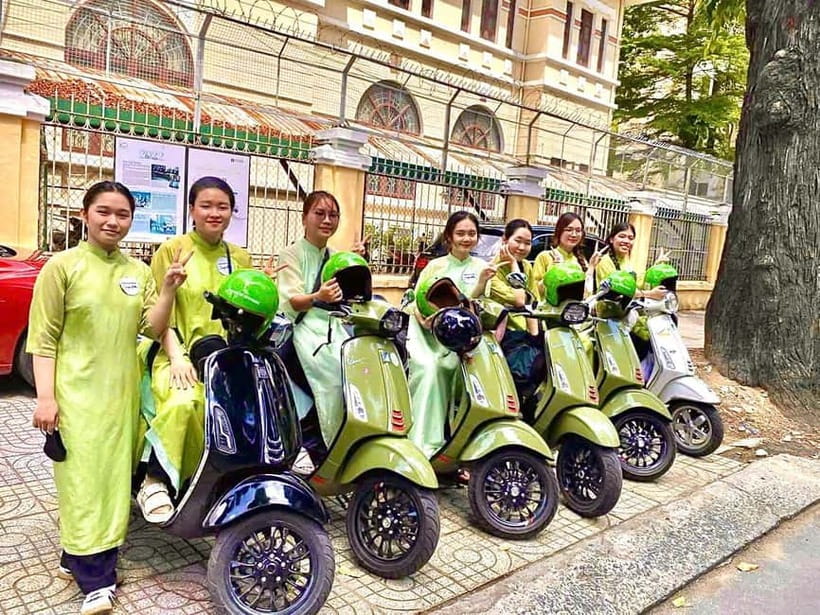
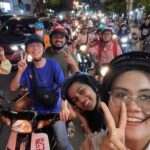
You ride on the back of a motorbike with a guide/driver and an open-faced helmet. You’ll also get a rain poncho if needed, since the tour runs rain or shine.
A few practical thoughts before you go:
- You’ll want closed-toe shoes and a layer you can move in easily.
- You should treat it like riding through busy traffic in a place where rules look different than at home.
- The route is designed for night streets, so expect constant motion and plenty of sound and smell while you’re out.
If you’re even a little nervous about pillion riding, ask your guide for what to watch for at stops. Many riders get comfortable quickly once they see that the driving is controlled and the helmet is solid.
Starting in District 1: noodles, spring rolls, and the right warm-up
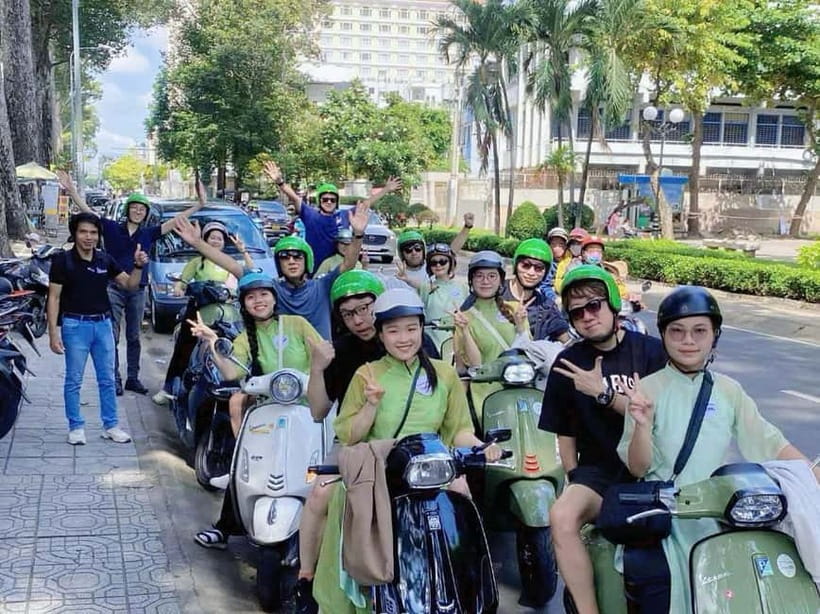
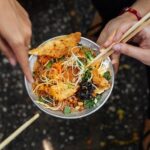
The tour typically starts with pickup in District 1, then you head into the first food stop. The opener is a classic combo: grilled pork vermicelli noodles and Vietnamese spring rolls.
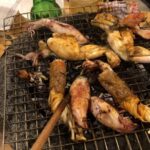
This matters more than it sounds. Your body needs food early so the rest of the ride feels fun, not exhausting. And these dishes are a perfect baseline for Saigon flavors—grilled pork, fresh textures, herbs, and sauces that don’t taste like generic tourist versions.
After eating, you move into history and symbolism. You visit the Thich Quang Duc monument, a site tied to a major moment in Vietnam’s Buddhist history. The guide’s job here is to connect what you see in front of you to the meaning behind it, so it stops being just another “photo spot.”
Flower market in District 10: seeing Saigon through its supply chains
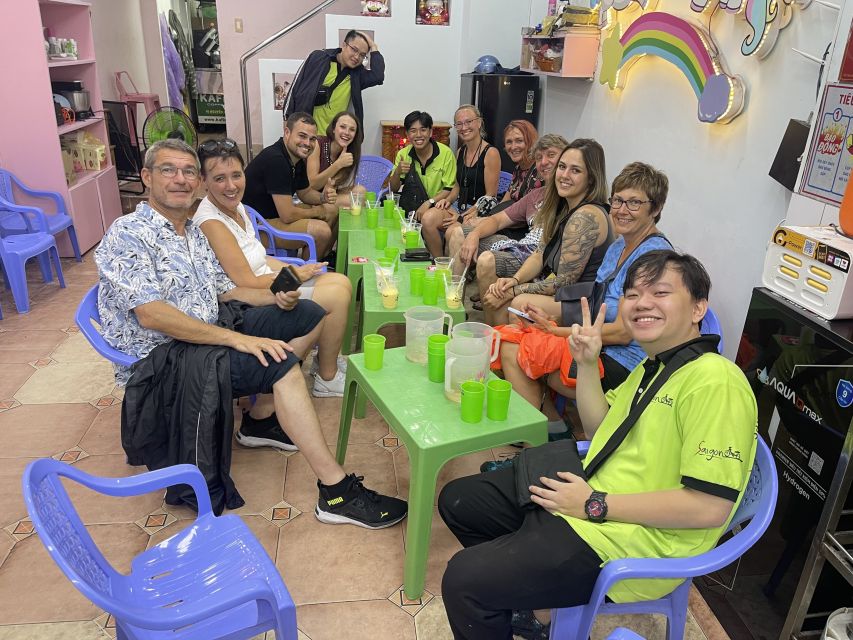
Next comes the flower market in District 10. This isn’t just one lane of flowers. It’s a full-on stop where you can see blooms brought in from across Vietnam.
Why this is worth your time: the market shows you how Saigon stays stocked. When you understand the city’s ingredients and supply, you start noticing it everywhere—on street corners, in restaurant kitchens, and in the decorations people buy for daily life.
You also get a chance to look at daily street rhythms beyond the main tourist center. The goal isn’t to analyze every detail; it’s to notice how people move, buy, chat, and get ready for the night.
Chinatown and the ghost apartment building: spooky stories with context
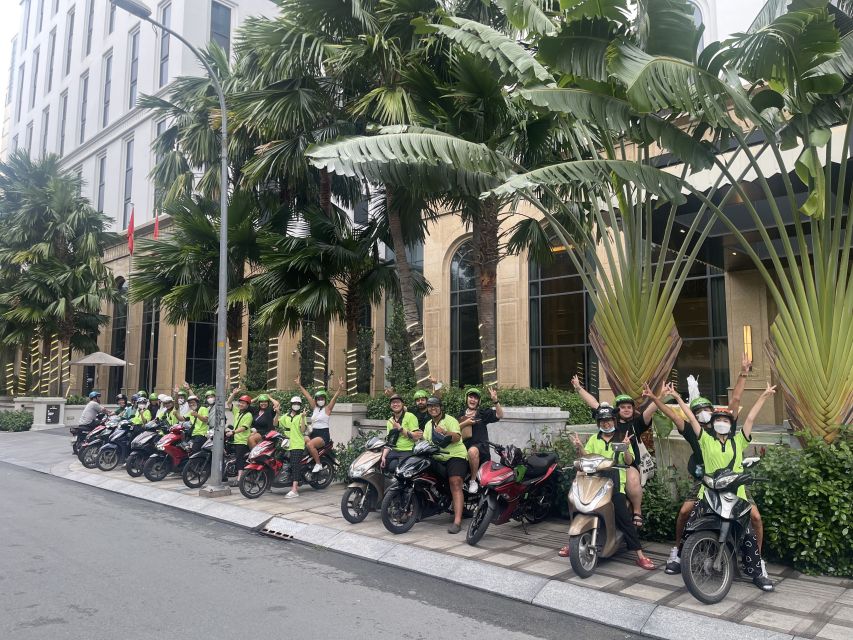
Then the tour heads toward Chinatown. This is where the evening turns more theatrical, in a good way.
You visit one of the biggest “ghost apartment” buildings in Saigon—an uninhabited building with thousands of rooms. The guide shares ghost stories tied to the building, and the atmosphere has that natural night-friction: darker streets, quiet corners, and your brain doing the work of imagining.
A balanced note: if you don’t enjoy spooky storytelling, say so early. The tour is still about culture and place, but you can ask your guide to keep the tone grounded.
A few more Ho Chi Minh City tours and experiences worth a look
Nguyen Trai Street and Nguyen Van Cu Bridge: snacks, shopping energy, and river views
After the ghost-story stop, you move through Nguyen Trai Street, a busy stretch where you’ll see everything from clothing to souvenirs. This isn’t framed as a shopping mall. It’s street-level trade—busy, practical, and a little chaotic, the way real neighborhoods are.
Then you cross toward Nguyen Van Cu Bridge, where you get night views of the city glowing across the road. You also pause on the bridge area for a calmer moment while looking toward the Saigon River.
This stop is a relief valve. After food, markets, and eerie storytelling, you get a few minutes where your mind can reset. If you’re traveling with jet lag or you’re sensitive to crowds, take those minutes seriously—this is your chance to breathe.
District 7 Starlight Bridge and the swamp-to-city story
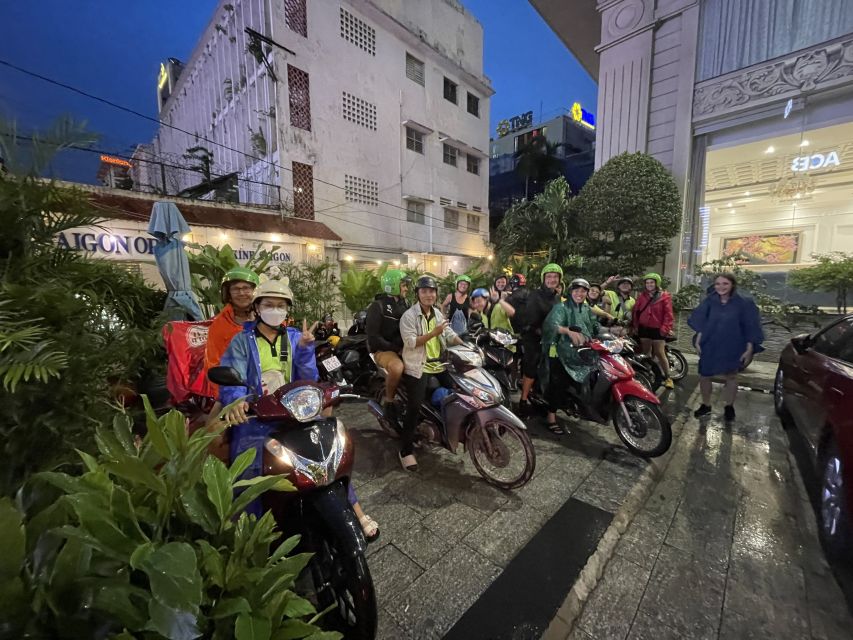
From the bridge area, the route shifts to District 7. You’ll see the Starlight Bridge, which is a popular night viewpoint.
The guide also shares a story about land full of swamps that later transformed into a city. That kind of origin story changes the way you look at the skyline. Instead of seeing only modern lights, you start thinking about what had to happen underneath—engineering, settlement, and how a place grows when people decide it’s worth building on.
District 4: the smallest district with varied lifestyles
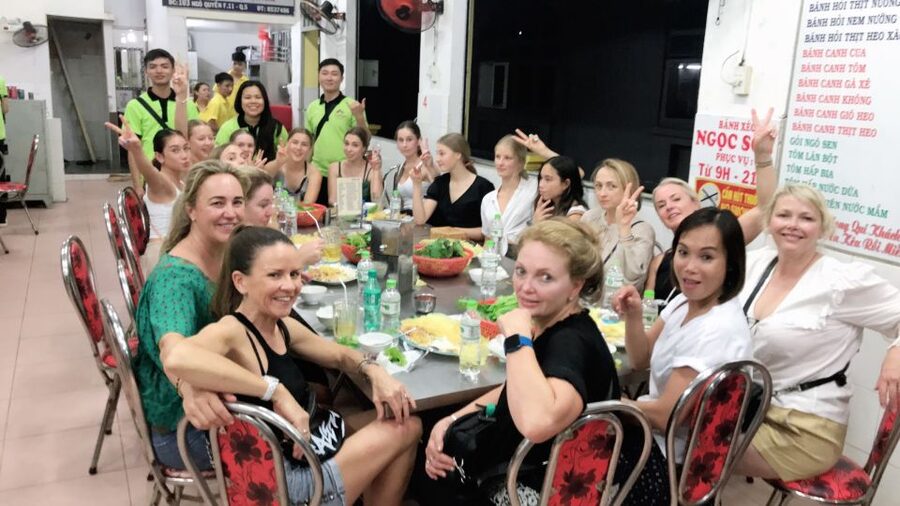
Next comes District 4, described as the smallest district. Here, a mix of people from other parts of Vietnam has moved in over time, so the local lifestyle and traditions can feel more varied than you’d expect.
This is a good stop for two reasons:
- You get a sense of how Saigon communities overlap.
- You see that the city’s “neighborhood feel” isn’t only about fancy districts or famous landmarks.
Even when you’re just passing through by motorbike, your guide’s explanation helps you read what you’re seeing.
The finale: Vietnamese bread with many toppings and a tropical fruit smoothie
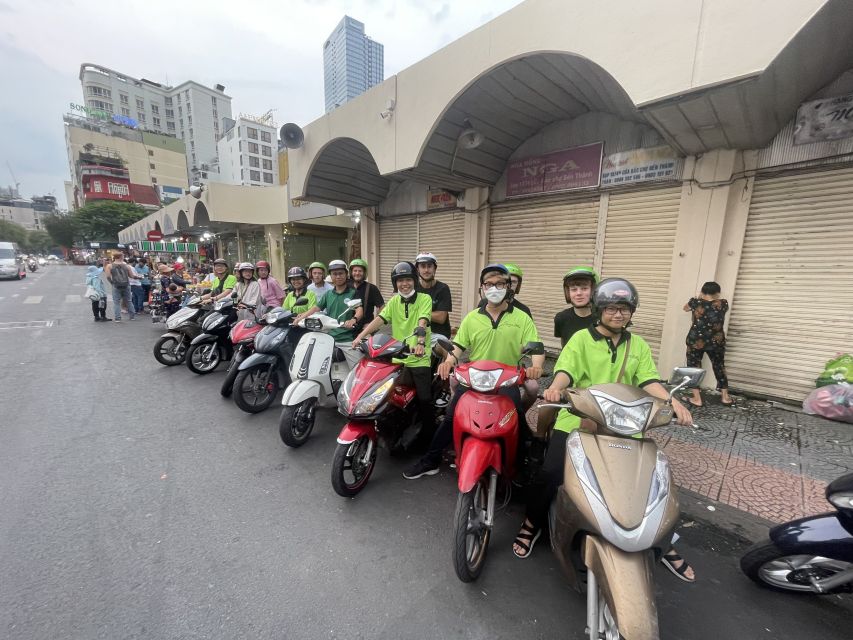
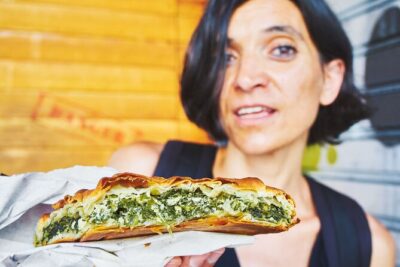
You end back in the direction of District 1 with Vietnamese bread that comes with a long list of ingredients. Expect options like cucumber, ham, pate, homemade cheese, onion, chili, and a special fish sauce.
That combo is such a practical lesson. Vietnamese bread isn’t one flavor. It’s a system: salty, savory, creamy, crunchy, spicy—built to match what people crave after a full day (or night) out.
Dessert is a tropical fruit smoothie. It cools you down and helps you feel finished instead of “still eating forever.”
This closing pairing is one of the tour’s best pieces of planning. Heavy grilled food early, then breads and fruit at the end—your stomach gets a natural rhythm.
How much it’s worth: $23 for food, transport, and city context
Let’s talk value. $23 per person for a 3.5-hour night experience is a strong deal when you remember what’s included: hotel pickup and drop-off, a motorbike ride with guide/driver, helmets, accident insurance, rain poncho if needed, and all food and drinks.
Many food tours in big cities charge extra just to “cover” tasting. Here, the price already covers your meals: noodles, spring rolls, bread with toppings, plus a smoothie dessert. That makes it easier to budget, which matters because Saigon’s street scene can be easy to overspend on once you start looking at snacks and drinks.
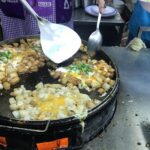
Still, keep a little extra money handy. One route segment near the flower market includes the kind of street food lane where you might want additional drinks or snacks.
Who this tour fits best (and who should skip it)
This is a great match if you want:
- A fast way to see multiple districts at night
- Real local food in several stops, not one big restaurant meal
- A guide who can connect landmarks—like the Thich Quang Duc monument—with what life looks like around them
You should think twice if:
- You have mobility impairments (the tour isn’t suitable)
- You don’t want motorbike travel through busy traffic areas
- You dislike spooky storytelling (the ghost building stop is part of the concept)
If you’re solo, it’s also a strong pick. You’ll get personal attention in the group, and you’re not stuck waiting for the pace of a partner who wants to linger at every stall.
Guide styles you might encounter: Thoa, Ming, Patrick, and more
One reason people keep praising this tour is the guides. Names that show up often in the highest ratings include Thoa and Ming, Patrick, Beck, Tyrone, Leo, and Ben—and riders frequently mention a mix of safety, friendliness, and clear explanations.
You can’t always choose your exact guide, but you can do one smart thing: message your provider if you have a preference for a certain vibe (more history, more food focus, more photo stops). Since the tour is structured with stops and the guide fills in the meaning, the right guide makes the difference between a nice ride and a memorable one.
Quick packing tips for a smoother night ride
You don’t need fancy gear, but a few small choices help:
- A light jacket or rain layer (the tour runs rain or shine)
- Closed-toe shoes for stability on and off the bike
- Tissues or wet wipes for street food hands
- Cash for optional extras if you want additional drinks/snacks on the street
Also, keep your phone secure. Night streets are busy, and you’ll want both hands free when you’re getting helmeted or moving at stops.
Should you book this Saigon night food and sights ride?
Book it if you want an efficient, food-forward way to experience Ho Chi Minh City after dark—one that takes you beyond the most obvious tourist blocks and turns districts into stories you can taste. The included meals, dessert smoothie, helmet, and pickup/drop-off make the $23 feel fair instead of stingy.
Skip it if motorbikes aren’t your thing or if mobility is a concern. And if you hate spooky legends, plan to mentally opt out at the ghost apartment stop by focusing on your surroundings rather than the tale.
If your ideal night is: eat something great, see several districts, and learn why the city looks the way it does, this is a very solid call.