REVIEW · MUNICH
Munich: Guided Food Walking Tour with Beer Tasting
Book on GetYourGuide →Operated by Weis(s)er Stadtvogel GmbH · Bookable on GetYourGuide
Munich food has a way of turning history into something you can eat. This guided walk threads Old Town landmarks into a very practical tasting route: beer, cheese, sausages, pretzels, and doughy pastries that you’ll actually see made.
I love two things most: the moderated beer tasting (3 small pours) that lets you enjoy different styles without turning the rest of the tour into a blur, and the way the food keeps switching from savory to sweet to bread specialties. There’s also a strong sense of place, from the medieval bits you spot along the way to the Markt and bakery-style stops that feel local.
One consideration: it’s a walking, standing-style experience and it’s not suitable for wheelchair users. If you need lots of seating breaks, this may feel rushed in its 2-hour format.
In This Review
- Key highlights you’ll feel right away
- Starting at Isartor: a warm-up before the eating starts
- The Old Town walk that ties landmarks to bites
- Pretzels and beer tasting: how to do Munich beer without overdoing it
- Obazda, pretzels, and sausage: Munich comfort food with context
- The market stop: Viktualienmarkt and a butchers’ surprise
- Bread, mills, and Pfennigmuggerl: the Munich snack you don’t expect
- Watching schmaltz pastries get made: Auszog´ne, Strizerl, Dampfnudeln
- Schmalznudel at Café Frischhut: the stop that ends with a full stomach
- Price and value for a 2-hour Munich food walk (up to 5 people)
- Who this tour suits best
- A practical way to get the most from your tasting
- Should you book this Munich beer and food walking tour?
- FAQ
- Where does the tour meet?
- How long is the tour?
- What languages are offered?
- What beer tasting is included?
- What traditional foods will I try?
- Is there a vegetarian or vegan option?
- Is this tour wheelchair accessible?
Key highlights you’ll feel right away
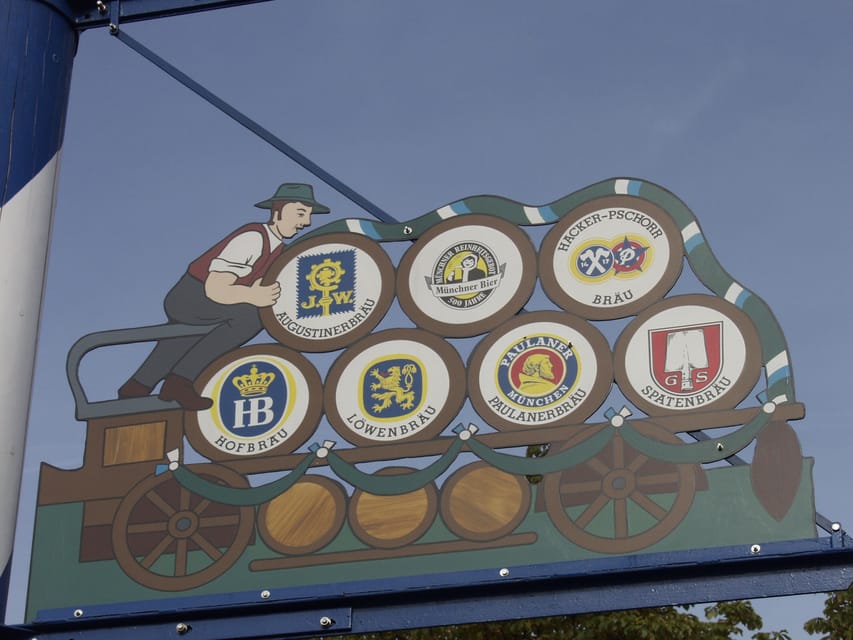
- Isartor start with a seasonal cosmobiodyamic welcome drink under the arch
- Beer sommelier-style tasting with 3 x 0.1l pours plus crispy pretzels
- Obazda focus plus classic Munich bites like pretzels and veal sausage
- Viktualienmarkt with purpose: medieval wall/tower sights en route, butchers stop on-site
- Schmaltz pastries made in motion: Auszog´ne, Strizerl, or Dampfnudeln, plus Schmalznudel at Café Frischhut
- Bread culture you can trace from a traditional mill stop and Pfennigmuggerl from Hofkunstmühle
Starting at Isartor: a warm-up before the eating starts
Your tour begins at Munich Isartor, right under the arch. That’s a good start point because you’re in the Old Town core fast, without needing to hunt for hidden meeting spots. It sets the tone: this isn’t a museum crawl. It’s a food walk built around specific places you can still recognize today.
Before the proper walking begins, you get a welcome drink that’s cosmobiodyamic and either refreshing or warming depending on the season. That matters more than it sounds. A small, local-feeling drink helps you switch gears from sightseeing mode into appetite mode. Munich can be sunny, cold, breezy, or damp, and starting with something season-fit makes the rest of the tasting more comfortable.
From there, the group moves through the Old Town with a food-first plan. You’ll also get small geography lessons along the way—where things sit and why the areas matter—so the tastings connect to the city instead of feeling like random samples.
You can also read our reviews of more tours and experiences in Munich.
The Old Town walk that ties landmarks to bites
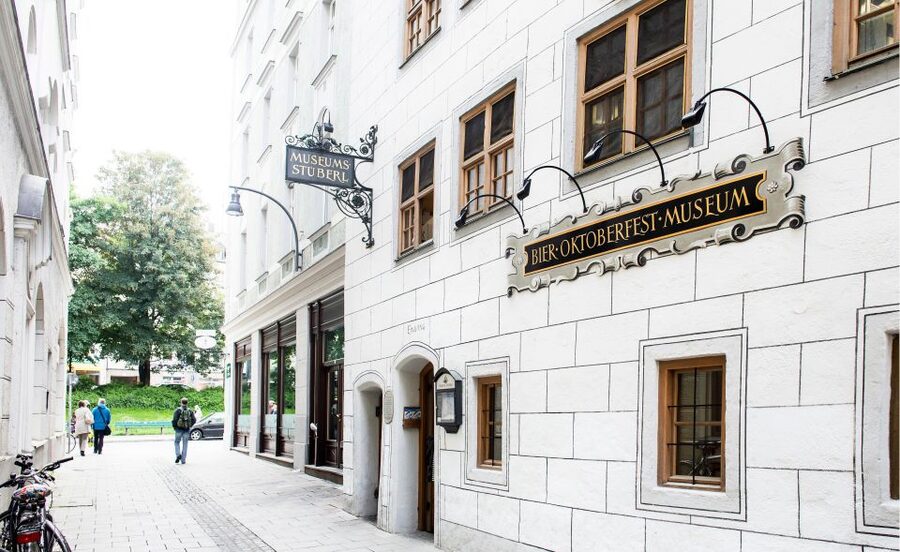
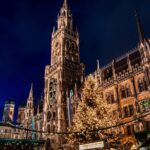
You’ll spend time walking through areas that point back to the Middle Ages. On the way to Viktualienmarkt, you’ll spot towers and remains of walls—the kind of details that can disappear if you’re just strolling on your own. Here, they act like punctuation between courses.
This is one of the smartest parts of the tour. You don’t just eat; you learn what shaped the neighborhood economy and daily life: markets, milling, butchers, and the simple reality that people needed food close to where they lived and traded.
The route also keeps you moving in a way that fits the 2-hour duration. It’s not a long “wander and hope” walk. It’s a guided line with stops where the food actually happens. If you like efficient travel—short time, clear payoff—this style works.
Pretzels and beer tasting: how to do Munich beer without overdoing it

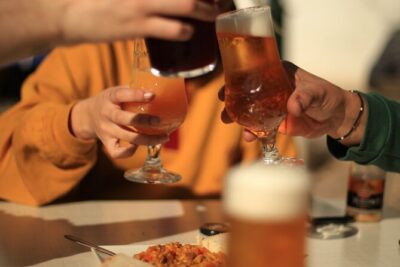
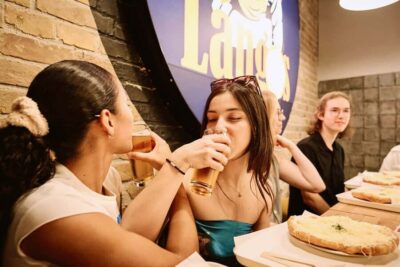
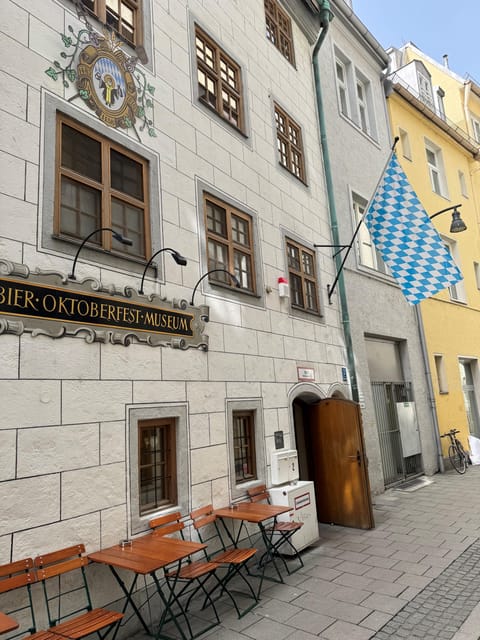
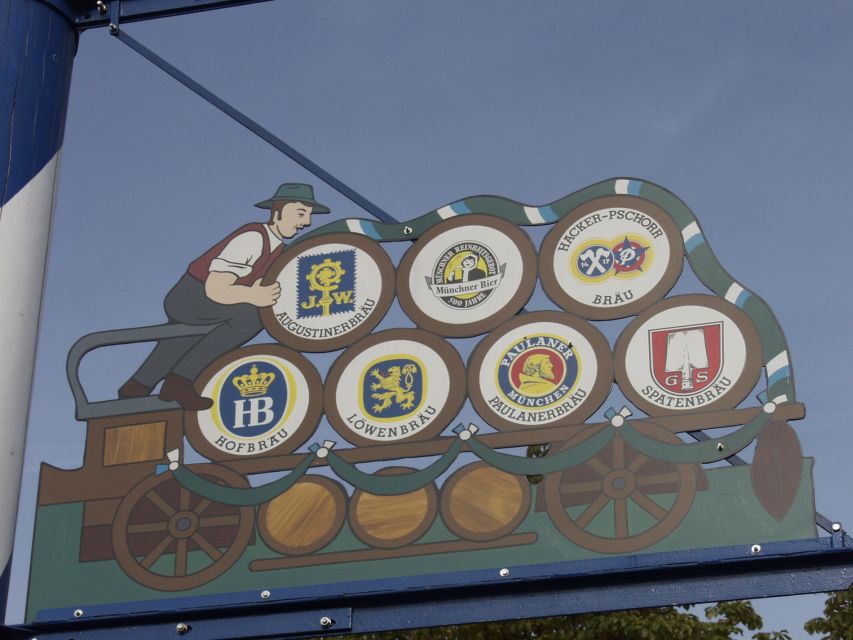
Munich beer is a big deal, so this tour treats it like a craft, not a stunt. You get a moderated beer tasting with 3 x 0.1l pours. That’s a key detail. Small pours mean you can taste differences while still keeping your head clear for the rest of the evening’s food.
You’ll also get crispy pretzels with the tasting. That pairing matters because pretzels cut through richness and give you something salty and textured while you compare beers. Instead of just drinking, you’re tasting like a mini “beer sommelier” would: sip, compare, adjust your expectations.
One practical tip for you: pace yourself even if the beers are tempting. The tour’s structure is built so you don’t have to choose between beer and the rest of the menu. If you rush the pours, you’ll feel it later when the dairy, meat, and pastry arrive.
Obazda, pretzels, and sausage: Munich comfort food with context
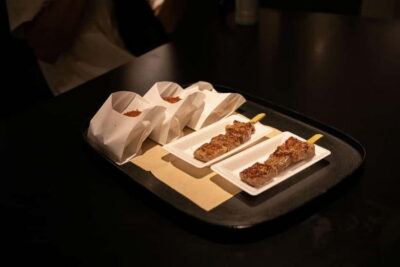
The heart of the tour’s savory section is classic Munich food. You’ll try traditional bites like pretzels, Obadzda, and veal sausage. (Yes, it’s hearty. This is Munich comfort food, not diet food.)
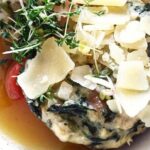
Obazda is the highlight here. It’s a traditional Bavarian cheese spread, typically bold and creamy, and it’s a natural match for beer. The tour frames it as a real local staple, not a tourist novelty. When you pair it with a pretzel, you get salty-sour-cheesy balance that’s hard to replicate at home.
Then there are the sausage and meat-course moments that keep the tasting grounded. The tour is designed for you to get a feel for what people actually eat in Munich, not just what sounds famous in guidebooks.
Vegetarian needs are handled too. For one of the later items (a hearty roll), there’s a vegetarian or vegan option mentioned as vegan Leberkäse roll. That’s useful because “has vegetarian options” can sometimes mean one sad bite. Here, there’s at least a clear swap planned into the menu structure.
The market stop: Viktualienmarkt and a butchers’ surprise
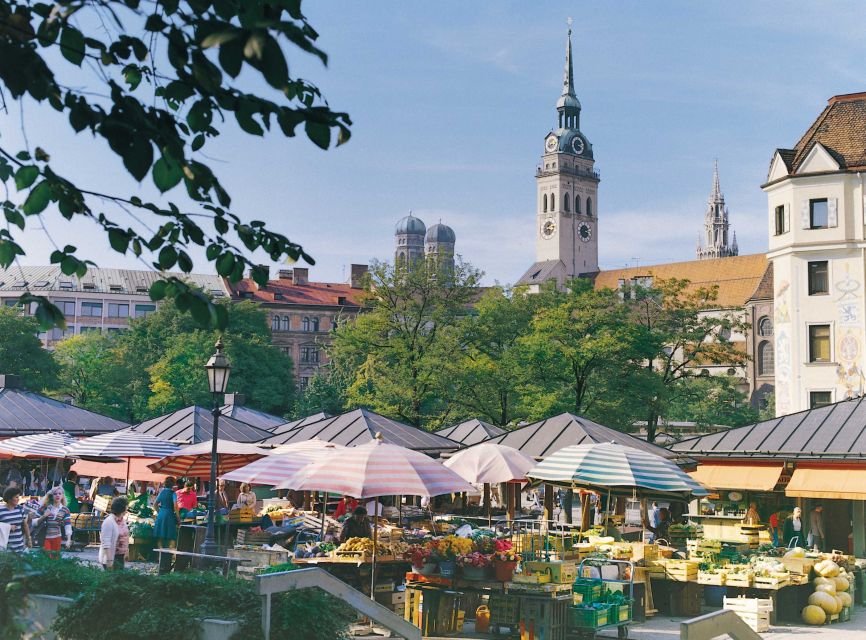
When the tour reaches Viktualienmarkt, you’re not just looking at stalls. You’re there for food moments tied to local eating habits. The market setting also helps you understand why Munich built its food culture around places like this: you can smell bread, see butchery displays, and watch how vendors package food for real life.
As part of the market section, market butchers offer a special treat. The exact item isn’t spelled out in the tour info you have, but the point is clear: this is a guided taste from the kind of place locals associate with quick, serious eating.
Also, the walk includes a sense of continuity. You see medieval remnants on the way in, and then you arrive in a market that functions the same way in a modern form: food gathered, prepared, and sold where people spend time. It’s a neat contrast that helps the tastings feel logical.
You can also read our reviews of more food & drink experiences in Munich
Bread, mills, and Pfennigmuggerl: the Munich snack you don’t expect
Not all Munich tours focus on bread details. This one does, and that’s one of its best value-boosters. You’ll get traditional bread specialties linked to the last mill of Munich’s old town. That’s a small detail, but it gives you a bigger story: bread isn’t just a side. In Bavaria, it’s a whole daily rhythm.
There’s also a tasting of Traditional Munich Pfennigmuggerl from the Hofkunstmühle. These are the kinds of items that make a tour feel authentic. It’s not only about beer and cheese. It’s also about the baked, milled, and snackable things people grab and eat without making a ceremony out of it.
If you’re the type who likes to bring a souvenir home, bread specialties and pastry are better than a single bottle. They give you flavor memories that can’t be replaced by generic “Munich pretzel” packaging.
Watching schmaltz pastries get made: Auszog´ne, Strizerl, Dampfnudeln
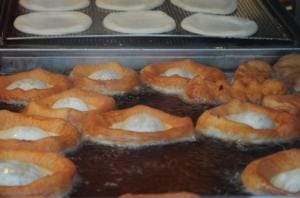
Here’s where the tour earns its keep. You don’t just eat pastries. You watch schmaltz pastries being made—specifically Auszog´ne, Strizerl, or Dampfnudeln (the exact one can depend on what’s scheduled).
Seeing dough transformed in front of you changes the whole experience. Pastry can feel like “just dessert” until you understand how the shape, texture, and fillings affect the bite. These are traditional styles that carry local techniques, and watching the process helps you appreciate why Munich pastry tastes the way it does.
It also gives you an ideal pause in the walking. For a 2-hour tour, that stop is valuable because it reduces the constant motion and gives you a moment to focus on technique and smell—heat, dough, frying or steaming textures (depending on the pastry type), and that fresh-baked aroma that signals you’re not far from the next round of eating.
Schmalznudel at Café Frischhut: the stop that ends with a full stomach
The tour’s final major food moment centers on Schmalznudel at Café Frischhut. This is where you’ll get freshly baked Schmalznudel (dairy dumplings).
Just as important, you’ll also be able to watch how the Schmalznudeln are made (along with the other dumpling/pastry choices tied to the schmaltz-style theme). That makes the ending feel like a payoff, not just another sample. You reach the last stop with context for what you’re eating and why it’s made the way it is.
In a tight 2-hour format, the tour makes sure you’re not leaving hungry. The feedback style you’ll likely see from others makes sense: the portions are meant to land. So plan your day accordingly.
Price and value for a 2-hour Munich food walk (up to 5 people)
The price is listed as $672 per group up to 5. On paper, that can look high if you’re thinking in per-person terms. But for Munich, this kind of short, guided, multi-stop tasting has real labor and planning behind it: an expert local guide, curated food stops, and beer service with multiple small pours in a structured route.
The value logic is simple:
- If you’re traveling with friends or family, the price per person drops fast when shared.
- You’re not just “getting food.” You’re getting guided pacing, tastings at specific locations, and a couple of hands-on viewing moments (pastry/dumpling making).
- The tour is short enough that you don’t lose a full afternoon. Two hours is easier to fit around dinner plans.
If you’re solo, the group pricing may feel less attractive. But solo travelers can still like this format if they want a guided path and don’t want to piece together beer plus market plus bakery stops alone.
Who this tour suits best
This tour fits you if:
- you want a tight Old Town food route without long planning
- you care about classic Munich flavors like Obazda, pretzels, and traditional dumplings
- you like guided tastings that include light education, not only eating
- you enjoy beer but prefer small moderated pours over heavy drinking
It may be less ideal if:
- you need lots of mobility support (it’s not suitable for wheelchair users)
- you hate walking in short bursts between multiple food locations
- you dislike trying a range of dairy-forward and hearty Bavarian foods in one sitting
A practical way to get the most from your tasting
For a tour like this, you’ll enjoy it more with a little prep:
- Wear comfortable shoes. The route is active, even though it’s short.
- Don’t schedule a heavy late lunch right before. This is designed to feed you.
- If you have dietary needs beyond the noted vegetarian/vegan substitution for the roll, you should ask in advance so the guide can guide you to the right choices.
And one more Munich-specific mindset: be curious. Traditional foods like these aren’t always “light.” But they’re honest, local, and built for the beer-and-conversation lifestyle.
Should you book this Munich beer and food walking tour?
Yes, if you want a 2-hour taste-focused route that mixes beer, Munich classics like Obadzda, and a memorable ending at Café Frischhut with Schmalznudel—plus the bonus of watching pastries get made.
Skip it if mobility access is a deal-breaker, or if you’re looking for something more relaxed and seated for most of the time. For everyone else, it’s a smart way to get a lot of Munich flavor without spending the whole day coordinating stops.
If you’re traveling as a group of up to five, it’s even easier to justify. Shared cost plus a tight guided plan usually beats piecing it together alone.
FAQ
Where does the tour meet?
It meets at Munich Isartor, under the arch.
How long is the tour?
The tour lasts 2 hours.
What languages are offered?
The live guide offers German and English.
What beer tasting is included?
You get a moderated beer tasting with 3 x 0.1l servings, along with crispy pretzels.
What traditional foods will I try?
You’ll taste traditional Munich specialties such as pretzels, Obadzda, and veal sausage, plus other bread and pastry items like Schmalznudel.
Is there a vegetarian or vegan option?
A vegetarian and vegan option is mentioned for a hearty Leberkäse roll, listed as a vegan Leberkäse roll.
Is this tour wheelchair accessible?
No, it is not suitable for wheelchair users.