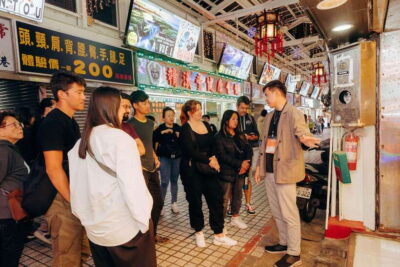
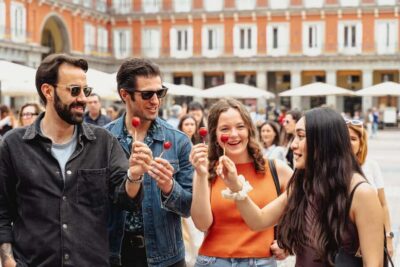
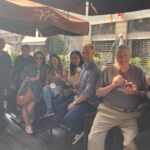
Follow the smell of Milan to Navigli. This 3.5-hour, small-group tour lines up 7+ Italian tastings with stories while you stroll from Porta Genova through Darsena and the canals of Naviglio Grande, then finish near the Duomo. I like that the experience feels human, not scripted; guides such as Davide, Elena, and Stefano are repeatedly praised for turning food into a real walk-and-talk moment, with a relaxed pace and lots of personal attention.
My second big win: the food list hits classic Milan-friendly flavors fast. You get a creamy risotto, classic street-style bites like panzerotto and arancina, plus desserts and a drink set that includes red wine and coffee. One consideration: this is still a walking tour, so you should plan on comfortable shoes and be ready for a fair amount of strolling.
In This Review
- Key takeaways before you go
- Navigli and the Duomo Route: Why This Walk Makes Sense
- Porta Genova Market Stop: A Local Starting Beat
- Darsena and Navigli Grande: Canal District Energy You Can Taste
- Porta Ticinese and the Medieval-Gate Reminder
- Milan Shopping Street Moment: Stretch Your Legs (and Eyes)
- The Risotto Stop: Gorgonzola & Pear and Why It Works
- Panzerotto Pugliese and Arancina: Two Styles, One Mission
- Tartlets, Pasticciotto, and the Sweet Finish
- Wine, Coffee, and the Little Drink Pairing Moment
- The Signature Secret Dish: What You Can Expect
- Finishing at the Duomo: Outside Views Done Right
- Price and Value: What $118.56 Buys You in Milan
- Who This Tour Suits Best (and Who Might Not Love It)
- Simple Tips to Get More from Your Tastings
- Should You Book This Milan Tasting Walk?
- FAQ
- What time does the tour start, and how long is it?
- Where do we meet, and where does the tour end?
- What food and drinks are included?
- Does the tour include entering the Duomo?
- How large is the group, and is it offered in English?
- Can you accommodate dietary requirements?
- What happens if the weather is poor or you need to cancel?
Key takeaways before you go
- Navigli first, Duomo last: you start in Milan’s dining zone and end at the Duomo area outside the cathedral.
- A full tasting sweep: expect risotto plus multiple savory bites and desserts, not just small samples.
- Wine and coffee included: the drink pairing is part of the plan, not an add-on.
- Small group size: capped at 12 travelers, so questions and conversation don’t feel awkward.
- Local landmarks, quick history: markets, canal districts, and medieval gate areas are part of the route.
- Menu can shift: the operator notes the itinerary and menu may change with availability and weather.
Navigli and the Duomo Route: Why This Walk Makes Sense
This tour is built around a simple idea: in Milan, your best food day often starts with the right neighborhood. You begin in the Porta Genova area and then move into the Navigli zone, which is known for eating out, strolling, and hanging around canal-side cafés. It’s a smart way to get your bearings without wasting time on a long, aimless wandering day.
The other reason I like the route is the finish. Instead of ending somewhere random, you come out by the Duomo area, with time to orient yourself for the rest of your visit. And since the plan keeps the cathedral visit outside (you do not enter the dome), you’re not spending your tasting time on lines or long interior logistics.
Timing also helps. The start time is 11:30 am, which lands you perfectly between late breakfast and true lunch. By the time you’re done, you usually feel happily full—exactly what you want on a day where you still hope to enjoy a normal evening.
You can also read our reviews of more food & drink experiences in Milan
Porta Genova Market Stop: A Local Starting Beat
You kick things off near Piazzale Stazione Genova (that meeting point is in the Porta Genova rail area). The first stop is the Mercatino domenicale di Porta Genova. Even though the admission is free, the value here is atmosphere and orientation. It’s a real Milan micro-scene: transit nearby, neighborhood energy around it, and the sense that you’re starting in the city, not a theme park.
What I find useful is that this area connects modern Milan with the older city layout. Porta Genova is named after a historic gate in Milan’s wall system, so even early on you get quick context for how the city grew and shifted. You also get a feel for Milan’s rhythm—how people move, where they gather, and how food fits into everyday life.
If you arrive early, don’t treat it like a checkpoint. Take a minute to look around and get your bearings. Once the walking kicks in, you’ll appreciate having your mental map started.
Darsena and Navigli Grande: Canal District Energy You Can Taste
Next comes Darsena, in the Navigli area. This is the neighborhood with the lively nightlife and lots of places to sit down and eat. It’s also tied to the Naviglio Grande canal, which used to be a commercial port and now works as a strolling and boating zone.
The way this stop supports the food part is subtle but important. Darsena and the canal areas are where Milan’s dining culture feels most visible. You’re not just eating inside restaurants—you’re walking through the setting that shaped the food scene. When you taste savory bites and pastries later, it all makes more sense because you can picture where locals actually spend time.
Then you spend about an hour along Naviglio Grande. The canals date back to the 12th century and were built to connect Milan with other places and support commerce. Today, they’re lined with cafés, restaurants, and bars, and the historic bridges are the kind of detail you notice only when you’re actually walking beside the water. You’ll also pass the calmer vibe of the Naviglio Pavese direction, which helps keep the mood from feeling one-note.
Porta Ticinese and the Medieval-Gate Reminder
Between the canal time and the Duomo finale, there’s a useful pivot: Porta Ticinese. Milan has medieval layers, and this stop gives you a quick dose without turning it into a textbook.
A Porta Ticinese was part of the medieval walls, and the remaining medieval gate is one of the few fragments still visible. The current location is tied to the Spanish rule era, with the plaza called Piazzale XIV Maggio connected to the 16th-century placement. It’s the kind of short history stop that gives you a better sense of why certain districts feel the way they do today.
You’ll also notice the group flow here: the walking keeps moving, but the stories give your brain a little structure. That matters on food tours, because otherwise you’re just chasing plates. Here, you’re linking food to place.
Milan Shopping Street Moment: Stretch Your Legs (and Eyes)
At some point, you’ll walk through a major shopping street area—one of those parts of Milan that’s instantly recognizable for style and storefront energy. The tour doesn’t turn this into a shopping spree, but it’s a helpful change of pace.
This stretch is a good time to slow down for a minute, look at the street life, and reset before the final leg. You’ll also get a sense of how Milan moves from dining-focused Navigli toward the more iconic center areas near the Duomo.
If shopping isn’t your thing, that’s okay. Think of it as an easy visual break between tastings and the final outdoor views.
A few more Milan tours and experiences worth a look
The Risotto Stop: Gorgonzola & Pear and Why It Works
Now for the part you’re really paying for: the food. The tour includes creamy risotto with gorgonzola and pear. This combo is classic Italian logic: salty, creamy cheese balanced by sweet fruit. The key is that you’re not just tasting one ingredient—you’re tasting a Milan-friendly flavor style that shows how regional Italian cooking likes to play the sweet-salty game.
I like this as a centerpiece because risotto is filling. That means by the time you hit the savory street-food bites that follow, you’re eating in a way that feels staged, not chaotic. You’re building toward comfort food that also tastes like it belongs in this city.
Also, risotto is a dish where good kitchens really show their work. Even if you’re not a “food nerd,” you can usually tell the difference between an okay plate and a properly made one. This stop is one reason the price feels more fair than it looks on first glance.
Panzerotto Pugliese and Arancina: Two Styles, One Mission
The included savory lineup keeps things varied, and that variety is a big part of the value. You’ll try:
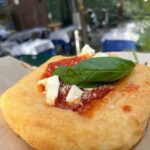
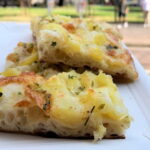
- Classic panzerotto Pugliese: a fried, handheld-style specialty that’s all about crisp edges and a hot, savory filling.
- Golden arancina from Palermo: another fried favorite, this time with the rice-centered feel people associate with Sicily.
The benefit of having two different fried specialties on the same tour is that you don’t get stuck in one texture track. You can compare crust, filling style, and how the flavors read in real time while you walk between stops.
One thing to watch: fried food moves fast. Even though portions are designed as tastings, you’re likely to feel the “okay, I get it” satisfaction early, then keep enjoying the later bites. In other words, don’t plan to sprint through this tour hungry with no time buffer. Start with water and take your time chewing and tasting.
Tartlets, Pasticciotto, and the Sweet Finish
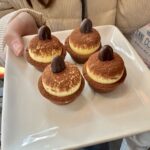
Dessert is not an afterthought here. You’ll get an elegant fruit tartlet, plus a sweet pasticciotto. That pairing is smart. Fruit tart brings brightness and acid balance; pasticciotto leans more toward custard-and-pastry comfort.
If you’re the type who worries you’ll miss dessert while you focus on savory, this tour handles that worry for you. People also praise the dessert portion as a highlight, which tells me it’s not just a token bite.
Sweet stops can be tough on food tours if you’re too full too early. The tour’s pacing is designed to avoid that stuffed-out feeling by spacing tastings across multiple stops and finishing in the center area. You’ll still want to pace yourself, but the plan is built for enjoyment, not just quantity.
Wine, Coffee, and the Little Drink Pairing Moment
This experience includes a glass of red wine and coffee. That matters for two reasons.
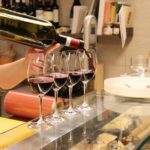
First, it changes the way savory bites taste. Wine adds acidity and fruit, and it can make fried and cheesy flavors feel cleaner. Second, coffee gives you a reset after pastries and rich items.
Some days also include an espresso pause, and you’ll hear tour guides use the drink moment to talk about food culture and how locals choose what to order. The end result is that the drink isn’t just a beverage—it becomes part of the story and the pacing.
If you don’t drink wine, tell the guide ahead of time when you share dietary needs. The operator explicitly asks you to contact them in advance for dietary requirements so they can handle it properly.
The Signature Secret Dish: What You Can Expect
You’re also promised a Signature Secret Dish. Since the exact dish can vary based on availability, this is where the tour stays flexible while still delivering a “surprise but still Italian” feel.
Some guides on this kind of tour setup may include extra meat-forward tastings such as filet tartare, and you might see how certain vendors respond enthusiastically to the guide’s local relationships. You’re not just buying food off a menu; you’re benefiting from someone who knows the rhythm of the place and how to get you served well.
I like the secret dish because it keeps the day from feeling like a checklist. It turns the tour into a real experience—one that still ends up being structured enough to make sense when you add up all the tastings.
Finishing at the Duomo: Outside Views Done Right
You end right in front of the Duomo area in Milan. The tour notes you won’t enter the dome—you’ll look at it from outside and leave guests right by the cathedral.
That choice can be a win. Instead of spending your best energy in a line or inside a long route, you get the signature Milan moment at the right time of day. Then you’re free to decide what you want to do next: walk the surrounding streets, grab gelato, or head elsewhere with your own pace.
Also, ending at a major landmark is practical. You don’t have to reverse-engineer your way back across the city while you’re full and tired. You’ve got an anchor point and plenty of transportation options from there.
Price and Value: What $118.56 Buys You in Milan
At $118.56 per person, this isn’t a “cheap eats” deal. But it can be good value because it bundles what often costs extra when you do it on your own: multiple tastings, dessert, a drink set (red wine plus coffee), and guided storytelling while you move through neighborhoods.
Think about it this way: if you try to recreate this day on your own, it’s not just buying food. You’re paying for convenience—someone handles the timing, gets you into the right places, and keeps the day from turning into “we should’ve booked a tour” regret. The small-group size (maximum 12) also supports better interaction, which is part of what people love about the guides.
And you’re not just eating inside. You’re walking through Darsena, Naviglio Grande, and historic gate territory. That blend of food plus neighborhood context is the part that makes the money feel less like a single dinner bill and more like a full afternoon worth of Milan.
Who This Tour Suits Best (and Who Might Not Love It)
This works best if you:
- Want a mid-day plan that takes care of food stops for you
- Like classic Italian favorites plus Milan-linked context
- Prefer small groups and personal guide attention
- Appreciate a guided walk through districts like Navigli before hitting the big landmark zone
You might not love it as much if you:
- Hate walking (the operator notes it involves a fair amount of walking, and comfortable shoes are recommended)
- Need very specific dietary accommodations and haven’t contacted the team in advance
- Want a strict museum-style schedule with minimal restaurant time
It’s also offered in English, and it generally works for most travelers. Still, bring realistic expectations: you’re eating and walking, not sitting at a single table for hours.
Simple Tips to Get More from Your Tastings
A few practical moves can make the day feel even better:
- Show up with a little hunger. Tastings add up, and fried bites plus risotto can land heavy if you’re already stuffed from brunch.
- Bring water if you run warm, especially on canal walks in decent weather.
- Keep your questions ready. The most praised guides in this setup are described as engaging and good at managing the group while keeping the stories going.
- Ask about pronunciation and ordering. One nice theme from the experiences is that you come away learning how dishes sound and what to look for when you’re back at menus.
Most importantly, treat the drink stops as part of the tasting plan. Sip, taste, and reset before the next course.
Should You Book This Milan Tasting Walk?
Book it if you want a focused food afternoon that hits multiple iconic Italian categories—risotto, fried bites, and desserts—while also showing you the neighborhoods that make Milan feel like Milan. The small-group size, the included red wine and coffee, and the fact you end near the Duomo make it a strong “one afternoon, big payoff” choice.
Skip or rethink if you’d rather do food on your own, or if walking makes you cranky. Also consider whether you’re the kind of traveler who likes structure. This tour is guided, and that’s the point.
If you’re visiting Milan for the first time and want a day that’s both tasty and sensibly planned, this is a very easy yes.
FAQ
What time does the tour start, and how long is it?
It starts at 11:30 am and runs about 3 hours 30 minutes.
Where do we meet, and where does the tour end?
You meet at Piazzale Stazione Genova, 20144 Milano MI, Italy, and the tour ends in front of the Duomo at P.za del Duomo, 20122 Milano MI, Italy.
What food and drinks are included?
Included tastings include creamy risotto with gorgonzola & pear, classic panzerotto pugliese, golden arancina from Palermo, an elegant fruit tartlet, sweet pasticciotto, a glass of red wine, and coffee, plus a signature secret dish. The exact itinerary and menu can change based on availability.
Does the tour include entering the Duomo?
No. You’ll see the Duomo from the outside and end near it.
How large is the group, and is it offered in English?
The tour is limited to a maximum of 12 travelers and is offered in English.
Can you accommodate dietary requirements?
You should contact the operator in advance about dietary requirements so they can cater for them as best as possible.
What happens if the weather is poor or you need to cancel?
The tour requires good weather. If it’s canceled due to poor weather, you’ll be offered a different date or a full refund. You can cancel for a full refund up to 24 hours in advance.