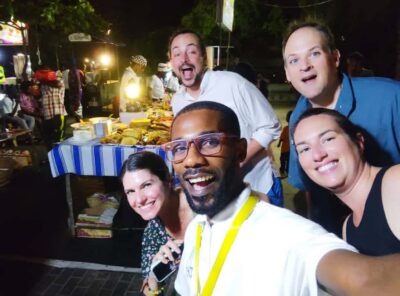
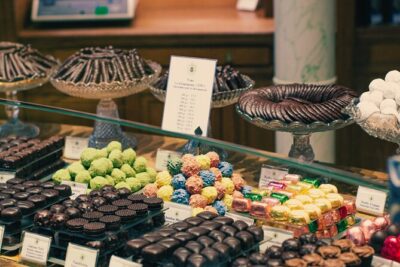
Feed your way through Mazatlán’s Mercado.
This 3.5-hour guided walk takes you through central Centro’s market lanes, where you’ll sample seven expert-picked foods and drinks while learning how this neighborhood grew from older traditions. It starts right in the thick of things at Plaza Machado, so you can skip the guesswork and jump into the day.
I really like that you’re not just eating. A guide like Wendy, Luis, or Eduardo (real people, real energy) connects each stop to stories about the area, including how the neighborhood’s past ties into local life. I also love that the tastings feel practical and specific, from market basics like fruit and dried chile to classics like smoked marlin, Mexican cheeses, tostadas, and a proper torta.
One possible drawback: you’ll likely be stuffed by the end. The tour is built around multiple generous tastings, so if you show up with a full stomach, you’ll miss the fun of pacing yourself.
In This Review
- Key things to know before you go
- Plaza Machado start: getting oriented fast in Centro
- How the walking pace really works for most people
- The Mercado stops: fruit, dried chile, and why smells guide you
- Smoked marlin and Mexican cheeses: your first “wow” moments
- The tostada stop: family-run, and been around long enough to matter
- The torta and local soda pairing: the street-food rhythm
- Food as culture: learning about how families cure ailments
- Dessert finale: traditional Mexican ice creams
- Guides matter: Wendy, Luis, Eduardo, and the art of pacing
- Price and value: what you’re really paying for at $88
- Who should book this Mercado walking food tour
- Should you book this Mercado walking food tour?
Key things to know before you go
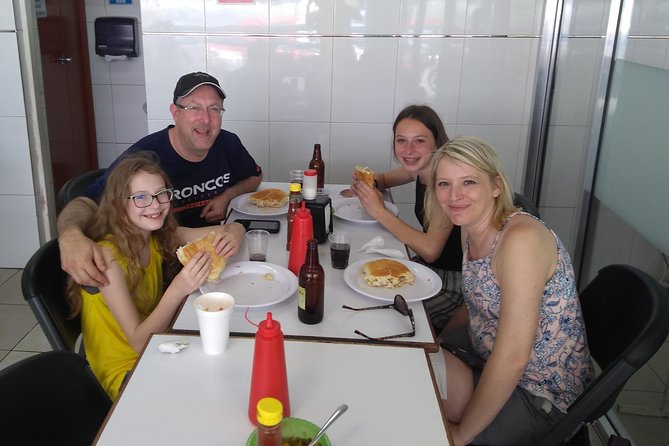
- Seven tastings across the Mercado and nearby streets, including torta and traditional ice cream
- Neighborhood history with your food, plus how the area’s past shaped today’s market life
- Small group size (max 10) that keeps the walk easy to follow and questions manageable
- English available with a bilingual guide, so you’re not stuck guessing menus and names
- Plan for a food-heavy morning. Come hungry, then slow down when you need to
- Tell them your allergies upfront, using the special requirements box when booking
Plaza Machado start: getting oriented fast in Centro
Most food tours wander. This one drops you into the right place immediately. You meet at Plaza Machado, Centro (82000 Mazatlán), and the walk ends back at the same spot. That matters. When your plan finishes near transit and central streets, you’re not stuck trying to hail a ride or backtrack through an unfamiliar neighborhood.
Starting at 10:00 am also helps. You’ll hit the market when vendors are set up and the streets around Centro are active. You’ll see how locals shop for everyday ingredients—produce, dried chile, cheeses—then you’ll learn how that shopping turns into meals at home.
If you like having a “map” in your head while you’re eating, this layout delivers. The guide keeps things flowing so you understand where you are and why this place matters.
How the walking pace really works for most people
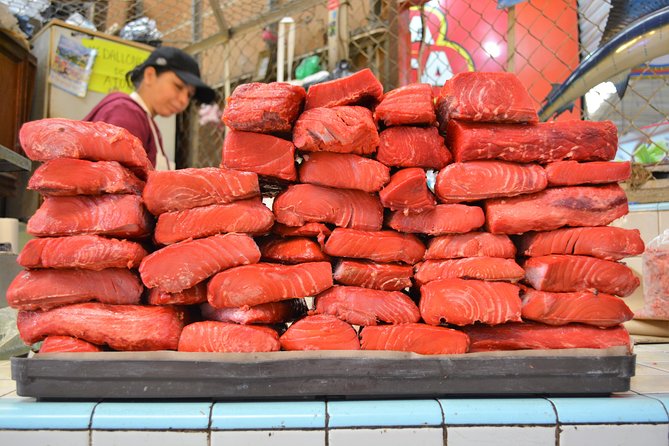
This is a walking tour with a moderate physical fitness level. In plain terms: it’s not a marathon, but it’s not a sit-and-smile tram ride either. You’ll move through the Mercado and surrounding streets, taking enough steps that you can feel the morning in your legs by the end.
The good part is that the flow is guided and organized. People in the group can stay together, and the pace is steady enough for families too. If you’re used to walking around busy cities, you’ll be fine.
One practical note: the tour is designed to be hands-on in a working market. That means you may be close to crowds, stalls, and narrow aisles. Wear comfortable shoes. And if you need a bathroom during the day, don’t wait too long—guides have stepped in with help in real situations, but you still don’t want to test luck.
The Mercado stops: fruit, dried chile, and why smells guide you
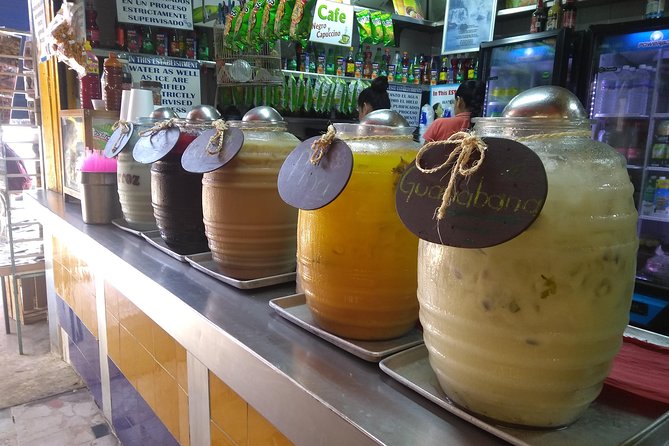
The heart of the experience is walking the Mercado like a local errand list, then learning how the ingredients become flavors. You’ll visit stands for fruit and vegetables, and you’ll also see the dried chile section, where color, aroma, and texture tell you a lot before anyone even hands you a sample.
Here’s what you’re picking up while you walk: the Mercado isn’t random. It’s organized around ingredients that show up again and again in Mazatlán cooking. Seeing (and smelling) the raw materials helps you understand why a tostada tastes the way it does later, or why a torta hits the way it does with grilled flavors.
You’ll also learn how different communities shaped what you eat here—Mazatlán has a multicultural spirit, and the guide weaves that into the neighborhood story while you sample. It’s an easy way to connect food to place without turning it into a lecture.
Smoked marlin and Mexican cheeses: your first “wow” moments
Early on, you’ll get a tasting of smoked marlin, which is the kind of flavor you remember because it’s not trying to be subtle. It’s smoky, savory, and very Mazatlán. You’ll also try a variety of Mexican cheeses, which changes what you taste for the rest of the morning.
Why these stops matter: they teach your palate. After tasting smoked marlin and cheeses, you’ll start noticing how vendors balance salt, smoke, acidity, and richness as the tour moves from stall to stall.
This is also where I’d pay attention to portions. The tour is generous, and you’ll keep moving. If you’re sharing, you might feel like you’re at a constant “first bite” moment. That’s fun—just remember to take water when offered, and slow down if you need to reset.
The tostada stop: family-run, and been around long enough to matter
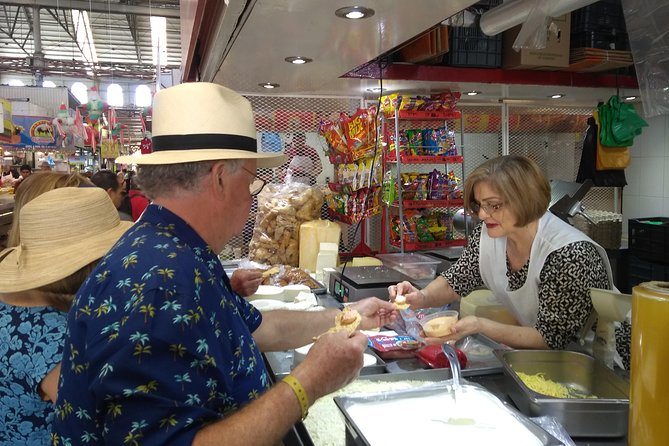
One highlight is a classic tostada stop at a family-run diner that has been in business for three decades. That length of time isn’t just trivia. It usually means two things: locals kept coming back, and the cooks got good at doing the same thing right—again and again.
This tasting matters because tostadas are one of those foods that feel simple until you actually try them. You’ll notice the crunch, the balance of toppings, and the way sauces and seasonings land on the whole bite. It’s the kind of meal that makes you understand why people order it without hesitation.
From there, the tour keeps stacking familiar names—tostadas, tortas—so you’re not overwhelmed by brand-new foods. You can focus on what you like instead of figuring out what’s in everything.
The torta and local soda pairing: the street-food rhythm
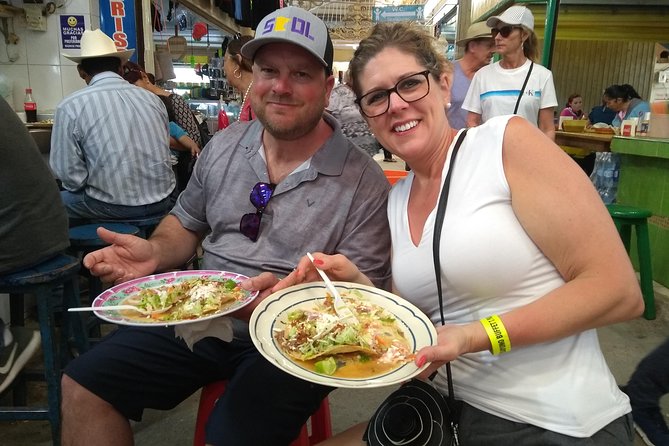
Next comes the authentic torta, described as a grilled sandwich roll. That’s exactly the kind of food that works in a walking tour: it’s portable enough to eat on the move (with the guide’s timing), but substantial enough to feel like real lunch material.
You’ll also get a local soda to wash things down. That pairing is more than refreshing. It helps you keep tasting without your palate getting tired. Sweet, fizzy drinks can reset your tongue so the next bite doesn’t taste muted.
If you tend to prefer less adventurous flavors, this is one of your best moments. Tortas are comfort food with a regional attitude, and the grilled element makes the whole thing feel warm and satisfying.
Food as culture: learning about how families cure ailments
One part of the tour that surprised me—in a good way—is that you’re not only learning what to eat. You also learn how Mexican families cure ailments, tied to what you find around the market.
This isn’t about a medical lecture. It’s more like cultural context: how ingredients and traditional beliefs show up in daily life. When you understand that angle, the Mercado stops feel deeper than a snack route. You start seeing the market as a place where people solve problems, not just buy dinner.
It’s also a reminder that markets are community centers. You’ll watch shoppers, listen to vendor chatter, and get the backstory so it doesn’t feel like you’re passing through a theme park version of Mexico.
Dessert finale: traditional Mexican ice creams
By the end, you’ll finish with traditional Mexican ice creams. This is a smart move for a walking food tour. Dessert is a reward that doesn’t just taste good—it gives you a clear ending point and something fun to remember later.
Ice cream also helps if you’ve been eating salty, smoky, savory bites all morning. It cools your palate. It turns the day into a full loop: savory → tangy → grilled → sweet.
If you’re the type who plans your last meal first, this is your cue to pace yourself earlier. The ice cream is worth saving stomach space for.
Guides matter: Wendy, Luis, Eduardo, and the art of pacing
A huge part of why this tour scores so high is the guide personality. You’ll likely walk with someone like Wendy, Eduardo, or Luis, and each brings a different style: chatty, organized, funny, warm.
Here’s what you’ll feel on the tour:
- Vendors recognize the guide, so you get real introductions instead of awkward hovering
- The storytelling stays tied to food, so it’s easier to follow
- The pacing helps you keep up without feeling rushed
One small but meaningful detail: some guides have also helped guests with practical needs like finding a bathroom when the route didn’t have the obvious options. That kind of calm problem-solving is exactly what you want on a busy day.
The name you’ll hear around is Flavor Teller, and it reflects the approach: food and place linked together, with the neighborhood history woven in while you eat.
Price and value: what you’re really paying for at $88
At $88 per person for about 3 hours 30 minutes, you’re paying for three things.
First, you’re paying for access. Markets are active and a little chaotic when you’re new. A guide helps you navigate the stalls, know what to try, and keep the group moving.
Second, you’re paying for selection. Seven tastings is not “one bite here, one sip there.” It’s a sequence of foods that build your understanding of Mazatlán flavors: smoked marlin, cheeses, tostadas, torta, local soda, and ice cream.
Third, you’re paying for interpretation. Food tours can just be sampling. This one adds neighborhood context, including a note that the area once had a bullfight ring connection in its beginnings. That kind of detail helps the Mercado feel like part of a story, not just a checklist.
When you add it up, the price makes sense if you want a guided “taste-and-learn” morning rather than shopping on your own. If you’re just hungry and want to pick your own random bites, you might feel less value. But if you like structure and local context while you eat, $88 is reasonable for what you get.
Who should book this Mercado walking food tour
This tour is a great match if you:
- Want an easy way to see Centro Mazatlán with food as your guide
- Like small-group experiences (max 10) where you can ask questions
- Enjoy eating foods you can’t easily recreate at home without knowing the ingredients
- Appreciate history when it’s connected to what you’re tasting right now
It may be less ideal if you:
- Hate large portions or struggle with eating several things in a row
- Have a strong sensitivity to raw seafood or strong flavors. If you have concerns, use the special requirements box at booking so your guide can help plan around you.
Should you book this Mercado walking food tour?
Yes, I’d book it if you want a guided morning where the Mercado is the curriculum. The combination of seven tastings, central location, and neighborhood stories makes it feel like more than food samples.
Before you go, do two things:
1) Arrive hungry and ready to pace yourself. You’ll likely feel full well before the final ice cream.
2) If you have allergies or dietary limits, tell them at booking using the special requirements box. This tour is food-forward, so good info up front matters.
If your idea of a great trip is simple: follow a local, eat well, learn how the place works, then this one fits neatly into a Mazatlán itinerary.