REVIEW · MARSEILLE
Marseille: Walking Food Tour with Full Meal
Book on GetYourGuide →Operated by _Do Eat Better Experience · Bookable on GetYourGuide
Marseille tastes better on foot. This walking food tour strings together Old Port streets, the classic neighborhoods of Le Panier, and the busy Noailles area, then turns the whole walk into a full meal of local specialties with an expert guide. It’s a great way to eat like a local instead of hunting down menus on your own.
I especially like the mix of stops: historic eateries, modern cafés, and trendier restaurants in one smooth route. I also love the small group size (limited to about 10), because it keeps the pace relaxed and makes it easier to ask questions as you go. One thing to keep in mind: the food is plentiful, and some tastings can lean dessert-forward, so plan to skip a big meal earlier in the day.
In This Review
- Key Things to Know Before You Go
- Why This 3.5-Hour Marseille Food Walk Works
- Meeting at Le New Terrasse: What the Start Feels Like
- Old Port to Le Panier: History on the Street, Not a Lecture
- Rue Caisserie and Noailles: Where Marseille Gets Loud (and Delicious)
- The Menu You Might Taste: Cheese, Seafood, Panisses, Sweets, and More
- Cheese stops that go beyond plain boards
- Seafood bites drawn from the Mediterranean
- Marseille tapas-style comfort
- Provençal sweets and Riviera-style flavors
- Southern Mediterranean pastries
- Drinks, Pace, and the Full-Meal Feeling
- Price and Value: What $99 Really Buys
- The Guide Factor: Why Names Like Simone and Ines Matter
- Who This Tour Suits (and Who Should Skip It)
- What I’d Do Before and After the Tour
- Should You Book This Marseille Walking Food Tour?
- FAQ
- How long is the Marseille walking food tour with a full meal?
- Where do I meet my guide?
- How many food stops are included?
- What drinks are included?
- What size is the group?
- What is the cancellation policy?
Key Things to Know Before You Go
- Small group energy: typically up to 10 participants, so it feels personal without feeling crowded.
- A real full-meal format: at least 4 food stops plus water and at least 1 alcoholic drink.
- Seasonal menu changes: cheese, seafood, Marseille tapas, Provençal sweets, and pastries can shift.
- Mix of neighborhoods: Old Port → Le Panier → Rue Caisserie → Noailles, ending in Noailles.
- Guides who bring the city to life: in recent groups, guides like Simone, Sofie/Sophie, Ines, and Yasmin have been praised for their storytelling and fun pacing.
Why This 3.5-Hour Marseille Food Walk Works
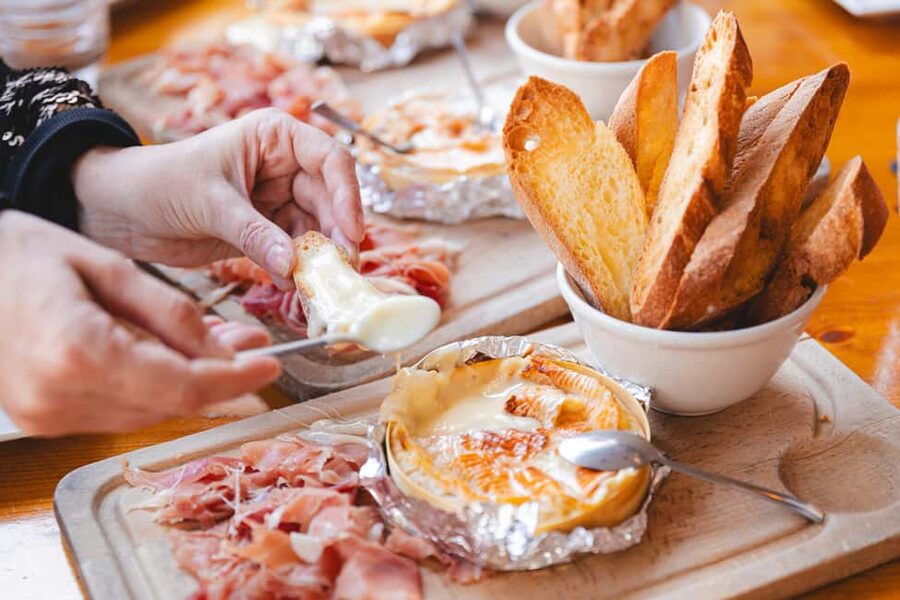
A food tour only works if the pacing and planning match the appetite. Here, the 210-minute length is long enough to feel like you’ve eaten lunch (not just sampled a few bites), while still short enough to stay comfortable on foot. You’ll be moving through several neighborhoods rather than getting stuck in one market lane.
The bigger win is how the food connects to place. You’re not just eating; you’re walking Marseille’s key areas and learning what makes its culinary culture distinct—especially the mix of French and Mediterranean influences you can taste in the cheese, seafood, and pastries.
You can also read our reviews of more walking tours in Marseille
Meeting at Le New Terrasse: What the Start Feels Like
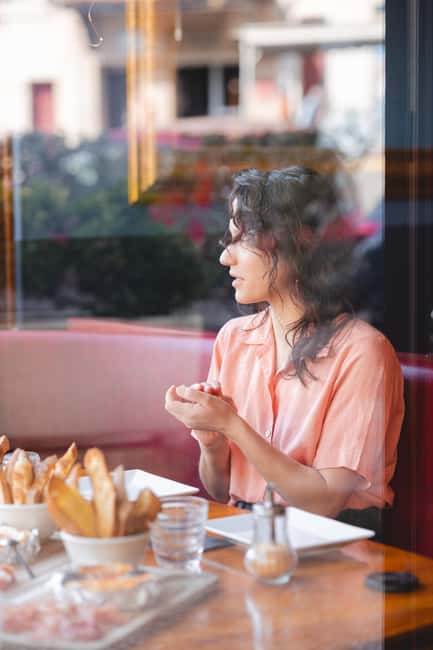
You meet your guide in front of the restaurant Le New Terrasse, at/near 66 Quai du Port. That makes the start easy if you’re using the Old Port area as your mental map for the day.
From there, the tour is designed for a smooth group flow. It’s limited to a small group (up to about 10), and you’re told to come with comfortable shoes—smart, because Marseille has hills and uneven streets. Also note the basics: no pets, and no luggage or large bags, so come light.
Language-wise, the guide can speak both English and French. In past tours, guests have mentioned that the guide switches between languages during the walk, which helps if your group includes mixed backgrounds.
Old Port to Le Panier: History on the Street, Not a Lecture
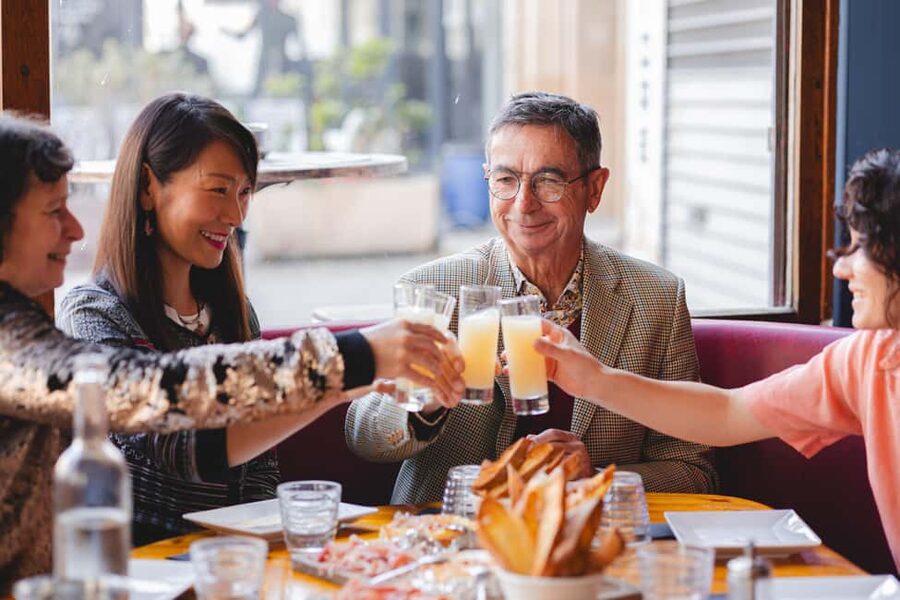
The route begins around the Old Port of Marseille, where the walking portion also acts as a warm-up. You get sightseeing plus a food tasting right away, so you’re not left standing around waiting for the first bite.
Then you head into Le Panier, Marseille’s historic and character-heavy quarter. This is where the walking feels more like exploring: older streets, strong local identity, and a sense of the city’s layers. The tastings here are part of the story—how Marseille’s geography shaped its ingredients, and how everyday food became a cultural signature.
What I like about this setup is that you’re given context without the tour turning into a museum talk. You’ll still get explanations about culinary culture and the city’s history, but the flow stays tied to what you’re eating and where you’re standing.
A possible mismatch to flag: a small portion of people felt the tour leaned more toward food than deeper discussion at some stops. If your main goal is a history seminar, you might find yourself wanting a bit more talk time at each venue.
Rue Caisserie and Noailles: Where Marseille Gets Loud (and Delicious)
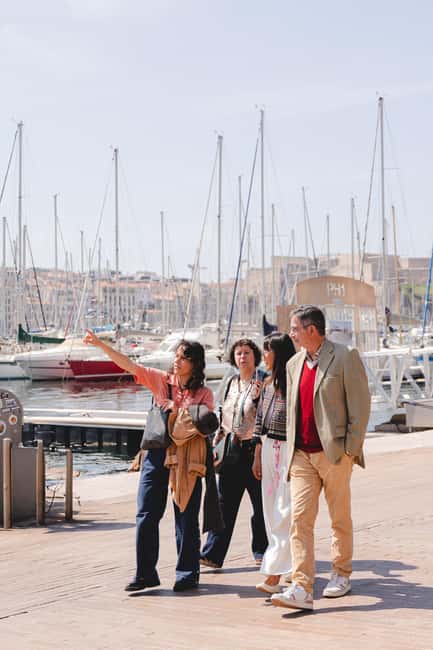
After Le Panier, you move into Rue Caisserie, a street that helps shift the mood from postcard views to local everyday life. This stop is built for mixing sight and taste, which is ideal when you want to understand how Marseille eats now—not just how it used to.
Next comes Noailles, where the tour both visits and finishes. Noailles is the kind of neighborhood where the action feels immediate: more energy, more commerce, and plenty of places that feel tied to local routines. Finishing here is a practical bonus because you end in a lively area where you can keep exploring with fresh momentum.
If you’re the type who likes to see a neighborhood’s rhythm, Noailles is a strong close-out. If you dislike busy areas or long final walks after you’re already full, you may want to plan what you’ll do next in advance.
The Menu You Might Taste: Cheese, Seafood, Panisses, Sweets, and More
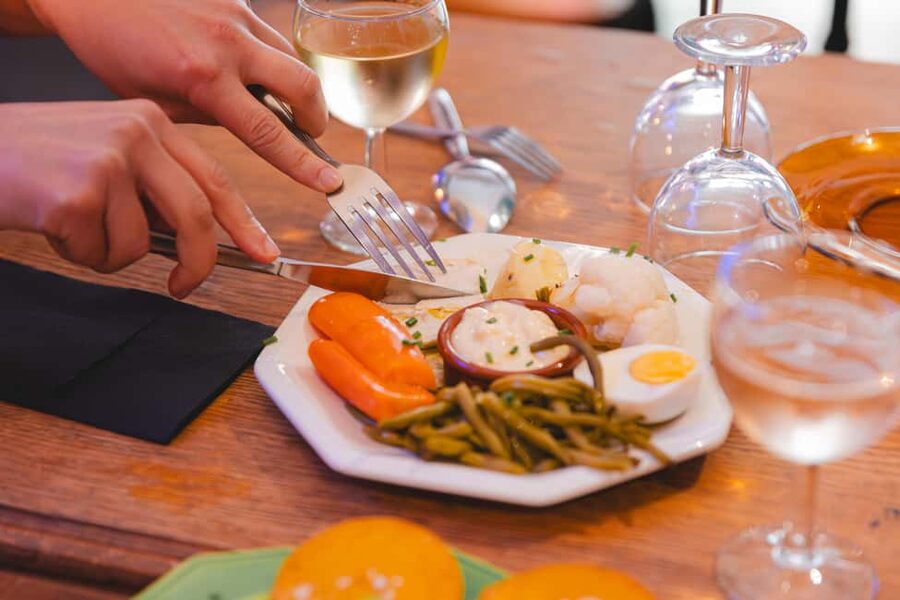
The tour is a full meal, but the exact menu changes by season and what partner restaurants have available. That’s normal for a food tour in a working city—still, the tasting list gives you a solid idea of the style of eating.
Here’s what you should expect to show up across stops:
You can also read our reviews of more food & drink experiences in Marseille
Cheese stops that go beyond plain boards
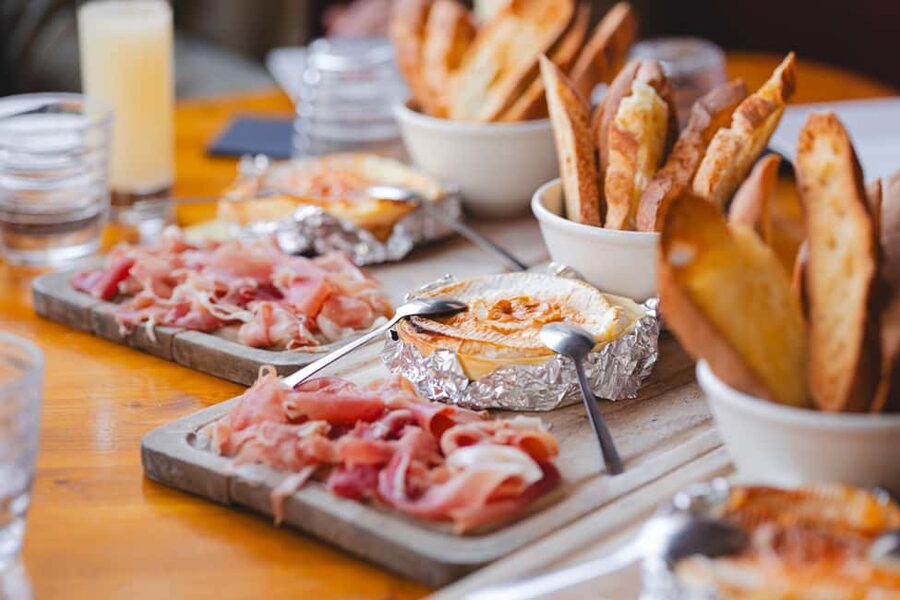
Cheese is explicitly part of the tour—sometimes as a hot roasted camembert seasoned with pastis, or as a tasting of multiple cheese varieties on a board. Either way, the point is to show how French cheese culture isn’t one-note. You’ll likely taste combinations that feel more like snack craft than just grabbing a wedge.
Seafood bites drawn from the Mediterranean
Fish-based tastings can include options like mussels or cuttlefish. The practical takeaway for you: if you love the idea of Marseille as a coastal food city, this is where it shows up. You’re not just hearing about the sea—you’re sampling it in different forms.
Marseille tapas-style comfort
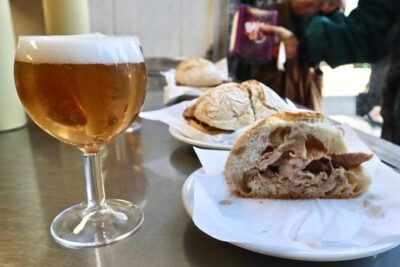
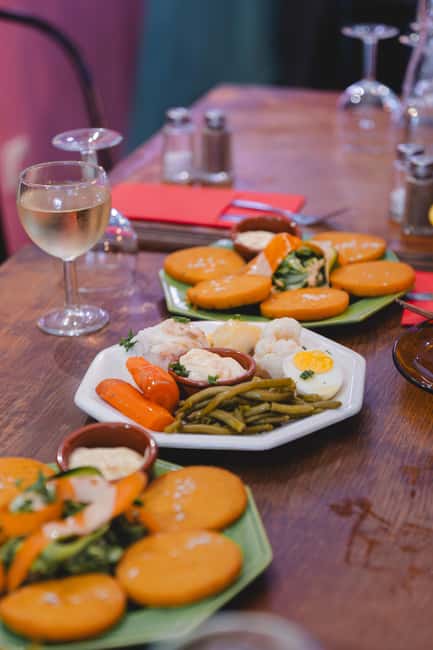
You may see Marseille tapas like panisses, aioli, or local charcuterie. These are the kinds of foods that fit a walking tour perfectly: shareable, flavorful, and easy to understand even if you don’t speak much French. Expect simple but very satisfying flavors.
Provençal sweets and Riviera-style flavors
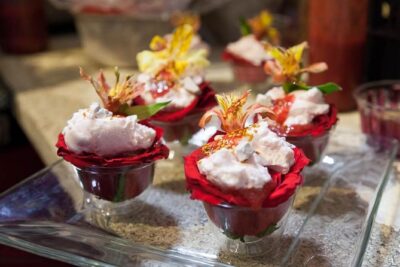
You should also expect Provençal sweets—biscuits and other sweets infused with flavors associated with the French Riviera. Multiple people have praised the amount and variety of food, so plan on at least one sweet stop as part of the flow.
Southern Mediterranean pastries
Marseille is a melting pot, and the tour reflects that with pastries from southern Mediterranean influences. If you like trying something you can’t easily find at home, this is often the fun wildcard.
One more “read between the lines” tip: because the menu changes, you should treat this as a tasting style tour, not a guaranteed list of specific dishes. If you have a strong dislike (for example, if you know you won’t eat seafood or you avoid alcohol), ask your provider ahead of time or pick another experience that better matches your limits.
Drinks, Pace, and the Full-Meal Feeling
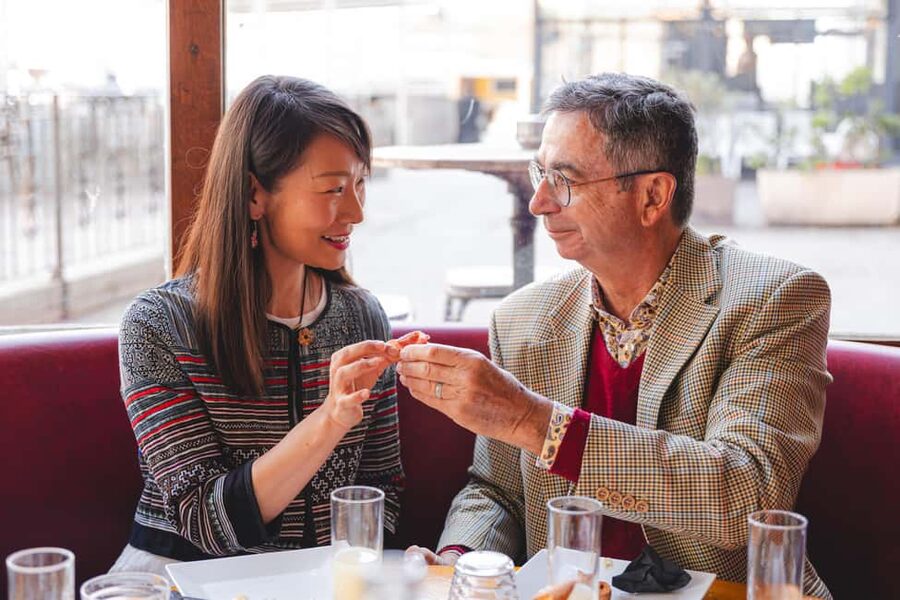
You’ll get water plus at least one alcoholic drink as part of the tour. Pastis is directly mentioned in relation to one cheese tasting possibility, and guests have also praised the overall pairing with wine and local drinks in general. The key point is that the drink is built into the experience, not an optional add-on.
The pace is often described as manageable. That matters in Marseille because the city has hills, and a long food tour can either feel like a fun stroll or like a full workout. Many people highlight that it’s leisurely, with time to move at a comfortable speed and ask questions.
Still, the tour isn’t designed for everyone. It’s noted as not suitable for people with mobility impairments, so if walking long distances (and dealing with uneven sidewalks) is an issue, you’ll want to look for a different format.
Price and Value: What $99 Really Buys
At $99 per person, you’re paying for three things at once: a guide, multiple tastings, and drinks. The inclusions are clear: a tour guide, at least 4 food stops, at least 1 alcoholic drink, and water. When you spread the cost across a 3.5-hour experience with several venues, it starts to feel like you’re buying access—access to good places, and a plan that prevents you from guessing.
I think this is best value for you if you want variety without doing homework. Trying things across cheese, seafood, tapas, and sweets is harder to assemble on your own without spending time and risking “meh” picks.
It’s less value if you’re the type who only wants one or two items. Since the tour is designed to feed you, you’ll get the most satisfaction if you genuinely enjoy tasting and sharing.
The Guide Factor: Why Names Like Simone and Ines Matter
One of the strongest signals from real guests is the quality of the guiding. Multiple people singled out guides by name—Simone, Guise, Yasmin, Yasmine, Sophie/Sofie, Ines, Marie, and others—crediting them for being friendly, informative, and willing to answer questions.
This matters because good food tours aren’t just about handing out plates. The best guides explain how Marseille eats: what you’re tasting, why it shows up in local culture, and how to order or eat it like a local later on your trip.
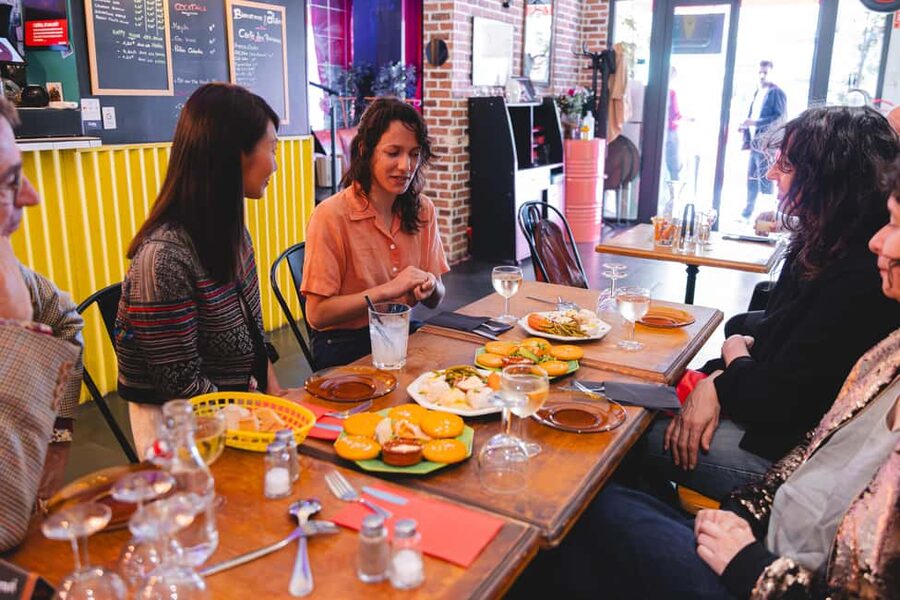
If you care about conversation, this tour is built for it. People also mention the small group helps the guide talk to you as a group rather than broadcasting into the void.
Who This Tour Suits (and Who Should Skip It)
This is a strong match if you:
- Want a walking food tour that feels like lunch, not a snack circuit.
- Like trying a mix of Marseille staples: cheese, seafood, panisses, aioli, and Provençal sweets.
- Prefer small-group experiences where you can ask questions.
- Want a guided route through Old Port, Le Panier, Rue Caisserie, and Noailles instead of map-planning day-of.
You might want to skip or consider another option if you:
- Struggle with hills or long periods of walking (it’s not suitable for mobility impairments).
- Don’t enjoy dessert-heavy sequences, since some tastings may run sweet.
- Expect lots of deep historical lecturing at each stop; the emphasis is often on food and the walk itself.
What I’d Do Before and After the Tour
Before: wear comfortable shoes and don’t eat a heavy breakfast if you can help it. Even with a full meal format, you’ll enjoy the experience more if you arrive ready to taste, not already stuffed.
After: since the tour ends in Noailles, plan something simple nearby—another bite, a coffee, or a slow wander. This is a great time to use what you tasted to guide your next meal order. You’ll leave knowing what Marseille flavors feel like, so your restaurant choices get easier fast.
Should You Book This Marseille Walking Food Tour?
I’d book it if you want a smart, well-paced way to experience Marseille through food and neighborhoods, with enough tastings to genuinely feel fed. The $99 price makes more sense when you look at it as a guided “eat-and-walk lunch” with multiple venues, water, and an included alcoholic drink.
I’d think twice if dessert-heavy tasting doesn’t sound fun to you, or if you’re mainly chasing a deep history class. And if walking is tough, skip it and look for a more accessible format.
If your ideal trip is: walk, eat, learn a little, and leave with clear ideas for where to go next, this is a very solid way to spend 3.5 hours in Marseille.
FAQ
How long is the Marseille walking food tour with a full meal?
The tour lasts 210 minutes.
Where do I meet my guide?
Meet your guide in front of the restaurant Le New Terrasse. The starting point is listed at 66 Quai du Port.
How many food stops are included?
At least 4 food stops are included, and at least one serving of food is included at each stop.
What drinks are included?
Water is included, and at least 1 alcoholic drink is included. The exact drink can vary by tastings and venue.
What size is the group?
It’s a small group. The tour is limited to 10 participants, with the activity also noting a maximum of 12.
What is the cancellation policy?
Free cancellation is offered up to 24 hours in advance for a full refund.