REVIEW · MANILVA
Manilva: Nilva Vineyard, Wine Tasting & Tapas Guided Tour
Book on GetYourGuide →Operated by NILVA ENOTURISMO SL · Bookable on GetYourGuide
Manilva’s vineyards feel like they’re holding their breath. This 2-hour Nilva tour pairs a guided walk through the story of local wine with a tasting in front of the Mediterranean Sea. I love how it turns an ordinary wine stop into a real place with purpose, not just glasses on a table. I also like that the guide keeps it lively and practical, so you actually learn what you’re tasting.
One possible drawback: you’ll need decent weather for the vineyard part, and getting between the spots may mean a short walk (or arranging a ride). If you’re coming with mobility limits, it’s wheelchair accessible, but the vineyard location can still affect how comfortable the “move around” part feels.
If you care about why vineyards survive, you’ll get why this one matters. The project behind Nilva is aimed at saving old Moscatel de Alejandría vineyards in Manilva that are under pressure from urban development. The tour is also tied to sustainability recognition (it received an International Skal award for sustainable tourism), so your visit directly supports keeping these farmers’ work profitable.
In This Review
- Key reasons this tour works
- Manilva’s old-vine setting and why this tour has weight
- The 2-hour flow: museum, winery, then the vineyard sunset view
- Civima Wine Museum: the viticulture-to-harvest storyline
- Nilva winery visit: small artisan production, not a big factory tour
- Vineyard tasting at Viña del Peñoncillo: wines, tapas, and the view
- Price and value: what $35 buys you in real terms
- Where to meet and how to plan your timing
- Who should book this tour (and who might not love it)
- Should you book Nilva Vineyard wine tasting & tapas?
- FAQ
- What’s the meeting point for the Manilva Nilva tour?
- How long is the tour?
- What’s included in the price?
- Is hotel pickup or transport included?
- Will I have to walk to reach the vineyard?
- Does the tour depend on the weather?
- What language is the guide?
- Is it wheelchair accessible?
- Are animals allowed at the winery?
- How much does it cost?
Key reasons this tour works
- Civima wine museum in three themes: viticulture, oenology, and grape harvest, set up for learning without feeling like school
- Nilva winery stop with hands-on context: a small artisan production visit that explains how Nilva wines are made
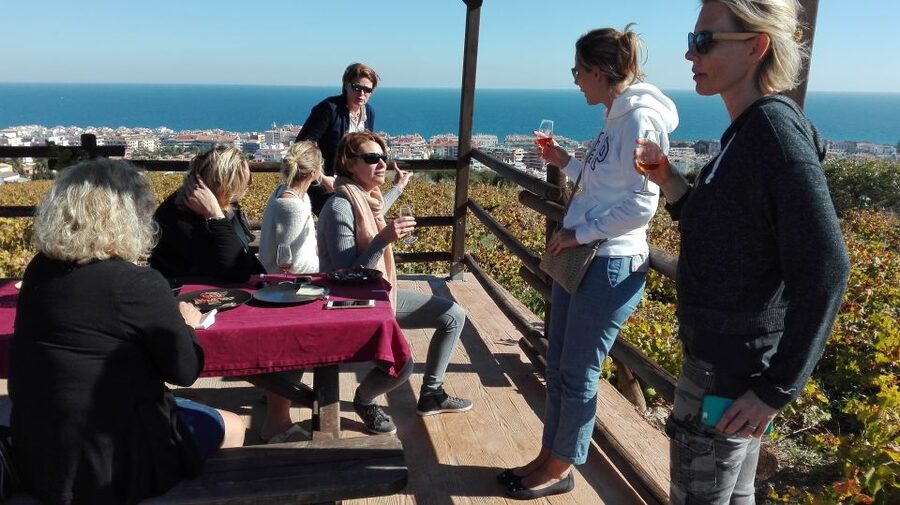
- Peñoncillo vineyard tasting with big views: Mediterranean Sea and Africa in the distance while you taste and snack
- Tapas pairing with your wine: ham and cheese, plus the kind of casual, straightforward pairing that’s easy to enjoy
- A conservation mission you can feel: the visit is built around saving Manilva’s older vineyards and supporting farmers
Manilva’s old-vine setting and why this tour has weight
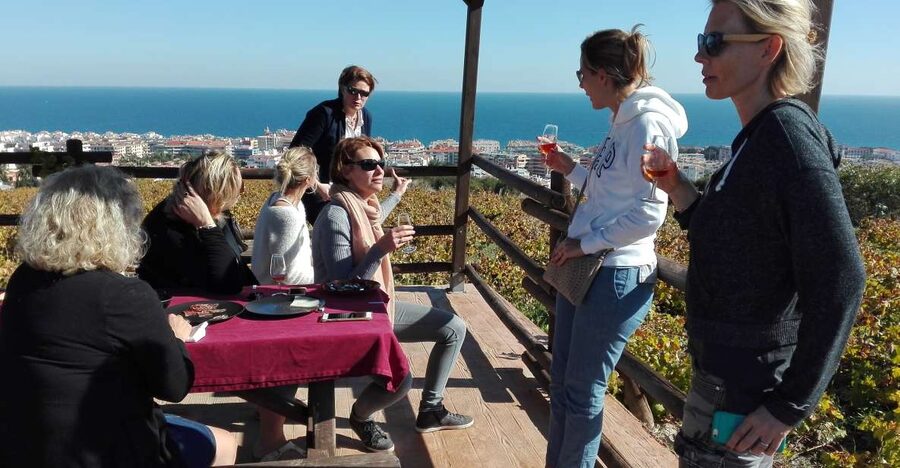
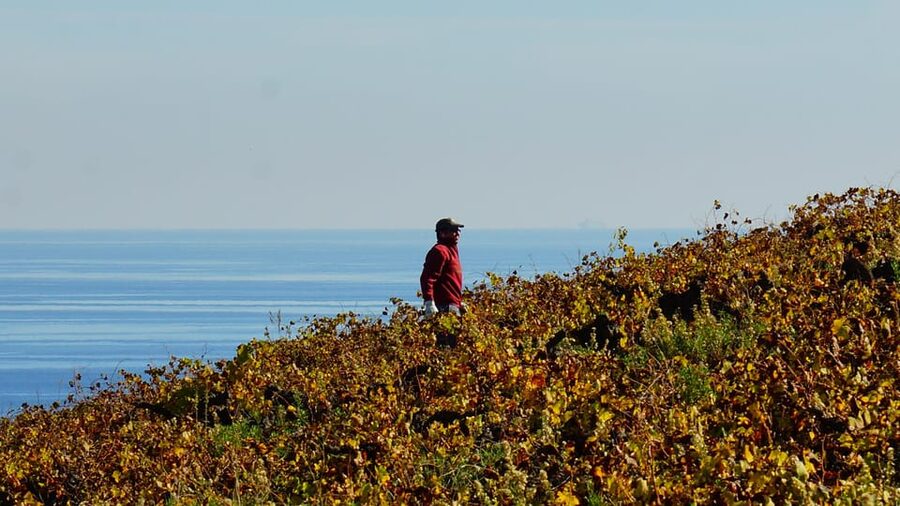
Manilva sits on the Costa del Sol, but it doesn’t feel like a generic beach zone. It’s the kind of coastal village where vineyards face the sea, and where you can still picture how wine was made long before tourism took over the map.
The tour’s backbone is that tension: these historic Moscatel de Alejandría vineyards are still here, but they’re under serious threat from urban development pressure and from profitability issues. The Nilva enotourismo project exists to change that equation—using wine tourism and Nilva production to make the farmers’ work worth continuing. That’s why this tour doesn’t feel like a quick transaction. It feels like a short visit with consequences.
You’ll also see how the work ties old and new together. The plan includes the Civima interpretation center (a structured explanation of the winemaking tradition) and then a winery visit (where you see how that tradition continues through current production). The result is a good balance: you learn the “why,” then you taste the “what.”
The 2-hour flow: museum, winery, then the vineyard sunset view
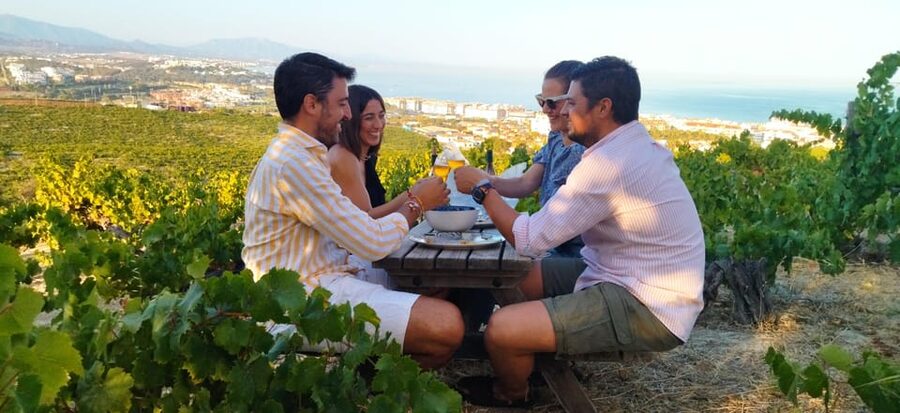
This is a compact tour—about 2 hours—so the pace stays friendly and focused. It’s designed around three main stops, in a logical order: learn first, then visit the production space, then finish with the tasting setting.
Stop 1 is Civima, the wine museum in Manilva. It’s about 30 minutes of guided context, and it helps you understand the local grapes and the seasonal rhythm of how wine gets made. This matters because tasting without context can feel like random sips. With context, you start noticing differences.
Stop 2 is the Nilva winery visit (about 15 minutes). It’s short on purpose. You’re not stuck in a lecture. You get enough to connect the process to what’s in your glass.
Stop 3 is the vineyard tasting. The vineyard is roughly 1 km from Civima. That’s typically around a 10-minute walk, depending on pace, or you can use your own transport if you prefer not to walk. The whole point of the vineyard stop is to slow down—especially if the timing lines up for sunset—so the views to the Mediterranean Sea and Africa aren’t just a background detail. They’re part of the experience.
Civima Wine Museum: the viticulture-to-harvest storyline
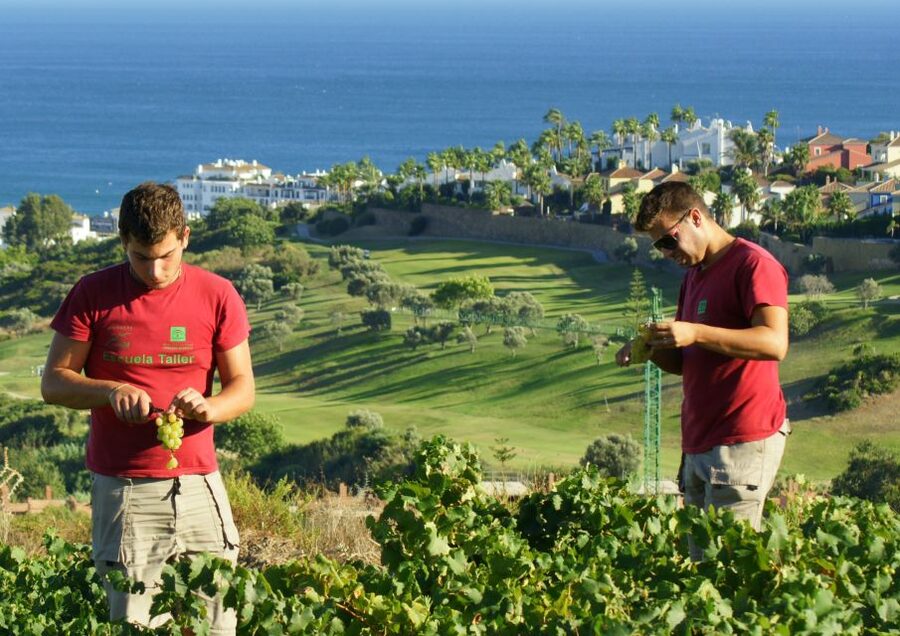
Civima is the starting place for a reason. It gives you a clear framework for Manilva’s winemaking—what happens in the vineyard, how it turns into wine, and where harvest fits in.
The museum is organized into three rooms:
- Viticulture
- Oenology
- Grape harvest
That structure helps you follow the chain instead of treating wine like a mystery. If you’ve ever wondered why two wines taste different, this kind of storytelling is where your answers begin. You learn how the local conditions and grape handling connect to the final flavor in the bottle.
From the way the guide explains it (English is available), you’ll also pick up practical details about the grape vines used in Manilva and how farmers keep traditions alive while continuing to improve their methods.
Nilva winery visit: small artisan production, not a big factory tour
After Civima, you move to the Nilva winery experience. This isn’t a cavernous industrial stop. It’s described as a small artisan winery, and that smaller scale is a plus.
Why it matters for you: small production means the guide can focus on what changes at each step. In a factory-style tour, you often get generic answers. Here, the point is to show how Nilva wines are elaborated—so the tasting later feels earned.
One practical note: animals aren’t allowed into the winery. If you’re traveling with pets, plan ahead so the winery portion stays smooth.
Vineyard tasting at Viña del Peñoncillo: wines, tapas, and the view
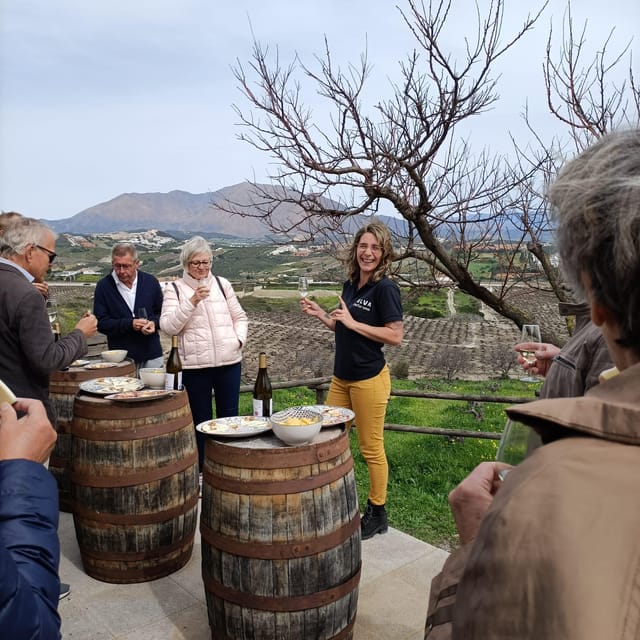
The finale is at Viña del Peñoncillo, which is certified as organic agriculture. Even if you’re not an “organic wine” person, that certification usually signals a farm approach focused on sustainability, not shortcuts.
Here’s what you get during the tasting:
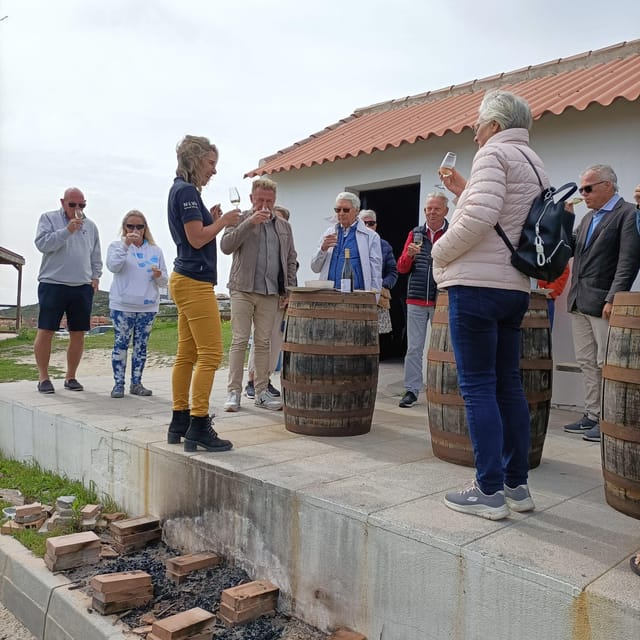
- A guided tasting of Nilva wines
- Tapas, including ham and cheese
The supplied details say you taste three wines. Several guest accounts describe tasting four different wines during their session, so treat this as “multiple Nilva wines,” likely three to four depending on the exact lineup that day.
What really makes the tasting special is the setting. You’re in the vineyard with the Mediterranean Sea behind the scene line and Africa visible across the water. Even people who don’t think they like wine tend to enjoy it because you can feel the place while you sip. You’re not rushed. You’re meant to take your time and learn how to appreciate the wines, then eat simply good tapas.
You may also see that the farmers work is ongoing and physical. Some guides describe their own direct involvement in the vineyard—so you’re not just watching a staged “tour reality.” You’re meeting a working system.
Price and value: what $35 buys you in real terms
$35 per person for a 2-hour experience is not a “cheap and cheerful” throwaway. It’s priced like a small production visit—meaning you’re paying for guided access, museum interpretation, winery entry, and the tasting with food.
What you actually get included:
- Entry tickets to Civima (Wine Museum)
- Entry to the Nilva winery and vineyard
- Wines and tapas
What you don’t get:
- Hotel pickup or drop-off
- Transport
So the value depends on how you’re getting there. If you’re already in the area (or you can reach the meeting point easily), the included access and tastings make the price feel fair. If you’re relying on taxis and long rides, the total cost can creep up.
One more value point: the tour supports a specific conservation effort—helping keep Manilva’s old vineyards productive and supported by tourism. For some people, that “money with meaning” factor is the deciding reason.
Where to meet and how to plan your timing
Meeting point is the Civima building in Manilva, located between the Firemen station and Plaza de la vendimia. Try to arrive a few minutes early so you don’t feel rushed before the museum starts.
Timing runs tight. You’ll cover:
- Guided museum time
- Short winery time
- Then movement to the vineyard for tasting and views
The vineyard portion depends on good weather conditions. If weather isn’t cooperative, you might lose the vineyard component, so keep your schedule flexible if you’re going near the coast where conditions can change.
Also plan for footwear. Even if you walk about 1 km (around 10 minutes) between the sites, you’re walking on uneven outdoor terrain in a working vineyard zone. Comfortable shoes are the boring detail that makes the whole thing better.
If walking isn’t your thing, arrange your own transport for the vineyard segment. The vineyard stop is close enough to walk, but it’s far enough to be annoying if you’re tired, late, or traveling with limited time.
Who should book this tour (and who might not love it)
This tour is a strong fit if you want more than a tasting flight. You’ll like it if you enjoy:
- Learning how wine is connected to place and season
- Seeing how a small producer works
- Spending time where the views matter as much as the wine
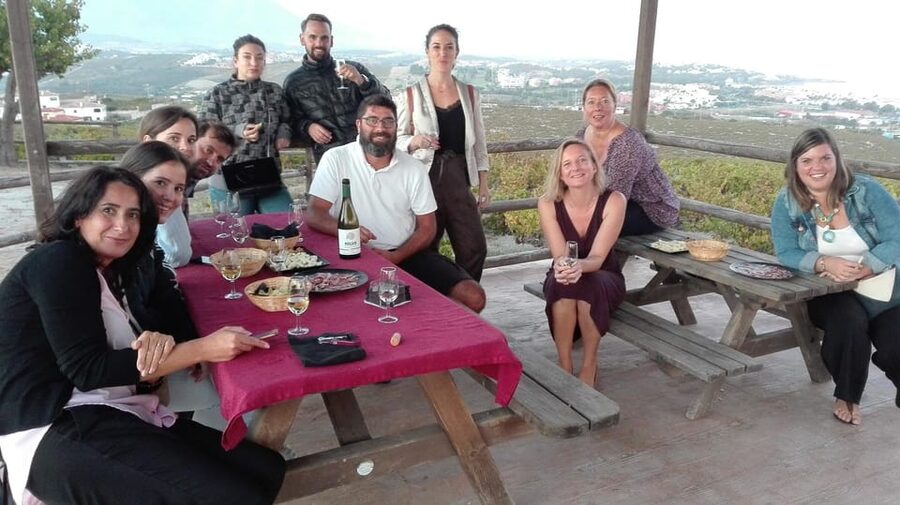
It also works well for groups and celebrations. The atmosphere is relaxed, guided, and the guide’s humor comes through clearly, which helps when people in your group like the idea of wine but don’t always want a strict lecture format.
You might think twice if:
- You hate outdoor walking between stops
- You need hotel pickup (this doesn’t include transport)
- You’re planning around uncertain weather and can’t adjust
Should you book Nilva Vineyard wine tasting & tapas?
If you’re in the Manilva area and you want an easy, purposeful wine experience, I’d book it. The combination of Civima’s structured explanation, a short winery visit, and then a tasting where the views to the sea and Africa are part of the program makes it feel like a real evening out—not just a transaction.
Also, the “save the vineyards” mission is not a vague slogan here. The tour is built around supporting farmers keeping historic vineyards productive. Even if you’re only moderately into wine, you’ll likely leave with a better sense of what you tasted and why it matters.
Just go in prepared: arrive at Civima on time, wear decent shoes, and keep weather in mind for the vineyard portion. If you do those basics, this feels like a high-value two hours you’ll remember for the scenery as much as the wine.
FAQ
What’s the meeting point for the Manilva Nilva tour?
Meet at the Civima building in Manilva, located between the Firemen station and Plaza de la vendimia.
How long is the tour?
The tour lasts 2 hours.
What’s included in the price?
Entry tickets to Civima (Wine Museum), the Nilva winery and vineyard, plus wines and tapas.
Is hotel pickup or transport included?
No. Hotel pickup and drop-off are not included, and transport is also not included.
Will I have to walk to reach the vineyard?
The vineyard is about 1 km from Civima. That’s roughly a 10-minute walk, though the information also notes you may need your own vehicle to get there.
Does the tour depend on the weather?
Yes. The visit to the vineyard is subject to good weather conditions.
What language is the guide?
The live tour guide is in English.
Is it wheelchair accessible?
Yes, the tour is wheelchair accessible.
Are animals allowed at the winery?
No. Animals are not allowed into the winery.
How much does it cost?
It costs $35 per person.