REVIEW · MADRID
Madrid: Guided Tapas Tour with Tastings and Drinks
Book on GetYourGuide →Operated by Food Lover Tour Madrid · Bookable on GetYourGuide
Madrid tapas get real fast. This guided crawl strings together historic bars and classic bites in a less-touristy part of the city, with guides like Ioanna and Raúl bringing the energy and the background. You’ll eat your way through four stops, sample Spanish favorites, and share drinks with people from all over.
I love the way you get a lot of food without feeling like you’re sprinting between places: the tour builds in 10–12 tapas tastings across 4 locations. A second big win: guides such as Alberto and Amara can handle picky eaters and dietary limits on the spot, so you’re not stuck doing the sad plate-and-smile thing. One possible drawback to plan around: water isn’t always automatic, so I’d have a strategy (or even bring a small bottle) if you tend to get thirsty while you snack.
In This Review
- Key things you’ll notice on this tapas crawl
- Why this tapas tour feels more like Madrid than a checklist
- Meeting at Alonso Cano: easy start, simple flow
- Stop-by-stop: how the night’s tapas lineup usually plays out
- Stop 1: A market-style place that sets your taste expectations
- Stop 2: The typical neighborhood bar where cured meats steal the show
- Stop 3: A contemporary slow-food tavern where olive oil and technique matter
- Stop 4: A century-old bodega that finishes the crawl with old-school confidence
- Drinks: one house pour at each stop, and it can change the whole mood
- How much walking is involved, and what kind of group vibe you get
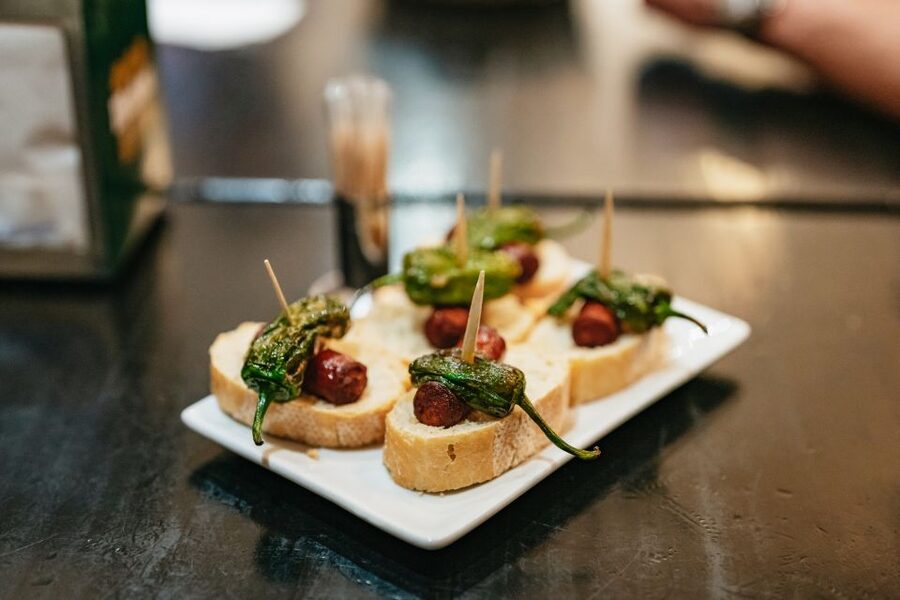
- Food highlights you’ll actually recognize on your plate
- Dietary needs: what’s supported, and what you should do before you go
- Price and value: is $81 fair for 3 hours and 10–12 tastings?
- The one small watch-out: water and how to handle it
- Who should book this tapas crawl (and who might not love it)
- Should you book the Madrid guided tapas crawl?
- FAQ
- How long is the guided tapas tour?
- Where do I meet, and where does the tour end?
- What’s included in the $81 price?
- Are drinks included, and what kinds might I get?
- Is the tour family-friendly?
- What language is the tour guide?
- Can I get a refund if my plans change?
Key things you’ll notice on this tapas crawl
- 4 stops in a quieter area: historic bars and bodegas, not the postcard circuit
- 10–12 tastings across the evening’s pacing, with one house drink at each place
- The drink line-up can include beer, wine, vermouth, and sangria depending on the stop
- Family-owned feeling: small counters where locals actually linger
- Dietary flexibility: examples include pescatarian, vegetarian, no yeast, and even skipping pork or alcohol
- Guides who run the room: from lively mingling to rain-day adjustments
Why this tapas tour feels more like Madrid than a checklist
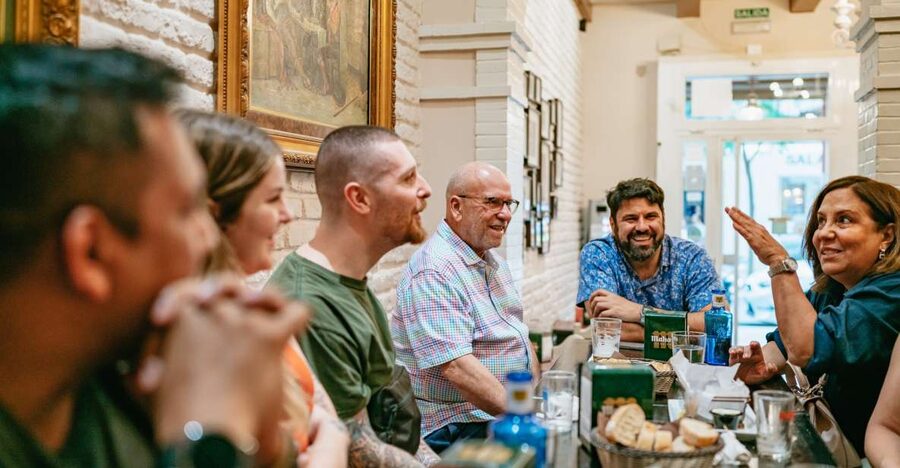
Tapas in Madrid aren’t a single thing. They’re a habit. People order a drink, then a few small plates, then another round—talking, grazing, and staying put long enough to feel like the place is part of their day.
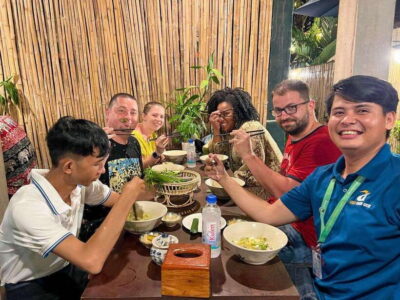
That’s why I like this tour format. Instead of treating tapas like separate restaurant stops you have to conquer, you get a guided route through places locals use: neighborhood bars, family-run counters, and older bodegas with a steady flow of regulars. You’re tasting along the way, but you’re also learning the rhythm—how Madrid eats after work, not just what it eats.
You can also read our reviews of more guided tours in Madrid


Meeting at Alonso Cano: easy start, simple flow
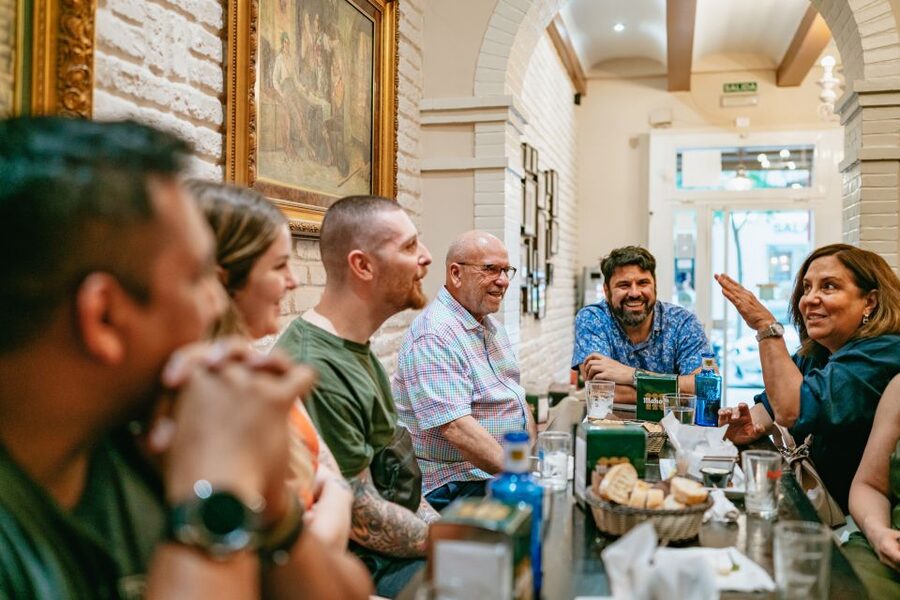
You meet outside the apartment entrance by the Alonso Cano elevator subway exit (Line 7). The good news: there’s no hotel pickup and no confusing back-and-forth to find a van. It’s just you, the group, and the guide starting the crawl where it actually begins.
The tour runs about 3 hours, hitting 4 locations. That spacing matters. You’ll cover enough ground to see different styles of tapas culture, but not so much that your feet revolt. Comfortable shoes are a must—this is walking in a normal city, not a park stroll.
The other practical detail: the tour is English live guided, and it’s also listed as child-friendly. So the vibe should be social and accessible rather than stiff.
Stop-by-stop: how the night’s tapas lineup usually plays out
You won’t be handed one plate and sent on your way. You’re sampling. The typical plan is 10–12 tastings total, spread out so each stop has a theme and a reason for being on the route. Here’s how the four stops tend to feel.
Stop 1: A market-style place that sets your taste expectations
The first stop is described as a market cuisine restaurant. This is smart as a starting point because it gives you a fast orientation to what Spaniards mean by fresh, seasonal, and flavor-forward. You’re not guessing what’s in-season; the meal is built around it.
What you can expect here is a mix of classic Spanish ingredients—think extra virgin olive oil and simple proteins dressed well rather than overbuilt. You might see things like cured meats and seafood-style tapas depending on the day and the bar’s rotation, but the goal is consistent: get you moving from drink curiosity into serious eating.
A small note on pacing: market-style kitchens can be quick and efficient, so you may feel the tour “click” right away. If you like food that hits your palate quickly, you’ll appreciate this opener.
Stop 2: The typical neighborhood bar where cured meats steal the show
The second location is a typical neighborhood bar. This is where tapas culture often feels most real, because you’re not surrounded by tourist signage—you’re standing at a bar counter with people ordering what they actually crave.
This stop is a great place for the classics, especially Iberian ham and other cured meats. You’ll likely also encounter seafood or other small plates with strong regional identity. The point isn’t just variety; it’s contrast. One stop might feel cleaner and lighter, while the next leans into salty, smoky, and fatty flavors that Madrid does very well.
One value to look for here: guides often explain what you’re about to eat right before you taste. That turns a small plate into an experience. It also helps if you’re not a tapas expert and don’t know how to read a menu.





Stop 3: A contemporary slow-food tavern where olive oil and technique matter
Next comes a contemporary slow-food tavern. This is the stop that tends to slow the pace just a little—enough for you to taste more thoughtfully.
Slow-food doesn’t have to mean boring or overly serious. Here it usually means you’ll taste craftsmanship: good bread (if it’s part of the tapas), oil that actually tastes like something, and combinations that feel intentional instead of random.
From the tour details, this stop can include things built around Spanish essentials like Spanish tortilla and plates using olive oil and pork in different forms. You might also run into versions of meats or sides that feel more “grown-up” than the bar-counter classics.
If you enjoy food that rewards attention—smell, texture, and salt levels—this is the stop that can make you say: okay, I get why people love Madrid tapas.
Stop 4: A century-old bodega that finishes the crawl with old-school confidence
The final stop is a century-old bodega. If you only understand one thing about Spanish eating, let it be this: age shows up in how a place pours drinks and handles regulars.
Here, you’re usually finishing with the most satisfying, comfort-leaning bites. The tour mentions staples like Spanish tortilla and Iberian cured ham, and a lot of folks find this last stop is where everything you ate earlier starts to make sense together. You’ve sampled enough flavors that the last round feels like consolidation, not repetition.
This is also a common moment for conversation. The crawl typically creates a social tone, and that last stop gives the group time to keep chatting instead of rushing through a checklist.
Drinks: one house pour at each stop, and it can change the whole mood
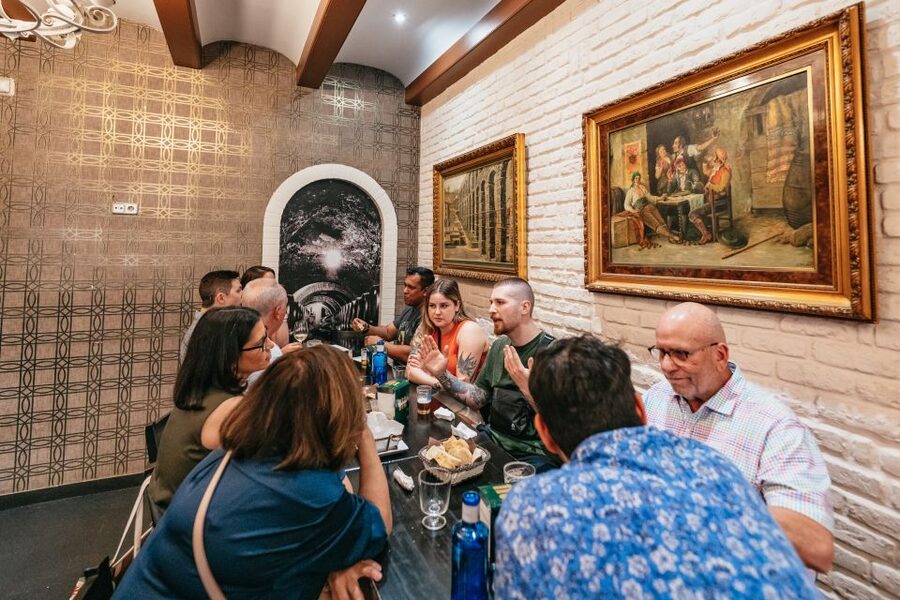
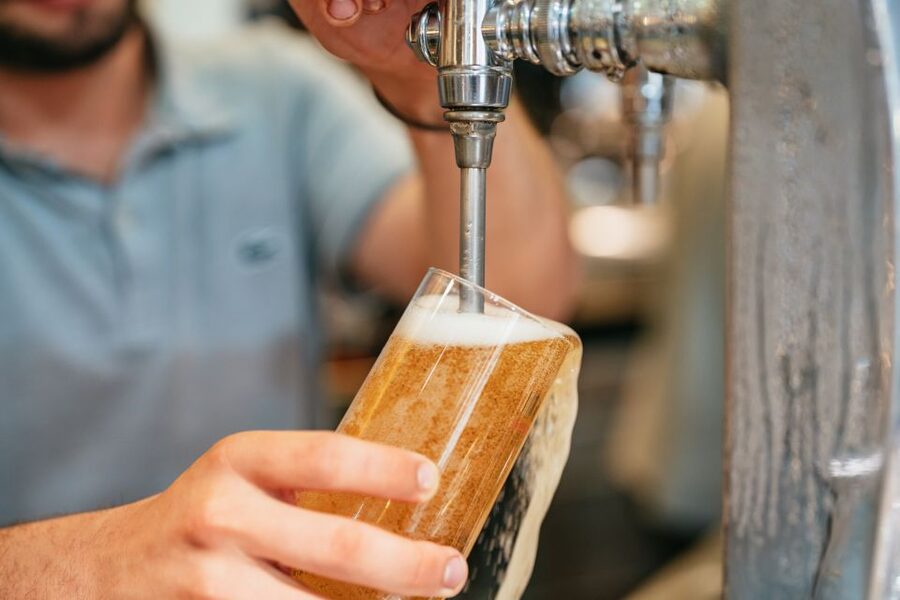
At each of the four locations, you get one house drink included. The beverage rotation can include beer, wine, vermouth, and sangria, and that matters because Madrid drinks are not just liquid accompaniment—they’re part of why the tapas order works.
Here’s how I’d think about it: a dry beer or light wine can make salty tapas feel cleaner. Vermouth often loves strong flavors like cured meats. Sangria can shift you into a more relaxed, sweet-leaning mode. Your guide may pair drinks based on what you’re eating that stop, and those pairings are part of the value.
Practical tip: Pace your drinks. You’ll eat a lot. If you’re trying different flavors, take small sips so you can taste properly between bites. Tapas calories are sneaky.
How much walking is involved, and what kind of group vibe you get

The tour is designed as a crawl with enough movement to feel like you’re exploring—but not so much that it becomes a workout. Reviews and tour structure point to short distances between stops, with a pace that keeps you social.
One recurring theme in the provided info: guides focus on helping people mix and mingle, trading stories while you eat. That’s a real plus if you’re traveling solo or you like meeting humans while you eat rather than waiting until dinner.
Group size can vary by departure, but there’s an example of a small group (around 12), which tends to make the whole night feel easier—less waiting, more attention from the guide, and better odds that dietary questions get handled fast.
Food highlights you’ll actually recognize on your plate
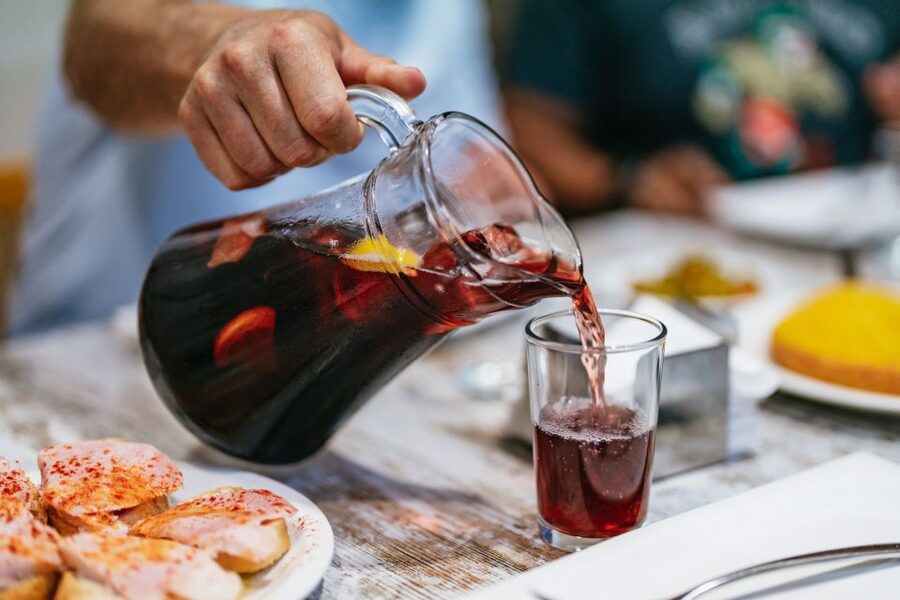
The tour lists a solid lineup of classic Spanish flavors, including:
- Spanish tortilla
- Iberian ham
- Cured meats
- Seafood options
- Extra virgin olive oil
- Madrid-style pork belly
And because you’re getting 10–12 tastings, you’re usually not stuck choosing between one favorite and one safe option. You can sample more textures: creamy, crisp, salty, tender, oily, smoky.
If you’re new to tapas, the best part is that you’ll leave with a sense of what you like. After the crawl, you can order those “I know this now” plates on your own with far less guesswork.
Dietary needs: what’s supported, and what you should do before you go

The data shows the tour can handle real dietary restrictions. Examples included:
- No yeast
- Pescatarian
- Vegetarian
- Avoiding pork
- Avoiding alcohol
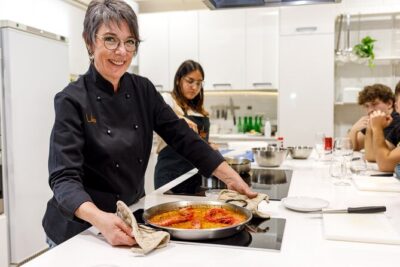
There’s also an example of a guide adjusting when someone didn’t enjoy a dish and working with the kitchen to make an alternative. That’s the kind of flexibility you want on a food tour.
My advice: message your needs clearly when you book. Bring it up again right at the start of the tour. Guides are better able to manage substitutions if they hear your must-haves early.
If you’re avoiding alcohol, the tour still supports it—you’ll get included beverages per the tour plan, but the provided information indicates at least some groups can be accommodated when alcohol isn’t wanted.
Price and value: is $81 fair for 3 hours and 10–12 tastings?
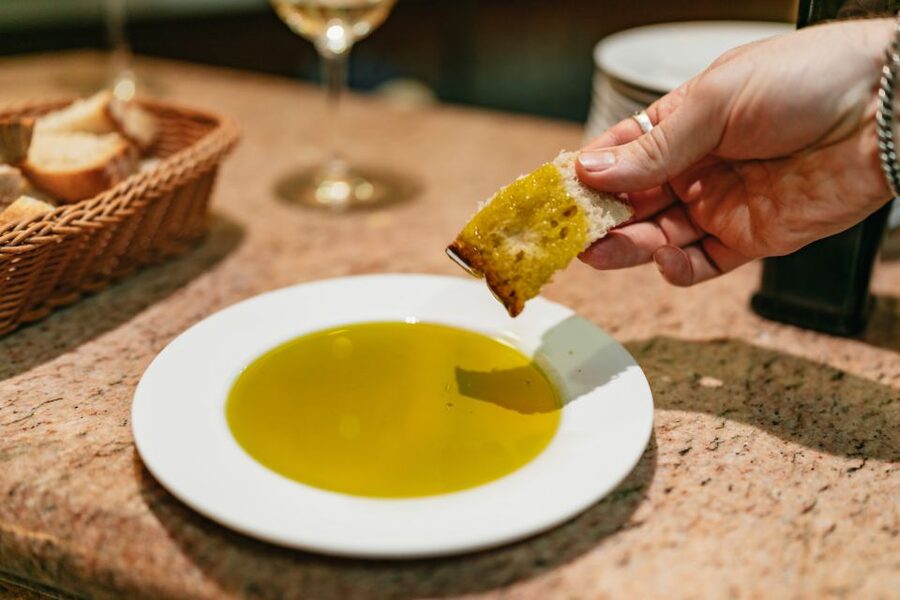
At $81 per person for about 3 hours, the headline value is simple: you’re not just paying for food, you’re paying for a guided route, multiple tastings, and drinks across four different stops.
When I break it down:
- It’s roughly a little under three dollars per tasting if you land near the middle of the 10–12 range.
- You also get four included house drinks, plus the guide’s work coordinating what you taste and where you go.
That’s why this price can feel reasonable compared with paying for multiple tapas meals on your own. You’re also buying time efficiency. Instead of spending your first evening researching where locals eat, you’re following someone who already knows which spots work for groups.
It’s also good value if you like variety. One restaurant can’t replicate four different bar styles in a night.
The one small watch-out: water and how to handle it
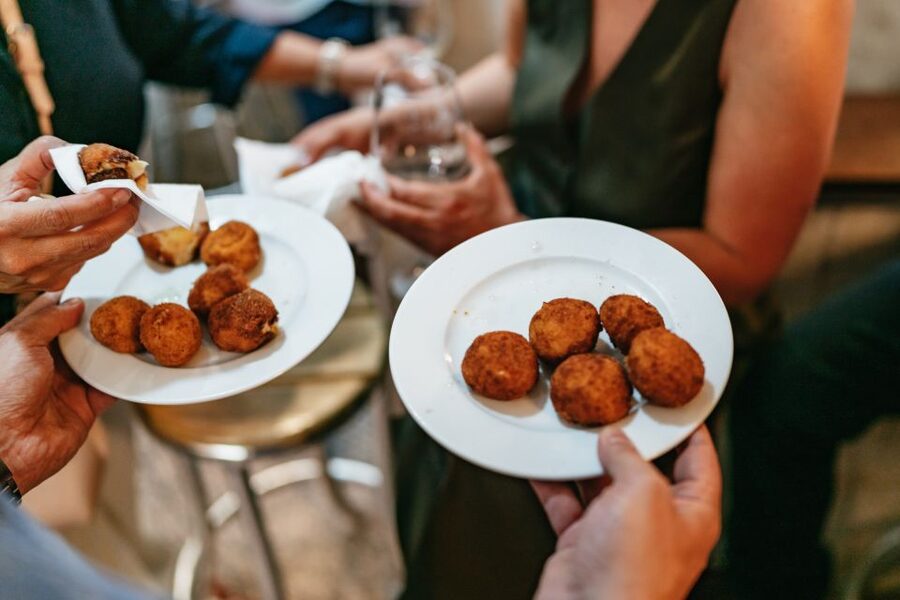
One review note in the provided information mentioned that water wasn’t provided automatically, though water was available if asked. That’s not a dealbreaker, but it’s something I’d plan for.
If you tend to drink water frequently while eating:
- Ask early for water at the first stop.
- Or consider bringing a small bottle with you (within whatever rules the group allows).
The goal is comfort. A tapas crawl is fun when you can keep tasting, not when you’re too thirsty to enjoy the last bites.
Who should book this tapas crawl (and who might not love it)
This tour is a strong match if:
- You’re visiting Madrid for the first time and want tapas culture without guesswork
- You like social travel and meeting people while you eat
- You want a mix of classic flavors plus some variety in the kind of bars you visit
- You have dietary restrictions and want a guide who can coordinate substitutions
It may be less ideal if:
- You want a deep, classroom-style history of tapas with lots of timeline detail
- You’re the type who prefers long, unhurried meals at one restaurant over sampling multiple places
Even then, you’ll still leave full and better oriented. You just might want to ask your guide extra questions if history is your main goal.
Should you book the Madrid guided tapas crawl?
I think you should book it if you want an easy win on your first night: 4 stops, 10–12 tastings, and a house drink at each place, all with a local guide who knows how to keep things fun and flowing.
If you’re unsure, use this decision rule: if you’re excited to sample Spanish tortilla and Iberian ham, try other tapas built around olive oil and pork, and you’re okay walking a bit between bars—this is a smart way to spend 3 hours in Madrid.
If you’re extremely sensitive to walking or you expect water to be always included, plan ahead. Otherwise, it’s the kind of tour that helps you start eating like a Madrileño from day one.
FAQ
How long is the guided tapas tour?
It’s listed as 3 hours.
Where do I meet, and where does the tour end?
You meet outside the apartment entrance by the Alonso Cano elevator subway exit (Line 7), and the tour ends back at the same meeting point.
What’s included in the $81 price?
The tour includes a guide, a tapas bar crawl, 10–12 tapas tastings, and one house drink per location.
Are drinks included, and what kinds might I get?
Yes, drinks are included: one house drink per stop. The information provided mentions options such as beer, wine, vermouth, and sangria.
Is the tour family-friendly?
Yes, it’s listed as child-friendly.
What language is the tour guide?
The tour provides a live guide in English.
Can I get a refund if my plans change?
The information states free cancellation up to 24 hours in advance for a full refund.