REVIEW · PARMA
Laura’s Private Parma Food Tour with Pick Up (no bus)
Book on Viator →Operated by Food and Cooking with Laura · Bookable on Viator
A day in Parma built around the big three. This private, no-bus food tour strings together real production stops so you see how Parmigiano Reggiano, Prosciutto di Parma, and traditional balsamic vinegar actually get made. You also get pickup options arranged by Laura, so you’re not wasting time figuring out trains or parking.
The trade-off: timing matters at the cheese factory. One guest noted they missed an active production moment because of arrival time, so if you want the fullest view, aim for your earliest pickup and show up on time at each stop.
In This Review
- Key highlights worth your attention
- A no-bus private Parma tour built for pace, not lines
- Where you start: Bar Stazione di Parma and the 9:30 am game plan
- Parmigiano Reggiano factory visit: more than watching aging
- Prosciutto e dei Salumi museum: curing, craft, and tasting culture
- Balsamic production at the Consorzio Filiera Aceto Balsamico di Modena
- Sampling, lunch, and why the day feels like food education
- Your guides and the producer connections that make it feel local
- Private car logistics: what you gain (and what you should confirm)
- How to plan your day in Parma (so you don’t feel rushed)
- Is this tour worth $300.37 per person?
- Should you book Laura’s Private Parma Food Tour?
- FAQ
- What time does the Parma trio tour start?
- How long is the tour?
- Is it a private tour?
- Is pickup included, and where can the guide pick me up?
- Where does the tour meet if I’m not using pickup?
- What languages is the tour offered in?
- Are admission tickets included for the stops?
- Is lunch included?
- What happens if the weather is bad?
- Can I cancel for a full refund?
Key highlights worth your attention
- No-bus private format that keeps the day relaxed and flexible for your group
- Three included admission tickets covering a Parmigiano Reggiano factory, a prosciutto producer, and balsamic production
- Pickup where it’s easiest (train station, hotel, or an exit of the motorway, depending on what works best)
- A guide who connects you with producers, including time for questions and tastings
- Lunch at the end that turns the lessons into a proper Parma meal
A no-bus private Parma tour built for pace, not lines
If you hate the idea of bouncing between places on a big coach, this tour is a smart fix. It’s private, so you’re not sharing the schedule with dozens of strangers, and you move through the countryside in a car arranged for your group. That changes the feel of the day: less waiting, more chatting, and more time to actually look at what’s in front of you.
You’re also getting a very practical mix: one long stop for Parmigiano Reggiano, then shorter visits for prosciutto and balsamic. The rhythm is made for learning and tasting, not for speed-walking through gift shops. And since admission tickets are included at the three stops, you’re not hunting for paperwork or extra fees mid-day.
You can also read our reviews of more food & drink experiences in Parma
Where you start: Bar Stazione di Parma and the 9:30 am game plan
The tour starts at 9:30 am at Bar Stazione di Parma, Piazza Carlo Alberto Dalla Chiesa, 13/B, 43121 Parma. That’s useful because it anchors the day to a real place you can find, and it sets expectations for an early start.
Laura offers pickup depending on convenience: the train station, your hotel, or even the motorway exit. In plain terms, this is about shaving stress off your day. If you’re arriving by train (or already staying in Parma), you’ll have an easier path to the first factory than if you were trying to DIY transport at 9:30.
One caution: your whole day runs on punctual logistics. If your pickup is delayed, you can lose time at the first stop—especially at the Parmigiano Reggiano visit where the process may be more active at earlier hours.
Parmigiano Reggiano factory visit: more than watching aging
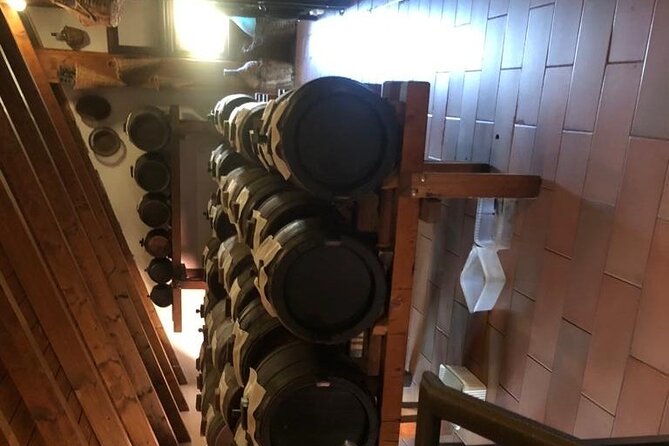
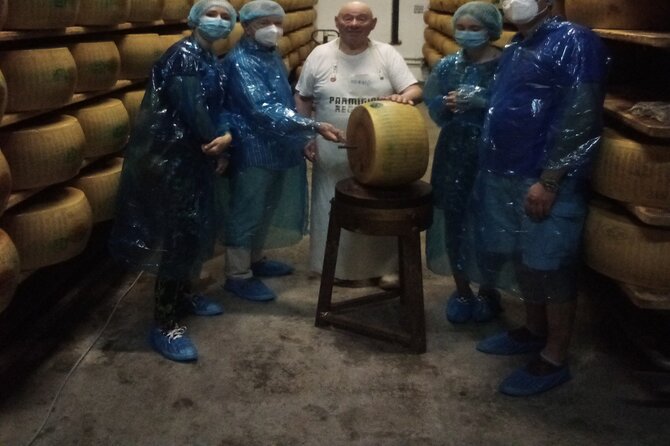
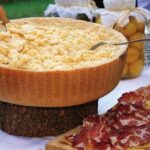
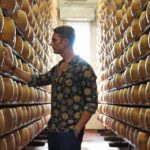
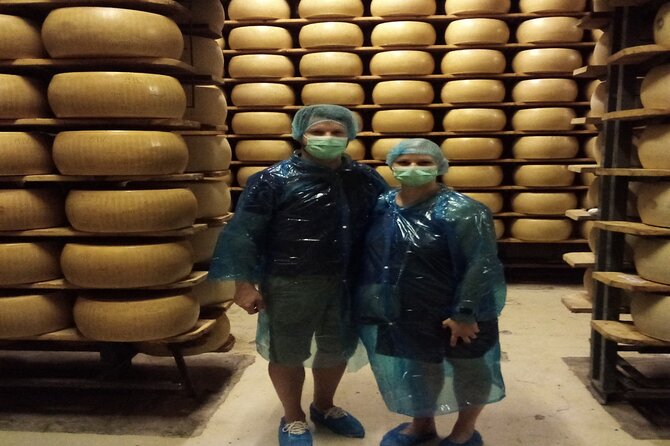
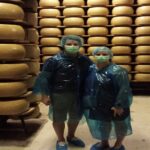
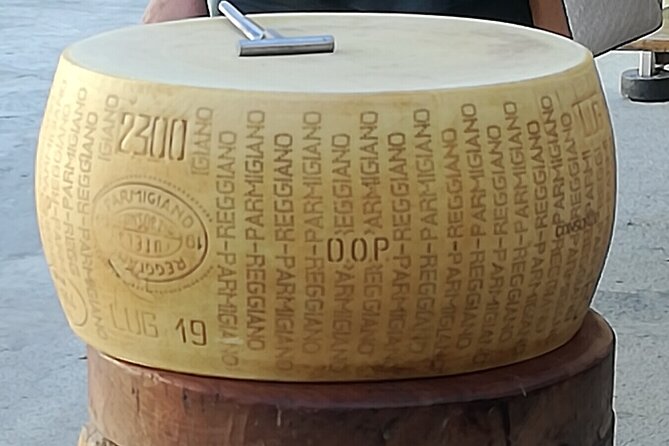
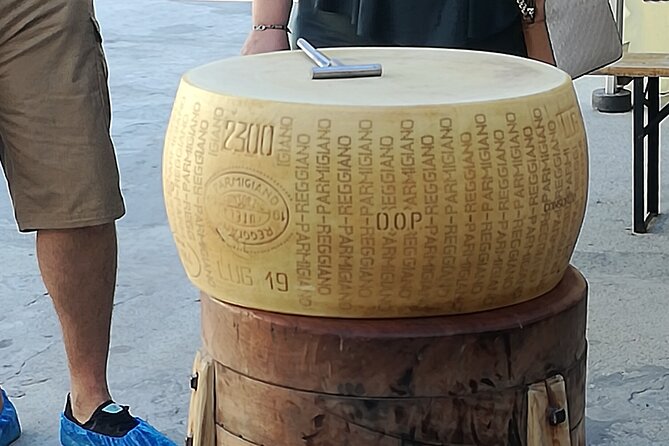
The Parmigiano Reggiano stop is the long one: about 1 hour 30 minutes, with an admission ticket included. This is where you learn how a local product becomes an iconic food system. You’ll see a real Parmigiano Reggiano factory, and you’ll get explanations that make the process feel logical instead of mysterious.
Here’s why this stop hits so well for most people: you’re not just seeing a brand or an artifact. You’re seeing a production line and hearing how timing, technique, and tradition all matter. In one case, a guide was able to bring guests in early enough to witness an active moment in the process. Even if you don’t catch every dramatic step, the factory context helps you understand why the cheese tastes the way it does.
The practical thing to do: if you care about seeing the process in motion, treat the first stop like the main event. Plan for your pickup to be ready, and don’t arrive late to the meeting point. A small delay can shorten what you get to observe.
Prosciutto e dei Salumi museum: curing, craft, and tasting culture
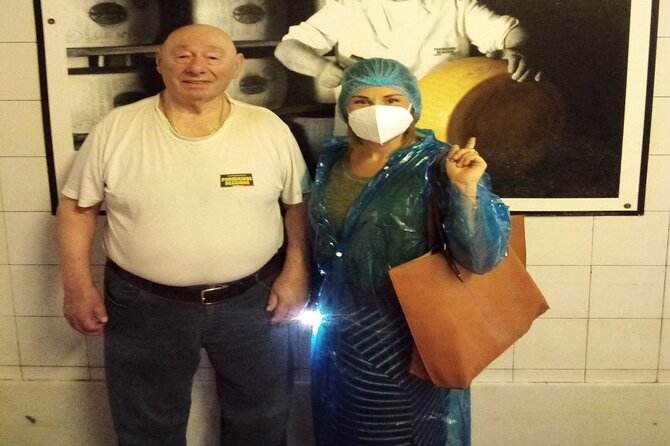
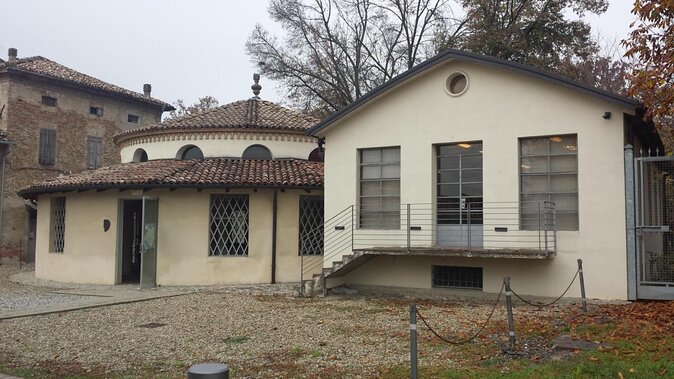
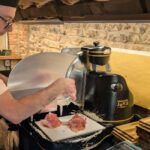
Next comes Museo del Prosciutto e dei Salumi, about 40 minutes with admission included. This isn’t a generic history exhibit. It’s a look at how regional ham and salumi are made, with explanations that connect the dots between ingredients, curing, and the flavor profile you taste later.
This is also a good length for people who want education without fatigue. After an earlier cheese visit, you’re primed to understand what you’re seeing in meat curing, and the pacing keeps you alert. And since tastings are part of the overall experience, the learning has a payoff instead of feeling like “watch and leave.”
What I like about this stop is that it supports your broader goal: understanding why Parma foods are treated as serious food culture, not souvenirs. You start to see how these products earn trust over time—through consistent methods and careful handling—not through marketing.
Balsamic production at the Consorzio Filiera Aceto Balsamico di Modena
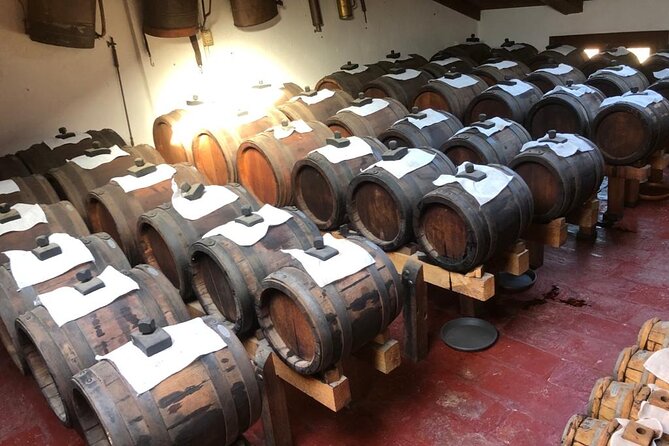
The third stop is Consorzio Filiera Aceto Balsamico di Modena, also about 40 minutes with an admission ticket included. Balsamic vinegar from this region isn’t just something you buy and forget. It’s a controlled process where aging and quality rules are the point, and that’s what you should listen for during the visit.
This is one of the tastiest parts of the day—literally. People often remember the different aged varieties and the way flavor changes with time. In some tours, guests have a favorite surprise, like a much more intense older balsamic than they expected. If you think you know balsamic already, this stop can recalibrate your idea of what counts as traditional quality.
A good strategy: pay attention to how the guide explains acidity, sweetness, and complexity as the ages change. When you understand the logic, you can make better decisions if you want to buy a bottle afterward.
A few more Parma tours and experiences worth a look
Sampling, lunch, and why the day feels like food education
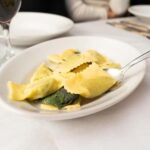
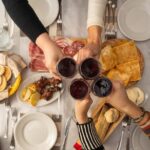
The itinerary is built around production, but the real magic is how it turns into tasting and eating. Across the day, you get samples tied to each stop, and you end with lunch at the prosciutto factory restaurant setting. That matters because it’s when you connect flavors back to what you saw.
I like that the day is designed so you’re not just consuming. You’re learning in the morning, then verifying what you learned at the table. When people say the lunch is a highlight, it usually means it’s not thrown in as an afterthought; it’s part of the experience flow.
Also, the tour is a good match for families and mixed groups. One review even called out that it works for kids because the stops are hands-on and the guide can explain clearly without making it feel like a lecture. If you’re traveling with younger food fans, this kind of structure is often easier than museums that are purely informational.
Your guides and the producer connections that make it feel local
Laura runs the experience and handles the communication side. Several guests mentioned clear, responsive messaging and that she’s willing to help when plans go sideways. One strong example: during a train strike, the team worked to get guests onto one of the few commuter trains still running, and the day continued with minimal chaos.
On the ground, the guide names show up often—Filippo is mentioned repeatedly, along with Tommaso in at least one account. The common thread is that the guides are easy to talk to and good at answering questions, including everyday questions about Italian life. You’re not only learning about food; you’re also learning how local people actually live around these traditions.
One more reason this tour earns loyalty: you tend to visit smaller, producer-focused operations rather than anonymous, industrial stops. When you meet owners and see the care behind production, the products feel earned. That’s the kind of connection that makes it easier to bring a bottle home and feel confident you’re buying something real.
Private car logistics: what you gain (and what you should confirm)
Transport is a big part of the value here. You avoid the hassle of coordinating multiple local rides, and you get a car for the day so you can focus on the route and the stops. It’s not “figure it out on your own,” and that’s especially important if you’re short on time in Emilia-Romagna.
That said, check what matters to you. One guest noted the car could use cleaning, which is a reminder that comfort varies by vehicle and day. It’s not a dealbreaker for most people, but if you’re picky about cleanliness or you’re sensitive to travel comfort, you can ask Laura what to expect for your specific pickup and vehicle.
Also note the earlier point: the car schedule affects the order and timing of production observations. If you want the best chance of seeing process moments, keep your morning tight and confirm your pickup time the day before.
How to plan your day in Parma (so you don’t feel rushed)
This tour runs about 6 hours total. That’s a perfect chunk for a full morning into early afternoon, giving you time to eat, browse, and recover afterward. If you’re arriving by train the same morning, build in extra buffer for getting to Bar Stazione di Parma or meeting the pickup.
If you want to add something extra, there’s evidence the team can accommodate changes, such as adding a vineyard stop when asked. If that’s your style, tell Laura your interests early so she can shape the route without turning the day into a juggling act.
Finally, pair the tour with the rest of your Parma plan. After lunch, you’ll probably be in a buying mood for cheese, ham, and balsamic. Plan a little room in your suitcase and think about how you’ll carry liquids safely.
Is this tour worth $300.37 per person?
Let’s talk value in real terms, not just the sticker price. At $300.37 per person for about 6 hours, you’re paying for three included admissions, a private guide experience, and private transportation with pickup options. You’re also paying for the producer connections: the day is built around specific factories and museums where access and explanations are the point.
For comparison, a DIY day usually costs you more in time than money. If you try to line up factories by yourself, you lose the efficiency of pickup, you risk missing morning production moments, and you lose the context a guide provides. This tour tries to solve those problems in one package.
Where it may not be worth it is if you only want a quick tasting and don’t care about production context. If you want short, casual, low-structure shopping, you’ll likely feel constrained by the schedule. But if you want real Parma food knowledge—cheese, ham, and balsamic from the source—this is the kind of day that earns its cost.
Should you book Laura’s Private Parma Food Tour?
Book it if you want a private, no-bus day focused on how Parma’s big foods are made, with included admissions, samples, and lunch. It’s a strong fit if you care about quality, you like asking questions, and you value a guide who can connect you to producers. It’s also smart for families because the stops are active and the pace is human.
Skip or reconsider if you’re arriving late or you don’t want to commit to an early start at 9:30 am. Also, if car comfort is a top priority, ask Laura what vehicle you’ll use for your pickup.
If your goal is to leave Parma with more than souvenirs—actual understanding and bottles you feel good about—that’s where this tour shines.
FAQ
What time does the Parma trio tour start?
The tour starts at 9:30 am.
How long is the tour?
It lasts about 6 hours.
Is it a private tour?
Yes, it’s private. Only your group participates.
Is pickup included, and where can the guide pick me up?
Pickup is offered. Laura can pick you up at the train station, your hotel, or at the exit of the motorway, depending on what’s most convenient for you.
Where does the tour meet if I’m not using pickup?
The meeting point is Bar Stazione di Parma, Piazza Carlo Alberto Dalla Chiesa, 13/B, 43121 Parma PR, Italy.
What languages is the tour offered in?
The tour is offered in English.
Are admission tickets included for the stops?
Yes. Admission tickets are included for the Parmigiano Reggiano factory, the Prosciutto e dei Salumi museum, and the balsamic production visit.
Is lunch included?
Lunch is included as part of the day.
What happens if the weather is bad?
This experience requires good weather. If it’s canceled due to poor weather, you’ll be offered a different date or a full refund.
Can I cancel for a full refund?
Yes. You can cancel up to 24 hours in advance for a full refund. If you cancel less than 24 hours before the start time, the amount you paid is not refunded.