REVIEW · LOS ANGELES
LA Food Tour: Exploring America’s Culinary Frontier
Book on Viator →Operated by Culinary Backstreets Walks · Bookable on Viator
A city like Los Angeles needs walking to make sense. On this LA food tour you connect Chinatown, Little Tokyo, and Downtown through real storefront meals, with history folded into the bites as you go. I especially like the mix of neighborhoods and the fact you’re mostly on your feet, not herded onto a bus. One thing to weigh: at this price point, you’ll want to come hungry and ready for serious walking time.
The tour runs about 5 hours 30 minutes and caps at 7 people, so the guide can actually answer questions and adjust pacing. Starts at 10:45 am at the Chinatown West Gate, 954 N Hill St, and you end back there. Expect English, a mobile ticket, and a route built for comfort in good weather, since it’s largely outdoors.
In This Review
- Key things that make this tour worth your time
- A Los Angeles food tour built around neighborhoods, not one restaurant
- Price and value: what $175 buys (and what you should look for)
- Start in Chinatown West Gate: the day’s tone is set early
- Calle Olvera and Avila Adobe: old Los Angeles between snacks
- Little Tokyo backstreets: sushi, mochi, and the comfort of focus
- Bradbury Building: a quick sight stop with real pop-culture gravity
- Grand Central Market: one minute, but it points you toward where to eat next
- Walking notes: shoes, appetite, and bathroom timing
- Guides make or break it: why the best part feels personal
- Getting oriented: meeting point and route flow (without the stress)
- Who should book this LA food tour (and who might not love it)
- Should you book this LA Food Tour?
- FAQ
- How long is the LA food tour?
- Where does the tour start, and what time does it begin?
- How many people are in the group?
- What language is the tour offered in?
- Is the tour mostly outdoors, and what should I wear?
- What happens if the tour is canceled due to weather or if minimum travelers aren’t met?
Key things that make this tour worth your time
- Small group (up to 7) keeps the vibe relaxed and your guide’s attention focused.
- Food across multiple neighborhoods means you’re not stuck with only one restaurant’s menu.
- Walking-first pacing helps you see the blocks between stops instead of staring out a window.
- Chinatown + Little Tokyo + Downtown covers LA’s food cultures in one day without doubling back.
- Film-friend stop at the Bradbury Building adds a fun pop-culture pause without hijacking the whole tour.
- You’ll likely cover about 4 miles and should wear comfortable shoes and plan for a big appetite.
A Los Angeles food tour built around neighborhoods, not one restaurant
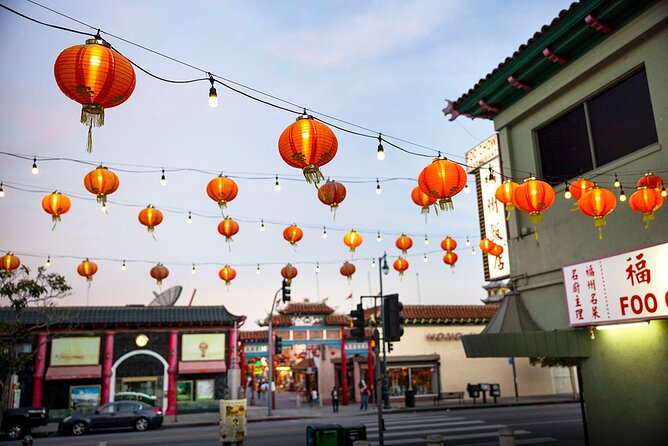
This isn’t the kind of food tour where you spend all your time in a single dining room and call it a day. You’re moving through LA’s culinary frontiers with short stops that change the mood fast: Chinatown energy, Calle Olvera’s old-street atmosphere, Little Tokyo’s Japanese food focus, then Downtown’s civic-market feel.
That matters because it keeps the day from turning into a blur of similar flavors. By the time you reach Little Tokyo, you’re primed to notice what makes each area’s food identity distinct. And because the stops are spread out, the guide can connect what you’re eating to what’s happening around it: immigration patterns, neighborhood evolution, and how businesses build loyal local followings over time.
You can also read our reviews of more food & drink experiences in Los Angeles
Price and value: what $175 buys (and what you should look for)
Let’s talk money honestly. At $175 per person for about 5.5 hours, this is not a budget add-on. The value only makes sense if the format matches what you want: multiple tastes, guided context, and walking through several of LA’s food zones instead of one cluster.
Here’s what supports the value:
- Admission is free at the listed stops, so you’re paying for the experience design, the guide, and the food samples rather than museum tickets or timed entry costs.
- The tour is capped at 7 travelers, which usually means fewer awkward delays and more chances to ask “why this?” while you’re eating.
- You get a guided day that includes food plus history, and the route isn’t random. It’s built to link together the story of LA’s oldest corners with neighborhoods that have grown into major food destinations.
The one caution: if you’ve done other food tours and you mainly want a “great hits sampler” with no cultural walking component, this may feel pricey. If you’re the kind of traveler who enjoys learning while eating, and you want variety, the price starts to make sense fast.
Start in Chinatown West Gate: the day’s tone is set early
Your tour begins at the Chinatown West Gate (954 N Hill St) at 10:45 am. Chinatown is an easy place to “get it” quickly because the streets mix everyday life with shopfront detail and a steady flow of locals. You start here for a reason: it’s one of the clearest places to taste the idea of a neighborhood in change, a culinary renaissance in motion.
The practical win is that Chinatown gives you early momentum. You’ll get your first introductions to foods you might not have tried before, and you’ll also get a sense of how the guide reads the street—what to notice, what questions to ask, and how a business’s story can show up in what it serves.
Possible drawback: Chinatown can be busy and sensory-heavy. If you’re sensitive to crowds or want a super quiet morning, you may need to pace yourself with water and slow down during the busiest blocks.
Calle Olvera and Avila Adobe: old Los Angeles between snacks
Next you stroll to Calle Olvera, described as LA’s oldest street and the historical birthplace of the city. You’ll spend about 25 minutes here, which is just long enough to absorb the vibe without getting stuck in tourist-only mode. The goal is to connect food to place: how neighborhoods start, how identity gets layered over time, and why some streets become symbols even as the city grows around them.
Then you stop at Avila Adobe, considered LA’s oldest residence, with about 30 minutes set aside. This is the kind of stop that works well on a food tour, because it gives your brain a reset between taste moments. It also gives context for the “frontier” idea behind the whole tour: LA didn’t develop as a single finished product. It grew by waves, and those waves show up in what people cook and sell.
What to expect: you’ll be walking, looking, and learning in short bursts. What to watch for: if you’re expecting long museum-style time, you won’t get that here. This route is designed for food-forward pacing, not deep standalone sightseeing.
Little Tokyo backstreets: sushi, mochi, and the comfort of focus
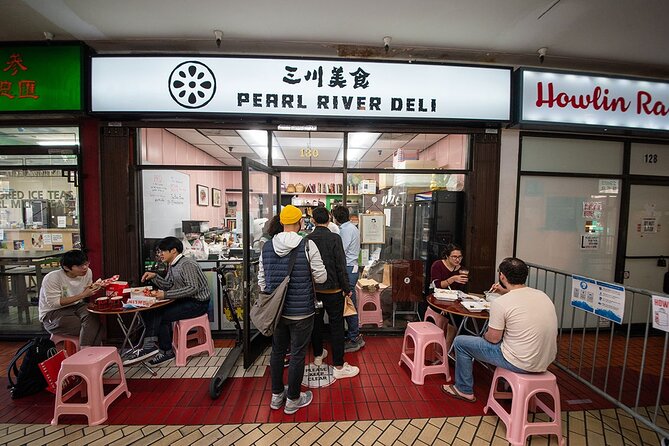
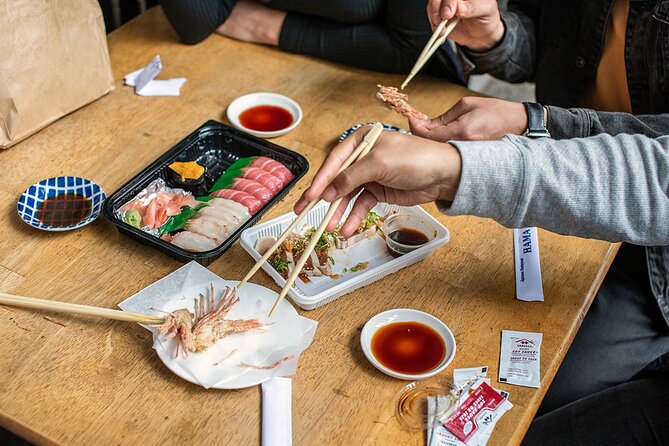
Then the route shifts into Little Tokyo, where you head into pedestrian-friendly backstreets to sample some of the most authentic Japanese food in America. This is one of the tour’s strongest segments because it’s focused: you’re in one neighborhood with one culinary identity, so the tastes feel connected rather than scattered.
You’ll spend about 1 hour here, and the food mentions are specific: sushi and artisanal mochi are on the radar. Even if you don’t eat every bite, the point is that you’re trying multiple items that help you understand the texture and ingredient choices that define Japanese desserts and small plates.
I like this kind of stop because it’s a useful reality check. Many people think they know Japanese food from one restaurant back home. Here, you get a chance to taste how variety shows up in a neighborhood that’s built around it.
Small but important consideration: mochi and seafood options may not fit every dietary need. The tour data doesn’t list dietary accommodations or substitutions, so if you have strong restrictions, it’s worth confirming before you book.
A few more Los Angeles tours and experiences worth a look

Bradbury Building: a quick sight stop with real pop-culture gravity
After Little Tokyo, you move toward the Bradbury Building for about 25 minutes. This is where the tour adds a fun detour: the building is described as a key setting for Blade Runner.
This stop is short, but it’s smart. It gives your legs a change of pace while still keeping the day anchored in Downtown’s character. And it’s especially good if you’re the kind of traveler who enjoys a visual landmark without turning the tour into a checklist day.
What you’ll likely enjoy most: the building’s presence and the chance to connect LA’s built environment to the way pop culture borrows it. If you’re not a Blade Runner fan, you can still enjoy it as historic Downtown architecture and a convenient break between food stops.
Grand Central Market: one minute, but it points you toward where to eat next
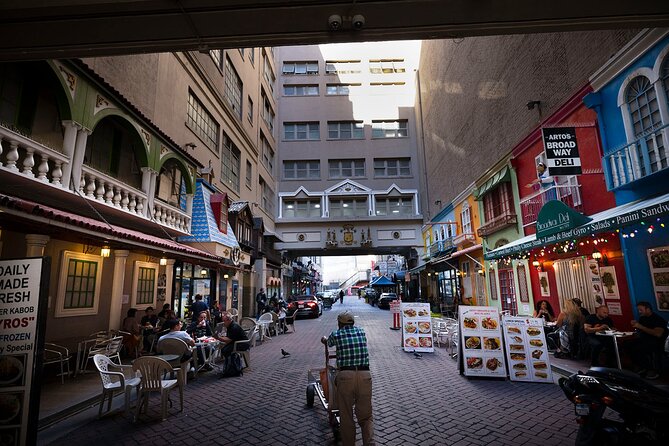
Then comes Grand Central Market, one of Downtown LA’s big civic food centers. The listed time is brief (about 1 minute), so don’t expect a long sit-down tasting here. Instead, think of it as a “gate opens, you sample or choose quickly, then you move on” stop.
Why it’s valuable anyway: Grand Central Market is the kind of place that teaches you how LA eats when nobody’s scheduling a guided tour. Even with a quick stop, you’ll likely leave with a better sense of where to return later for more of what you liked. It’s like tasting the city’s food network rather than just a few plated items.
Because the time is short, this is a stop where you’ll benefit from staying focused on the guide’s instructions and being ready to taste quickly. If you like me, you’ll be glad you didn’t wander off and miss the chance.
Walking notes: shoes, appetite, and bathroom timing
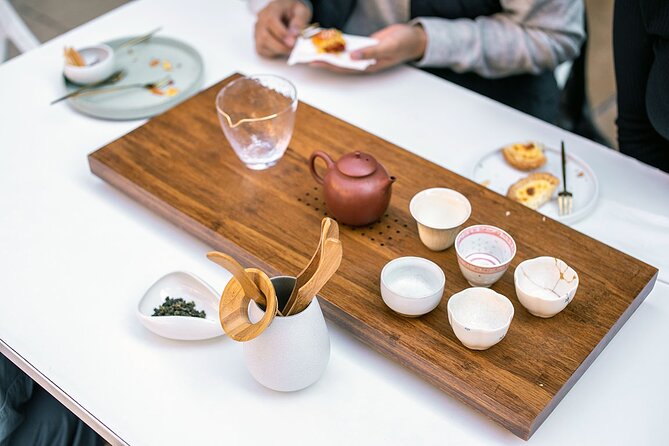
This is a walking tour with a serious step count. One review mentioned about 4 miles, and even if your pace ends up slightly different, plan for a solid half-day on your feet. Wear comfortable shoes. That’s not “nice to have” advice. It’s the difference between enjoying the route and spending your afternoon wincing.
Another helpful detail from the experience style: guides are prepared to include clean bathroom stops along the way. That matters on a long loop through several districts. You’ll also want to pace your eating. The tour is built so you sample across multiple stops, which means you won’t feel like you’re eating one huge meal and then waiting hours for dessert.
Also: you should come hungry. The tour is designed to feed you multiple times, not just give you one small taste moment.
Guides make or break it: why the best part feels personal
A big reason this tour earns such high marks is how guides bring both food and place to life. I love when a guide can explain the why behind what you’re tasting, not just list what’s on the menu.
In the tour experience, guides like Jannine and Ulysses show up with that exact style: warm, attentive, and focused on making sure the group stays comfortable. One of the standout notes in the feedback is that the guides pay attention to small group dynamics—so if you’re traveling as a small set, you’re not just one more face in a crowd.
For you, that translates into a better day: you’ll feel free to ask questions, and you’ll get more than the generic “this is popular” type of commentary.
Getting oriented: meeting point and route flow (without the stress)
The meeting point is Chinatown West Gate, 954 N Hill St and the tour ends back at the same place. The area is served by public transportation, so you should have an easy time getting there without needing to drive.
You also get a mobile ticket, which is ideal for travel days when you don’t want to manage extra paperwork. The tour is offered in English, and it’s designed so most travelers can participate.
If you’re building a schedule around this day, starting at 10:45 am means you can still enjoy the rest of the afternoon, but you’ll want to keep it light. Think “post-tour stroll” rather than “full museum marathon.”
Who should book this LA food tour (and who might not love it)
This tour fits best if you:
- Want to try foods you might not order on your own
- Like mixing history and tasting instead of choosing one only
- Prefer walking and neighborhood wandering over bus travel
- Enjoy a curated route through Chinatown → Calle Olvera/Avila Adobe → Little Tokyo → Downtown
You might skip it if you:
- Have limited mobility or struggle with longer walks (it’s not an all-stops-in-vehicle route)
- Are on a very strict diet and need guaranteed substitutions (the provided details don’t promise customization)
- Want a low-cost food hit-and-run rather than a guided, structured half-day
Should you book this LA Food Tour?
If you want a guided day that makes Los Angeles feel like a connected set of neighborhoods—and not just a list of restaurants—then I think this is a strong pick. The small group size, the mix of Chinatown and Little Tokyo with Downtown landmarks, and the focus on tasting rather than sitting all day are a good combination.
Book it when you’re ready to walk, eat, and learn in short bursts. Skip it when you’re looking for a gentle, minimal-footprint experience or you’re hoping most stops will be optional freebies instead of real tastings.
FAQ
How long is the LA food tour?
It’s approximately 5 hours 30 minutes.
Where does the tour start, and what time does it begin?
It starts at Chinatown West Gate, 954 N Hill St, Los Angeles, CA 90012 at 10:45 am and ends back at the meeting point.
How many people are in the group?
The tour has a maximum of 7 travelers.
What language is the tour offered in?
The tour is offered in English.
Is the tour mostly outdoors, and what should I wear?
The experience is weather-dependent and is designed as a walking tour, so you should wear comfortable shoes and plan for good weather.
What happens if the tour is canceled due to weather or if minimum travelers aren’t met?
If it’s canceled due to poor weather, you’ll be offered a different date or a full refund. If the minimum number of travelers isn’t met, you’ll also be offered a different date or a full refund.
If you want, tell me your dietary needs and what kind of food you usually go for, and I’ll help you decide if the Chinatown + Little Tokyo + Downtown flow fits your style.