REVIEW · CINCINNATI
Ethnic Food Tour in Over the Rhine with Riverside Food Tours
Book on Viator →Operated by Riverside Food Tours LLC · Bookable on Viator
Over-the-Rhine smells like a history lesson. This 3-hour ethnic food tour with Riverside Food Tours takes you through Cincinnati’s Over-the-Rhine area, mixing food samples with neighborhood stories you’d miss on your own.
I especially like the small-group pacing. A max group size of eight (and up to 12 travelers listed for the experience) keeps things relaxed, and the food comes without turning the walk into a sprint. I also love the guide-led history, with standouts like Jackie, Laura, and Terry who bring the area to life through facts, architecture, and food backstories.
One drawback to plan for: this tour does not work for many dietary needs. There are no special accommodations for gluten-free, vegan, lactose-free, low-carb, diabetes, nut allergies, or other restrictions, and you’ll cover 45–60 minutes of walking in most weather.
In This Review
- Key things to know before you go
- Why Over-the-Rhine is the perfect setting for an ethnic food tour
- Price and value: what $99 buys in real food calories
- Your group size affects the whole experience
- Stop 1: Washington Park and the neighborhood’s surprising origin story
- Stop 2: Cincinnati Music Hall and the German immigrant connection
- Stop 3: Strolling the Over-the-Rhine streets with food-history context
- Stop 4: Central Parkway and the plan that never fully happened
- Stop 5: ArtWorks Creative Campus and the murals that explain people and place
- Stop 6: the end with a streetcar map and how to keep exploring
- The food: what you can expect from the included lunch
- Dietary restrictions: who should book and who should rethink it
- What the reviews consistently get right about the guide
- Is this tour worth it for different types of travelers?
- Should you book this ethnic food tour of Over-the-Rhine?
- FAQ
- How long is the Ethnic Food Tour in Over the Rhine?
- Where does the tour start?
- What time does the tour begin?
- Is the tour walkable for most people?
- How many people are on the tour?
- What’s included in the lunch?
- Are admissions included for all stops?
- Do they offer a vegetarian option?
- What dietary restrictions can they accommodate?
Key things to know before you go
- Small-group vibe: easier conversation, faster meals, and less waiting while you sample.
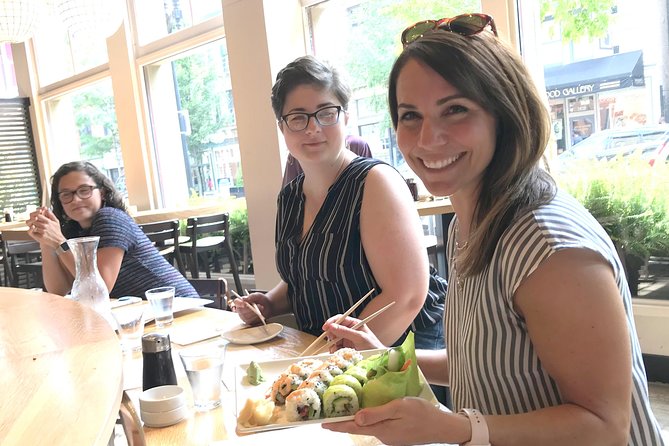
- A real lunch spread: multiple international stops, not just a couple of bites.
- Guide stories you can use later: history, murals, and why Over-the-Rhine developed the way it did.
- Mural stop with payoff: ArtWorks Creative Campus adds color and context, not just photos.
- Streetcar help at the end: you get a map and tips to keep exploring on your own.
Why Over-the-Rhine is the perfect setting for an ethnic food tour
Over-the-Rhine is one of those Cincinnati neighborhoods where the streets teach you something if you pay attention. You get a mix of old-world immigrant roots, big cultural venues, and public art—all close enough to walk and snack.
This tour uses that geography well. Instead of bouncing randomly across town, it keeps you in one area so the food stops feel connected. You’ll start in a park built on earlier burial grounds, pass major music-and-arts landmarks, and then keep moving through streets shaped by German immigrant history.
And you get a simple promise: you’ll eat. The included meal includes multiple types of food and sweet finishers, so the tour feels like a planned lunch rather than an expensive set of crumbs.
You can also read our reviews of more food & drink experiences in Cincinnati

Price and value: what $99 buys in real food calories
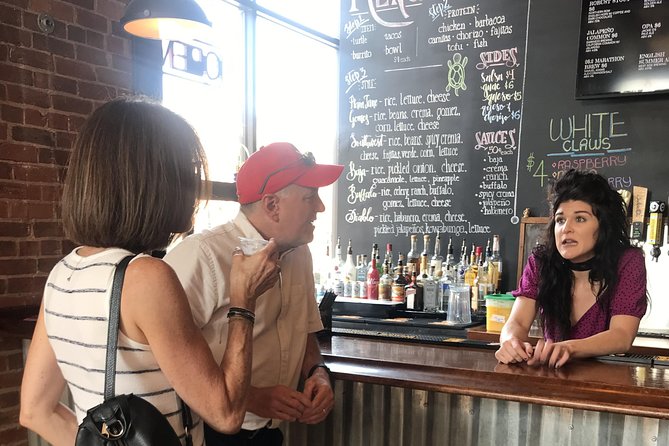
At $99 per person for about 3 hours, the value is mostly about the structure. You’re paying for a local guide, organized stops, and the convenience of not having to figure out where to go and what to order.
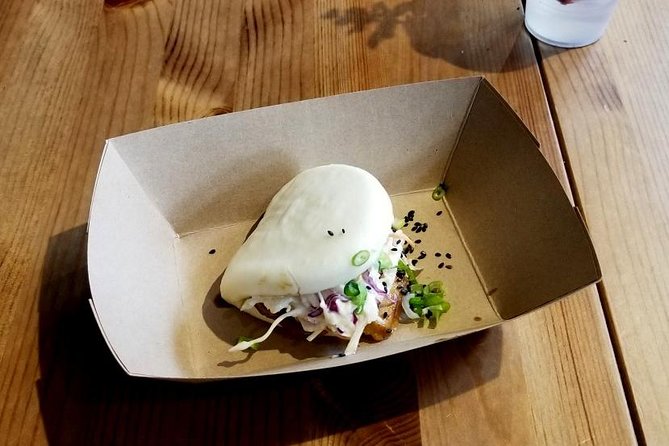
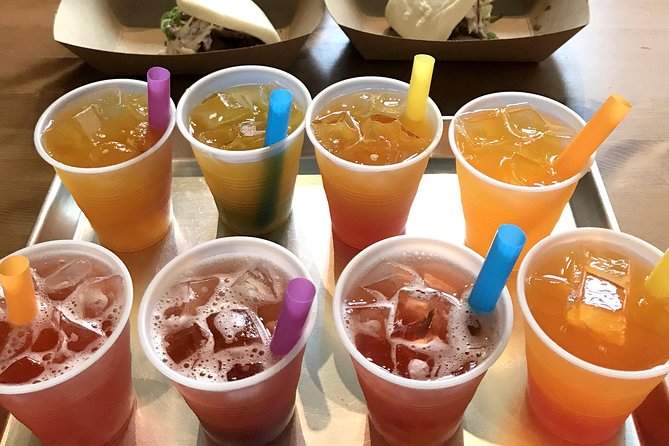
The included lunch items are a big clue that this is designed to feed you: steamed buns with pork BBQ, bubble tea, okonomiyaki, tacos, Lebanese pitas, and French macarons. That’s a lot of variety packed into one afternoon, and it’s exactly the kind of mix that helps you understand why Cincinnati’s food scene looks the way it does.
Another value win: the tour is built for low friction. Reviews often highlight that it stays on time with little waiting. When a food tour runs smoothly, you spend less energy standing around and more energy eating and talking to your guide.
Your group size affects the whole experience
Small-group tours only matter if they change how you feel while you’re walking. Here, they do.
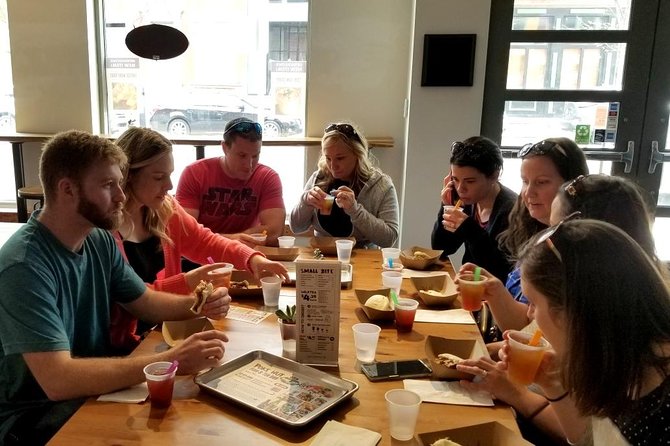
With a maximum of eight people emphasized, and a cap of 12 listed for the activity, you’re not stuck in a huge pack. That means you can ask questions, and the guide can adjust pacing when the group needs a slower moment (or an extra minute to finish a tasting).
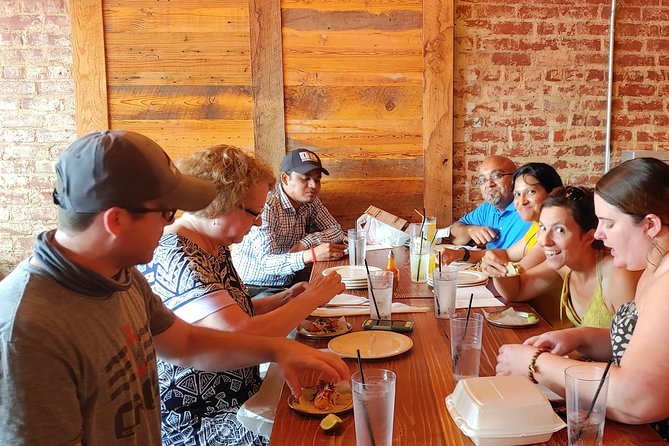
It also makes the social side easier. One of the most consistent notes from the reviews is how much people enjoyed interacting with other attendees and how organized everything felt. That combination—friendly group energy plus a guide who keeps the flow—makes the tour a good choice for both couples and families.
Stop 1: Washington Park and the neighborhood’s surprising origin story
You begin at Washington Park at 1230 Elm St, Cincinnati (start time 12:00 pm). The park is about an easy start: scenic, public, and right in the Over-the-Rhine neighborhood.
It’s also a clever first stop because it frames the whole neighborhood. You’ll hear that the area was originally cemeteries, then acquired by the city in the mid-1800s and turned into a Victorian-style park. That kind of origin story matters because it explains why the neighborhood feels layered—old routes, old uses, then newer reinvention.
The park today hosts over 300 events annually, including live music, public markets, outdoor fitness classes, and kids’ activities. Even if your tour is not the event day, you’ll get a sense of how active the community is now.
Watch-out: it’s still a park. If weather is rough, you’ll want decent footwear and a jacket. The tour operates in all weather, and you’ll keep moving.
Stop 2: Cincinnati Music Hall and the German immigrant connection
Next up is Cincinnati Music Hall, a major landmark built in the mid-1800s by German immigrants. It’s known for a haunted past, and it’s also a workhorse venue today, home to the Cincinnati Ballet, Cincinnati Symphony Orchestra, Cincinnati Opera, May Festival Chorus, and Cincinnati Pops Orchestra.
This stop works because it’s not just a photo-op. It links the German immigrant story you’ll hear throughout the tour to something very public and very central to Cincinnati culture: live performance.
One practical note: Cincinnati Music Hall has admission listed as not included. That means you might not be going inside on the tour model, and you should think of this as a brief stop for context and orientation.
Tip: If you’re a visual person, take a moment here to look around. Architecture and public spaces are a big part of the tour’s overall lesson.
Stop 3: Strolling the Over-the-Rhine streets with food-history context
After the music hall, the tour shifts into pure neighborhood walking. You’ll stroll through the heart of Over-the-Rhine past local shops and restaurants while hearing stories about German immigrants and how their presence shaped what came next.
This is the most important “connector” stop. The tour uses it to connect the dots between place and plate. Instead of treating each tasting like a standalone item, the guide ties it to the area’s development and culture.
For you, the benefit is mental. When you understand why a neighborhood looks and tastes the way it does, you start making better choices later. You’ll likely find yourself looking at menus differently after you get that local context.
Possible drawback: This part can feel like a lot of walking before the next taste. The good news is the overall route keeps meals planned and you’ll still feel like you’re eating your way through the neighborhood, not just touring it.
Stop 4: Central Parkway and the plan that never fully happened
You’ll pause at Central Parkway, one of Cincinnati’s major parkways in a citywide plan envisioned in 1907 by George Kessler. The route followed the former Miami & Erie Canal line, and development was tied to a rapid transit railway.
Here’s the part that’s fun to hear on foot: the railway was planned to run in a tunnel created in the old canal bed, but the subway project was abandoned mid-construction and never completed.
This stop might look like “just another road” if you’re passing through. On the tour, it becomes a story about how cities plan big, change their minds, and leave behind clues in the street layout.
Why this matters: it helps you read the neighborhood. After you hear about plans that were stopped or altered, you start noticing why things are arranged the way they are.
Stop 5: ArtWorks Creative Campus and the murals that explain people and place
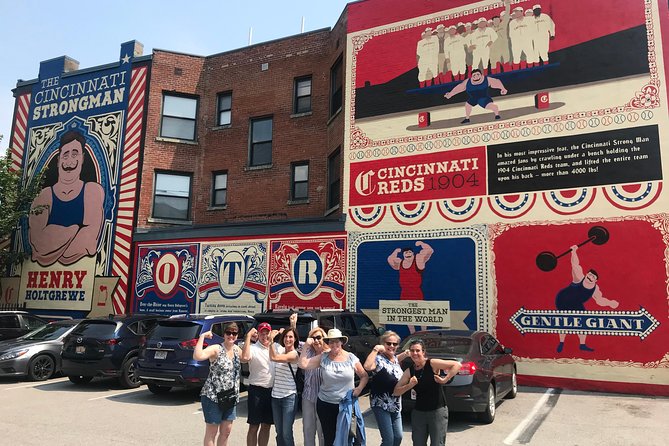
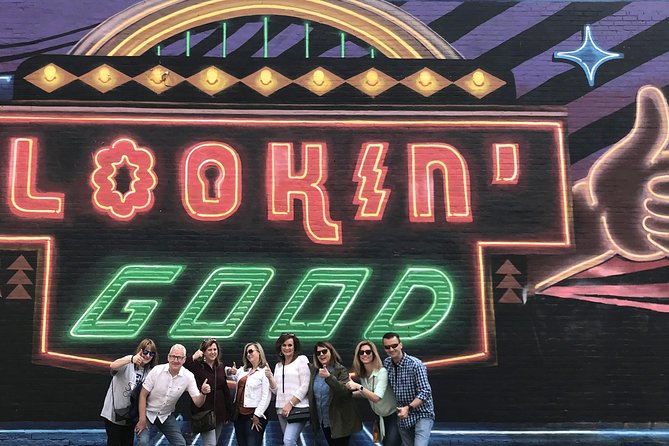
Cincinnati is known for murals, and this tour makes murals useful instead of just decorative. At ArtWorks Creative Campus, your guide points out colorful outdoor murals with unique stories behind each one.
This is a highlight for many people because it adds color and human detail. You’re not only learning about immigrants and venues; you’re also learning about famous residents, places, and moments the murals reference.
Even if you love taking photos, don’t just shoot and go. Slow down here for a few seconds. The stories are what turn the mural wall into an actual lesson.
Stop 6: the end with a streetcar map and how to keep exploring
The tour ends back at the meeting point and includes a helpful wrap-up: even though it’s a walking tour, you’ll receive a streetcar map and tips for using the free Cincinnati Streetcar if you want to continue your day.
That’s a smart finish because it gives you a way to extend what you learned without forcing you to plan from scratch. After a neighborhood tour, the biggest time-waster is guessing how to get around next.
From there, you’re set up to browse on your own—especially in Over-the-Rhine, where you’ll likely notice more places you’ll want to try after the tour.
The food: what you can expect from the included lunch
The included lunch is a mix of flavors from multiple traditions, and the variety is the point. Expect dishes like:
- Steamed buns with pork BBQ
- Bubble tea
- Okonomiyaki
- Tacos
- Lebanese pitas
- French macarons
This selection is a good match for an ethnic food tour because it covers different styles of comfort and snack foods. You don’t just get one cuisine repeated in different forms. Instead, you sample across regions, which makes the tour feel like a cultural sampler rather than a single-theme meal.
Practical advice: show up hungry. Even with frequent stops and a relaxed pace, you’re looking at multiple tastings plus a meal-like flow. If you snack heavily beforehand, you’ll miss the fun of tasting enough to compare.
Dietary restrictions: who should book and who should rethink it
This tour says a vegetarian option is available if you advise at booking. That’s a plus.
But if you have broader dietary restrictions, you need to know the limits upfront. The tour cannot accommodate nut allergies, food allergies, low carb, diabetes, gluten-free, vegan, lactose-free, or similar restrictions listed as not accommodated.
So, this is best for people who can eat a standard mix of ingredients. If you’re not sure whether your needs are covered, check directly before booking.
Also remember: the tour runs in all weather. Pack for rain or cold, and keep your shoes comfortable for 45–60 minutes of walking.
What the reviews consistently get right about the guide
Even without seeing the behind-the-scenes, you can tell the guide quality is part of what makes this tour land so well.
Names like Jackie, Laura, and Terry show up repeatedly in the reviews, and the themes are consistent: the guides are personable, the history feels tied to what you’re eating, and the whole thing stays organized and on time with minimal waiting.
One useful takeaway for you: the guide doesn’t just recite facts. People mention that the stories make the neighborhood feel real and that the food-history connection makes it memorable. If you like tours where the guide helps you understand the city instead of just moving you from stop to stop, this is likely a good fit.
Is this tour worth it for different types of travelers?
If you’re visiting for the first time, this tour is a strong way to get oriented fast. You’ll learn what Over-the-Rhine is and why it developed the way it did, and you’ll do it while eating a real spread.
If you’re local and want a “tourist in your own town” afternoon, it’s even more useful. The history behind parks, the meaning of street layout changes, and mural stories add context you’d miss while running errands or grabbing dinner.
Families can enjoy it too, especially with the small group size and the fact that many stops are outdoors. Just plan for walking time and dress for weather.
Should you book this ethnic food tour of Over-the-Rhine?
Book it if you want a focused Cincinnati experience that combines food, neighborhood history, and a guided path through Over-the-Rhine’s major landmarks. The included lunch is varied and substantial for $99, and the small-group setup helps it stay relaxed.
Skip or double-check if you need specific dietary accommodations beyond a vegetarian option, or if you’re not comfortable with 45–60 minutes of walking in mixed weather. Also consider that Cincinnati Music Hall admission is not included, so don’t expect a long interior stop.
If you can eat a standard menu and you enjoy stories that connect streets to food, you’ll likely have one of the most rewarding afternoons in Cincinnati.
FAQ
How long is the Ethnic Food Tour in Over the Rhine?
It lasts about 3 hours.
Where does the tour start?
The tour starts at Washington Park, 1230 Elm St, Cincinnati, OH 45202.
What time does the tour begin?
The start time is 12:00 pm.
Is the tour walkable for most people?
Yes. The tour includes 45–60 minutes of walking.
How many people are on the tour?
The tour is described as small-group, with a maximum of eight people, and the activity lists a maximum of 12 travelers.
What’s included in the lunch?
Included tastings include steamed buns with pork BBQ, bubble tea, okonomiyaki, tacos, Lebanese pitas, and French macarons.
Are admissions included for all stops?
Washington Park, Over-the-Rhine stroll, Central Parkway, ArtWorks Creative Campus, and the Cincinnati streetcar-related end are free. Cincinnati Music Hall admission is not included.
Do they offer a vegetarian option?
Yes, a vegetarian option is available if you advise them at booking.
What dietary restrictions can they accommodate?
The tour cannot accommodate nut and food allergies, low carb, diabetes, gluten free, vegan, lactose free restrictions, or other similar limits listed.