REVIEW · ADDIS ABABA
Ethiopian Culinary Tour – Market, Food, Coffee Ceremony & more
Book on Viator →Operated by myGuzo · Bookable on Viator
A morning in Addis can feel like a whirl. This food-focused day threads through Merkato spice chaos, injera hands-on learning, and a traditional coffee ceremony, all with pickup and lunch included. I like the mix of sensory market time and real food practice, and I especially like the stop at Taitu Hotel for a proper Ethiopian meal. One thing to plan for: the markets can be crowded and a bit loud, so wear comfy shoes and keep your expectations flexible.
You’ll spend most of the day with local food rhythms—spices, bread, coffee, and honey wine—without needing a map or guessing what to try. It’s also short enough (about 5–6 hours) that it fits neatly into a tight Addis schedule.
In This Review
- Key things that make this tour worth your time
- Addis Ababa’s markets are the shortcut to real food culture
- Walking Merkato and the spice stalls: what to watch for
- Making injera: hands-on learning with a big payoff
- Lunch at Taitu Hotel and a Piassa-style break
- Sululta coffee ceremony: washing, roasting, and honey wine
- Tomoca Coffee stop: taste and take home beans
- Price and value: what your $85 actually covers
- Logistics that matter on a day like this
- Who this tour fits best (and who might prefer another plan)
- Should you book this Ethiopian Culinary Tour?
- FAQ
- How long is the Ethiopian Culinary Tour in Addis Ababa?
- What’s included in the price?
- Do I get to participate in making injera?
- Is honey wine included?
- Do I get coffee at any point?
- Where is lunch served?
- What’s the group size?
- How does pickup work in Addis Ababa?
Key things that make this tour worth your time
- Merkato + spice-market focus: you’ll see produce and spices in one of Africa’s largest open-air markets and learn what matters on the shelf
- Injera-making workshop: you get guided help with the traditional Ethiopian bread process, not just a quick tasting
- Taitu Hotel lunch: you eat at Ethiopia’s oldest hotel, a satisfying break from street-level walking
- Sululta coffee ceremony + honey wine tasting: you watch the coffee process and sip honey wine as part of the ritual
- Tomoca Coffee stop: you can taste coffee and pick up roasted or ground beans as souvenirs
- Pickup and drop-off in Addis: the logistics are handled, which makes a market-heavy day less stressful
Addis Ababa’s markets are the shortcut to real food culture
If you want the fast lane to Addis Ababa’s everyday life, start with the markets. This tour does that on purpose: it moves you from the produce bustle into the spice world, then back out into neighborhoods where you can connect what you’re eating with what you’re seeing.
I love that the day isn’t only about eating. You’re also learning how Ethiopians shop, what ingredients drive flavor, and why coffee ceremonies aren’t just a drink—they’re part of hosting and routine. And because the route is built around major market areas like Atkilt Tera and Merkato, you get a concentrated dose of the city in one morning-to-afternoon block.
One practical note: Addis markets can move fast. Even with a guide, you’ll want to keep your phone secured and your attention up. If you tend to get overwhelmed in crowded spaces, I’d still do this—just go in with the mindset that it’s a busy place on purpose.
Walking Merkato and the spice stalls: what to watch for
Your market time is split into two big experiences. First you’ll head to Atkilt Tera, between Piassa and Merkato, described as the largest vegetable-and-fruits open market in Ethiopia. This matters because it sets the “food logic” of the day: you see the raw ingredients before you’re surrounded by the seasonings.
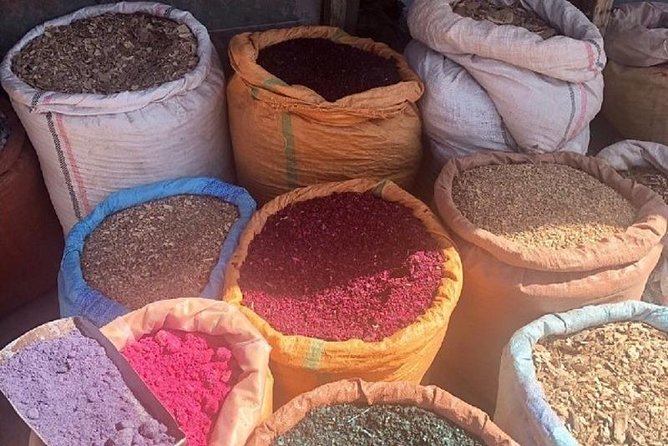
Then you move into Merkato Market, including the spices section inside the larger open-air market. This is the part I think you’ll remember most—spice colors, strong aromas, and the sheer variety. You’re not just walking for photos; you’re being guided through what’s sold and why it shows up in Ethiopian cooking.
What I recommend doing while you’re there:
- Pause when your guide stops at a stall. That’s often when the explanation turns practical—what to buy, what it’s used for, and how it’s recognized.
- Smell before you decide. In spice markets, your nose tells you what your eyes can’t.
- If you want souvenirs, ask about options. The day later includes a coffee stop where buying roasted or ground coffee is easy, so you don’t have to force it in the spice stalls.
Also, don’t assume “market” means only shopping. Think of it as the classroom. You’ll come away with a clearer sense of what Ethiopian meals are built on: bread and sauces that are deeply flavored, supported by spice mixes and fresh produce.
Making injera: hands-on learning with a big payoff
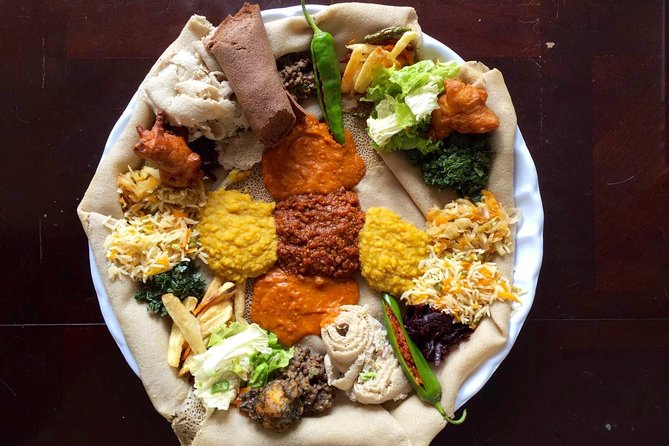
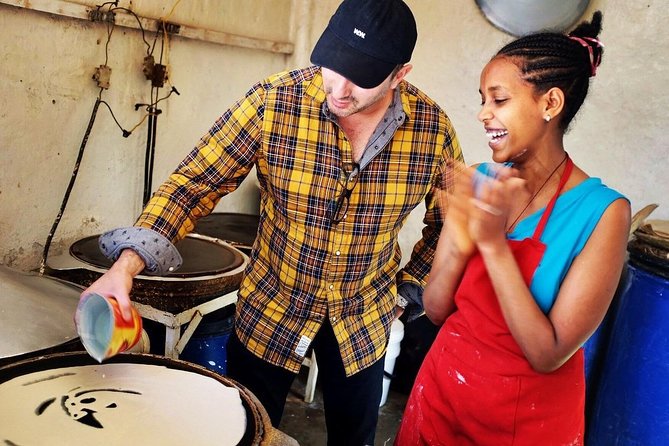
After the market, the tour shifts from street-level chaos to something calmer but still active: injera. You’ll meet a group of women who lead you through making the bread. That’s a key difference between a food tour and a food lesson. Injera isn’t difficult in theory, but it’s very specific in practice—your technique changes the result, and the workshop setting helps you understand why.
You can expect a guided process that typically includes seeing the ingredients and then trying your hand at the bread-making steps. The best part is that you don’t just watch. You participate. And yes, it can be a little funny—your first attempts may not look like a restaurant plate, but that’s part of the value. You’ll leave with real context for how injera becomes the base of so many Ethiopian meals.
A drawback to be aware of: this is a working food experience. Plan for mess and heat, and don’t wear your most delicate clothes. Bring a light layer you’re okay with getting dusted.
What you’ll gain:
- Confidence to order injera in Addis without feeling lost
- A clearer sense of why Ethiopian meals feel cohesive—everything builds around the bread
- A new skill you can explain to friends at home
Guides named in past tours—like Abiy, Desale, Zerefa, Samuel, and Emmanuel—have been praised for making the day practical and easy to follow, especially in English. That matters here: you want the workshop to feel like coaching, not like a script you can’t connect to.
Lunch at Taitu Hotel and a Piassa-style break
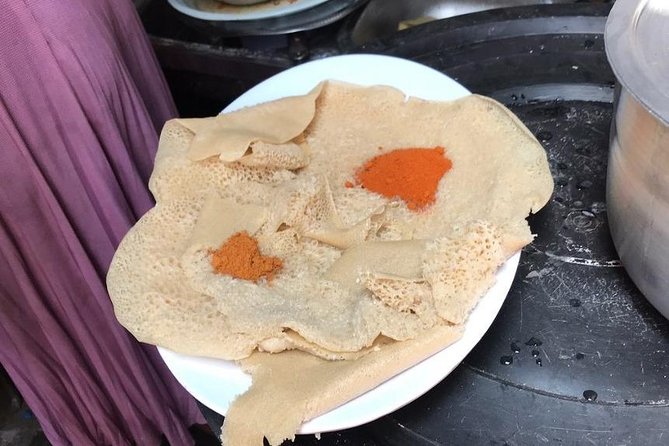
Once you’ve walked and cooked (at least with your hands), you’ll need a proper sit-down. Lunch is at Taitu Hotel, described as Ethiopia’s oldest hotel. Eating here gives you two benefits at once. First, it’s a comfortable pause in a long day. Second, it’s a chance to feel Addis through a landmark that’s tied to the country’s hospitality story.
Your meal is a buffet style where you sample different Ethiopian dishes. Lunch also includes a bottle of water plus hot drinks, which is a big “quiet win” on a day that includes lots of walking and coffee smells.
After lunch, you’ll get sightseeing time in Piassa. This is useful even if you’re not chasing museums. Markets and bread are great, but a bit of neighborhood context helps you connect the dots: where the food culture happens, and how the city moves around it.
If you’re planning your day around this tour, I’d treat it as the anchor. Everything else—markets, bread, coffee—supports the lunch break by giving you time to reset. And in real life, that’s what makes the day feel doable.
Sululta coffee ceremony: washing, roasting, and honey wine
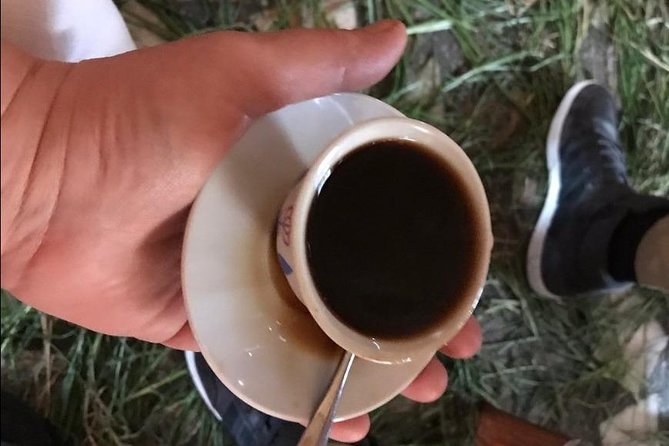
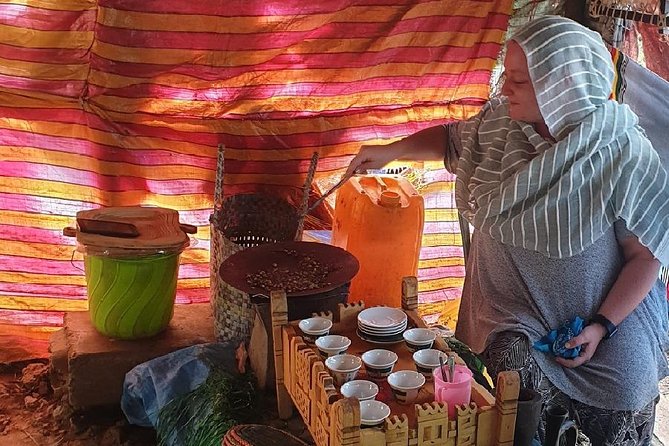
The coffee ceremony in Sululta is where the tour becomes more than “eat and shop.” You’ll spend about two hours in a mountain village setting for a full-style coffee experience.
What you can expect:
- Coffee beans are washed as part of the ceremony
- The beans are live roasted
- You then enjoy a cup brewed through the process you just watched
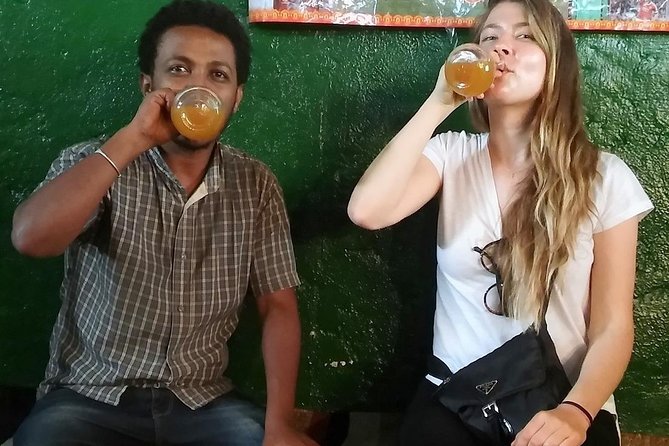
- You also learn about honey wine (teji-style honey wine), including the process, and you taste it as part of the experience
I like this stop because it’s structured. Many coffee tastings teach you coffee flavor, but this one teaches the steps and the meaning behind them. When you connect the roasting stage to the final cup, your understanding improves fast.
One consideration: honey wine is the only alcohol included in the program. If you don’t drink alcohol at all, or you’re sensitive to fermented drinks, go in with that in mind. You’ll still get the ceremony and the coffee, but your comfort level with honey wine should guide how you participate.
Also, this part of the day is outdoors-to-rural, depending on the setting. Dress for the weather and expect it to feel different from Addis market streets.
Tomoca Coffee stop: taste and take home beans

Back in the city, you’ll stop at Tomoca Cafe, the oldest Tomoca cafe mentioned in the tour details. This is where you get a more classic coffee break: you can have a cup or a macchiato brewed with long-running craftsmanship.
This stop also works for souvenirs. You can buy roasted and/or ground coffee here to take back home. If you’re the type who brings back food gifts, this is the easiest moment to do it without trying to navigate market pricing and selections.
Time-wise, it’s about 30 minutes. That’s enough to drink, browse, and decide without dragging your whole day longer.
My tip: if you’re choosing between coffee souvenirs and other shopping, prioritize coffee. Spices can be harder to transport or choose responsibly unless you know what you’re buying. Coffee beans are more straightforward—and this stop is designed for that.
Price and value: what your $85 actually covers
At $85 per person for about 5–6 hours, this is priced like an organized cultural day, not a budget walking tour. The key value is that the price bundles the biggest cost drivers:
- Pickup and drop-off anywhere in Addis Ababa (including your hotel, home, or even the airport)
- Ground transportation with a driver and fuel
- An English-speaking guide
- Lunch with water and hot drinks
- Admission that’s included for major parts of the program (like the lunch stop and coffee elements)
- The coffee ceremony and honey wine tasting
- The injera workshop experience
When I look at a market-heavy day, the biggest hidden costs are transportation and guide time. Here, those are covered, and that’s what makes the day feel efficient. You’re paying for someone to steer you through the busy spaces and translate the food culture as you go.
One more thing: the group size is capped at 30 travelers. That’s not tiny, but it’s still small enough that you shouldn’t feel like you’re trapped behind 50 people. Your guide can keep the rhythm without total chaos.
Logistics that matter on a day like this
A few practical points can make or break a market and cooking day:
Wear shoes you can walk in for hours. Market floors can be uneven and crowded, and you’ll be moving between stops.
Keep hydration in mind. Lunch includes water, but you’ll still want to be mindful if you’re out in warm conditions.
Expect schedule flexibility. Addis traffic can be unpredictable. People in past tours praised guides like Zerefa and others for adjusting the flow when it made sense—especially if they’d already seen something on another day.
Bring the right expectations for food practice. Injera making is part education, part participation. It’s not a perfection test. Your goal is learning what’s involved and what makes Ethiopian food taste like Ethiopian food.
And for weather: the tour is described as operating in all weather conditions, so dress appropriately. If weather turns and something has to change, you should be prepared for an alternate date or a full refund depending on provider decisions.
Who this tour fits best (and who might prefer another plan)
This is a strong fit if:
- You want Ethiopian food culture explained in a hands-on way
- You like markets but don’t want to navigate them alone
- You want a full day that isn’t weighed down by churches and museums
- You’re interested in both coffee ceremony and food staples like injera
It may be less ideal if:
- Crowds and noise make you anxious. You can still go, but plan to take short pauses when you need them.
- You want purely quiet, scenic sightseeing with minimal participation. This day includes shopping areas and active food-making.
If you’re traveling as a couple, solo, or with friends, the group format works well because everyone shares the same food moments: the market walkthrough, the bread workshop, lunch, and the coffee ceremony.
Should you book this Ethiopian Culinary Tour?
Yes, if you want the quickest credible path to Ethiopian food culture in Addis. The combination of Merkato spices, injera hands-on practice, a landmark lunch at Taitu Hotel, and a full Sululta coffee ceremony with honey wine tasting is exactly the kind of packed day that feels worth it when you only have a short window.
If you hate crowds or don’t drink honey wine, just know that the day still includes coffee and food learning—you’ll still get the core experience. For most visitors, that balance makes this tour a smart choice.
FAQ
How long is the Ethiopian Culinary Tour in Addis Ababa?
It runs about 5 to 6 hours.
What’s included in the price?
The tour includes pickup and drop-off, lunch (with a bottle of water and hot drinks), ground transportation with driver and fuel, and an English-speaking guide plus local guides.
Do I get to participate in making injera?
Yes. You’ll be guided by a group of women through the process of making injera, so you’re not only watching.
Is honey wine included?
Yes. At the Sululta stop, you’ll learn about honey wine and taste a glass as part of the experience.
Do I get coffee at any point?
You’ll have coffee during the Tomoca Coffee stop (about 30 minutes), and you’ll also enjoy a cup as part of the coffee ceremony in Sululta.
Where is lunch served?
Lunch is served at Taitu Hotel. You’ll sample dishes from a buffet-style meal.
What’s the group size?
The tour has a maximum of 30 travelers.
How does pickup work in Addis Ababa?
Pickup is offered from any location in Addis Ababa, including hotels and the airport, and you’ll also be dropped off back at the end of the tour.