REVIEW · SEOUL
Downtown Seoul Guided Food & Market Tour with 8+ Local Tastings
Book on Viator →Operated by Secret Food Tours · Bookable on Viator
Seoul food is easier when someone else leads the way. This 3-hour, small-group tour mixes market bites with big-name sights, then finishes with tea in Insadong. You’ll get a mix of traditional staples and street-food favorites, plus cultural context that makes the flavors click.
I especially like the small group size (up to 12, usually around 10) and the way guides connect what you’re eating to the neighborhoods you’re walking through. Second: the tasting list is packed—mung bean pancake, dumplings, kimbap, tteokbokki, fish soup pairing, honey snack with tea, and a secret dish—so you’re not just sampling, you’re building a real sense of Seoul’s food map. One possible drawback: if you’re after only savory comfort foods like heavy BBQ or noodles, you may feel the balance tilts toward sweets more than you expected.
In This Review
- Key highlights you’ll feel right away
- Why this 3-hour Seoul plan is actually a smart start
- Value check: what $98 buys you (and why it can be worth it)
- What the group size and guide style mean for you
- Where you start, how you’ll walk, and how the tour ends
- Stop by stop: what you’ll do and why it works
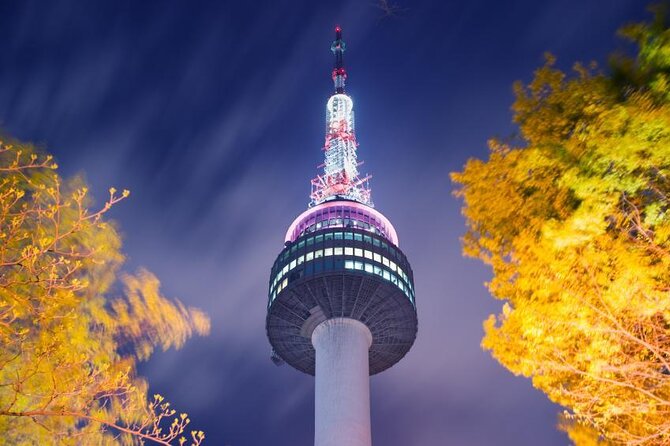
- N Seoul Tower: an easy landmark opener
- The Joseon royal palace: food culture with a historical backbone
- Namdaemun market area: your best chance to understand Seoul street food
- Bukchon Hanok Village: traditional neighborhoods that frame modern eating
- Back to Gyeongbokgung Palace area: the main gate moment
- A Joseon palace in a big park: another palace pause, different feel
- The tastings: what you actually eat (and how to pace it)
- About the sweets note
- Vegetarian and dietary needs
- Why the Insadong tea-house ending matters
- Who should book this tour, and who should skip it
- Should you book it?
- FAQ
- How long is the Seoul Downtown Guided Food & Market Tour?
- What does the tour cost?
- How many people are in the group?
- Where do I meet, and where does the tour end?
- Is lunch included?
- Is hotel pickup or drop-off included?
- What food is included in the tastings?
- Can the tour accommodate vegetarian diets or other restrictions?
- Is there free cancellation?
Key highlights you’ll feel right away
- 8+ tastings plus lunch in about 3 hours, so you’re eating your way through Seoul’s food rhythms fast
- Small group (max 12) for calmer market walking and more time for questions
- Stops that tie food to place: N Seoul Tower, Gyeongbokgung Palace, Bukchon Hanok Village, and Insadong
- Guides are repeatedly praised for patient, clear English and explaining both history and practical food details
- End in Insadong at a tea house about 100 meters from Anguk Station (Line 3)
- A tour structure that includes both street bites and dessert-style snacks, plus a secret dish
Why this 3-hour Seoul plan is actually a smart start
If you want Seoul’s food scene without wasting hours hunting for the right stall or standing in the wrong line, this tour’s format is a good fit. The route is built around high-interest landmarks and classic neighborhoods, but the real focus stays on eating: stop, taste, learn, move on.
The 3-hour timing matters. Seoul can be a lot on day one—language gaps, crowds, and menus that look similar until you know what you’re looking for. Here, you get structured sampling, so you’ll know what you like before you plan your next meal on your own.
And because the group is capped at 12, the tour tends to feel more like a guided walk with frequent food breaks than a rushed conveyor-belt experience.
You can also read our reviews of more food & drink experiences in Seoul
Value check: what $98 buys you (and why it can be worth it)
At $98 per person, the sticker price isn’t the bargain-hunting kind. The value comes from three things working together:
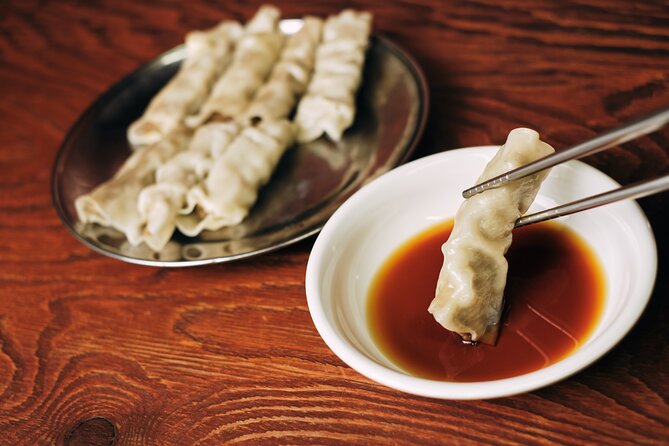
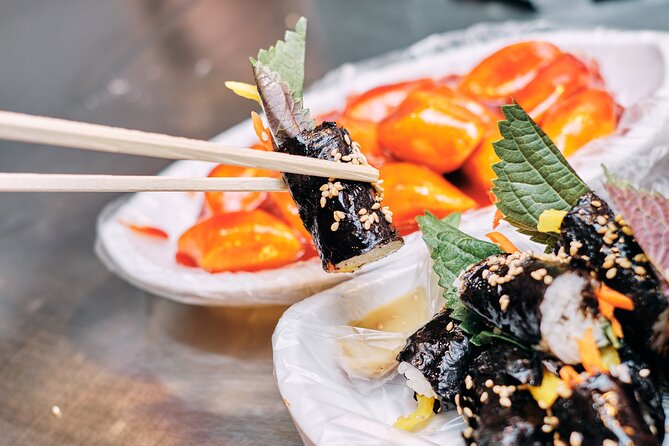
First, you’re getting lunch included, not just “snacks that don’t add up.” Second, the food list is specific—mung bean pancake with sweet onions, mandu dumplings, tteokbokki (slightly spicy), a kimbap stop, sweet-and-salty cream bread, a honey snack paired with tea, plus fish and dumpling options and a secret dish. That’s a lot of tangible eating for a half-day.
Third, you’re paying for decision-making that’s hard to do solo. In a busy market environment, ordering “randomly” can mean missed opportunities. Guides help you hit the best stalls for what you’re craving and what fits the route that day. Reviews repeatedly mention guides steering people to stalls they wouldn’t find on their own, and that kind of local routing is where the money often shows up.
What the group size and guide style mean for you
This is a small-group tour with a maximum of 12 travelers, and the tour is designed around a group size that stays manageable. That’s not just comfortable—it’s practical in markets. Smaller groups can move with less bumping, wait less awkwardly, and ask more questions without feeling like they’re holding everyone up.
What stands out in the feedback is guide performance. Names that come up include Alex, Jae, Youla, Ji Yoon, Taesong, and JaeSun. Across those reviews, the common theme is that guides explain what you’re tasting and why it exists in Korean food culture—often with clear English and patience. One review even notes that the guide stayed attentive at the end and helped with a taxi, which hints at how seriously they take group care.
Where you start, how you’ll walk, and how the tour ends
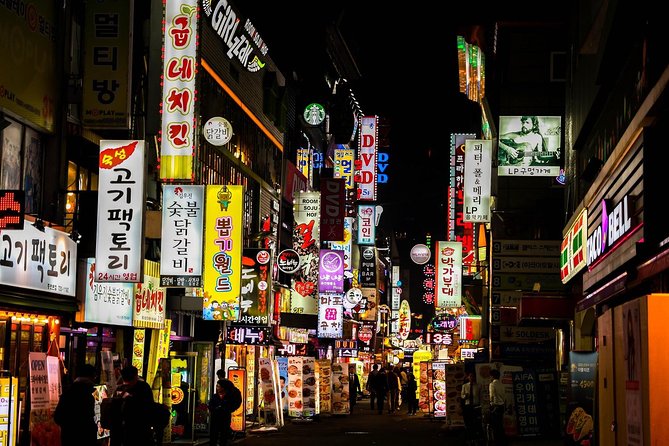
You start at 214 Jong-ro, Jongno District, and the tour ends in Insa-dong at a teahouse that’s about 100 meters from Anguk Station (Line 3, orange line).
Two practical notes matter here:
- There’s no hotel pickup/drop-off. You’ll want to be ready to reach the start point on your own.
- You should wear comfortable walking shoes. Even if the tour isn’t described as a hike, you’re doing palace-adjacent walking plus market wandering.
The end point in Insadong is a nice payoff. You’ll finish with tea in a more traditional-feeling area, which makes it easier to keep going after the tour—especially if you want to browse and snack again.
Stop by stop: what you’ll do and why it works
A few more Seoul tours and experiences worth a look
N Seoul Tower: an easy landmark opener
The tour begins with N Seoul Tower (also known as YTN Seoul Tower). This start works well because it sets context quickly: Seoul’s skyline and geography come into view early, before you get into the smaller, more confusing market details.
Food tours can be mentally “busy.” Starting with a clear landmark helps your brain map the city. Even if you’re not planning to climb the tower, the stop adds orientation so the rest of the route feels connected rather than random.
Watch for: if you’re sensitive to crowds or want lots of photos without waiting, you may prefer to arrive with a patient mindset.
The Joseon royal palace: food culture with a historical backbone
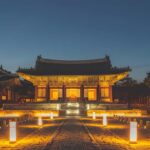
Next comes a major Joseon dynasty palace, described as the main royal palace built in 1395. You’re not going to eat in the palace itself, but that’s the point: the tour uses big cultural sites as anchors.
Why this helps: Korean food isn’t just street snacks—it grew alongside court tradition, seasonal rhythms, and regional practices. When a guide frames palace history alongside food terms (even briefly), it makes everyday dishes feel less mysterious.
Potential drawback: palaces can involve walking and standing in busy areas, so you’ll want good shoes and a light plan for what you can stomach right away.
Namdaemun market area: your best chance to understand Seoul street food
Then you hit a classic: a large traditional market next to Namdaemun, the Great South Gate. It’s described as the oldest and largest market in Korea, which is exactly why it’s a perfect food tour stop.
Markets can overwhelm you if you go alone. Here, you’re guided to specific dishes, so you don’t need to decode stall menus or decide where to start. Reviews also highlight how organized the guides felt during market time, with the right stalls chosen and enough pacing to stay comfortable.
Tip from the tour vibe: if you’re tempted to overeat at the first stall, don’t. Some reviews note there’s lots of food to come—so save space for the later dishes.
Bukchon Hanok Village: traditional neighborhoods that frame modern eating
You’ll also pass through Bukchon Hanok Village, described as a traditional village on a hill with history, located between Gyeongbok Palace, Changdeok Palace, and Jongmyo Royal Shrine.
This stop adds contrast. By now, your stomach is learning Korean flavors. Bukchon helps your brain connect those flavors to an area of preserved traditional architecture. It makes the food feel like part of Seoul’s identity, not just a sightseeing add-on.
What to expect: more photo moments and walking in a neighborhood that can feel more “old Seoul.” If you care about mixing food with atmosphere, this is where it clicks.
Back to Gyeongbokgung Palace area: the main gate moment
One stop is the main and largest gate of Gyeongbokgung Palace. Even if you’ve seen palace gates in other cities, this one is central to Seoul’s identity. It’s a strong visual punctuation point between market eating and the traditional-tea ending.
Why it’s valuable in a food tour: gates and palace areas remind you that Korean daily life and Korean food history share the same geography. That context is what guides are praised for—connecting dish names and ingredients to where people lived and how meals fit into culture.
A Joseon palace in a big park: another palace pause, different feel
You’ll also stop at one of the Five Grand Palaces located in a park in Jongno-gu. This acts like a second palace chapter—less about eating, more about letting you catch your breath and reset as you move toward Insadong.
Practical note: after market time, your body may want a slower pace. These palace stops can do that, as long as you’re not expecting an easy sit-down moment everywhere.
The tastings: what you actually eat (and how to pace it)
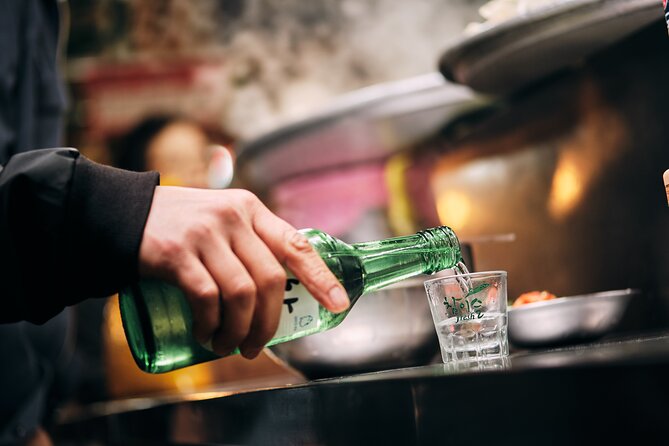
The included tastings are specific enough that you can plan your expectations. Here’s what’s listed as included:
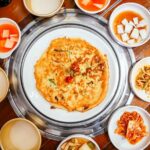
- Nukdujan mung bean pancake paired with sweet onions
- Mandu (Korean dumplings)
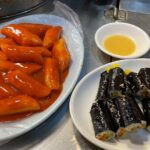
- Tteokbokki (slightly spicy)
- Minced fish fillets paired with a bit of fish soup
- Kimbap plus sweet & salty cream bread
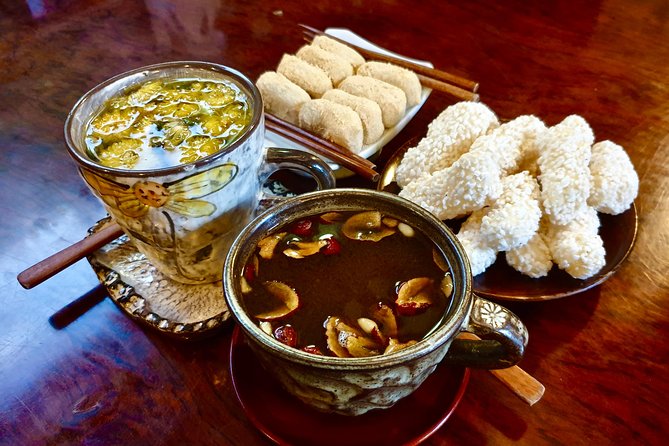
- Korean honey snack (grilled rice cake) paired with traditional tea
- A secret dish
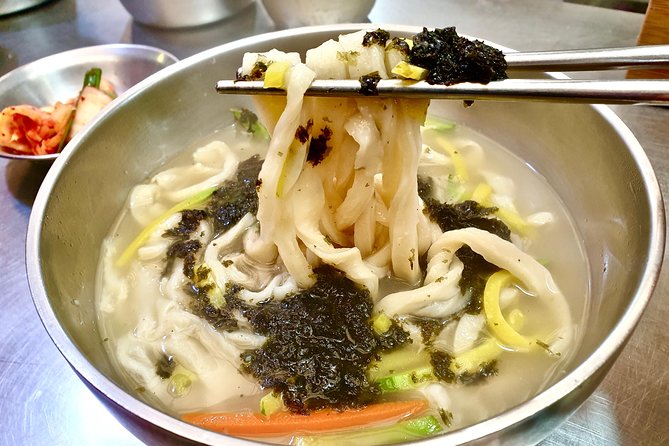
This mix tells you a lot about the tour’s style. You’re not stuck in one flavor lane. You’ll get chewy bites (dumplings), comfort heat (tteokbokki), savory-sweet balance (mung bean pancake with sweet onions), and a tea pairing at the end, which often changes how desserts and snacks feel.
About the sweets note
Most reviews are overwhelmingly positive about the variety, and several people mention loving the mung bean cake and dessert-style stops. Still, one critical review felt the tour leaned too much into sweets compared with what they expected from other food tours.
So here’s my balanced guidance: come with an open mind. Expect dessert and snack-style tasting. If you only want BBQ-heavy meals, you might need to eat your main meal elsewhere before or after the tour.
Vegetarian and dietary needs
One review specifically says the tour was accommodating to a vegetarian in the group with plenty of options. That’s a good sign.
At the same time, the tour notes that many tours can’t accommodate certain dietary restrictions due to the need for a well-balanced gastronomy experience. The safest move is to contact the operator before booking if you have restrictions beyond vegetarian.
Why the Insadong tea-house ending matters
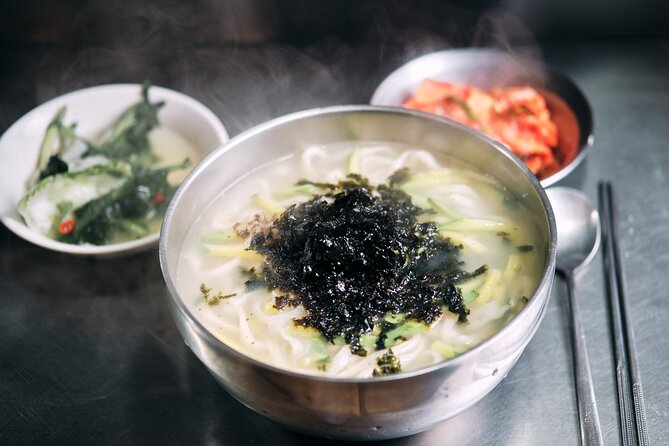
The tour ends in Insadong at a teahouse described as hidden, roughly 100 meters from Anguk Station (Line 3). Ending with tea is a classic move for good reason: it slows you down after market energy and gives you a moment to reflect on what you liked.
It’s also a great transition point. Insadong is an area where browsing, souvenirs, and small snacks are easy to keep doing after your official tour ends. If you want to use the tour as your map, this finish helps you decide where to return.
Who should book this tour, and who should skip it
Book this if you:
- Want a guided first look at Seoul’s food scene without getting lost
- Like your sightseeing with practical context (food tied to neighborhoods)
- Prefer a small group and clear guide explanations
- Appreciate both savory bites and snack/dessert-style tastings
Consider skipping or adding your own food plans if you:
- Want a tour focused only on one food category like BBQ
- Strongly prefer savory-only, with minimal sweets
- Have dietary restrictions that might not be adjustable for the tour’s planned balance
Should you book it?
I’d book it if you’re using Seoul as a first-time or reset trip and you want your next meals to be smarter. The route covers major sights (N Seoul Tower, Gyeongbokgung Palace, Bukchon, and Insadong) while the food stays front and center. The guide quality comes up again and again—patient, organized, and good at explaining what you’re eating—so you’ll likely feel confident ordering on your own afterward.
If sweets-heavy tasting would annoy you, think twice or plan a separate savory meal on the same day. But if you like variety, tea at the end, and a guided walk through Seoul’s most photogenic food zones, this is a strong value play for a half-day.
FAQ
How long is the Seoul Downtown Guided Food & Market Tour?
It runs about 3 hours (approx.).
What does the tour cost?
The price is $98.00 per person.
How many people are in the group?
The tour has a maximum of 12 travelers.
Where do I meet, and where does the tour end?
You meet at 214 Jong-ro, Jongno District, Seoul, and the tour ends in Insadong, Jongno District at a teahouse about 100 meters from Anguk Station (Line 3, orange line).
Is lunch included?
Yes. Lunch is included.
Is hotel pickup or drop-off included?
No. Hotel pickup/drop-off is not included.
What food is included in the tastings?
Included items listed are mung bean pancake with sweet onions, mandu, tteokbokki (slightly spicy), minced fish fillets with fish soup, kimbap, sweet & salty cream bread, a Korean honey snack with traditional tea, and a secret dish.
Can the tour accommodate vegetarian diets or other restrictions?
The tour says many experiences may not be able to accommodate certain dietary restrictions, and you should contact before booking. One review notes the tour was accommodating to a vegetarian with plenty of options.
Is there free cancellation?
Yes. You can cancel for a full refund up to 24 hours in advance.