REVIEW · CHARLESTON
Charleston’s Historic Downtown Food Tour
Book on Viator →Operated by Charleston Tours · Bookable on Viator
Stepping into the Old City means food stories. This Charleston Historic Downtown Food Tour pairs historic landmarks with a real lunch’s worth of tastings, and it does it in about 2 hours 30 minutes. I like how the guide explains why the food tastes the way it does, from French dishes and African ingredients to the diet-shaping impact of pirates.
Two things I especially like: the VIP access that helps you skip lines at top stops, and the fact that the tastings add up to a full meal instead of a few dainty bites. One drawback to plan for: the pace is brisk, so it’s more eat and learn than leisurely dining.
Expect a friendly walking tour that moves through major downtown sights, then turns the corner into sit-down restaurant sampling. The group is capped at 15, and you’ll have a mobile ticket for an easy check-in flow.
In This Review
- Key things that make this tour worth your time
- Food in Motion: French, African, and Pirate Stories You’ll Hear
- Starting at 195 E Bay St: Pace, Group Size, and VIP Skip-the-Line
- Rainbow Row and Pineapple Fountain: Hospitality and French Flavor Clues
- Old Exchange & Provost Dungeon to City Market: Pirates, Gullah Geechee, and Ingredients
- Four Restaurant Tastings: How This Tour Builds a Full Lunch
- Should You Book This Charleston Historic Downtown Food Tour?
- FAQ
- How much is the Charleston Historic Downtown Food Tour?
- How long is the tour?
- What’s included in the ticket price?
- Is alcohol included?
- Is there a limit on group size?
- Are children allowed?
- Can I get a refund if plans change?
Key things that make this tour worth your time
- VIP skip-the-line access helps you spend less time waiting and more time eating
- Four restaurant stops built around enough samples to feel like a full lunch
- French + African + pirate influence turns Lowcountry cooking into a story you can taste
- Historic downtown route that starts near Rainbow Row and finishes back at the meeting point
- Small group size (max 15) keeps it from feeling chaotic
Food in Motion: French, African, and Pirate Stories You’ll Hear
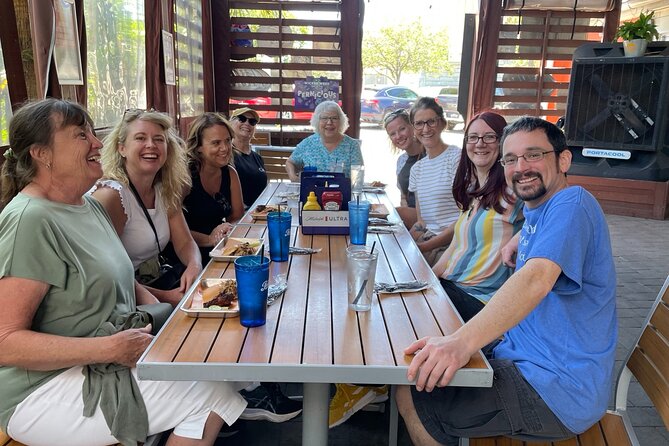
Charleston’s food isn’t just about flavor. This tour frames it as a chain reaction of people, ports, and borrowed techniques that stuck. You’ll hear how French influence shaped local tastes, and how African ingredients helped build what we now think of as classic Lowcountry cooking.
Then the tour adds a pirate angle, which is more practical than you might expect. When pirates and privateering show up in a coastal city, they don’t just make for dramatic legends. They affect trade routes, what gets brought in, and what locals can reliably eat. The tour’s job is to connect that maritime history to the kinds of dishes Charlestonians could put on the table.
One thing I appreciate: the tour doesn’t treat the food story as a postcard-only topic. In the way guides are described, you should be ready for honest history, including the role slavery and the slave trade played in Charleston. If you want a tour that avoids hard context, this may not match your style.
You can also read our reviews of more food & drink experiences in Charleston
Starting at 195 E Bay St: Pace, Group Size, and VIP Skip-the-Line
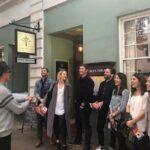
Your tour starts at 195 E Bay St in the heart of downtown. It’s a walking format, and the schedule is tight enough that you’ll want comfy shoes and a light plan for the rest of your day.
The max group size of 15 is a big deal. Smaller groups usually mean the guide can keep everyone moving while still answering questions. The tour also includes a mobile ticket, which is a nice time-saver on a tour where you don’t want to be fumbling with paper.
The biggest practical win is VIP access at restaurant stops. You’re not just paying for tastings; you’re paying for better timing. Instead of losing your hunger to lines, you get set up to sample signature dishes and then move on while the tour momentum is still working for you.
The trade-off? Several people note it moves fast. It’s not the kind of tour where you can slow down, linger, and sip for an hour between bites. If you’re the type who wants a long chat over dessert, treat this as a “meal plus stories” experience, not a sit-down evening.
Rainbow Row and Pineapple Fountain: Hospitality and French Flavor Clues
The walking portion kicks off with a pass by Rainbow Row, one of Charleston’s most recognizable photo stops. The tour uses it as a springboard into French influence on local cuisine—the kinds of dishes French culture brought into Charleston’s orbit and why they mattered to how people ate.
In other words, Rainbow Row is more than architecture here. It’s a starting point to talk about cultural transfer, not just scenery. Even if you’ve seen Rainbow Row in photos a hundred times, it helps to have a food-focused reason to look closely at what’s in front of you.
Next you hit the Pineapple Fountain area. The pineapple is a symbol of southern hospitality, and the tour links that idea back to cooking and local habits. It’s a fun stop because it’s both iconic and story-driven—less about facts you’ll forget, more about the way people in Charleston talk about food as welcome.
These early stops also do a useful job for your brain. They help you get oriented fast: you’re in historic downtown, you’re walking with purpose, and the tour themes (French influence, hospitality, and shared culture) are already taking shape before you reach the first restaurant.
Old Exchange & Provost Dungeon to City Market: Pirates, Gullah Geechee, and Ingredients
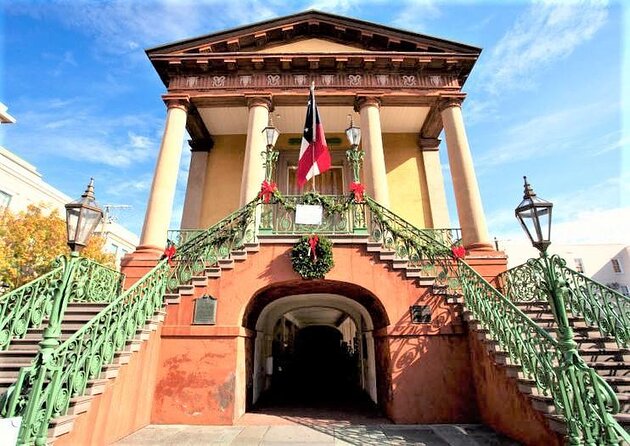
Then the tour steers into Old Exchange & Provost Dungeon, a place tied to Charleston’s early 1700s. This is where the pirate thread becomes part of the food story. The guide explains how privateering and piracy helped shape the early city, and how that connected to what locals could eat.
This stop works well because it grounds the food talk in a real site. You’re not just hearing abstract history. You’re in a space that helped define the city’s early era, and that context makes the food connections feel less like trivia and more like cause-and-effect.
After that, you move to Charleston City Market, where the emphasis shifts to African influence on the cuisine and iconic ingredients that locals absorbed. The City Market setting also makes the information feel practical. It’s easier to imagine how ingredients traveled and ended up in everyday cooking when you’re standing in a historic food marketplace environment.
One careful note: the tour is described as offering enough samples for a full lunch, but it still includes walking segments. So even though these stops are story-heavy, you’ll still want to keep an eye on your timing, especially if you get easily sidetracked by photos.
Four Restaurant Tastings: How This Tour Builds a Full Lunch
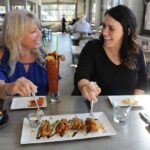
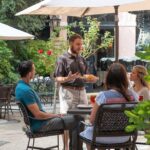
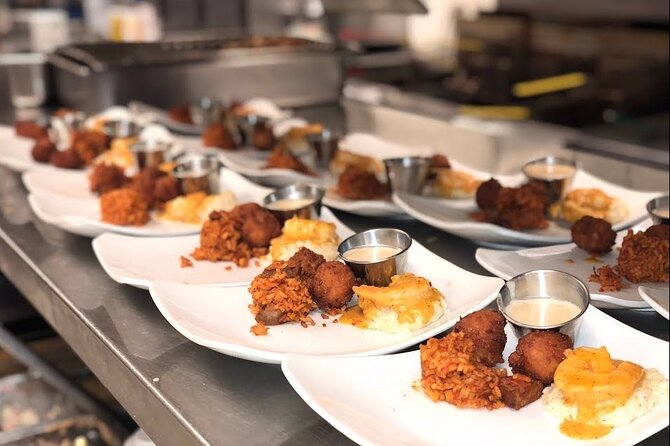
This is the heart of the tour: lunch-food tastings at four different restaurant stops, with sit-down sampling. The promise is not just a snack. The samples are meant to add up to a full lunch, and people consistently describe leaving full.
VIP access matters here because it changes the entire feel of the meal stops. You’re not fighting crowds. You’re getting guided sampling at restaurants that are, frankly, the hardest part of Charleston to do casually on your own without waiting.
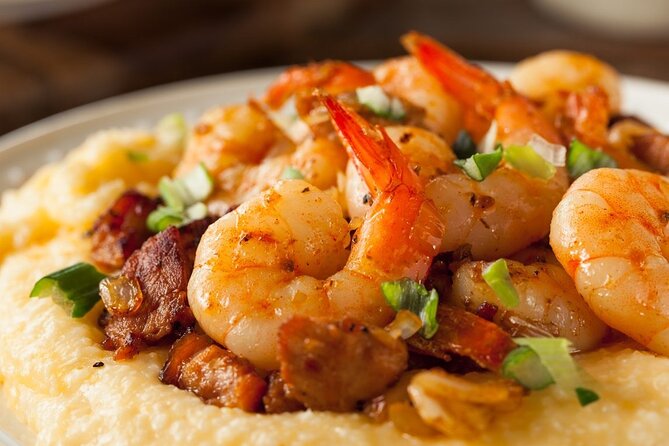
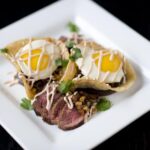
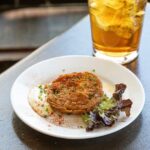
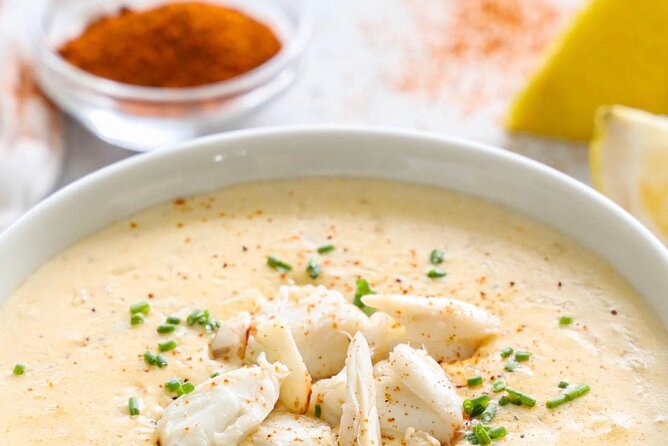
What might you taste? Based on the food people describe, the tour commonly includes Lowcountry favorites such as she-crab soup, Carolina gold rice, and other regional plates, plus a dessert finish. You may also see dishes tied to the Gullah Geechee and Lowcountry traditions, including rice-based specialties and Southern-style comfort items.
Portions are sample-sized, but the sequence is built to make the whole thing work. Several people say the tour makes them stuffed by the end, which tells you the tasting strategy isn’t stingy. If you’re the type who usually underestimates food tours, this one tends to correct that.
Alcohol is not included. If you want a cocktail or a glass of wine, you’ll be able to purchase it at venues. Just plan that this is a guided “tastings plus history” schedule, not a slow bar crawl, so don’t count on long drinking time between courses.
A few more Charleston tours and experiences worth a look


Should You Book This Charleston Historic Downtown Food Tour?
Book it if you want a Charleston experience that connects food and history in a way that’s actually useful while you’re traveling. I’d especially recommend it for first-timers, food lovers, and anyone who likes learning the story behind a dish—not just collecting restaurant names.
Skip it if you need a slow, leisurely dining pace. The tour is designed to move, and some people feel it’s more eat-and-run than linger-and-sip. Also consider whether you want a guided historical perspective that includes slavery and the slave trade; guides are described as covering that honestly.
If you’re deciding between doing Charleston food planning on your own versus a guided route, this tour offers real value through the combo of four tastings, VIP access, and a manageable walking span. For $110, the best justification is simple: you get multiple restaurant experiences you’d struggle to coordinate quickly, plus the context that makes it taste even better.
FAQ
How much is the Charleston Historic Downtown Food Tour?
The price is $110.
How long is the tour?
It runs about 2 hours 30 minutes.
What’s included in the ticket price?
Your ticket includes lunch-food tastings at four different restaurant stops.
Is alcohol included?
No. Alcoholic beverages are not included, but you may purchase your own alcohol at venues if you want a cocktail or two.
Is there a limit on group size?
Yes. The tour has a maximum of 15 travelers.
Are children allowed?
Children ages 0–6 can participate, but food is not included for that age group.
Can I get a refund if plans change?
Yes, cancellation is free up to 24 hours in advance for a full refund. If you cancel less than 24 hours before the start time, the amount paid is not refunded.