REVIEW · BRUSSELS
Brussels: City Center Guided Food Tour with Tastings
Book on GetYourGuide →Operated by NO DIET CLUB · Bookable on GetYourGuide
Brussels gets tastier on a walking tour. I love how a local guide maps out classic bites right in the center, with familiar favorites and a few surprises in between, like fries cooked in beef fat and Liège waffles. A standout detail for me is the way guides such as Chloè, Olivia, Amélie, Marine, and Antoine bring energy and personality to the walk.
Two things I really like: the tour includes all food, so you’re not doing math over what to order, and you get a small group feel that makes it easy to ask questions as you go. You’ll also get entertaining commentary tied to what you’re eating, not just a list of items.
One drawback to consider: it’s still a 3-hour walk through cobblestones and tight streets, and some places may not have much seating. If you’re sensitive to uneven pavement, plan for slower steps and comfy shoes.
In This Review
- Key Things I’d Zoom In On
- Why This 3-Hour Food Walk Works So Well in Brussels
- Starting at Patatak on Rue de la Bourse: Where the Tour Begins
- Six Tastings and the Real Deal Belgian Food You’ll Actually Want
- Savory Stops: Beef-Fat Fries, Frikadelle, and Fish Croquettes
- Sweet Stops: Liège Waffles and Belgian Chocolate Without the Aftertaste Regret
- Guides Who Make the City Feel Human, Not Like a Food Checklist
- Pacing, Walking Surface, and What to Wear for the 3-Hour Loop
- Vegetarian Options: How This Tour Handles Dietary Needs
- Price and Value: Is $70 Worth It for Food in Brussels?
- Where to Go After the Tour With Your New Food List
- Should You Book This Brussels Food Tour?
- FAQ
- How long is the Brussels city center guided food tour?
- Where does the tour start and end?
- What food is included in the tour price?
- Are vegetarian options available?
- What is the group size?
- What languages are the guides?
- Do tastings change depending on the season?
- Is hotel pickup included?
- Can I reserve now and pay later, and is cancellation free?
Key Things I’d Zoom In On
- All tastings included: You’ll sample multiple sweet and savory bites without paying again at each stop.
- Vegetarian options welcome: The tour can offer alternatives when you need them.
- Small group, max 10: More conversation with your guide, less standing around.
- Seasonal changes possible: Some tastings can vary with the time of year.
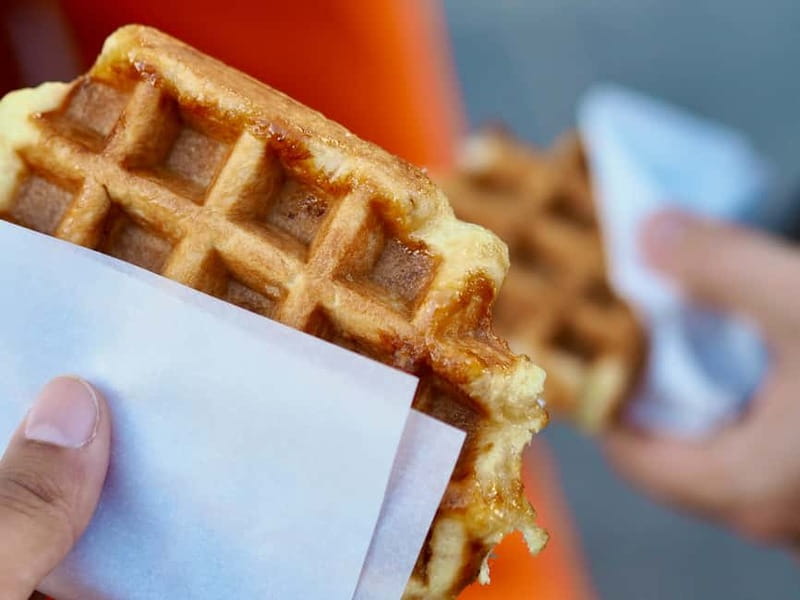
- Big-food highlights: Think beef-fat fries, frikadelle, fish croquettes, Liège waffles, Belgian chocolate.
- Strong guide energy: Names you may see leading groups include Chloè, Olivia, Amélie, Marine, Antoine, and others.
Why This 3-Hour Food Walk Works So Well in Brussels
This is one of those Brussels experiences that saves you from the usual chaos. You’re in the historic center, but you’re not stuck scanning menus or guessing what’s worth your time. You just show up hungry and follow a guide who knows where the good stuff is.
The format is also smart for a short stay. Three hours is enough time to eat like a local and still have energy left for a proper dinner afterward. And since you’re walking, you get the city’s rhythm while you sample it.
The food itself hits the core of Belgian comfort eating. You’re not limited to one “Belgian thing,” like just waffles or just chocolate. You’ll get a mix of salty staples and sweet finishes that makes the trip feel complete.
If you’re planning your first trip to Brussels, this kind of guided tasting is a fast way to get your bearings. You’ll also leave with practical ideas for what to order later, based on what you tasted today.
You can also read our reviews of more food & drink experiences in Brussels
Starting at Patatak on Rue de la Bourse: Where the Tour Begins
Your tour starts at Patatak on Rue de la Bourse. Meeting outside keeps it easy: you don’t need to hunt down a hotel lobby or connect through public transit to get moving. The good news is the walk is designed for the center, so you’re not wasting time on long rides.
The experience ends back at the same meeting point. That matters more than people think. When your tour finishes near where you started, it’s easier to plan a smooth next step—like walking to dinner, heading to a museum, or just wandering without a stressful navigation scramble.
Timing-wise, the duration is about 3 hours, and starting times vary. So if you’re juggling a tight itinerary, check the available start slots and choose one that matches your energy level and meal timing.
You’ll be with other food lovers in a group capped at 10 people. In practice, that helps the guide keep an eye on everyone’s pace, questions, and any dietary needs.
Six Tastings and the Real Deal Belgian Food You’ll Actually Want
The big promise here is simple: many tastings, with both savory and sweet stops. You’ll sample Belgian staples that are hard to find or easy to miss if you’re just walking around on your own.
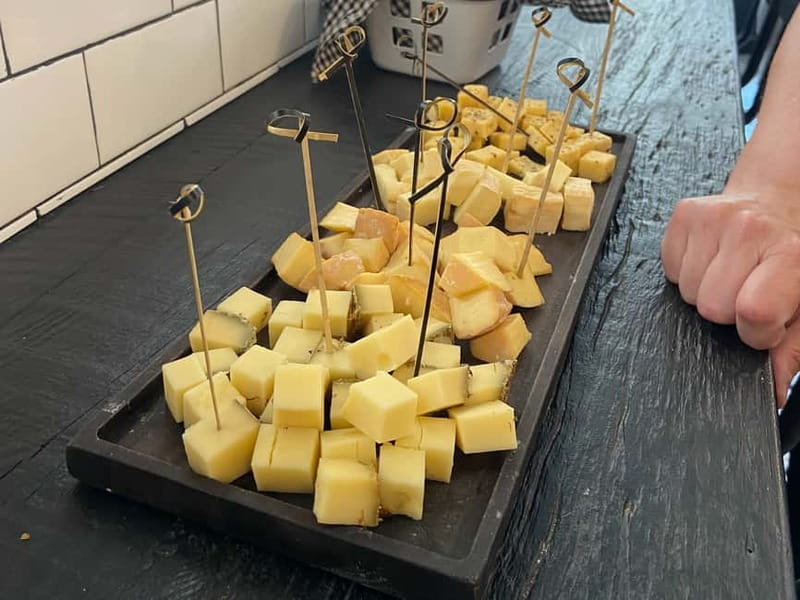
The standout items include fries cooked in beef fat, homemade frikadelle, fresh fish croquettes, Liège waffles, and Belgian chocolate. Those are not random picks. They’re the kind of foods that tell you how people in Belgium snack, celebrate, and eat when they’re craving something comforting.
You should plan on eating more than a “small bite” tour. The tour is built around proper portions you can taste and understand. One practical tip: start your day with a light snack, not a full meal, or you’ll feel stuffed before the sweets.
Tastings may vary by season. That’s not a downside—it’s often a sign the stops are adapting to what’s best at the time of year. Still, it means your exact menu might differ slightly from another date’s experience.
Vegetarians are welcome, and vegetarian options are available. If you need an alternative, tell the guide at the start. The goal is that you still get a satisfying version of the tour, not just “one missing stop.”
Savory Stops: Beef-Fat Fries, Frikadelle, and Fish Croquettes
The savory side is where Brussels can really surprise you. You’re not just tasting trendy street food. You’re getting flavors that feel rooted in local tradition and comfort.
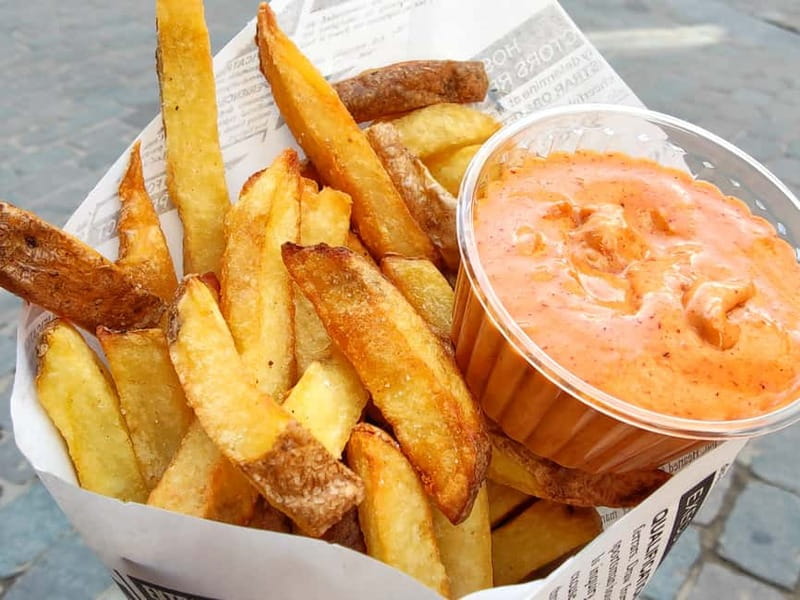
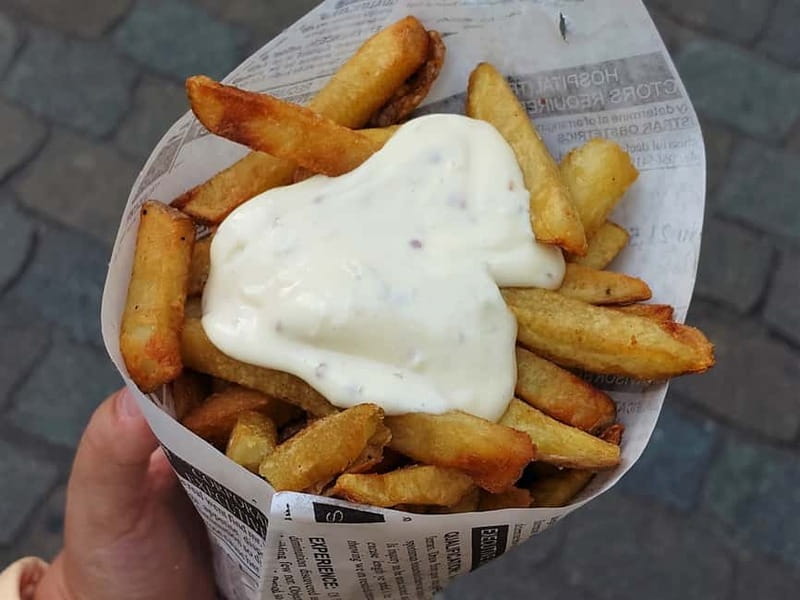
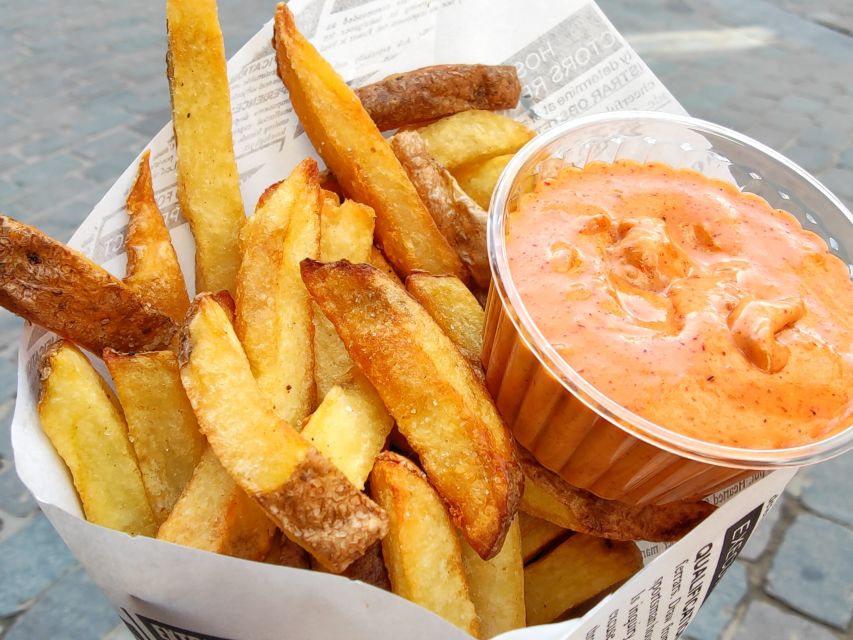
First up in many itineraries are fries cooked in beef fat. That detail matters because it explains why Belgian fries taste the way they do—richer, more savory, and a little more indulgent than the typical fries you might find elsewhere. Even if you think you’ve had Belgian fries before, this version is often the one people remember.
Then comes frikadelle, described as homemade. This is the kind of dish that’s both hearty and reassuring. Think of it as a comfort-meat specialty you’ll likely never order in the same way unless a guide brings you to the right place.
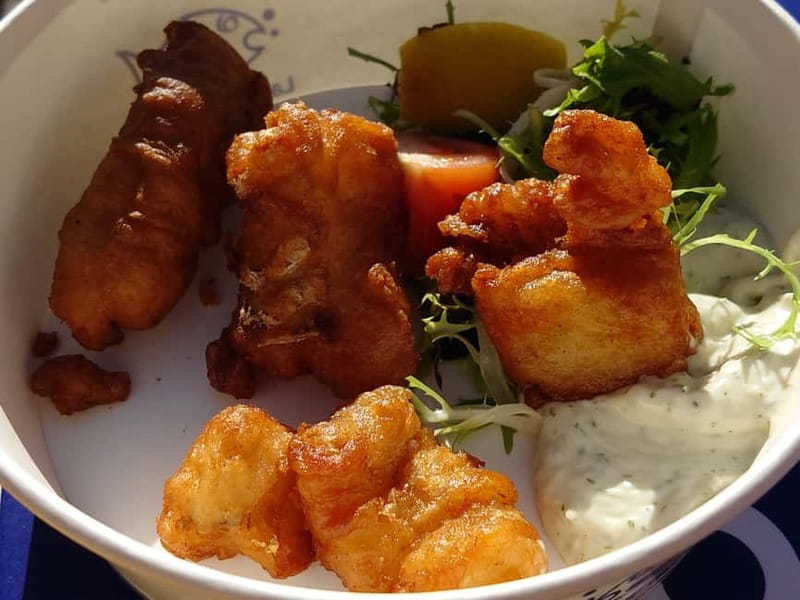
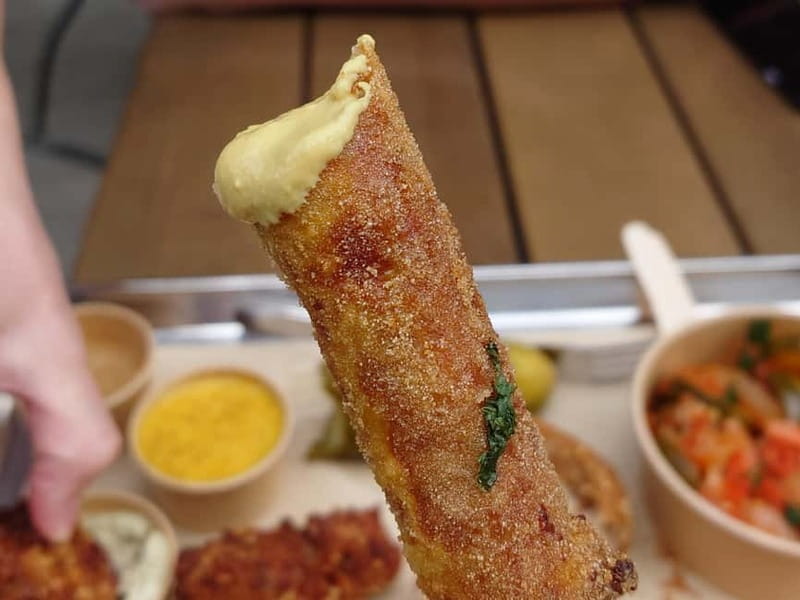
Fish croquettes show up too, including fresh ones. This is a good stop for anyone who loves seafood but doesn’t want a full entrée. You get texture, flavor, and a sense of how Belgian kitchens handle fish in everyday classics.
One reason I like this savory sequence is balance. You’re moving from salty fried goodness to meat-and-spice comfort and then to seafood richness. It keeps your appetite from getting bored and makes each stop feel like a distinct experience.
Also, the walking pace is comfortable enough that you’re not rushing through tastes. Still, you are on your feet, so it helps to slow down and let your snack settle between stops.
Sweet Stops: Liège Waffles and Belgian Chocolate Without the Aftertaste Regret
Brussels sweets are famous for a reason, but this tour makes them more than a sugar souvenir. The sweet phase ties directly to the iconic things you actually want to eat while you’re in town.
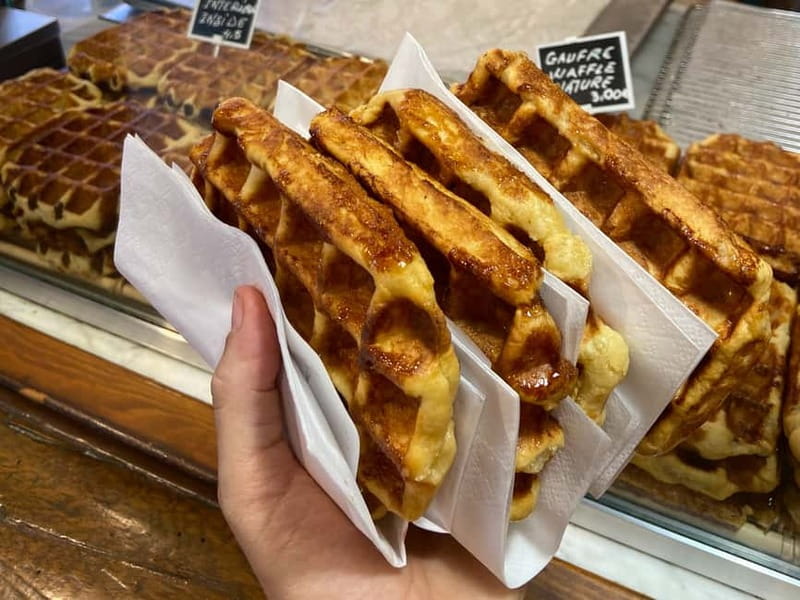
Liège waffles are one of your highlights. They’re the kind of waffle that reads Belgian in one bite—sweet, fragrant, and built for a real pause during your walk. Even if you’ve had waffles before, Liège waffles tend to feel heavier and more indulgent, so you’ll understand why locals treat them as a proper snack.
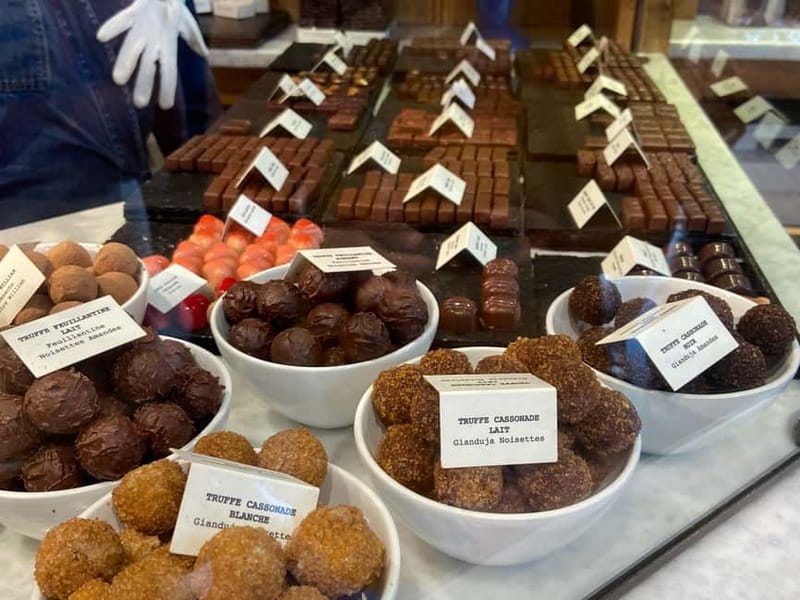
Then there’s Belgian chocolate, which is exactly what you want in a tasting format. You can focus on texture and flavor instead of trying to figure out which box is best to buy. Plus, chocolate tastes better when it’s part of a sequence rather than the final thing you eat after you’re already exhausted.
Here’s the practical mindset: plan to save a little space. If you eat every savory bite too fast, the waffles and chocolate can feel like a steep climb. You don’t need to force it, but if you want the full experience, keep a slow pace and take breaks.
Some guides also help you make sense of what you’re tasting, so the sweet stops aren’t just dessert—they become a mini lesson in why these Belgian favorites work.
Guides Who Make the City Feel Human, Not Like a Food Checklist
The guide is the difference between a good food walk and a memorable one. And this tour’s best asset is clearly the people leading it.
Guides like Chloè, Olivia, Amélie, Marine, and Antoine are described as welcoming, attentive, funny, and engaging. That shows up in how they handle the group: they keep things moving, but they’re not robotic. They make sure everyone has a turn and can follow along in English or French.
You’ll also get more than food talk. Guides share history and culture connected to what you’re eating, which helps the tastings land with context. You start to understand why Belgian food has certain textures and flavors, not just that it tastes good.
Another detail I really value: the guides seem to adjust when needed. For example, some itinerary changes happen if the weather turns ugly. That flexibility keeps the tour feeling reliable, even when conditions aren’t.
The group size of up to 10 also supports this. When you’re not in a huge herd, you can ask questions about ingredients, what to order later, and how to navigate Belgian food shops during the rest of your stay.
Finally, many guides end the experience with extra recommendations. You might even receive a follow-up list with helpful places to go after the tour.
Pacing, Walking Surface, and What to Wear for the 3-Hour Loop
This is a walking tour in the historic center, so expect uneven ground. Brussels has cobblestones, and they can be tough on sore ankles. You’ll want comfortable shoes you trust.
The tour also spreads stops out. That’s part of how you see more of the center without cramming everything into one street. Still, it means you should expect some stretches where you’re standing outside waiting for the next tasting.
Seating can be limited at some stops. A few places might not offer a place to sit after you eat, especially if the tasting is quick and the space is tight. So don’t build your expectations around long sit-down meals.
The pacing is described as chill and informative. That matters because it means you’re not just eating and rushing. You’ll have time to taste, listen, and enjoy conversation with your small group.
A practical tip: bring a light layer. Even on mild days, you’re outdoors between stops. And since you’ll be eating sweets near the end, having water handy can make the whole arc feel more comfortable.
Vegetarian Options: How This Tour Handles Dietary Needs
Vegetarian diners are welcome, and vegetarian options are available. That’s a big deal on a food tour, because many tasting routes turn into meat-heavy lines if you don’t speak up early.
What you should do: tell your guide upfront. The tour model is designed to adjust so you still get meaningful tastings. You’re not just asking for a side salad; you’re participating in the same food story.
Because tastings can vary by season, the vegetarian swap might change depending on what’s available that week. That’s normal. It also means you’re more likely to get fresh, seasonal items instead of forcing the exact same menu every time.
If you’re vegetarian and also cautious about dairy or eggs, you might want to ask questions during the tour. The data clearly supports vegetarian options, but it doesn’t list specifics like vegan-only choices. So ask, and let the guide help you.
This tour works especially well for vegetarians who want the full Belgium experience—wider than just fries and dessert.
Price and Value: Is $70 Worth It for Food in Brussels?
At $70 per person for about 3 hours, the value comes from one thing: food included. You’re paying for a guided route plus tastings at multiple eateries, not a single drink and a brochure.
Think about what you’re likely to get: beef-fat fries, frikadelle, fish croquettes, Liège waffles, Belgian chocolate, plus additional tastings along the way. That’s a lot of individual items that would add up quickly if you tried to recreate the same sequence on your own.
The guide time also matters. You’re not just eating; you’re learning what to look for, what’s worth repeating, and what places are popular for a reason. A good guide saves you trial-and-error spending later.
If you’re visiting for only a short window, the tour is a time-saver. Three hours can give you a curated feeling of Brussels food culture, and that often leads to better choices during the rest of your stay.
Also, the tour offers free cancellation up to 24 hours in advance for a full refund. And you can reserve now and pay later, which helps if your schedule is still in flux.
Bottom line: if you’re hungry, you like guided experiences, and you want to eat more than one Belgian specialty, $70 can be a fair deal for Brussels.
Where to Go After the Tour With Your New Food List
One of the best parts of a tasting tour is what happens after. By the time you finish back at Patatak on Rue de la Bourse, you’re leaving with practical recommendations for where to eat next.
Guides tend to share useful pointers on best spots in town, and the tips are often personalized to your questions. That helps you turn one enjoyable meal sequence into a whole weekend of better food decisions.
You’ll also understand the city’s food logic. For instance, once you taste the fries cooked in beef fat and then move into savory croquettes, you start noticing how Brussels balances fried snacks and hearty mains. That makes it easier to pick a second meal without overthinking.
If you’re shopping for gifts, chocolate and waffles are natural follow-ups. You’ll know what you actually liked and can buy based on taste rather than hype.
If you want to do more walking afterward, you’ll be in a central area. The tour loop ends where it begins, so you can keep exploring on your terms.
Should You Book This Brussels Food Tour?
I’d book it if you fit one of these profiles. You’re a foodie who wants Belgian comfort classics without spending time planning every stop. You want a small-group vibe and a lively guide, and you’d rather walk and taste than hunt for restaurants on your own.
I’d hesitate only if you know you struggle with uneven cobblestones or if you hate any walking involved in a 3-hour activity. It’s not a sit-down tour. It’s a walking, eating, and listening tour.
If you’re vegetarian, this tour is a strong option because vegetarian options are explicitly supported. Just communicate your needs clearly so the guide can steer you to the right tastings.
Finally, if you value local guidance, the guide quality here is consistently praised. Names like Chloè, Olivia, Amélie, Marine, and Antoine come up for a reason: the tour feels personal, not mechanical.
FAQ
How long is the Brussels city center guided food tour?
The tour lasts about 3 hours.
Where does the tour start and end?
It starts in front of Patatak on Rue de la Bourse and ends back at the same meeting point.
What food is included in the tour price?
All food tastings are included, and you can expect a mix of savory and sweet items.
Are vegetarian options available?
Yes. Vegetarian options are available, and the tour welcomes vegetarians.
What is the group size?
The tour is a small group limited to 10 participants.
What languages are the guides?
The live tour guide speaks English and French.
Do tastings change depending on the season?
Yes. Tastings may vary based on the season.
Is hotel pickup included?
No, hotel pickup and drop-off are not included.
Can I reserve now and pay later, and is cancellation free?
You can reserve now and pay later, and you can cancel up to 24 hours in advance for a full refund.