Oslo tastes better on foot. This 3-hour food-and-walk loop starts at the tiger statue by Oslo Central Station and pairs a scenic river walk with tastings at three Norwegian restaurants, led by guides like Annie or Margarita. I love how the route shows you the city’s cozy side—bridges, old streets, and moments like a waterfall—while you’re eating real Norwegian specialties. The main catch: you’re on your feet for about 1.5 hours, including a few short steep uphill bits, so comfortable shoes and decent stamina matter.
What makes it work well is the balance. Roughly half the time is about Norwegian food (with vegetarian options), and the other half is about stepping into calmer neighborhoods where you won’t feel packed in. It ends conveniently in the city center near Karl Johans gate, so you don’t lose your whole evening to logistics.
Because the menu can shift by season and holidays, I suggest you email your dietary needs before you go. Still, the overall vibe is simple: eat thoughtfully, walk at an easy pace, and get practical Oslo tips you can actually use the next day.
In This Review
- Key things I’d circle before you book
- Meeting at Oslo Central Station: fast start, easy nerves
- The river walk portion: quiet streets, bridges, and a city waterfall
- Creamy Norwegian fish soup: the first taste that sets the tone
- The main course stops: grilled cheese, smoked trout, and elk plate options
- Waffle and brown cheese & butter: the sweet-salty Oslo sign-off
- The tram segment: travel like a local instead of power-walking
- Guides make the difference: what I’d look for in your group
- Price and value: is $167 fair for what you actually get?
- Who should book this Oslo food and city walk
- Who should skip it (or choose something gentler)
- Should you book? My practical take
- FAQ
- Where is the meeting point?
- How long is the tour?
- How much walking is involved?
- Is the tour mostly flat?
- What food is included?
- Are vegetarian options available?
- Are drinks included?
- Is public transportation included?
- Who should not take this tour?
Key things I’d circle before you book
- Three restaurant stops with Norwegian ingredients, from creamy fish soup to savory mains and a classic waffle finish
- Small group (up to 10), so your guide can slow down, answer questions, and keep things personal
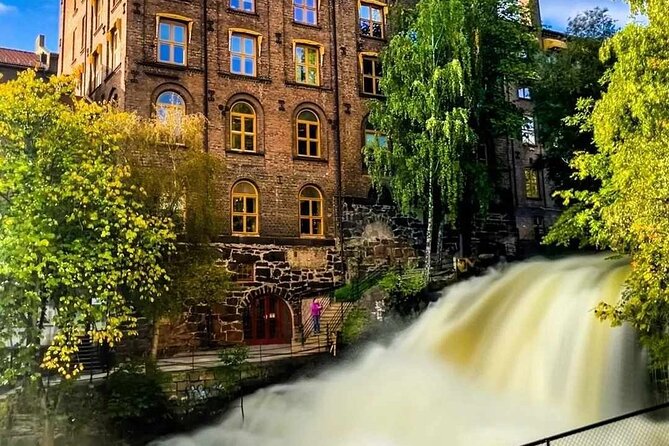
- River scenery plus city viewpoints, including an unexpected waterfall sighting while you walk
- Mostly flat ground with short steep climbs, covering around 3 km on asphalt and city paths
- Vegetarian options and allergy handling, as long as you tell the team in advance
Meeting at Oslo Central Station: fast start, easy nerves
You’ll meet at the tiger statue at Oslo Central Station (Jernbanetorget). The tour organizer has you covered with a clear visual cue: look for the woman wearing a yellow reflective vest.
This matters more than it sounds. Oslo is easy to navigate, but food tours go smoother when you start on time and don’t waste energy hunting for your group. Also, Oslo Central Station is a smart location because you’re already connected to the tram system and you can pivot to other plans afterward.
From the start, you’ll feel like this is built for “first-day in Oslo” energy. It’s the kind of outing that helps you understand where things are—without cramming you into a museum schedule or rushing you from one big landmark to another.
The river walk portion: quiet streets, bridges, and a city waterfall
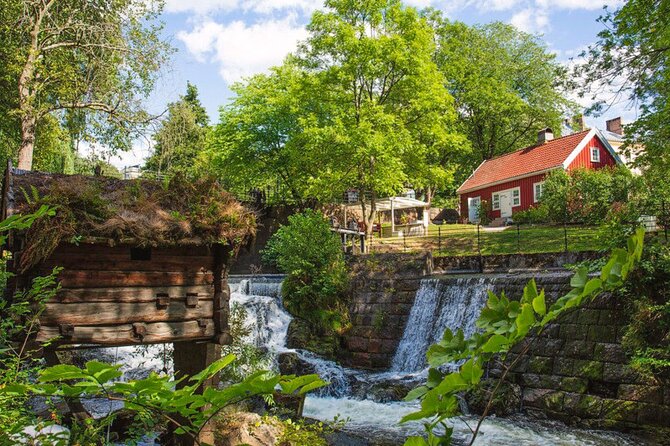
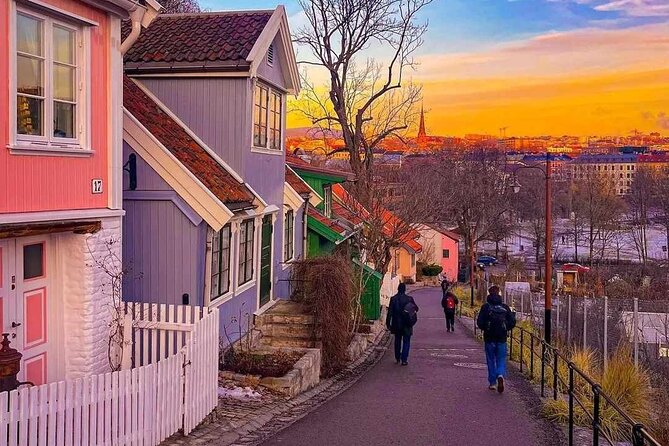
One of the best parts is the walking context. The route is about 3 km total, mostly on asphalt and mostly flat, but don’t ignore the realism: there are a few short but steep uphill sections. The highest point on the walk is about 45 meters above sea level, so you’ll get some gentle payoff in the form of views.
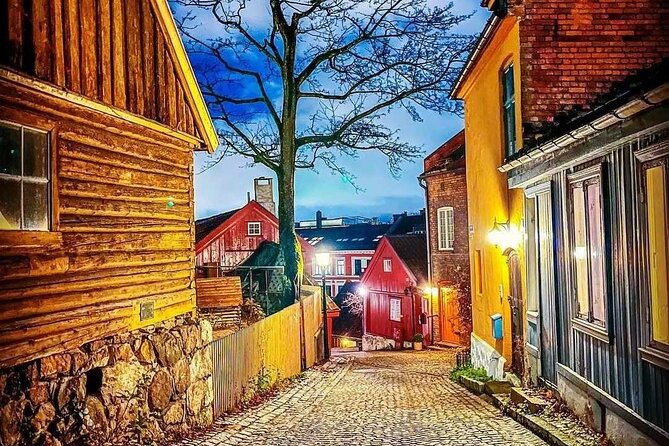
This is also where Oslo surprises people. You’ll be moving through areas that feel old and cozy—think bridges, river edges, and traditional wooden houses in the background. The river runs through the city like a spine, and that makes the walk feel connected instead of random.
A waterfall sighting is part of the experience. You don’t have to chase it like a separate attraction. It’s more like a “wait, what is that?” moment that shows how Oslo can feel both urban and outdoorsy at the same time.
Practical tip: bring weather-appropriate clothing. In winter, some roads can be slippery, and the tour route may adjust slightly for safety.
Creamy Norwegian fish soup: the first taste that sets the tone

Your first restaurant stop focuses on Norwegian seafood comfort food: creamy fish soup. Expect flavors built on pollock, salmon, mussels, and vegetables.
This starter works for two reasons. First, it gives you a baseline for Norwegian coastal cooking: fish-forward, creamy, and deeply comforting without needing lots of complicated sauces. Second, it primes your palate for the rest of the tasting—pickles, smoky flavors, and richer mains that come later.
One more thing I like here: this stop isn’t just about eating. It’s also your buffer. After you get the soup, you’re more willing to handle the walking segments with less pressure to “power through” on an empty stomach.
If you’re cautious about seafood, the good news is that you’ll have options. The tour includes vegetarian choices, and you can request dietary alternatives ahead of time if you have specific needs.
The main course stops: grilled cheese, smoked trout, and elk plate options
The second food stop is where the tour gets fun and distinctly Norwegian. You might encounter combinations like these:
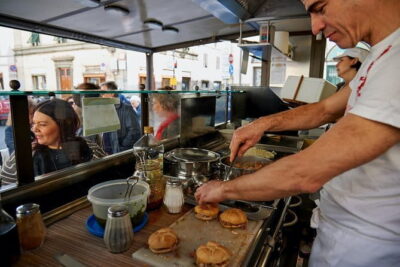
- Grilled Norwegian cheese with sweet pickled apple, pickled red onions, toasted hazelnuts, and honey vinaigrette
- Smoked trout with pickled beetroot and cucumber
- Roast elk with potato salad, pickled mushrooms, and lingonberries
Notice the pattern: pickling shows up again and again. That tang is part of Norway’s flavor logic—balancing richness with acidity, especially when foods are smoky, creamy, or hearty.
Also, this is where the tour feels more “tasting menu” than “you buy a plate.” You’re sampling rather than choosing one random item and hoping it’s representative. For many people, this is the best value moment because you end up trying flavors you probably wouldn’t order casually in a restaurant.
A small caution: elk is part of the menu. If you don’t eat red meat, let the operator know ahead of time so your plan includes the right alternatives.
Waffle and brown cheese & butter: the sweet-salty Oslo sign-off
The final food stop leans toward classics: waffle and brown cheese & butter.
This is a great ending because it shifts from savory and tangy to something familiar-but-not-the-same. Waffles are global, sure, but in Norway they can be a proper local event—especially when paired with brown cheese and butter, which bring a distinct, old-school flavor profile.
The tour also includes drinks: still water. That’s a quiet win for budgeting, since you don’t have to constantly decide what to drink to keep the pacing comfortable.
If you’re the kind of traveler who hates feeling stuffed, this setup can be nice. You get multiple tastings across three restaurants, but the overall structure keeps you moving, not stuck in one long meal.
The tram segment: travel like a local instead of power-walking
Between walking sections, you’ll take a tram ride (with a tram ticket included). This matters because it keeps your energy for the scenic parts.
Oslo’s public transit is straightforward, but on a tour like this you don’t want to spend brainpower figuring out routes mid-meal. The tram is built in so you can cover distance and then jump back into walking with a fresh head.
It also makes the whole experience feel less like a sprint through neighborhoods and more like an actual city day—move, eat, stroll, repeat.
Guides make the difference: what I’d look for in your group
A lot of the praise centers on the guides themselves. People often mention warm, friendly energy and city storytelling that doesn’t feel like a script. Names that show up include Annie, Margarita, Idunn, Ingunn, and Kaja—so if you see those listed for your date, you’re likely in good hands.
What you’ll get from the guide side of things:
- local context while you walk (why areas feel the way they do)
- practical Oslo recommendations you can use right after the tour
- a pace that usually includes enough breaks between tastings
And because the group is limited to 10, you’re not just a face in a crowd. On days with fewer participants, it can feel almost personal—like you’re being shown Oslo by someone who genuinely likes it.
Price and value: is $167 fair for what you actually get?
At $167 per person for about 3 hours, this is not a bargain snack tour. But it isn’t just “walking + a bite” either.
Here’s the value math I’d use:
- Three restaurant stops (not two, not one)
- Multiple tastings that represent Norwegian culinary staples
- Still water included
- A tram ticket included
- A live English (and Norwegian) guide
- A route that mixes food with scenery—river, viewpoints, and older streets
For me, the fair comparison isn’t to a cheap street-food deal. It’s to the cost of eating one nice meal plus paying for transit plus paying for a guide. This tour bundles those pieces into one structured outing.
Also, you’re paying for “taste coverage.” You leave with a mental map of what Norwegian food feels like, not just a single dish memory.
Who should book this Oslo food and city walk
This works best if you:
- want a first-time in Oslo intro that includes both food and neighborhoods
- like walking and don’t mind a few uphill sections
- want a small-group guide experience instead of a large crowd
- care about trying multiple Norwegian flavors rather than choosing one meal
It’s also a good fit if you’re a bit picky about directions. The meeting point is clear, the route is mostly flat, and the finish is in a central, useful location.
Who should skip it (or choose something gentler)
This tour isn’t for everyone. It’s not suitable for:
- children under 10
- wheelchair users and people with mobility impairments
- people with vertigo
- people with respiratory issues
- people with low level of fitness
- people over 70
- hearing-impaired people
If you’re sensitive to uneven footing, winter slipperiness, or you don’t handle hills well, you’ll probably feel the walking part more than you want.
Should you book? My practical take
Yes, I’d book this if you want your Oslo day to combine real Norwegian food with a calmer city walk that shows you how Oslo breathes. The strong points are the three-stop tasting flow, the river scenery (including a waterfall moment), and the fact that the group stays small enough for your guide to actually talk with you.
I’d think twice if you hate walking uphill, you’re traveling with mobility limits, or you want a mostly flat, slow stroll. The food is worth it, but the walk is part of the deal.
If you’re a food traveler planning your first afternoon in Oslo, this is one of those outings that gives you both belly satisfaction and useful city context.
FAQ
Where is the meeting point?
Meet at the tiger statue at Oslo Central Station (Jernbanetorget). Look for a woman wearing a yellow reflective vest.
How long is the tour?
The tour lasts 3 hours.
How much walking is involved?
You cover about a 3-kilometer route. You walk for about 1.5 hours total.
Is the tour mostly flat?
Mostly yes. The terrain is primarily asphalt and mostly flat, but there are a few short steep uphill sections. The highest point is about 45 meters above sea level.
What food is included?
You’ll taste multiple Norwegian dishes across three stops, including creamy fish soup, main-course tastings that can include grilled Norwegian cheese, smoked trout, and roast elk, plus waffle and brown cheese & butter.
Are vegetarian options available?
Yes. Vegetarian options are available, and you can also request alternatives for allergies or dietary preferences if you let the team know in advance.
Are drinks included?
Yes. Still water is included.
Is public transportation included?
Yes. A tram ticket is included as part of the tour.
Who should not take this tour?
The tour is not suitable for children under 10, wheelchair users, people with vertigo, people with respiratory issues, people with low level of fitness, people over 70, hearing-impaired people, and people with mobility impairments.