REVIEW · TIRANA
Best of Local Food & City Tour of Tirana – Food & Drinks Included
Book on Viator →Operated by Go as Local · Bookable on Viator
Your appetite maps Tirana. This 5–6 hour city and food tour strings together breakfast soup, bazaar sweets, and grill lunch with a guided walk through key Tirana sights.
Two things I like a lot: the easy hotel pickup/drop-off, and the way you get hands-on tastings (especially the olive oil stop) instead of just sightseeing photos. If you get guide Aron (or another of the frequent guides like Redi, Julio, Erjon, or Xhulio), the day tends to feel like a friendly history lesson with snacks.
One heads-up: you’ll spend time on busy roads and sidewalks, so wear sneakers and expect some street noise as you move between neighborhoods.
In This Review
- Key highlights and what to watch for
- Why this tour is a smart way to start in Tirana
- Mengjezore breakfast at Skanderbeg Square: Pace soup first
- Pazari i Ri (New Bazaar): produce, souvenirs, and a dessert you can spot later
- Coffee in Blloku: 25 options and the local-language trick
- Pallati i Kongreseve and the big boulevard walk
- Grill lunch: Fergese, Qofte, and the real point of the day
- Tirana Castle, Pedonale, and olive oil tasting you can actually use
- Murat Toptani shop stop: jams, cheese, herbs, and raki tasting
- Drinks included, but choose your pace
- Duration, walking style, and what to wear
- Price and value: what $72.59 buys you in real terms
- Should you book this tour?
- FAQ
- How long is the Tirana food and city tour?
- Is the tour offered in English?
- Does the tour include hotel pickup and drop-off?
- What food and drinks are included?
- Do you get to taste olive oil?
- How big is the group?
- Where does the tour start and end?
- What happens if the weather is bad?
- What is the cancellation policy?
Key highlights and what to watch for
- Pace soup at the Bicycle Market: a traditional thick, spicy soup experience right away
- New Bazaar stop: local fruit, souvenirs, and a familiar merengue cake recipe since 1998
- Coffee in Blloku: lots of options, including Turkish coffee if you want to go more local
- Communist-era Tirana route: from major boulevards past Blloku and the congress area
- Olive oil tasting: history plus tasting, and you can shop for olive souvenirs
- Finish with a proper grill meal: meat-focused plates and local drinks included
Why this tour is a smart way to start in Tirana
Tirana can feel a bit spread out, and food is the fastest way to stitch it together. This tour is built around short walks and scheduled meals, so you get city context without a full-day slog.
I like that the day balances two kinds of learning: what buildings and neighborhoods looked like under different political eras, and what people actually eat on a normal day. The practical bonus is that many food tours in Europe stop after lunch; here you keep sampling until the end of the experience.
It’s also priced like a value play. At $72.59, you’re paying for more than “a couple of bites”—you get breakfast, desserts/snacks, a grill meal, bottled water, and alcoholic drinks (local beer, wine, or raki). The tour also keeps numbers small, so it’s easier to hear your guide and ask questions when something on the menu surprises you.
You can also read our reviews of more food & drink experiences in Tirana
Mengjezore breakfast at Skanderbeg Square: Pace soup first
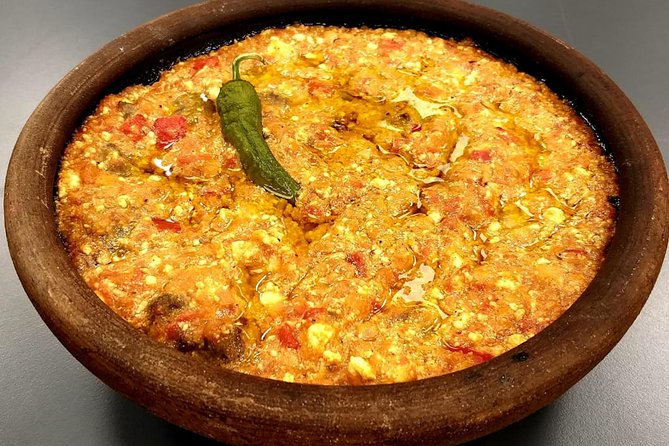
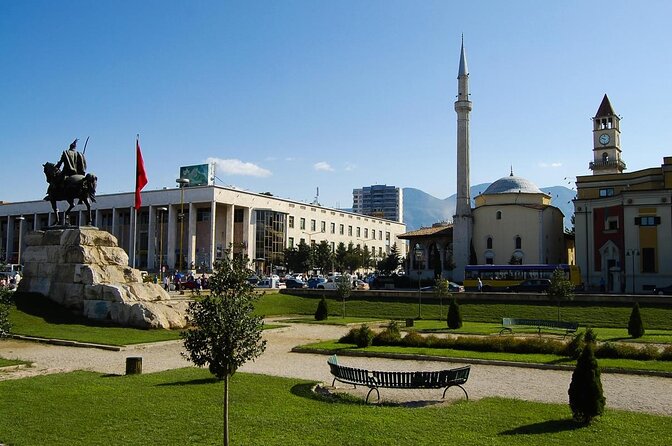
The day begins at Skanderbeg Square, and your first stop is a traditional breakfast place—an older-style spot locals know as a Mengjezore.
Here you’ll taste Pace, a thick, spicy soup made with cow head or bone marrow. It’s not a “safe choice” for every palate, but that’s exactly why it works for a food tour. You’re getting a real Tirana tradition tied to a specific neighborhood: the Bicycle Market area, where the breakfast tradition has been kept alive since 2004.
What I like about starting with something this unusual: it sets the tone. After tasting Pace, the rest of the day’s foods make more sense, and you stop thinking of Albanian cuisine as just “grilled meat.” You’re also less likely to miss the moment, because you’re eating early rather than trying to squeeze food between long museum hours.
Possible drawback: if you hate strong, brothy flavors or you’re squeamish about offal ingredients, this is the hardest stop of the whole walk. The good news is the tour structure gives you other tasting moments right after, so you’re not stuck with only one taste profile.
Pazari i Ri (New Bazaar): produce, souvenirs, and a dessert you can spot later
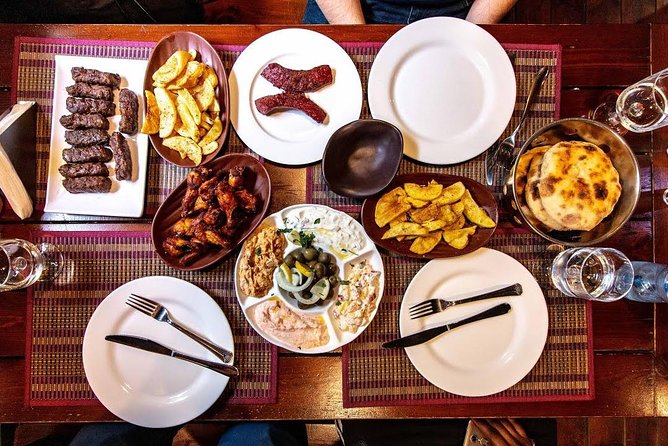
After breakfast, you move into the Pazari i Ri area, also known as the New Bazaar. This is where the tour shifts from “what’s on the plate” to “what’s around the plate.”
You’ll pass through a marketplace environment where you can notice everyday ingredients—fruits and vegetables—and browse small souvenir stalls. The tour also includes a sweet stop at a local pastry shop. One highlight here is a merengue cake recipe that the owner traces back to childhood, with the same recipe in place since 1998.
If you’re the kind of person who likes to remember a city by one or two signature bites, this dessert stop is practical. You’ll likely spot merengue cake later in Tirana’s shops, and now you’ll know what to look for.
The main trade-off: bazaars can be a little chaotic on foot. If you’re sensitive to crowds, keep your pace slow and stay close to your guide so you don’t lose the group while people browse.
Coffee in Blloku: 25 options and the local-language trick
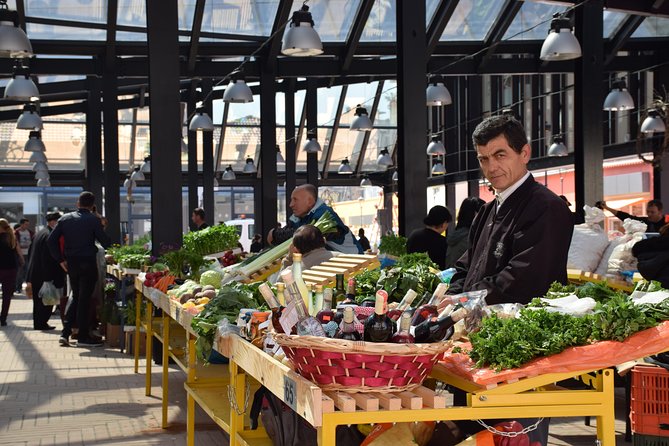
From the older parts of the city toward the center, you’ll reach Blloku, an area tied to communist-era power and architecture. The walk here is more than street scenery—you’ll get the story of how Tirana’s political past shows up in buildings, boulevards, and the feel of the neighborhood.
Then comes the coffee stop. You’ll be at a place that offers more than 25 coffee types, so this isn’t a quick “one drink and move on” moment. The tour gives you a nudge toward sounding local: try a smaller espresso or Turkish coffee if you want to match the style.
I like coffee stops on food tours because they’re a reset. After heavy flavors like Pace, coffee gives you a clean palate and a chance to ask questions while the group sits for a bit.
One practical note: coffee menus in Europe can be a bit different from what you expect. Since this stop is built for choice, go with what you already like (or choose Turkish coffee if you want the full cultural vibe).
Pallati i Kongreseve and the big boulevard walk
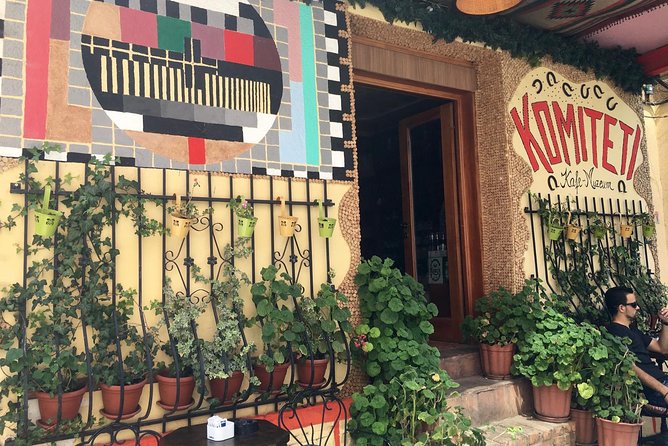
As you keep walking, you hit one of Tirana’s major ceremonial zones: the main boulevard area known as Deshmoret e Kombit, where you’ll see major government-style architecture and the congress area near places like Piramida.
This section is where the tour turns into a city history walk, with your guide explaining what you’re seeing—style, layout, and why so much of Tirana’s center feels shaped by old systems of power. It’s not just dates and names. You start connecting the city map to the food—especially when later dishes and shopping stops feel like modern life layered over older streets.
This is also where timing matters. You’re walking, then you eat a proper grill lunch. If you’ve been sampling earlier sweets and coffee, you may want to pace yourself so lunch feels like a meal, not a snack.
Grill lunch: Fergese, Qofte, and the real point of the day
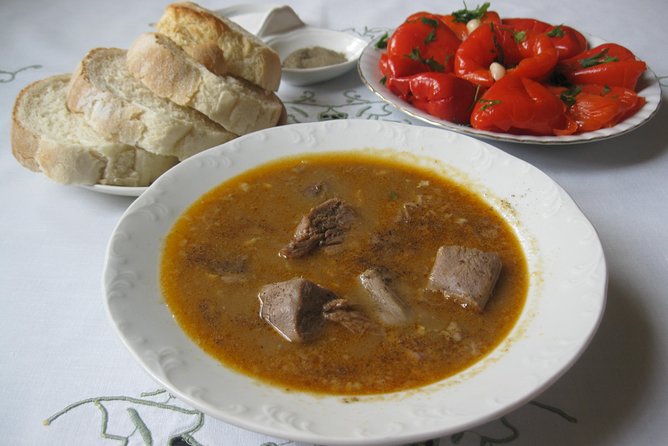
Lunch is served at a traditional grill restaurant, and you get to taste key Tirana dishes—specifically Fergese and Qofte.
Fergese is one of those comfort foods that doesn’t feel complicated once you taste it. Qofte brings the grill-world flavors—savory, hearty, and made for people who want real calories, not just a bite of flavor.
Your day also includes local alcoholic drinks with the meal portion, like local beer, wine, or raki, plus bottled water. That pairing matters because Albania’s cuisine often lands best when you allow the full rhythm: salty + grilled + something warming or crisp to drink.
A detail from the restaurant stop: one place the tour calls out is Restorant Tymi, known for meatballs and Fergese. One food you might see referenced for the grill portion is cevapi, which fits the meat-focused theme of the menu.
If you’re someone who expects “light” lunch on a walking tour, adjust your expectations. This one is built to leave you satisfied.
Tirana Castle, Pedonale, and olive oil tasting you can actually use
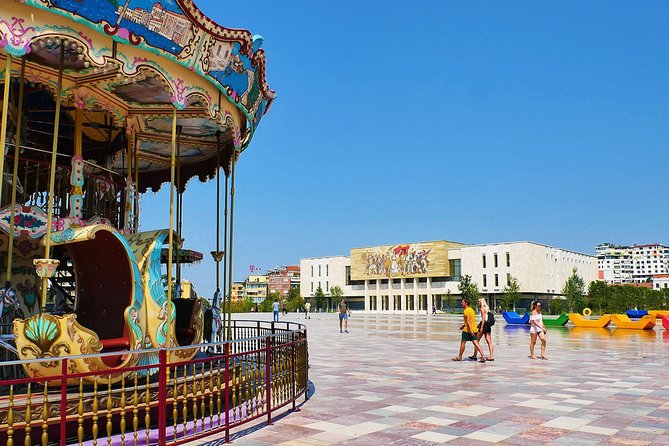
Next you walk through the Pedonale, Tirana’s pedestrian artistic boulevard, heading to Tirana Castle. Even if you’ve seen castles in other Balkan cities, this one feels different because it’s more about today’s city life—shops, bars, and a central location rather than just walls and views.
The tour also notes that Tirana Castle has been recently renovated, which explains why the area feels more active and visitor-ready than a purely historical ruin.
Then comes the olive oil stop. You’ll visit a specialized olive oil shop and get a professional introduction to olive oil history, olive trees, and how to taste olive oil. This is a tasting class, not just a store stop, so you come away with a better sense of what to look for if you buy a bottle later.
I also like that the tour gives you time to shop for olive souvenirs. Olive oil makes sense as a Tirana “food memory” because it’s a product you can use at home. You don’t have to buy something you’ll never cook.
Murat Toptani shop stop: jams, cheese, herbs, and raki tasting
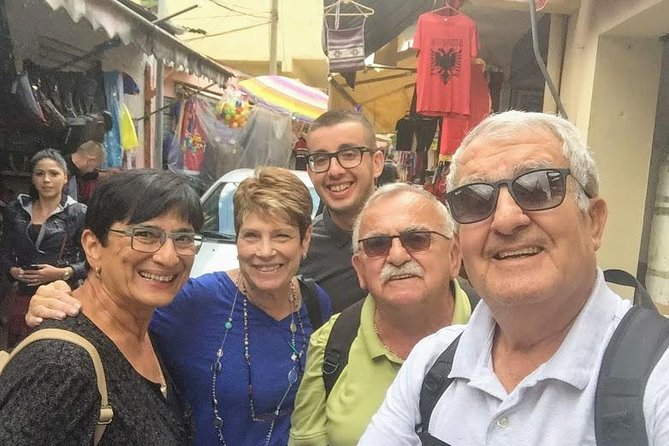
Before the day wraps, you’ll stop at a 100% made in Albania shop in the Shëtitorja Murat Toptani area. This part is built like a final tasting showcase.
You’ll sample things like jams, cheese, herbs, and raki. The vibe is less about a single meal and more about trying small amounts of different flavors from around the country.
If you’re the kind of buyer who hates souvenir traps, this is a better approach. You taste first, then decide if you want to bring anything home. Just remember that personal spending on souvenirs isn’t included—so set a small budget if you plan to shop.
Drinks included, but choose your pace
One of the best values here is that bottled water is included and alcohol is part of the tasting experience: local beer, wine, or raki. That doesn’t mean you have to go heavy. The tour is about food variety, and you’ll be walking between stops.
If you’re sensitive to alcohol, consider drinking beer or wine slowly and using water between tastings. If you want raki, keep it for when you’re ready—many people prefer it after something savory like grilled meat.
Also, one review-style detail matters: guides sometimes adapt the day if the weather turns rough. Albania’s weather can change fast, and while the experience requires good weather, the guide can adjust pace if conditions shift.
Duration, walking style, and what to wear
Plan for about 5 to 6 hours. You’re on foot the whole time, with multiple stops that include tastings and sitting down briefly for coffee and meal portions.
The good part: the walking segments feel broken up by food and viewpoints, so you’re not just marching from one long attraction to the next. The practical part: you’re moving through real neighborhoods, including areas with busy roads and noise, so don’t dress like it’s a museum crawl.
Bring sneakers. Keep a small reusable water bottle as backup if you run thirsty between stops, but the tour does provide bottled water.
Price and value: what $72.59 buys you in real terms
At $72.59, you’re essentially paying for a tightly timed food plan plus guided city context.
Here’s why that price can work well:
- You get breakfast soup plus additional dessert/snack tastings.
- You get a full grill lunch with key dishes like Fergese and Qofte.
- You get drinks included (local beer, wine, or raki) and bottled water.
- You get olive oil tasting at a local producer, which often costs extra in other experiences.
- You also get hotel pickup and drop-off, which saves you time and hassle on a city visit.
The main “cost” isn’t money—it’s appetite and attention. This is not a tour where you can casually snack and browse. It’s built for eating and listening, then eating some more.
If you’re traveling solo, a small-group cap (max 10 people) helps keep it personal enough that questions don’t get lost. If you’re with a partner, the group size also makes it easier to share food opinions and keep the pace comfortable.
Should you book this tour?
Book it if you want Tirana to feel like a real day out: walking between major sights, eating Albanian classics, and getting background on why the city looks the way it does. This tour is especially good for first-time visitors who want food, history, and practical sampling without planning every meal.
Don’t book it if you’re trying to keep things very light or if you dislike offal-based dishes—Pace is the one stop that can be hard for some palates. Also, if street noise and traffic are a deal-breaker for you, consider whether you’ll enjoy short stretches of busy-road walking.
Overall, if you like tours where the guide connects buildings to everyday life and you’re hungry enough to try unfamiliar foods, this is one of the stronger value bets in Tirana.
FAQ
How long is the Tirana food and city tour?
It runs about 5 to 6 hours.
Is the tour offered in English?
Yes, it’s offered in English.
Does the tour include hotel pickup and drop-off?
Yes. Hotel pickup and drop-off are included.
What food and drinks are included?
You’ll have a traditional breakfast (including 2 types of soups), lunch at a grill restaurant, snacks/desserts, and bottled water. Alcoholic drinks included are local beer, wine, or raki.
Do you get to taste olive oil?
Yes. The tour includes an olive oil tasting with a local producer.
How big is the group?
The tour has a maximum of 10 travelers.
Where does the tour start and end?
It starts at Skanderbeg Square and ends back at the meeting point.
What happens if the weather is bad?
This experience requires good weather. If it’s canceled due to poor weather, you’ll be offered a different date or a full refund.
What is the cancellation policy?
You can cancel for a full refund up to 24 hours in advance. If you cancel less than 24 hours before the start time, the amount paid won’t be refunded.