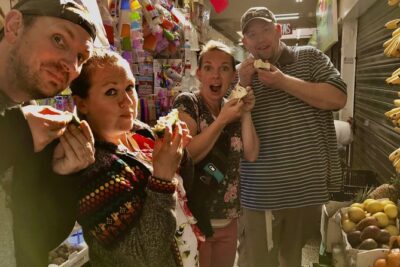
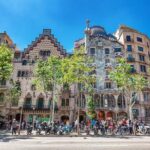
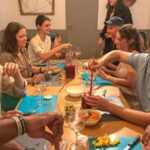
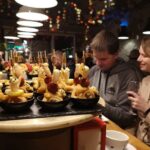
Tapas beats pretending you know Barcelona on day one. This 3-hour evening mixes a walking tour through the Gothic Quarter and El Born with multiple stops for classic tapas and wine, so the city and your dinner feel linked. I love the small group size and the way the guide ties what you see to what you eat. You finish back on La Rambla feeling like you picked up more than a meal.
One possible drawback: you’ll be on cobblestones and narrow lanes, so wear shoes you trust. Also, it’s an alcohol-included tour—pace yourself if you want energy for the rest of your night.
In This Review
- Key things I’d circle before you go
- Why this tapas-and-wine walk feels local fast
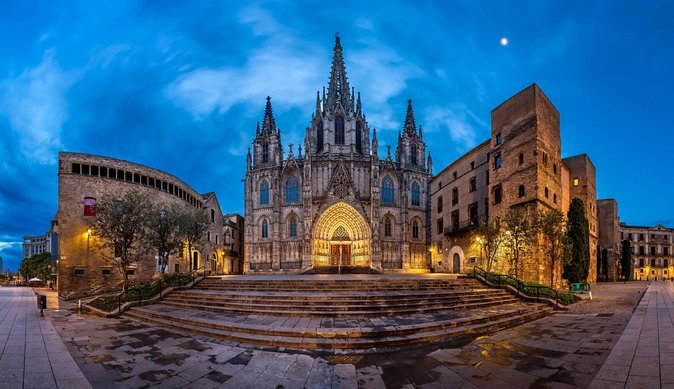
- Gothic Quarter and El Born: the streets do the talking
- Basilica de Santa Maria del Mar: history you can stand in
- Placeta del Pi: the taste pauses that keep the night fun
- La Barceloneta finale: seafood flavor with DO wines
- What you actually eat and drink (and how to enjoy it)
- Guides you’ll remember: the difference between a meal and a story
- Price and value: what you’re really paying for
- Logistics that matter (without spoiling the vibe)
- Who this is best for
- Should you book this tapas and wine experience?
- FAQ
- How long is the Barcelona Tapas & Wine Experience?
- What’s included in the price?
- Is the tour offered in English?
- How many people are in the group?
- Where does the tour start and end?
- Can I cancel and get a refund?
Key things I’d circle before you go
- A true neighborhood walk, not just restaurant-hopping
- Max 12 people, so questions and conversation stay easy
- Wine and vermut pairings with each stop
- Catalan classics on the menu, from croquettes to tomato bread
- Two big areas covered well: Gothic Quarter/El Born and then La Barceloneta
- A guide who sets the context so the streets make sense fast
Why this tapas-and-wine walk feels local fast
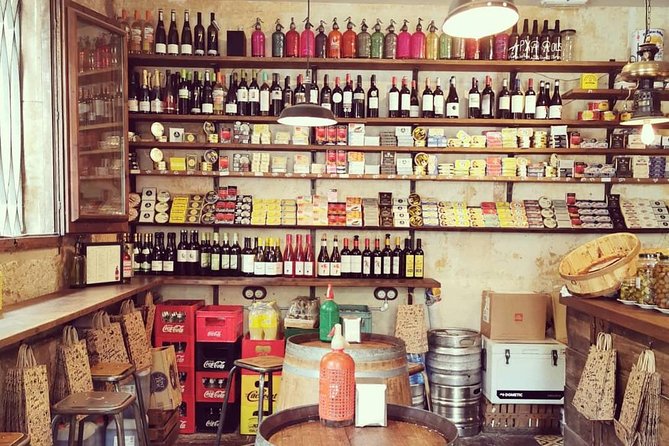
This tour is built on a simple idea: in Barcelona, food isn’t an add-on. It’s how locals read the city. In about three hours, you’ll get a guided stroll through the Gothic Quarter and El Born/La Ribera, then shift toward La Barceloneta, the old fisher neighborhood by the sea. By the end, the route itself gives you the sense of place you’d otherwise try to piece together alone.
The price is also easier to judge once you know what’s included. You’re paying for guided walking plus dinner-style tapas and alcoholic beverages, not just for a table reservation. For many people, that turns into real value because you don’t have to plan stops, deal with ordering, or guess what’s worth your money.
Start point matters here. Meeting at La Rambla 97 puts you in the middle of the action, but the guide’s job is to get you moving from the busiest sightseer flow into smaller streets and long-established food places. That’s usually where a local evening starts to feel like a local evening.
You can also read our reviews of more wine tours in Barcelona

Gothic Quarter and El Born: the streets do the talking
Your first stretches focus on the Gothic Quarter, a maze of old stone streets where you can feel the layers of the city under your feet. Instead of treating it like a checklist, the guide uses the walk as a running explanation—how the area formed, what you’re seeing in front of you, and why Barcelona’s identity is tied to places like these.
Then you move into El Born and La Ribera, another neighborhood that feels like Barcelona’s past and present sitting side by side. This is the part I like because it’s not just scenery. The guide keeps switching between what’s on the street and what’s on the plate, so you’re not stuck with the same “let’s look at a building” rhythm.
You’ll also notice the pace is designed for eating. Stops aren’t random. They feel like pauses that match the neighborhoods you’re passing through. That means you’re walking enough to see, but you’re not rushing to the next thing so hard you lose the flavor of the last one.
What to watch for: old streets can be uneven, and evening light makes stone and shadows easy to miss underfoot. Keep your eyes on the sidewalk between photo stops.
Basilica de Santa Maria del Mar: history you can stand in
One of the nicest moments is when the walk leads you to Basilica de Santa Maria del Mar. Churches in Barcelona often aren’t just about architecture; they’re about where communities gathered and how the city carried itself. This stop works because it breaks your dinner rhythm with a reset of scale and detail.
You don’t need to be a religious-history expert to enjoy it. The value here is that the guide’s context makes the building feel less like a postcard and more like a real place people shaped for their lives. You end up understanding why this area has such a strong identity. It helps later when you’re eating in small places where tradition is still part of the day-to-day.
Practical note: if you’re planning a lot of photos, bring your phone strap or do short bursts. You’ll be walking, eating, and moving again soon.
Placeta del Pi: the taste pauses that keep the night fun
After the bigger stop, you head toward Placeta del Pi, a small square that’s great for a breather. This kind of place is part of how Barcelona moves. Squares give you a natural rhythm: walk, look, pause, eat, repeat.
This is also where the evening starts feeling less like sightseeing and more like hanging out. You’re in an area full of small bars and classic tapas formats. The guide’s timing matters because it keeps you from feeling stuck in a long line or waiting too long between courses.
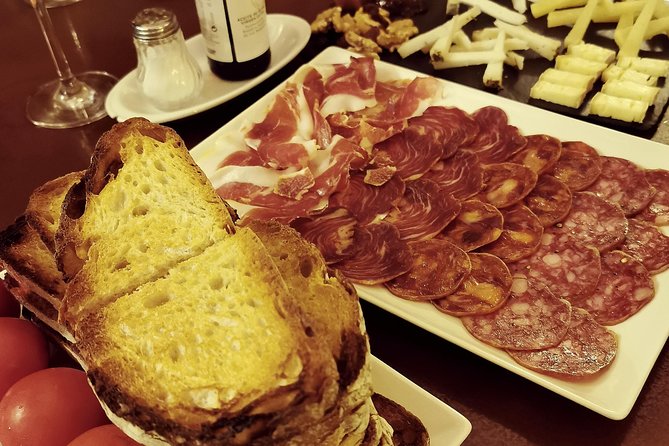
And yes, you’ll likely get to try pieces that are very Catalan in spirit. Expect things like Catalan tomato bread, plus tapas that are meant for sharing and trading tastes with your group. Small group size really helps here because you can compare bites without turning the table into a busy mess.
La Barceloneta finale: seafood flavor with DO wines
As you move into La Barceloneta, the city energy shifts. You’re still in old streets, but now the theme leans toward the sea: fish, salts, and flavors that feel like a better match for night air.
The pairing is smart. You’re not just eating random tapas; you’re finishing with regional foods like salted cured tuna (mojama) and smoked sardine with tomato bread. When seafood arrives after a night of ham, cheeses, and crunchy bites, it keeps the menu from feeling repetitive.
On the drink side, the tour includes choices tied to Catalonia. You may try a Terra Alta DO white wine, a Montsant DO red wine, plus a craft vermut aperitif. If you’re a wine person, this is a nice sweep across styles—from aperitif-style before-meal drinking to more classic wines with food.
If you want a fun local drinking moment, one review highlights a borron tasting step. Even if you don’t know what it is, it’s one of those “only in the moment” bits that makes the night feel less like a scripted meal.



What you actually eat and drink (and how to enjoy it)
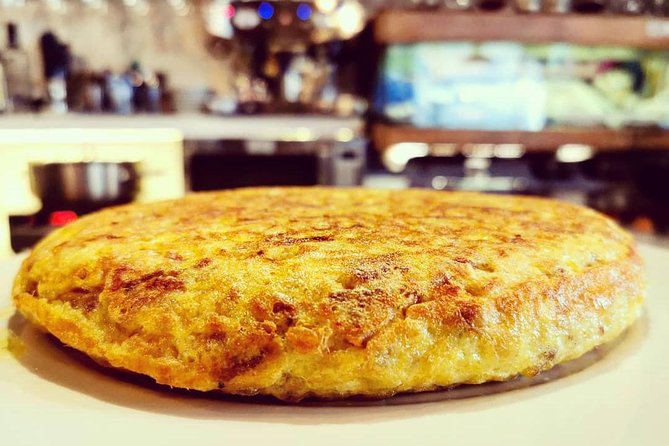
This tour’s menu leans hard into Spanish/Catalan staples, and that’s a good thing. When you’re trying to learn the region through food, you don’t want to get stuck on one or two trendy items.
Here’s what’s included in the sample lineup:
Food you can expect:
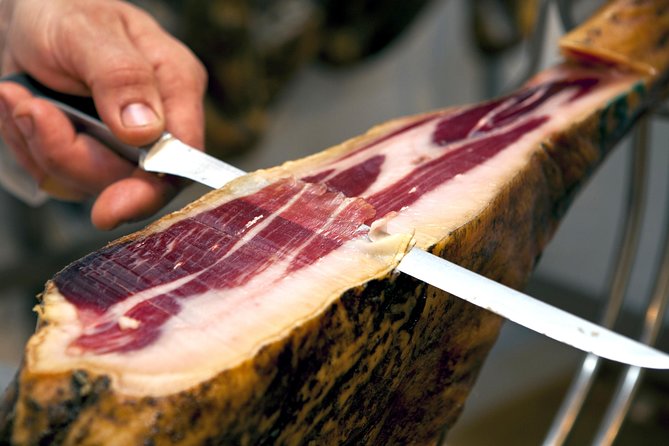
- Iberian ham
- 6 local cheeses
- Croquettes
- Spicy potatoes (braves)
- Potato omelette (tortilla)
- Catalan tomato bread
- Gilda (pintxo)
- Salted cured tuna (mojama)
- Smoked sardine with tomato bread
Drinks you can expect:
- Terra Alta DO white wine
- Craft vermut aperitif
- Montsant DO red wine
How to savor it without feeling stuffed:
- Start with the ham and cheese if they’re early, because they set the salt-and-fat baseline. Then the tomato bread and croquettes make more sense.
- If you’re offered braves and then vermut, go slow. Spicy potatoes plus aperitif can be a strong combo fast.
- When seafood shows up, switch your mindset from heavy to coastal. Small bites matter more here.
Diet notes: the tour does accommodate dietary restrictions according to guide behavior praised in past experiences. Still, it’s smart to tell the organizer ahead of time what you need and ask how they handle specific limits.
Guides you’ll remember: the difference between a meal and a story
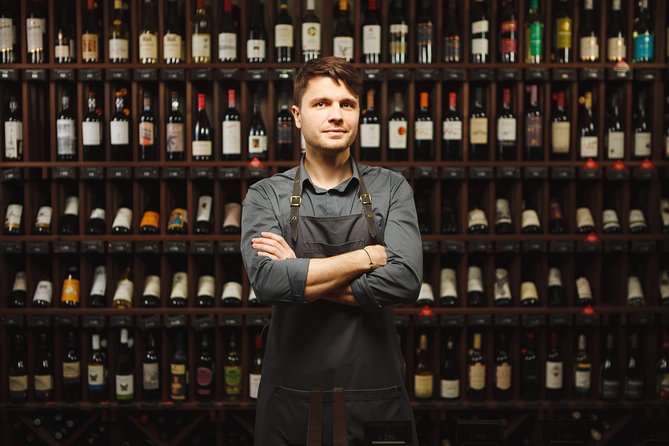
The best food tours do two things: you eat well, and you learn in a way that sticks. This one leans on the guide to connect the dots.
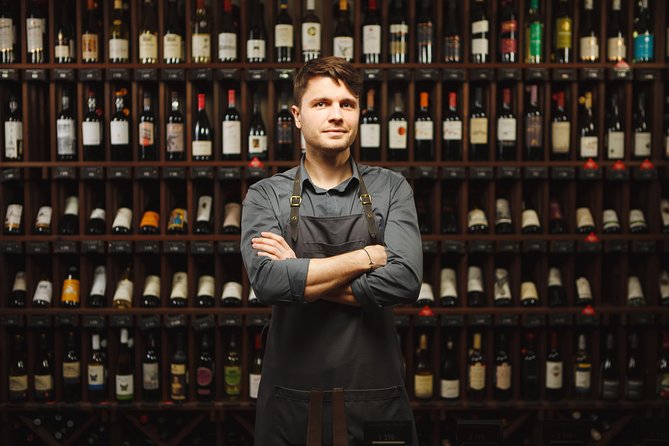
Past groups have praised guides such as Libor, Eli, Naomi, and Ellie for being funny, comfortable to talk with, and clear about the places you walk through. That matters because the evening isn’t just “go here, eat, go there.” You get short explanations along the way so the route feels earned.
It also helps that the guide picks longstanding, family-run style stops rather than only the big obvious spots. That’s usually where you’ll get better pacing and a more relaxed vibe.
Small group size (max 12) is the practical reason this works. With fewer people, the guide can keep the conversation moving and help everyone settle into the rhythm of the night.
Price and value: what you’re really paying for
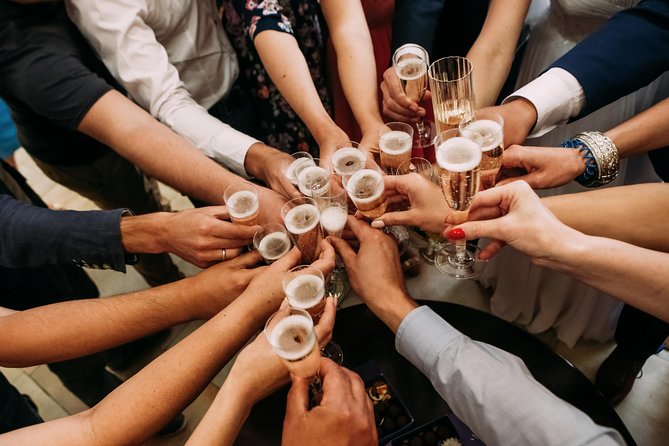
At $102.58 per person for about three hours, you’re not paying for a simple walk. You’re paying for:
- guided walking through major areas (Gothic Quarter, El Born/La Ribera, and over toward La Barceloneta)
- multiple tapas stops that add up like a dinner
- alcoholic beverages included
- a cap of 12 travelers, which keeps the experience from turning into a food-cattle line
So the value depends on you. If you were already planning to eat tapas that cost roughly the same and also buy wine at each stop, this can be a clean deal. If you’re the type who wants one big meal and a soft drink, then you might feel the cost more sharply because the tour includes alcohol.
One timing note: it’s booked about 44 days in advance on average. That tells you the demand is real. If you want a specific night, don’t wait for “later this week” decisions.
Logistics that matter (without spoiling the vibe)
This tour uses a mobile ticket and is offered in English. It runs near public transportation and most people can join in. Service animals are allowed.
You’ll also be walking continuously enough to make shoes a must. Bring something comfortable and breathable. You’ll get stops, but you’re still covering meaningful ground between neighborhoods.
Since alcohol is included, decide your approach before you start:
- If you want to taste everything, pace with water.
- If you’re not drinking much, you can still enjoy the food portion and sip what you like. Just remember you’re on a set route and timing.
Who this is best for
You’ll love this if you want:
- a guided overview that connects Barcelona’s look and its food
- a tapas dinner experience without restaurant homework
- a smaller group so you can ask questions and actually talk
It’s also a strong option for first-timers. You get major neighborhoods in a compact timeframe, plus food that makes those neighborhoods feel real.
If you dislike walking at night, or you want total control over where you eat, you might find the fixed route limiting.
Should you book this tapas and wine experience?
I’d book it if you want a three-hour, guided, food-first evening that gives you context, pacing, and a menu you can trust. The mix of Gothic Quarter and El Born with the shift to La Barceloneta keeps the night from feeling one-note, and the included tastings are detailed enough that you’ll feel like you had dinner, not just snacks.
Skip it only if you know you won’t enjoy a walking-heavy plan or you’re looking for a fully non-alcohol experience. Otherwise, this is the kind of evening that makes your Barcelona days easier, because you leave knowing where you’ve been and why it matters.
FAQ
How long is the Barcelona Tapas & Wine Experience?
It lasts about 3 hours.
What’s included in the price?
Dinner is included, along with alcoholic beverages.
Is the tour offered in English?
Yes, it’s offered in English.
How many people are in the group?
The tour has a maximum of 12 travelers.
Where does the tour start and end?
It starts at La Rambla, 97, Ciutat Vella, 08002 Barcelona, Spain and ends back at the meeting point.
Can I cancel and get a refund?
You can cancel for a full refund up to 24 hours before the experience starts.