REVIEW · CHINATOWN BANGKOK
Bangkok: Chinatown Night Food Tour
Book on GetYourGuide →Operated by Asia Food Tours by Navatas · Bookable on GetYourGuide
Chinatown at night is a feast for the senses. This Bangkok Chinatown Night Food Tour takes you through Yaowarat, a neighborhood with deep Chinese-Thai roots, with 7 tasting locations plus cultural landmarks and stories between bites. I like that it mixes everyday street food energy with moments of proper neighborhood context, so you’re not just eating—you’re getting the why behind the flavors.
I also love how the pace is guided and intentional: you sample at a series of eateries (from street stalls to more established restaurants) while your guide ties the food to the neighborhood’s character, including religious and cultural sights along the way. The guides can be excellent, and names like Jongkie, Ninee, and Olive show up in the feedback often, which is a nice sign you’re likely to get a real storyteller, not a basic server.
One possible drawback: you’ll walk and snack a lot in about 210 minutes, so if you’re heat-sensitive or want light tasting only, you might feel food and crowds at the same time.
In This Review
- Key Things to Know Before You Go
- First Steps: Finding the Meeting Spot in Hua Lamphong
- Yaowarat at Night: What the 210 Minutes Feels Like
- Your 7 Tasting Stops: How the Food Plan Works
- The one thing to watch for
- The Food Styles You’ll Run Into (Street to Restaurant)
- Culture Between Bites: Temples, Landmarks, and Neighborhood Stories
- The Sweet Spot: Drinks and Desserts That Change the Mood
- Price and Value: Is $57 Worth 3.5 Hours?
- Logistics That Actually Matter: Walking, Bags, and Comfort
- Who This Tour Fits Best
- What to Expect From the Guides (And Why It Matters)
- Should You Book This Bangkok Chinatown Night Food Tour?
- FAQ
- How long is the Bangkok Chinatown Night Food Tour?
- Where do I meet the guide?
- Is the tour guide English-speaking?
- How many food tastings are included?
- Is the group private or shared?
- What is the price per person?
- Is smoking or bringing pets allowed?
Key Things to Know Before You Go

- 7 tasting stops across street vendors and well-known spots, so you’re not stuck with only one style of food
- Yaowarat street energy with built-in stops for religious and cultural landmarks
- Food + stories, including Chinese-Thai connections your guide explains as you move through the area
- Dessert and drink variety like lychee ice cream, tropical fruit drinks, and black sesame dumpling in ginger tea
- Local-guide focus in a private group, which helps you ask questions and adjust pacing
First Steps: Finding the Meeting Spot in Hua Lamphong
Your evening starts at Bangkok Center Hotel, near Exit 4 of Hua LumPhong MRT station. If you’re taking the subway, come up the stairs at Exit 4 and look for the hotel frontage. If you’re using a taxi, tell the driver to drop you at Bangkok Center Hotel—simple and fast.
Your guide usually wears a green T-shirt that says Bangkok Food Tours. That matters because this area has plenty of people offering help, and not all of it is helpful. If strangers try to tell you the tour is closed and steer you toward shops, treat it like a red flag and ignore it. Stay at the meeting point; the guide often has to search for the group.
This is one of those Bangkok moments where being clear about location saves time and stress. When you’re hungry and it’s evening, you don’t want a scavenger hunt before you even start eating.
Yaowarat at Night: What the 210 Minutes Feels Like
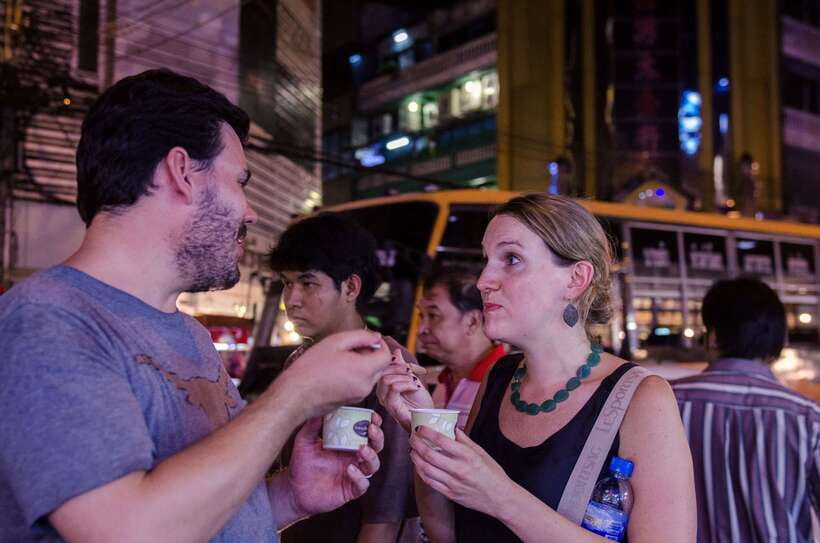
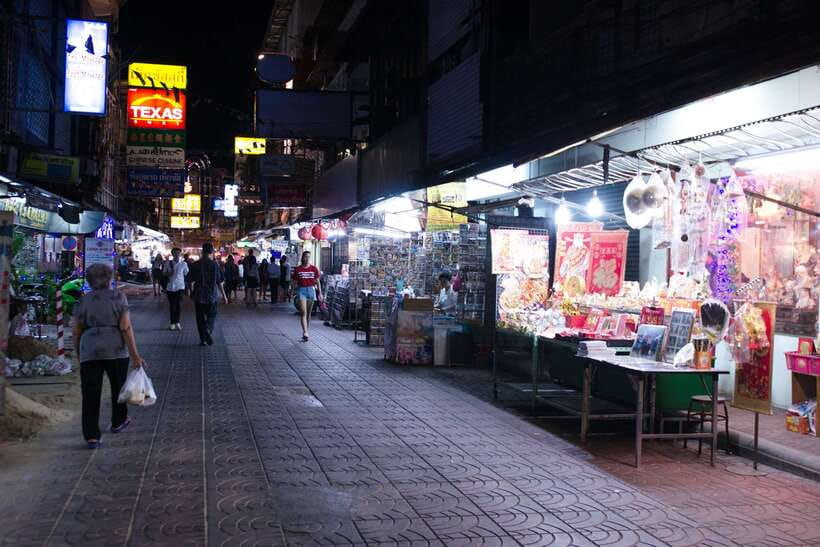
This tour runs about 210 minutes, so you’re looking at a solid 3.5 hours of walking, tasting, and learning. The shape of the experience is straightforward: you move through Yaowarat, stop to taste at 7 places, then keep going until the flavors add up.
The best part is that the walking isn’t random. Between food stops, you get little orientation moments—where you are in the neighborhood, why certain areas matter, and how the culture shows up in daily life. You’ll also visit religious and cultural landmarks during the walk. That’s important because Chinatown food can feel like a blur if you only focus on dishes. The landmark stops give your brain something to anchor to.
Expect a night-food rhythm: savory first, then continuing flavors, then the sweet and drink finishes. You’ll likely leave feeling full, not just entertained.
Your 7 Tasting Stops: How the Food Plan Works
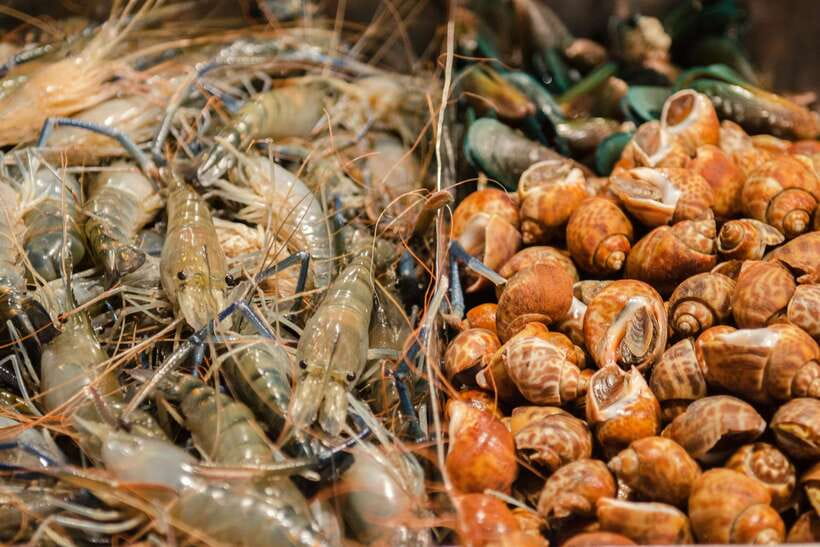
The tour is structured around tasting, not meal replacement. “All food tasting” is included, and the stops are spread across a mix of street vendors and established eateries. That design is smart in Bangkok: street food gives you authenticity and variety, while better-known restaurants can help you understand classic flavors without guesswork.
While I can’t guarantee the exact order of every stop, the tour’s food examples make the overall pattern clear. You’re set up to try plenty of famous Thai street food styles, including:
- Noodles and soups (a Chinatown staple, where Chinese and Thai tastes overlap)
- Seafood dishes and other savory plates you can’t easily recreate at home
- Fruit drinks in that bright Thai style (sweet, icy, and refreshing)
- Desserts, with examples like lychee ice cream and black sesame dumpling in ginger tea
A tour like this works best when you keep your expectations flexible. Don’t come in thinking you’ll only eat the foods you already know. The value here is in the range: savory, then warming comfort dishes, then cold drinks, then dessert.
The one thing to watch for
The tour includes multiple tastings and several sweet items. If you have a sensitive stomach, go slow at each stop and drink water when you can. Also, don’t plan a “real dinner” right after.
The Food Styles You’ll Run Into (Street to Restaurant)
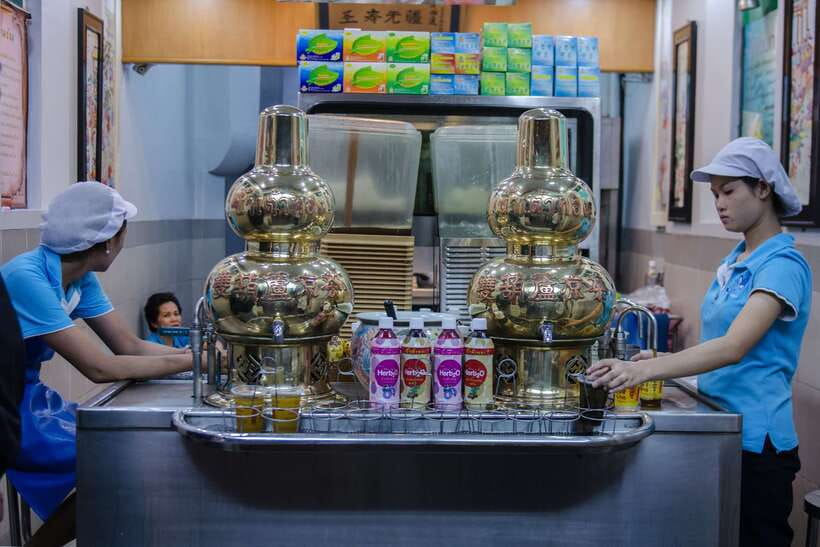
One reason this tour earns such strong ratings is the mix of food sources. You’re not only eating from tiny street carts, and you’re not only stuck in more tourist-friendly restaurants either. The experience explicitly includes both street food vendors and renowned fine dining restaurants, so you get to compare how the same neighborhood treats flavors in different settings.
Here’s what that means in practice:
- Street stalls tend to focus on speed and intensity—big flavor, bold seasoning, and items made in front of you.
- Established places often help refine the dishes—still tasty, but you may get more consistency in presentation and texture.
You’ll also notice how the guide helps you handle the “what is this and how do I eat it?” moments. In a neighborhood like Yaowarat, that support matters because the menu language and naming can be confusing when you’re hungry.
Culture Between Bites: Temples, Landmarks, and Neighborhood Stories
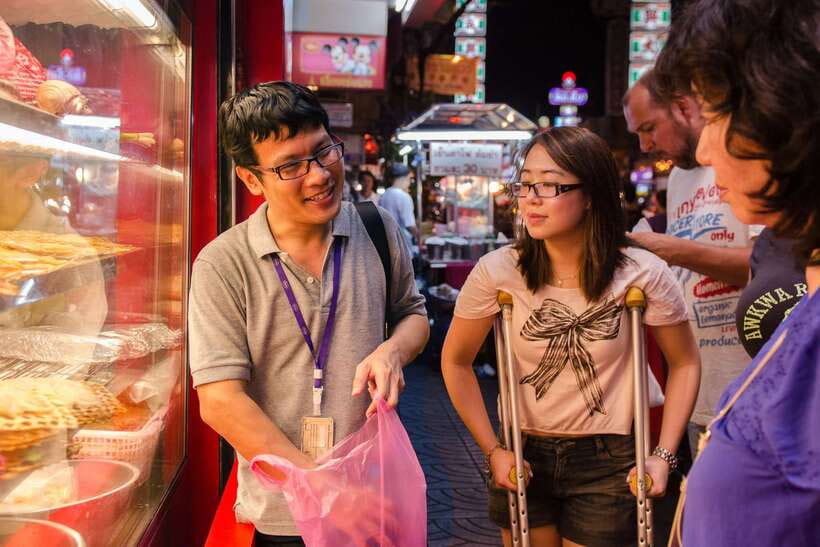
This isn’t only about food. You get a closer look at the neighborhood’s personality as you walk. The tour includes religious and cultural landmarks, and your guide shares the stories that connect Chinese heritage to Thai daily life.
In the feedback, one theme pops up: guides spend real time explaining what you’re seeing—both in food and in street culture. Names like Jongkie, Ninee, and Olive come up repeatedly, and the common thread is that the guides don’t rush you through facts. They connect dishes to context, and they explain why certain foods belong in Chinatown.
You can also see how this works when you care about one specific angle. For example, one guide-focused moment highlighted in the feedback involves interest in the pig alleys (a well-known Chinatown feature). That kind of targeted attention is exactly what a private group helps with: you can steer the conversation if something catches your interest.
The Sweet Spot: Drinks and Desserts That Change the Mood
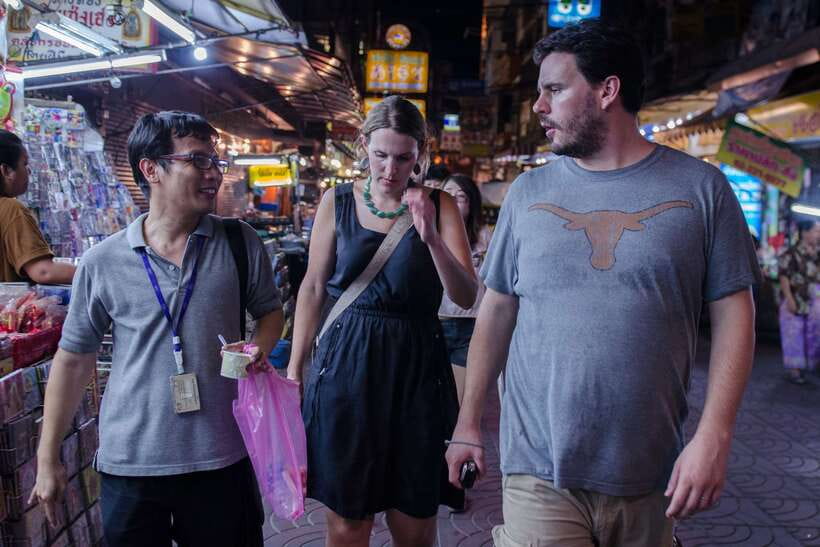
Even if you start with savory dishes, the end of the tour naturally shifts toward drinks and desserts. The food examples for this tour are worth noting because they signal the variety you’ll likely enjoy rather than repeating the same flavor profile.
Look out for:
- Lychee ice cream: creamy, floral, and a nice reset after salty street food
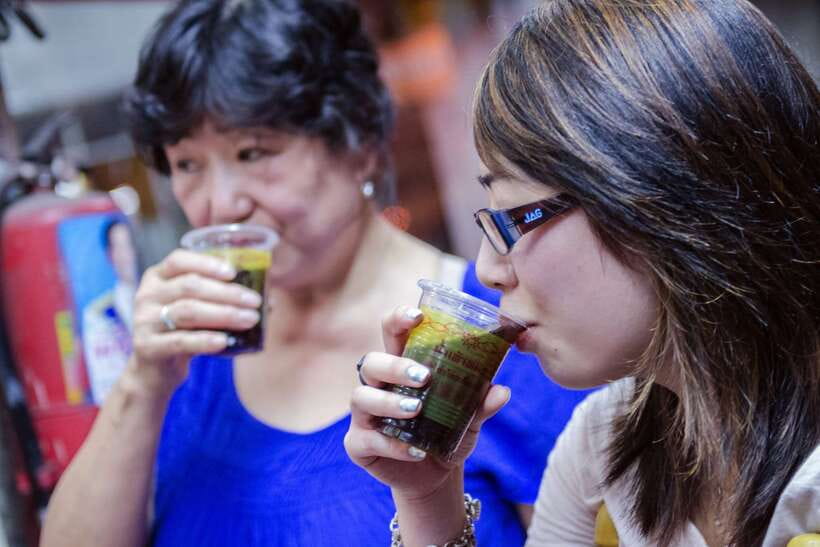
- Thai tropical fruit drinks: often icy and sweet—refreshing when the sidewalks feel hot
- Black sesame dumpling in ginger tea: warm, comforting, and less expected than standard fruit desserts
These moments are part of the value. A lot of food tours include one dessert and call it a night. This one signals multiple sweet-and-refreshing experiences, which is why it’s easy to feel like you truly sampled Chinatown, not just grazed through it.
Price and Value: Is $57 Worth 3.5 Hours?
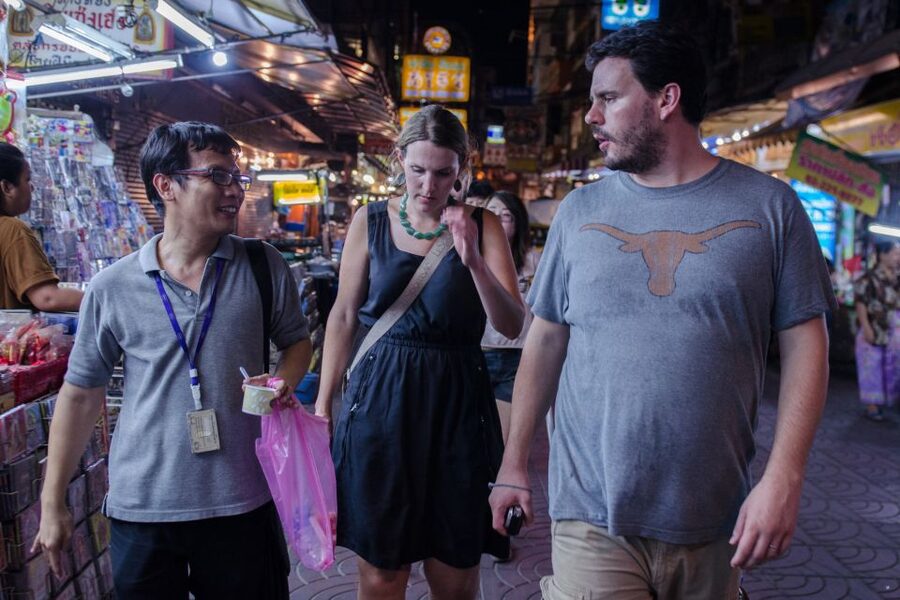
$57 per person sounds like a “food tour price,” but the real question is whether you’re paying for convenience and guidance or paying for food you could just hunt down alone.
Here’s what you’re getting that supports the price:
- All food tasting is included, so you’re not guessing how many items add up to that cost
- 7 tasting locations across street vendors and more established restaurants
- A live English guide throughout the walk
- Cultural and landmark stops, which turns it from a snack crawl into a guided neighborhood experience
If you were to recreate this on your own, you’d likely spend money on food anyway—and you’d still miss the context, the pacing, and the “what should I try here?” help. In other words, the tour price buys you less uncertainty and more variety in a short window.
For many people, the best value is simply time. You get a structured Chinatown night without having to build the plan yourself.
Logistics That Actually Matter: Walking, Bags, and Comfort
The tour has rules: no pets, no smoking, and no luggage or large bags. That’s a practical setup for a tight street-food route where you’ll need your hands free and your movement unobstructed.
Also, think about comfort:
- You’ll walk a lot in an evening setting.
- You’ll eat multiple small portions, including sweet items and drinks.
Wear shoes you can handle on uneven sidewalks. Bring a simple plan for what you carry (phone, money/card if needed, and maybe water). The tour is designed for mobility, not sightseeing with bulky gear.
Who This Tour Fits Best
This tour is a strong match if you:
- Want Thai street food but prefer a guide to pick the right dishes
- Enjoy learning how food connects to neighborhood culture
- Like a structured plan with 7 tasting stops instead of wandering blindly
- Want to ask questions and take your time with explanations (private group helps)
It may be less ideal if you:
- Want very light eating
- Have strong dietary restrictions (the tour data doesn’t list specific allergen accommodations, so you’d want to check directly before booking)
- Dislike walking in crowded nightlife areas
What to Expect From the Guides (And Why It Matters)
The reviews make one thing clear: guide quality heavily shapes the experience. Names like Jongkie and Ninee come up with consistent praise for knowledge and enthusiasm, and Olive also shows up with a very attentive style—especially when heat becomes an issue.
One subtle but important point: good guides help you feel safe with unfamiliar foods. They explain what you’re tasting, and they keep the group moving at a reasonable pace. That’s why you can end the tour full and satisfied instead of rushed and confused.
Should You Book This Bangkok Chinatown Night Food Tour?
If you want a smart, guided way to experience Yaowarat, I think you should book. This is one of those tours where the value isn’t just the food—it’s the combination of 7 tastings, cultural stops, and a local guide who connects dishes to place.
I’d book it if your goal is to eat a wider range of Chinatown flavors in one evening without building a DIY route. You’ll leave with the feeling that you experienced Chinatown as a neighborhood, not a checklist of street snacks.
Skip it only if you strongly prefer low-volume tasting, want minimal walking, or don’t want to be in lively nightlife streets.
FAQ
How long is the Bangkok Chinatown Night Food Tour?
The tour lasts about 210 minutes (around 3.5 hours).
Where do I meet the guide?
The meeting point is in front of Bangkok Center Hotel near Exit 4 of Hua LumPhong MRT station. If you take the MRT, go up the stairs at Exit 4.
Is the tour guide English-speaking?
Yes, the tour includes a live guide in English.
How many food tastings are included?
The tour includes tastings at 7 locations, and all food tasting is included.
Is the group private or shared?
This activity is listed as a private group.
What is the price per person?
The price is $57 per person.
Is smoking or bringing pets allowed?
No—pets aren’t allowed, and smoking isn’t allowed.
If you tell me your travel dates and whether you prefer spicy or mild foods, I can suggest how to pace your tastings so the dessert portion still feels like a treat.