REVIEW · FLORENCE
Authentic Culinary Experience in a Tuscan Family Estate
Book on Viator →Operated by Margherita Leosco · Bookable on Viator
A Tuscan lunch starts with sage focaccia. This hands-on cookery class at La Quercia Estate near Impruneta mixes garden ingredients, family recipes, and a short wine-and-antipasto break that turns work into a slow, social meal. I especially love learning directly from Veronica, the Tuscan mother behind the menu, and I love the setting: an estate feel that makes you forget you’re close to Florence. One thing to plan for: private transportation isn’t included, so you’ll need your own bus/taxi plan to get there.
You’ll start at 10:00 and work through a five-course lunch with an English-speaking instructor—then eat what you made around 1:30. The menu is typically Tuscan/Mediterranean and can be tailored to your taste, and you’ll get recipes to take home.
In This Review
- Key highlights to look for
- Why La Quercia Estate cooking in Impruneta feels different
- From 10:00 start to lunch around 1:30: the day’s flow
- The studio, the teaching, and the duo of Margherita and Veronica
- The five-course Tuscan menu: what you’ll actually make
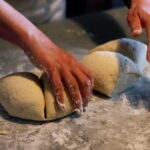
- Starter: Focaccia con la Salvia
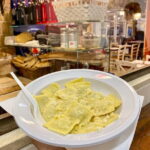
- Main: Gnocchi di Patate con sugo di pomodoro fresco
- Main: Polpettine al Limone
- Main: Pisellini alla Toscana (in a terracotta casserole)
- Dessert: Dolce al Cioccolato
- Culture lessons happen while you cook, not after
- Price and value: what $300.37 buys you in real terms
- Getting from Florence: CAP bus or a short taxi ride
- Who should book this cooking class (and who might skip it)
- Should you book La Quercia’s Tuscan cookery class?
- FAQ
- What time does the class start?
- How long is the experience?
- Where do I meet for the cooking class?
- Does transportation from Florence come with the class?
- What group size should I expect?
- Is the class offered in English?
- What do I get when I arrive?
- Is lunch included?
- Are recipes included to take home?
- Is there free cancellation?
Key highlights to look for
- Small group size (max 10) means you actually cook, not just watch.
- Veronica + Margherita teach a family-style approach rooted in Tuscan tradition.
- Estate wine break at noon with white Trebbiano and red San Giovese, plus antipasto you helped prepare.
- Garden-fresh ingredients built around the season, not a generic supermarket menu.
- Take-home recipes and all equipment included, so you can repeat the dishes later.
Why La Quercia Estate cooking in Impruneta feels different
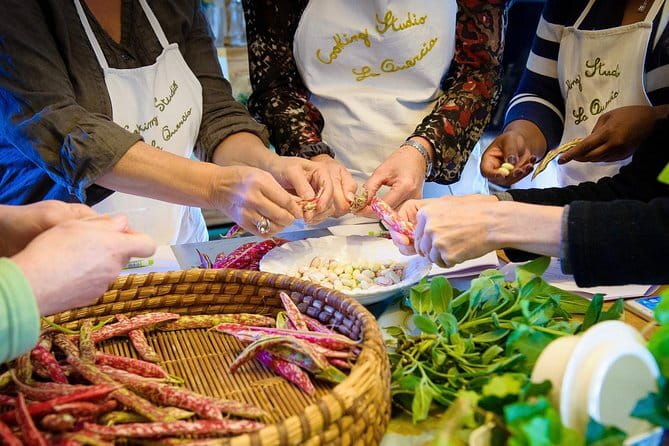
Florence is loud, beautiful, and full of lines. This is the opposite. You trade the city pace for a countryside estate where food comes from routines—gardens, seasons, and family know-how passed down at home.
At the heart of the experience is a practical goal: you make a full lunch, course by course, with guidance from Veronica and hosted by Margherita Leosco. Veronica’s teaching style comes from what you’d expect in a real Tuscan kitchen—clear steps, lots of patience, and attention to how ingredients behave (especially when you’re working with fresh pasta, sauces, and herbs like sage).
Two things make this class stand out in a good way. First, you don’t just taste Tuscany—you build it. You’ll shape dough, portion ingredients, and finish dishes under instruction. Second, the meal structure matters. The day includes a break with estate wine and antipasto around noon, so the class doesn’t feel like a cooking bootcamp.
The main “watch-out” isn’t the food. It’s getting there. Transportation to the estate isn’t included, and the meeting point is in Impruneta (about a short ride from Florence). If you hate logistics, plan your route early.
You can also read our reviews of more tours and experiences in Florence.

From 10:00 start to lunch around 1:30: the day’s flow
The day runs for about five hours. It starts at 10:00 am at La Quercia Estate, Via di Fabbiolle, 15, 50023 Impruneta FI, Italy. It ends back at the same meeting point.
Here’s the rhythm you can expect:
Arrival and first bites (morning tea/espresso + cake)
When you arrive, you’re welcomed with a steaming cup of vanilla tea or traditional Italian espresso, plus homemade cake or pastries. Then you get a short overview of what you’ll cook that day and what techniques you’ll be practicing.
Hands-on cooking session (morning)
Around the first stretch of the class, you’ll start building the dishes that lead into lunch. Your instructor breaks down each step and helps you stay on track—especially with items where timing matters (like dough handling and sauce prep).
Noon break with estate wine + antipasto
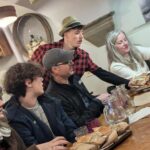
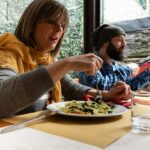
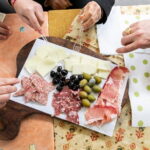
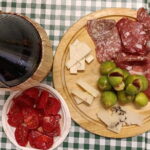
Around noon, you pause. You’ll sip wine from the estate—white Trebbiano and red San Giovese—and enjoy an antipasto that you prepared earlier. This break is one of the smartest parts of the program. It lets your palate reset, and it gives you a moment to watch how Tuscan eating works in real life: you work, then you sit down together.
Second cooking push (finishing touches)
After the break, you head back to the cucina to finish your menu. This is the part where dishes come together—final shaping, plating prep, and those last “this is how my nonna did it” touches.
Lunch around 1:30
You eat lunch around 1:30 pm, made from what you worked on during the class. After lunch, you may have time to relax and enjoy the estate surroundings before heading back.
The studio, the teaching, and the duo of Margherita and Veronica
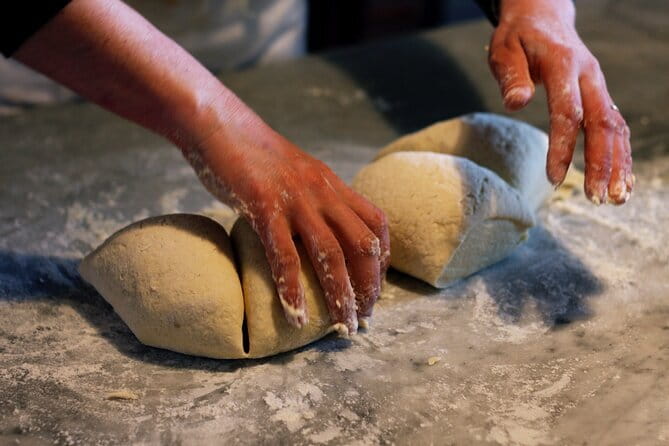
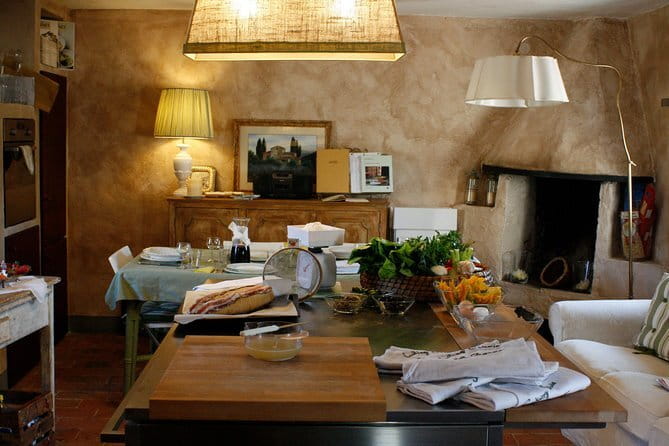
This class has a strong “local kitchen” feel. The cooking studio is described as a converted space with character—something like a former farming storehouse turned into a workshop (and reviews also mention an open hearth fireplace). That matters because it changes how the class feels. You’re not in a glossy showroom kitchen. You’re in a place built for real cooking work.
You’ll also feel the difference in the instruction. The instructor is a Tuscan native with a passion that started young at home—linked to family recipes taught through generations. That comes through as you cook: the guidance isn’t just about getting a result. It’s about learning how Tuscan home cooks think about food—when to add, how to season, and how to treat ingredients respectfully.
Margherita Leosco hosts and guides the day, and Veronica is the cooking teacher you’ll spend most of your time with. In a small group setting (max 10), you get more than a lecture. You get hands-on turns and personal feedback. Even if you’re not a confident cook, the pacing is designed so you’re doing the work, not just standing around.
If you enjoy learning by doing, this is the kind of class you’ll remember because it changes what you do at home. The included recipes make the learning stick.
The five-course Tuscan menu: what you’ll actually make
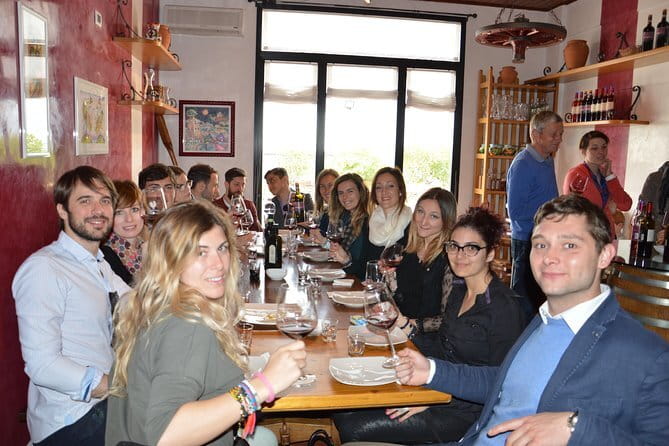
The menu is usually Mediterranean/Tuscan, and it can be tailored to guests’ tastes. Here’s the sample course lineup you can plan around:
Starter: Focaccia con la Salvia
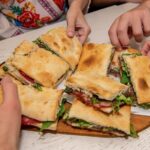
You start with focaccia bread with sage leaves, picked fresh from the kitchen garden. Sage in bread is one of those flavors that sounds simple but hits hard. You’ll learn how herbs change the aroma of dough, not just the taste. And focaccia is a great starter because it sets the tone: this isn’t “mystery Italian.” It’s everyday Tuscan cooking with a few smart details.



Main: Gnocchi di Patate con sugo di pomodoro fresco
Next comes homemade potato gnocchi with fresh tomato sauce. Gnocchi are where you can tell whether a class is truly hands-on. You’re not just eating them—you’re learning how the dough comes together and how sauce should feel (thick enough to cling, not watery).
Main: Polpettine al Limone
Then you’ll make lemon-scented meatballs. Lemon is a classic Italian move: it brightens rich flavors without making the dish taste “citrusy” in a heavy way. You’ll get practice with seasoning balance—especially important when cooking for multiple people.
Main: Pisellini alla Toscana (in a terracotta casserole)
You also cook Tuscan peas using a typical terracotta casserole method. Even if you don’t cook peas often, this teaches something useful: the vessel and the style matter. The terracotta approach supports gentle heat and helps the dish stay comforting and consistent.
Dessert: Dolce al Cioccolato
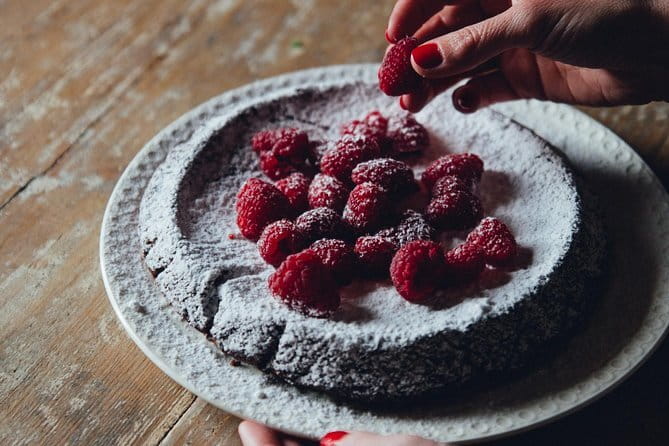
Finally, dessert: melt-in-mouth chocolate cake dusted with confectioners’ sugar. It’s a fitting closer after a savory, herb-driven meal. You’ll leave with a sweet that’s doable at home and not overly fussy.
A big plus: the structure of the day mirrors a real Tuscan meal—bread and herbs first, then pasta and savory mains, finishing with dessert. That makes it easier to remember what you learned, not just how it tasted.
Culture lessons happen while you cook, not after
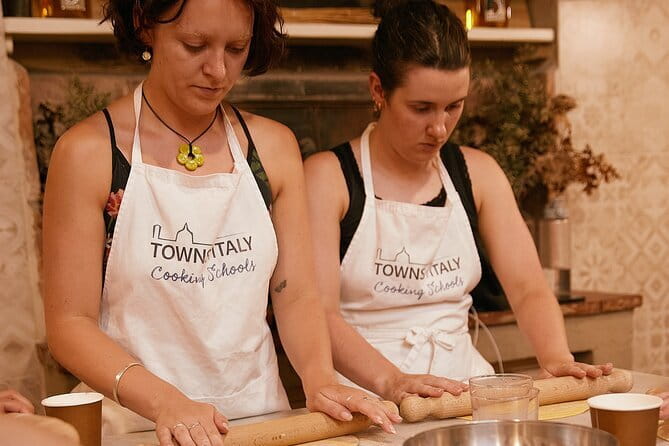
This class isn’t only about food techniques. You’ll also learn the role food plays in Tuscan culture and society. What that usually means in practice is that you pick up the everyday logic behind the dishes—why people care about seasonality, why family recipes persist, and how hospitality shapes meals.
You’ll hear stories tied to the family estate and the cooking philosophy. And because the day is hands-on, the cultural lessons don’t float in the air. They land while you’re seasoning sage, shaping gnocchi, and tasting sauce. You remember because your hands were involved.
Also, the meal pacing matters. The noon break with wine and antipasto isn’t just a snack stop. It reinforces the idea that cooking and eating are part of the same social rhythm. In other words: work first, share second, then keep going.
Price and value: what $300.37 buys you in real terms
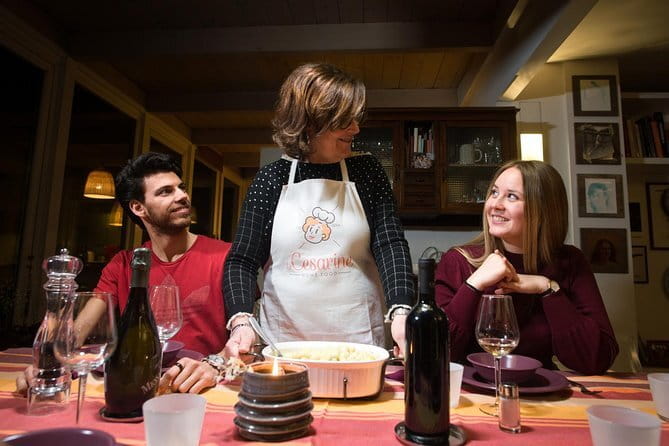
$300.37 per person is not a casual impulse buy. But you should judge it by what’s included and the class size.
Here’s what you’re getting:
- A small-group hands-on class (max 10)
- You prepare a full five-course lunch
- Morning tea/espresso and homemade cake/pastries
- Lunch including estate wine (Trebbiano and San Giovese)
- Recipes to take home
- All necessary equipment
- All taxes, fees, and handling charges
So you’re paying for more than cooking instruction. You’re paying for a full meal experience built around ingredients and hospitality. And because the group is small, the cost goes toward time with the instructors rather than toward a large production.
A practical hint: since it’s often booked well in advance (the average booking window is about 51 days), don’t wait until the last week. If your dates are fixed, book early so you don’t lose the slot.
Also remember the one gap: transportation isn’t included. You may need a bus or taxi from Florence. That can affect whether this feels “easy value” or “value with added planning.”
Getting from Florence: CAP bus or a short taxi ride
You’ll meet at La Quercia Estate in Impruneta. From Florence, you can usually solve this in two ways:
1) Bus option
One approach described is taking the CAP bus from Florence (departing around 9:40 and arriving around 10:15). That gives you a simple window that lines up with the 10:00 start.
2) Taxi option
Another common option is a short taxi ride from Florence city center. That’s helpful if you want door-to-door convenience.
Margherita Leosco has coordinated ride planning for some visitors, so if you want help figuring out timing, reach out early and ask what works best for your schedule.
Where people get tripped up is not the ride itself—it’s arriving on time. Since the class starts at 10:00 am, you’ll want to plan to be at the meeting point a bit ahead.
Who should book this cooking class (and who might skip it)
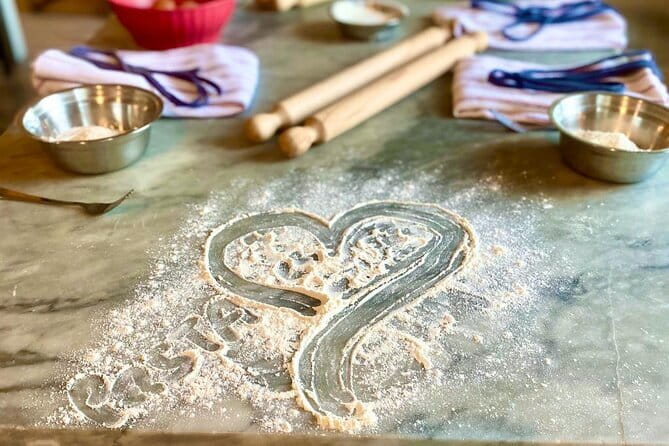
This is a great fit if:
- You want a hands-on Tuscan lunch, not a tasting tour
- You like learning by cooking alongside someone who teaches with patience
- You want an estate setting outside the city noise, near Florence
- You care about taking home recipes you can actually reproduce
You might consider something else if:
- You hate organizing transportation to a countryside location
- You’re looking for a quick, low-effort experience with minimal standing and prep work
- You want a strict, short “clock-out” cooking demo (this is more like a real meal day)
One practical tip from how the day feels: wear comfortable shoes. You’ll be in a working kitchen and moving between stations, and you’ll want to keep your energy for the long lunch.
Should you book La Quercia’s Tuscan cookery class?
If you’re the type of traveler who loves food as part of culture, book it. The best reason is simple: you leave with a finished meal and real technique. The combination of Veronica’s teaching, Margherita’s hosting, estate wines, and a five-course structure gives you more than a class—you get a day that feels like family hospitality.
Skip it only if transportation hassle would ruin your vibe. If you can handle a bus or taxi and you’re excited to cook, this is one of the most memorable Florence-area experiences you can plan.
FAQ
What time does the class start?
The class starts at 10:00 am.
How long is the experience?
It lasts approximately 5 hours.
Where do I meet for the cooking class?
The meeting point is La Quercia Estate, Via di Fabbiolle, 15, 50023 Impruneta FI, Italy.
Does transportation from Florence come with the class?
No. Private transportation is not included.
What group size should I expect?
The class is limited to a maximum of 10 guests, with a minimum of 2 people required per booking.
Is the class offered in English?
Yes, the experience is offered in English.
What do I get when I arrive?
On arrival, you’ll enjoy vanilla tea or traditional Italian espresso coffee with homemade cake (or pastries), and you’ll receive a brief overview of the lesson.
Is lunch included?
Yes. Lunch is included, and it includes estate wines (white Trebbiano and red San Giovese).
Are recipes included to take home?
Yes. Recipes are included.
Is there free cancellation?
Yes. You can cancel for a full refund up to 24 hours in advance of the experience’s start time.