REVIEW · AGRA
Agra: Street Food Walking Tour, Spice Market, & Tuk-tuk Ride
Book on GetYourGuide →Operated by Classic Tours India · Bookable on GetYourGuide
Old Agra tastes like history and heat. This short tour mixes street food with a market-and-temple walk, then resets you in a tuk-tuk ride that lets you hop between neighborhoods without fighting the city on foot. You get the kind of local route that usually stays off most sightseeing lists.
I really like how the guide turns the streets into a story. With English or Spanish options, guides such as Fanfan/Farman or Amir explain what you’re looking at—Mughal-style architecture at Jama Masjid, and the Lord Shiva connection at Shri Mankameshwar Mandir—while keeping the pace human.
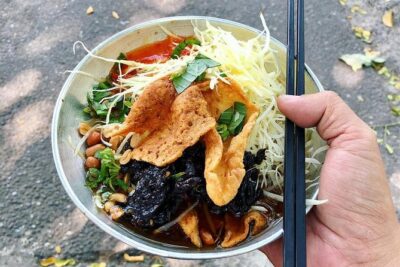
I also like the food-and-smell route. You’ll try classic Agra snacks like samosa, dhosa or chole bhature, aloo tikki, pani tikki, sweets, and masala tea served in a clay pot (and you may score winter treats like gajar ka halwa, depending on the season). One thing to consider: part of the time can include craft or shop stops, so if you hate a salesy vibe, be ready to browse with eyes open.
In This Review
- Key points before you go
- Why this Agra street-food walk feels local
- Tuk-tuk logistics: fast hops, real traffic, smart pacing
- Kinari Bazaar: where jewelry, textiles, and smells meet
- Jama Masjid and the Friday Mosque vibe
- Mankameshwar Temple: Lord Shiva, local devotion, real street energy
- Rawatpara spice market: the smell test you can’t fake
- Seth Gali street-food tasting: samosa, tikki, pani tikki, sweets
- The “shopping + craft stops” question (and how to handle it)
- Price and value: why $14 can be a bargain (or not)
- Best time to go and what to wear
- Who should book this tour in Agra
- Should you book this Agra street food and spice market tour?
- FAQ
- What does hotel pickup and drop-off include?
- How long is the Agra street food walking tour?
- Are monument entrance tickets included?
- Is street food included in the price?
- Are drinks included?
- What places do we visit during the walk?
- What street foods will I sample?
- What language is the tour guide available in?
- What should I wear?
- Can I cancel if my plans change?
- Who is this tour not suitable for?
Key points before you go
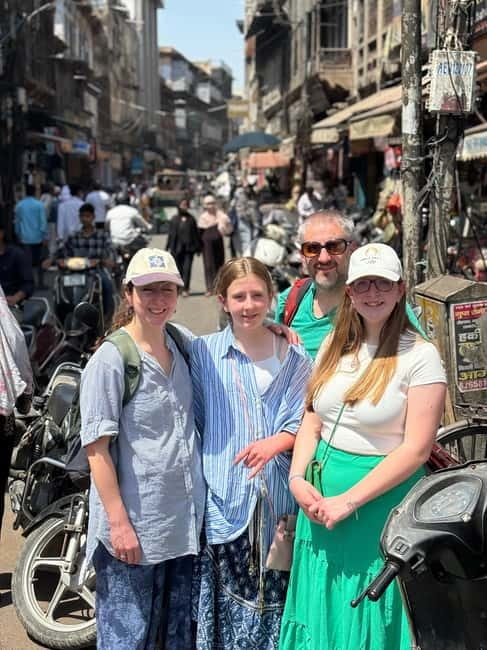
- Tuk-tuk pickup and drop-off from your hotel (or another chosen spot) so you spend less time negotiating and more time tasting.
- Jama Masjid + Mankameshwar Mandir on foot for a real feel of how faith and daily life sit side by side.
- Kinari Bazaar for jewelry and textiles, with plenty of opportunities to compare materials, colors, and styles.
- Rawatpara spice market as a sensory experience: colors, aromas, and everyday shopping habits.
- Seth Gali street-food tasting aimed at multiple small bites rather than one heavy meal.
- Guides like Farman or Amir are the big reason this works well, with calm handling of traffic and curious crowds.
Why this Agra street-food walk feels local
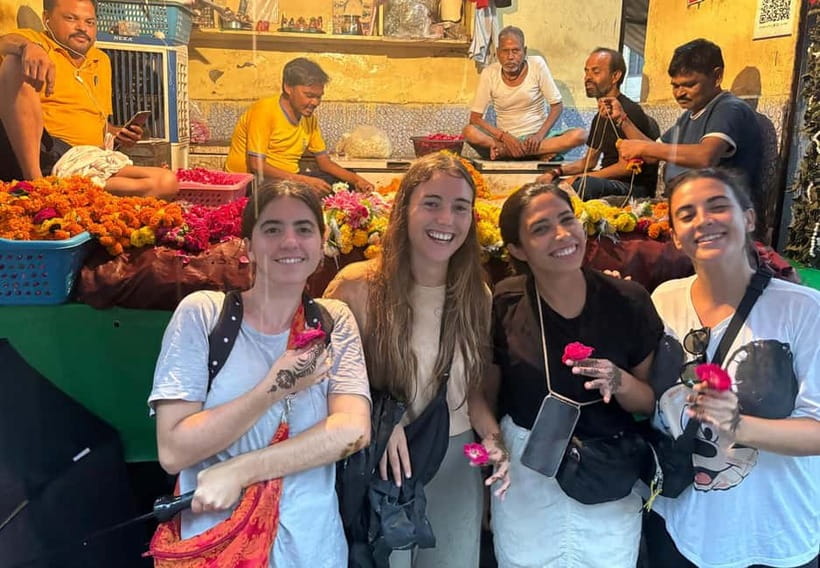
This tour is built for people who want more than one-page Agra. You’re not only chasing monuments; you’re walking through the everyday blocks where people buy cloth, jewelry, spices, and snacks.
The biggest value is context. The guide helps you read the area while you’re moving—so the Jama Masjid isn’t just a photo stop, and the Mankameshwar Temple isn’t just a quick glimpse. You get short, practical explanations that make the streets feel understandable fast.
Then there’s the food. You’ll sample multiple items—samosa, dhosa/chole bhature, aloo tikki, pani tikki, sweets—and it’s usually enough to cover dinner-style cravings for the night you do it. If you’re the type who likes to eat as you travel, this format hits the right notes.
Tuk-tuk logistics: fast hops, real traffic, smart pacing
Agra traffic can be loud and intense, and this tour handles that with a simple rhythm: tuk-tuk when you need speed, walking when the lanes make sense. Expect short drives between stops, plus a solid stretch on foot. A good rule of thumb here is around 90 minutes of walking, with the rest of the time split between transfers and visits.
Safety is part of the experience. Multiple guides keep you aware near moving vehicles and busy crossings, and they’ll generally manage spacing when the street gets crowded. You’ll also get a driver who’s used to this kind of routing, not a one-off “tourist only” pickup.
Clothing matters more than usual. You visit a mosque and a temple, so you’ll want clothes that cover your knees and shoulders. Comfortable shoes are non-negotiable because the walking is through uneven, busy lanes.
Kinari Bazaar: where jewelry, textiles, and smells meet
The tour starts in the Kinari Bazaar area, a classic Agra shopping zone known for jewelry and textiles. This is the part you’ll feel right away: you’re surrounded by merchandise, vendors calling out, and racks of fabric and accessories that make the market a visual feast.
What I like here is the way the guide helps you focus. Instead of getting pulled in every direction, you learn what to look for—materials, patterns, and how people shop day to day. It’s also a good place to pick up small souvenirs without feeling like you’re trapped in one “target shop.”
This is also where the tour’s pacing helps you. You’re not sprinting through. You get time to look, ask questions, and keep moving.
Jama Masjid and the Friday Mosque vibe
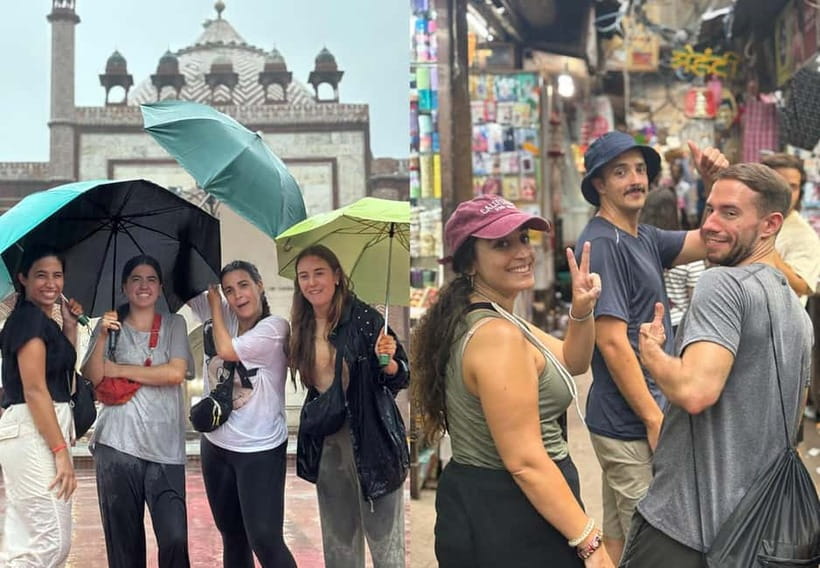
Next up is Jama Masjid, one of Agra’s major mosques. You’ll stop for photos and visit with a guided explanation, which matters because Mughal-era architecture can look “pretty” without feeling meaningful if nobody tells you what you’re seeing.
During a mosque visit, your role is simple: respect the space, follow dress rules, and take your time. If you’re coming from a more touristy area, this stop feels like a reset—less performance, more community atmosphere.
Practical tip: treat this as a mindful pause. Don’t rush your photos at the expense of the walk and explanation. The guide’s job is to connect details to the bigger story of the city.
Mankameshwar Temple: Lord Shiva, local devotion, real street energy
A short walk brings you to Shri Mankameshwar Mandir, dedicated to Lord Shiva. The best part of this stop is how it balances the “big monument” vibe with something more everyday.
You’ll again have time to visit and take photos, while the guide shares the religious and cultural background behind what you see. It’s also an atmosphere stop—this is where you notice the shift from shop-sounds to prayer-sounds, even while the street keeps moving around you.
If you’re trying to understand Agra beyond the Taj Mahal, this temple stop is one of the better ways to do it in a short time.
Rawatpara spice market: the smell test you can’t fake
Then you head to Rawatpara Road, known for the spice market scene. This is where the tour becomes sensory in a very real way. You’ll see colors and textures, but the bigger impact is the smell—spices that hit immediately and linger in your memory long after the walk ends.
You’ll also get time to pause for tea (often masala tea), and you’ll see how spices fit into daily shopping rather than acting like a “curiosity” item. The guide can help you understand what you’re looking at, and that makes browsing easier.
One thing to remember: spice markets aren’t museum rooms. They’re working places. Expect noise, movement, and people squeezing past you. That’s normal here, and the tour’s tuk-tuk + guided approach makes it manageable.
Seth Gali street-food tasting: samosa, tikki, pani tikki, sweets
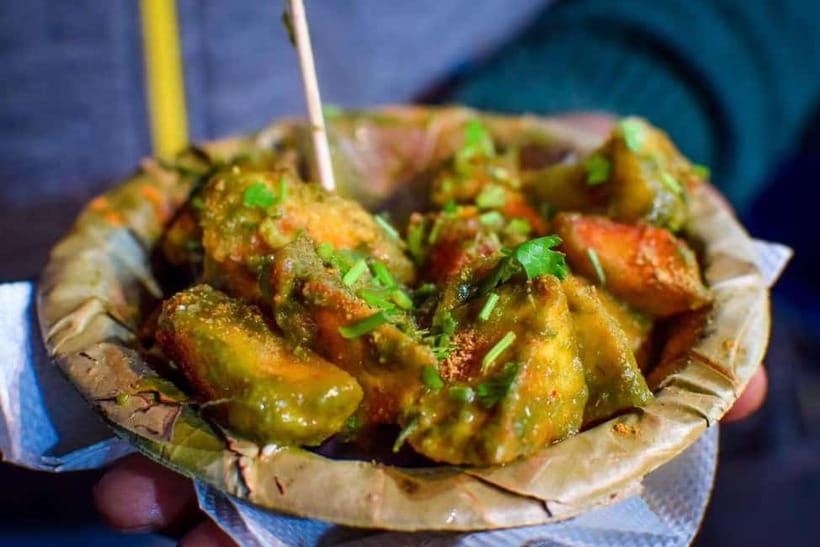
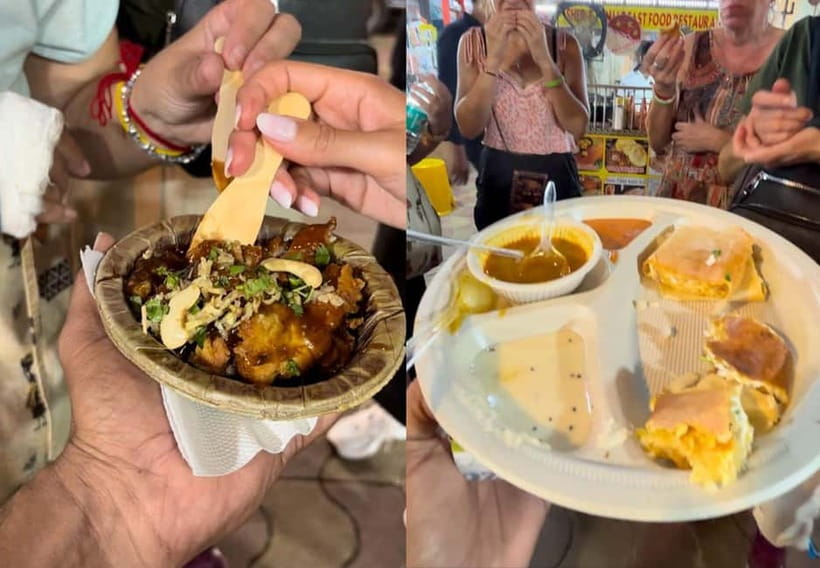
Seth Gali is a major highlight, because this is the part that turns your tour into dinner on the move. You’ll taste multiple snacks rather than one single meal, and the list of favorites is the stuff people come to Agra for.
You may try:
- samosa
- dhosa or chole bhature
- aloo tikki
- pani tikki
- sweets
- masala tea in a clay pot
In winter, you might also run into seasonal desserts like gajar ka halwa. In some parts of the route, you could even be introduced to dishes served in small side lanes, where the setting feels more local than “street-corner stunt.”
How to approach the tasting so you enjoy it:
- Pace yourself. You’re sampling, not ordering one plate.
- Be curious but don’t force yourself to finish everything if you’re full.
- If you’re cautious about spice levels, ask for what you’re comfortable with before you bite.
Also, drinks are not included. Tea is part of the experience, but if you want extra beverages, plan to pay separately.
The “shopping + craft stops” question (and how to handle it)
This tour does include shopping time. In practice, that can mean craft shops or artisan stops where you see how certain items are made, and you’re given chances to buy.
The tricky part: shop stops can sometimes turn into a sales push. If that’s not your thing, you’ll want to keep your expectations practical. Look at the process, enjoy the explanations, and treat purchases as optional—not as a requirement of the experience.
One smart strategy: decide before you go what you want to buy (if anything). If you’re not shopping, your goal is to browse and learn, not to negotiate under pressure.
Price and value: why $14 can be a bargain (or not)
At $14 per person for a 2–3 hour outing, the pricing is low enough that you should think of this as a “street immersion sampler,” not a full food festival.
Value comes from three things:
- Hotel pickup and drop-off by tuk-tuk.
- A private local guide who helps you navigate markets and religious sites.
- Multiple snack stops, with sweets included only if that option is selected.
If you choose the version with food, it’s one of the best ways to eat and learn in a short window. If you’re mainly here for the street experience and already plan to eat a proper meal elsewhere, the cheaper option can make sense because the tour’s time is still split between markets, walking, and sites.
Best time to go and what to wear
Timing matters because it affects comfort. The suggested start window is:
- 2 p.m. to 4 p.m. in winter
- 4 p.m. to 6 p.m. in summer
That window usually helps you avoid the hottest parts of the day while still catching the market energy.
Wear clothes that meet mosque and temple expectations—cover knees and shoulders. Bring comfortable shoes because you’re walking through market lanes and temple pathways, not cruising on smooth sidewalks.
Also plan for the real street vibe: dust, noise, and close quarters. A tour like this is meant to feel like Agra, not like a quiet guided bus ride.
Who should book this tour in Agra
This tour is a great fit if you want:
- a mix of markets + temples in one afternoon/evening
- street snacks like samosa and tikki across several stops
- a guide to help you navigate Old Agra lanes safely and efficiently
- a short activity that pairs well with a larger Taj Mahal day
It’s less ideal if you:
- hate shopping stops and don’t want any craft-market atmosphere
- need an entirely low-walking experience
- have medical conditions or are pregnant (this tour is listed as not suitable for those situations)
If you’re traveling solo, this kind of guided street time can be a confidence booster because you’re not trying to decode every turn alone.
Should you book this Agra street food and spice market tour?
I’d book it if your Agra plan includes Taj Mahal already, and you want the city’s texture the rest of the day. It’s one of the best ways to get a true Old Agra feel without spending hours figuring out routes on your own.
I’d skip or adjust your expectations if you’re extremely sensitive to sales pressure in shops. The market-and-craft stops are part of the structure, so go in ready to browse calmly, ask questions, and walk away when you want.
If your goal is street-level flavor, temple-and-market atmosphere, and a tuk-tuk route that keeps you moving, this is a strong pick for a first or second evening in Agra.
FAQ
What does hotel pickup and drop-off include?
Pickup and drop-off are included by tuk-tuk from your hotel (or another agreed starting location in Agra).
How long is the Agra street food walking tour?
The duration is 2 to 3 hours.
Are monument entrance tickets included?
No. Monument entrance tickets are not included.
Is street food included in the price?
Street food snacks and sweets are included only if you select the option that includes food.
Are drinks included?
No. Any kind of drinks are not included.
What places do we visit during the walk?
You’ll visit Kinari Bazaar, Jama Masjid, Shri Mankameshwar Mandir, Seth Gali, and the Rawatpara spice market area.
What street foods will I sample?
You can expect to sample items such as samosa, dhosa or chole bhature, aloo tikki, pani tikki, sweets, and masala tea served in a clay pot (plus other snacks depending on the stops).
What language is the tour guide available in?
The live tour guide is available in English and Spanish.
What should I wear?
Wear clothes that cover your knees and shoulders, plus comfortable shoes.
Can I cancel if my plans change?
Yes. You can cancel up to 24 hours in advance for a full refund.
Who is this tour not suitable for?
It’s not suitable for pregnant women or people with pre-existing medical conditions.