REVIEW · GINZA
Adventurous Japanese Food Tour in Tokyo
Book on Viator →Operated by Japan Awaits · Bookable on Viator
Raw food bravery starts here. In Ginza, you’ll walk through Tokyo streets and get served Japan’s less-common eats—like fugu (blowfish) and horse meat—along with safer favorites such as sushi and yakitori.
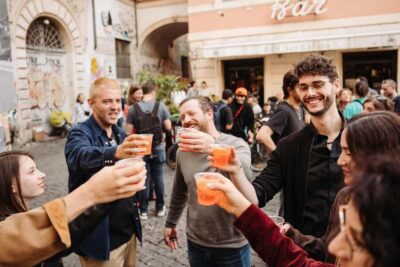
I like that this tour keeps it tight and personal: it’s capped at 10 people and led by an English-speaking guide. I also love the mix of food types, because you’re not just collecting shock-value bites—you’re learning what you’re eating and why it exists in Japanese food culture.
One drawback: this isn’t a mild, classic-food-only sampler. If you’re squeamish about raw meat or strong flavors, you’ll probably struggle with the headline items.
In This Review
- Key highlights worth marking on your mental map
- Ginza is the right setting for daring bites
- The “small group” part is more than a sales line
- How the route works: walking, stopping, tasting
- What to bring mentally (and physically)
- Fugu (blowfish): the tour’s most serious food lesson
- Horse meat: raw, served with context
- Whale and other sea choices: when “fish” means more than one thing
- Sushi and yakitori: the balance that keeps the night from tipping over
- English-speaking guides, and why that matters with risky dishes
- Pricing: what you’re paying for (and what you aren’t)
- Mobile ticket and booking timing: plan smart
- Meeting at Ginza Station: how to avoid the first-stress moment
- Comfort and safety: smoking, crowds, and your personal limits
- Who this tour fits best (and who should skip it)
- Should you book this Ginza adventure food tour?
- FAQ
- How long is the tour?
- How many people are in the group?
- What foods are included in the tastings?
- Are drinks included, including alcohol?
- Where do we meet, and where does it end?
- What transportation is included?
- Are there age requirements?
Key highlights worth marking on your mental map
- Small group (10 max) makes it easier to ask questions and keep things moving without getting lost in the crowd
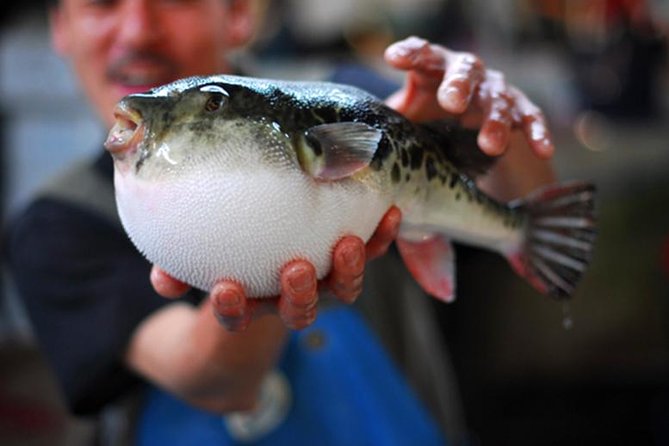
- Fugu, horse, and whale tastings push beyond typical Tokyo food tours
- Ginza vs Shimbashi route flexibility means your exact streets may vary while the style stays the same
- Sushi and yakitori included so the meal has both adventurous and familiar anchors
- Science-minded explanations show up, including how pufferfish toxicity can vary by species and season
Ginza is the right setting for daring bites
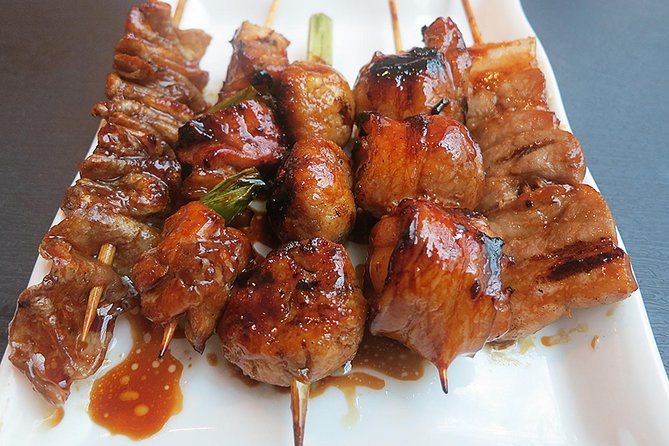
Ginza is the place where Tokyo feels polished, bright, and easy to navigate. That matters, because this tour is still an eating mission through real neighborhoods—not a staged food hall. You’ll weave through crowded streets and pop into small local restaurants that don’t exist for tourists.
What I like about the location choice is the contrast. You can be in one of Tokyo’s most famous areas and still eat things that many first-time visitors never try. And because the tour is timed (about 2 hours 30 minutes), you get a concentrated dose of variety without turning it into a whole day project.
You can also read our reviews of more food & drink experiences in Ginza
The “small group” part is more than a sales line
This is sold as small group, and the practical result is: you get real conversation. The tour is private in the sense that it’s just your group, and it stays capped at 10 people, which keeps the pace sane when you’re stopping, ordering, and translating menu items.
That matters because several dishes are not just unfamiliar—they’re specific. You’re tasting fugu in multiple forms at least in some sequences (not just one single bite), and horse meat can be a head-spinner if you go in expecting everything to be cooked and safe-feeling.
How the route works: walking, stopping, tasting
Your tour begins at Ginza Station (4-chōme-1-2 Ginza, Chuo City) and ends back at the meeting point. You’ll move through areas such as Shimbashi (or Ginza) depending on the exact path, then visit restaurants serving both adventure foods and everyday Japanese staples.
Expect several different meal-style stops, not one long dinner. In real terms, you’ll spend a chunk of time walking between places in busy streets, then a chunk eating and learning once you’re seated.
What to bring mentally (and physically)
You’ll want moderate physical fitness because the walking happens through crowded sidewalks and restaurant transitions. Also, go with an open mind about taste, texture, and presentation. You’re not there to find a comfort-food shortcut.
Fugu (blowfish): the tour’s most serious food lesson
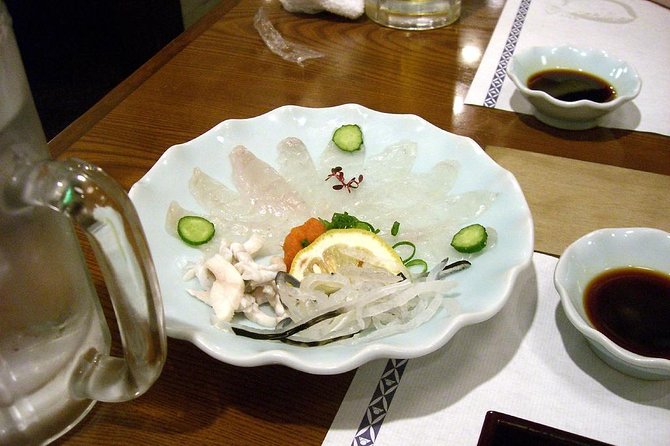
Fugu is the headline dish for a reason, but what you’re really tasting here is a story about how Japanese cooks handle a risky ingredient safely. You may get explanations about how toxicity can vary by species and season, which is one reason fugu isn’t treated like just another fish.
Food-wise, you might encounter fugu as sashimi and/or in other preparations (fried versions have shown up in past tour sequences). There’s even a fun detail that sometimes the presentation includes the tail portion served with sake—again, very Japan, very specific.
One practical thing: this isn’t about trying it once and moving on. A good guide will steer you through how it should taste and what to notice, so you leave understanding why fugu has that reputation.
Horse meat: raw, served with context
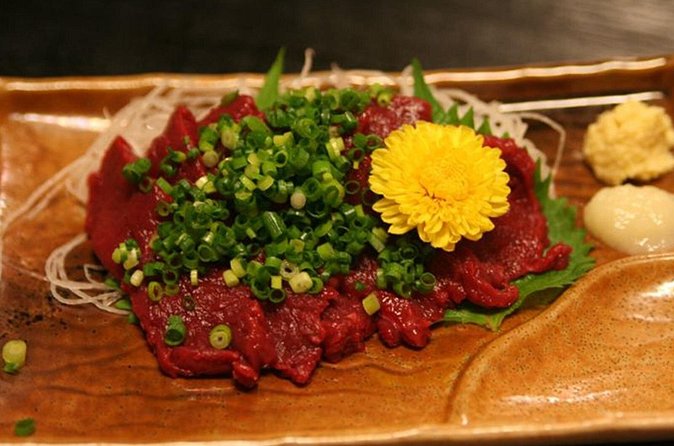
Horse is another signature bite, and it can be an emotional moment. If you dislike the idea of raw meat, this is the stop that tests your boundaries first.
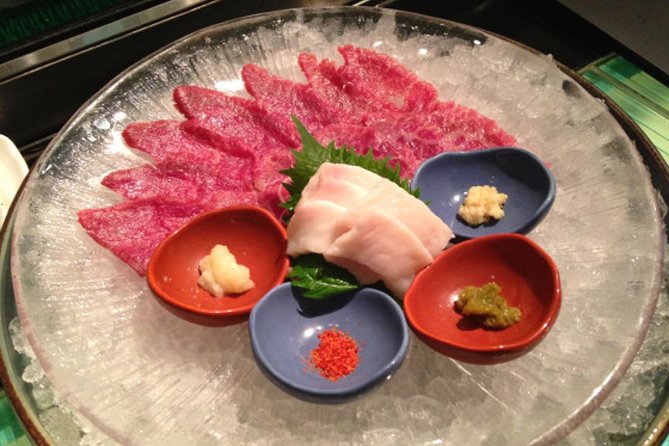
The upside is that the guide doesn’t just point. You’ll likely get cultural context—such as how horses are traditionally bred for food—and that background helps the meal click. Several experiences on this tour include horse sashimi, and even when it’s not a flavor you’d repeat at home, it becomes memorable because it’s so unusual.
My advice: don’t force yourself to love it. Instead, treat it like a taste-and-learn moment. Try a small portion, pay attention to texture, and decide from there.
Whale and other sea choices: when “fish” means more than one thing
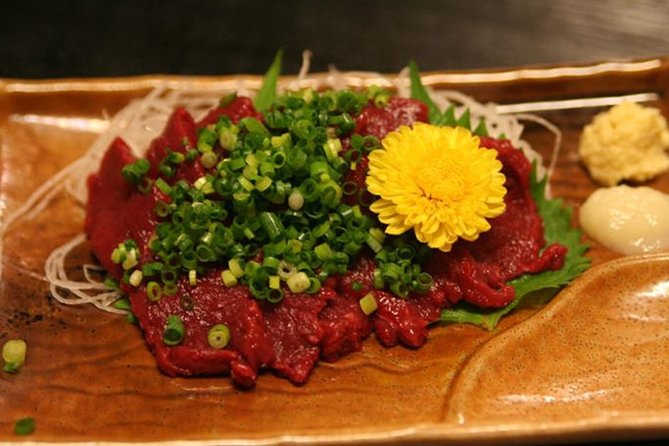
Seafood dominates a lot of Japanese menus, but this tour goes beyond the most common visitor picks. Whale meat is listed as part of the tasting (along with other meat options like chicken meat and horse meat depending on the stop sequence).
Even if you don’t personally choose whale at every meal back home, the value here is variety. You’ll see how Japanese menus categorize and serve different animal proteins, especially in small local shops where one dish can lead to another.
Also, don’t assume this is all “one note.” At least some tours start with mostly fish and seafood before moving into the fugu and horse stations, so you’re not hit with the toughest bite immediately.
Sushi and yakitori: the balance that keeps the night from tipping over
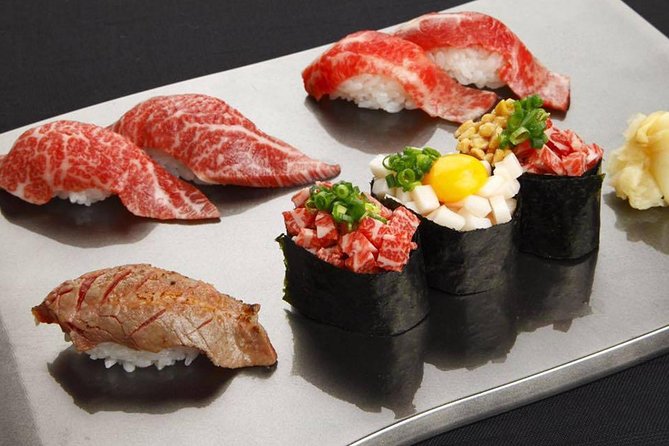
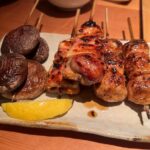
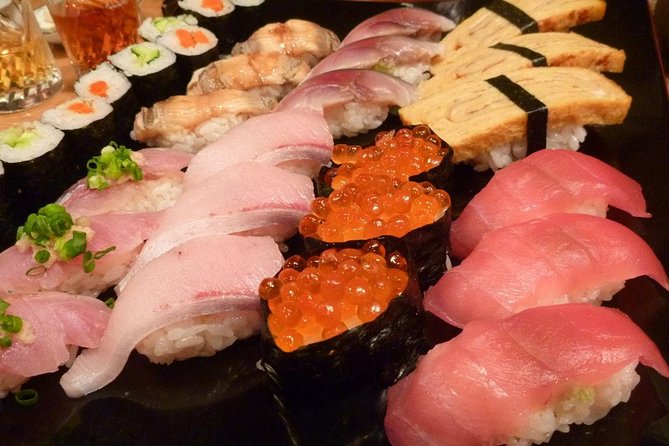
For all the daring items, the tour doesn’t ignore standard crowd-pleasers. You’ll also eat traditional favorites such as sushi and yakitori.
I like this because it keeps the meal grounded. After intense flavors like raw horse or fugu, you’ll appreciate something familiar that still feels properly Japanese. It also helps you judge the rest of the tastings with a clearer palate.
Think of these stops as your palate reset and your cultural anchor: proof that this tour isn’t just shock food. It’s Japanese food craft.
English-speaking guides, and why that matters with risky dishes
This tour includes an English-speaking private tour guide, and that’s not a small perk. When you’re eating foods with complicated reputations—especially fugu and raw proteins—translation and guidance change the experience from guessing to understanding.
You might also get a guide who brings a more science-style explanation. One account described a host with fish-biologist style detail, including charts about pufferfish toxicity. Whether your guide is more scientific or more story-focused, expect enough explanation to make the tastings feel intentional.
Pricing: what you’re paying for (and what you aren’t)
At $303.18 per person for about 2.5 hours, you’re paying for access and guidance, not just snacks.
What’s included:
- Food tastings and drink tied to specific items such as fugu (blowfish), chicken meat, horse meat, and whale meat
- All taxes, fees, and handling charges
- The English-speaking private guide
What’s not included:
- Alcoholic and non-alcoholic drinks (you can buy during the tour)
- Gratuities
- Transportation to/from the attractions
- Any admission fees or add-ons
My value take: this is expensive compared with a self-guided food walk. But it can be a bargain compared with the cost of repeatedly testing your luck at tiny restaurants where you can’t read what you’re ordering or where the menu choices aren’t obvious.
Also note the pace. If you’re expecting a long day of many courses, you’ll be glad this is focused. If you’re expecting a soft intro, you’ll be surprised because the included tasting list leans adventurous.
Mobile ticket and booking timing: plan smart
The tour uses a mobile ticket. On average, it’s booked about 53 days in advance, which suggests it can fill up.
One detail that affects your planning: this experience is listed as non-refundable and cannot be changed if you cancel. So only book it when your schedule is stable.
If you’re booking very close to travel, confirmation may arrive within 48 hours subject to availability. Build a little buffer if your plans are fragile.
Meeting at Ginza Station: how to avoid the first-stress moment
Your start is Ginza Station, and the exact address used for the meeting point is 4-chōme-1-2 Ginza. That area can feel chaotic, so I recommend arriving early enough to settle your group and locate the guide without sprinting.
Practical timing rule: even though it’s private, the guide waits up to 30 minutes after the scheduled start. After that, the tour is considered cancelled. No drama, just plan ahead so you don’t gamble with your time.
Comfort and safety: smoking, crowds, and your personal limits
Smoking can be allowed in some establishments in Tokyo, and you can’t control that. The tour explicitly suggests bringing a facial mask if you’re sensitive to smoke.
Also remember: this is a walking-and-stopping food experience through crowded streets. If you have strong scent sensitivities, carry something small like water and plan to take brief pauses when you need them.
And yes, the food is for the brave. Some people love these tastings because they feel like real Tokyo life—small places, local conversations, and meals that don’t revolve around the usual ramen-and-souvenir circuit.
Others don’t enjoy the flavor of horse or the particular texture/taste of raw items. Either way, you’ll come away with a story that actually has details.
Who this tour fits best (and who should skip it)
Best fit if you:
- Want adventurous foods and don’t mind raw or strong-flavored items
- Like short, guided walks with real local restaurants instead of a single restaurant experience
- Are comfortable eating seafood-adjacent dishes and trying meat you don’t usually see on menus
Skip it if you:
- Hate the idea of raw horse or any taste/texture surprises
- Need a strictly mild menu (this tour includes headline items that are not “safe by default”)
- Expect alcohol to be part of the package (drinks are available for purchase)
Should you book this Ginza adventure food tour?
Yes—if you want the real Tokyo food experience that most visitors miss. The mix of fugu, horse, and whale with grounded stops like sushi and yakitori is a smart formula. It gives you both the shock factor and the palate-friendly structure, and the small group makes the whole thing feel personal instead of chaotic.
I’d say book it with one mindset: treat it like a guided culinary education, not a casual snack run. If you can handle the daring foods and appreciate context, you’ll likely have a night that sticks with you long after you’re back in your hotel.
FAQ
How long is the tour?
It’s approximately 2 hours 30 minutes.
How many people are in the group?
The tour is capped at 10 people and is private for your group.
What foods are included in the tastings?
Included tastings list blowfish (fugu), chicken meat, horse meat, and whale meat, plus the tour includes food tasting and drink as part of those items.
Are drinks included, including alcohol?
Alcoholic and non-alcoholic drinks are not included. You can purchase drinks during the tour.
Where do we meet, and where does it end?
You meet at Ginza Station (4-chōme-1-2 Ginza, Chuo City, Tokyo 104-0061, Japan), and the tour ends back at the meeting point.
What transportation is included?
Transportation to/from attractions is not included.
Are there age requirements?
Yes. The tour is for guests 18 years and older.