REVIEW · WASHINGTON DC
Washington D.C.: Taste of Georgetown Walking Food Tour
Book on GetYourGuide →Operated by Blue Fern Travel · Bookable on GetYourGuide
Georgetown tastes like DC’s past and present at once. This 3-hour walking food tour pairs restaurant samples with stories about how the neighborhood became an elite address. You’ll end with full stomach satisfaction and a cause to feel good about.
I love the generous tastings that feel like lunch, not just a few bites. And I like how the guide turns each stop into a lesson on Georgetown’s change over time, with photo moments built in along the way (guides such as Neka, Soniqua, Jim, and Soneka have led groups in the past).
The main drawback to plan around is the diet limits: the tour isn’t suitable for vegans, and it can’t accommodate people with dairy or gluten intolerance.
In This Review
- Key reasons this Georgetown tour works
- Georgetown food tastes better when you know the story
- Meeting at Green Almond Pantry and walking at a human pace
- The bite-by-bite flow: what you’ll taste along the route
- 1) Early tastings: snack energy plus cultural context
- 2) Canal-area moment: tarts with a history hook
- 3) Pizza stop: thin crust, big reputation
- 4) Bread and olive oil: the quiet power move
- 5) Falafel and Mediterranean flavors
- 6) The finale: crème brûlée and French influence
- The history thread you’ll actually remember
- Guides make this tour: small groups, big conversation
- Price and value: is $129 worth it?
- Diet restrictions: the one thing to treat seriously
- Who should book this Georgetown food walk?
- Should you book? My decision rule
- FAQ
- How long is the Georgetown walking food tour?
- What’s the walking distance?
- Where do I meet the tour?
- How big is the group?
- Is the tour rain or shine?
- What food is included?
- Does the tour include history and sightseeing?
- What language is the tour guide?
- Is the tour suitable for vegan or gluten/dairy-free needs?
- Is there a donation included?
- What’s the cancellation policy?
Key reasons this Georgetown tour works
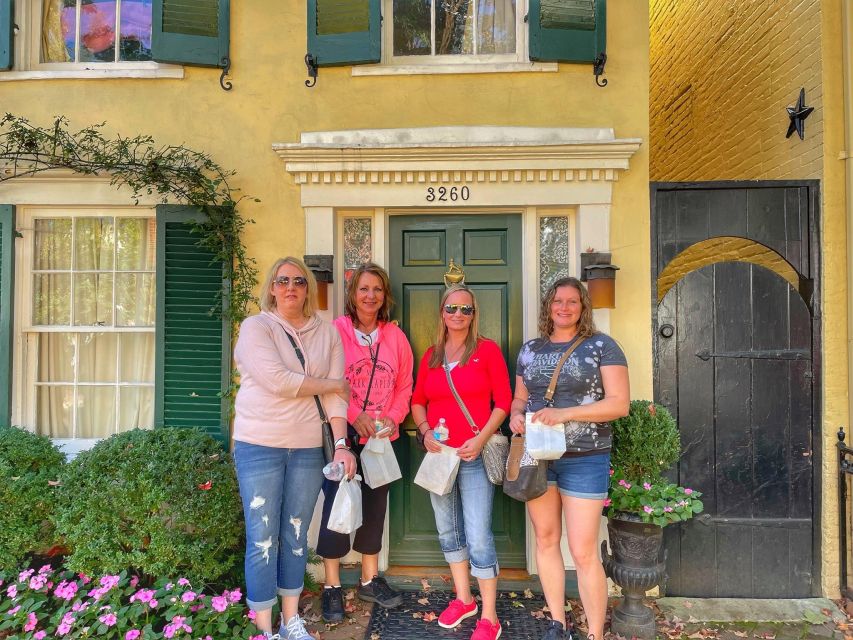
- A short walk (about 1.5 miles) over roughly 3 hours, so you can stay social without getting wiped out
- Full restaurant tastings that multiple people describe as enough food to skip dinner
- Georgetown’s port-to-prestige storyline, told through food and trade (including flour mills and Potomac commerce themes)
- French influence on the menu, with crème brûlée as a standout finish
- Electronic photos from your guide, plus planned photo stops for quick sightseeing breaks
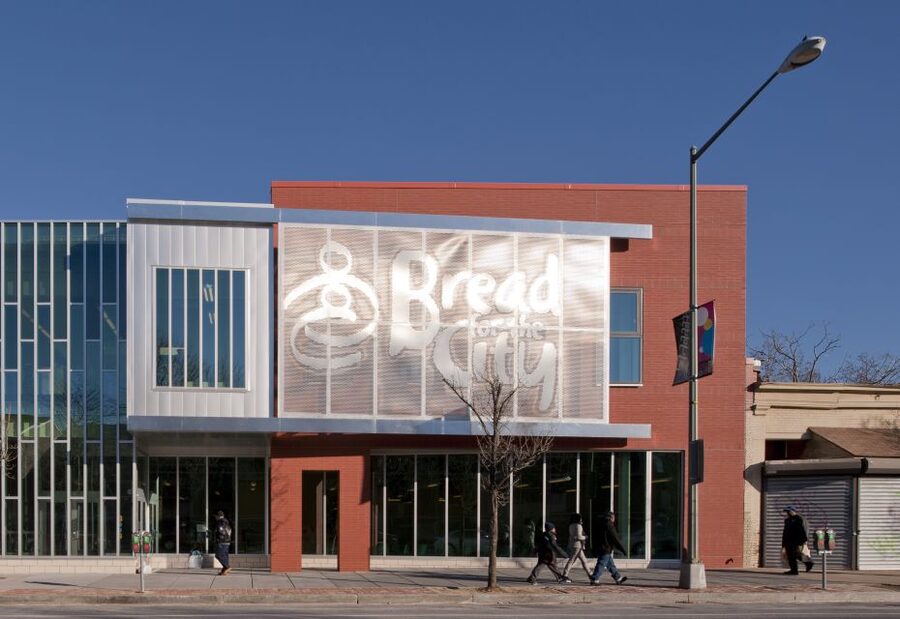
- A charitable donation tied to feeding people in need through Bread for the City
Georgetown food tastes better when you know the story
Georgetown has always been about movement. Long before it was a shopping-and-stroll neighborhood, it was tied to the Potomac River, trade routes, and the kinds of goods that made their way inland. That’s the angle this tour uses: you eat while the guide explains why the neighborhood developed the tastes it did.
What makes the experience feel worth it is the way the tour links food to place. You’re not just hopping from restaurant to restaurant. You’re learning why the neighborhood’s food scene can feel unusually international for a place that’s relatively small.
And you’ll probably notice the variety right away. Expect bites that point to multiple cuisines—Turkish-style flavors, thin-crust pizza, Mediterranean staples like falafel, and a classic French dessert finish. The tour keeps the pacing easy enough to focus on what you’re eating, not just where you’re walking next.
You can also read our reviews of more walking tours in Washington Dc


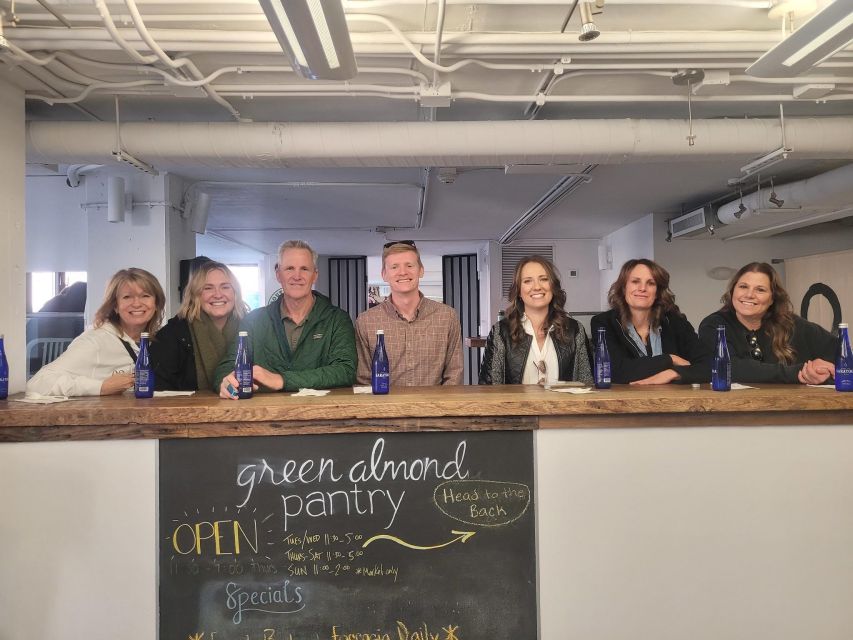
Meeting at Green Almond Pantry and walking at a human pace
You meet at Green Almond Pantry, and the tour runs on foot through Georgetown. The starting location is listed as 3206 Grace St NW, and in practice you’ll be linking up at the pantry before the group heads out.
This is designed for comfort. You’ll cover about 1.5 miles total over around 3 hours, with stops for tastings and photo moments. It’s rain or shine, so bring weather-appropriate layers and wear shoes you can walk in for the full stretch.
Two practical tips that matter here:
- Wear comfortable shoes even if it sounds like a small distance. Georgetown sidewalks can be uneven.
- Bring a small water habit. Water is included on the tour, but you’ll still want to sip as you go—especially if you’re visiting in warmer months.
Because the group stays small (limited to 8 participants), the walk feels more like a guided neighborhood hangout than a big cattle-line tour. You get time to ask questions and actually talk with the guide.
The bite-by-bite flow: what you’ll taste along the route
The tour is built around a sequence of food tastings in Georgetown, plus a couple of photo/sightseeing stops. Exact restaurant choices can vary, but the menu ingredients and style are consistent: the goal is “plenty for lunch,” not just a quick sample.
Here’s what the tasting experience tends to feel like, in the order it usually comes across:
1) Early tastings: snack energy plus cultural context
You start with local snacks and regional food. This opening stretch is about easing you in and helping you read Georgetown through food. One past set of tastings has included potatoes and egg with Turkish spices, plus a soup course that sets the tone for comfort-forward flavors.
Why this works: it prevents the “food tour hangry problem.” You get grounded in real ingredients early, and the guide has time to set up the neighborhood story before the more memorable stops.
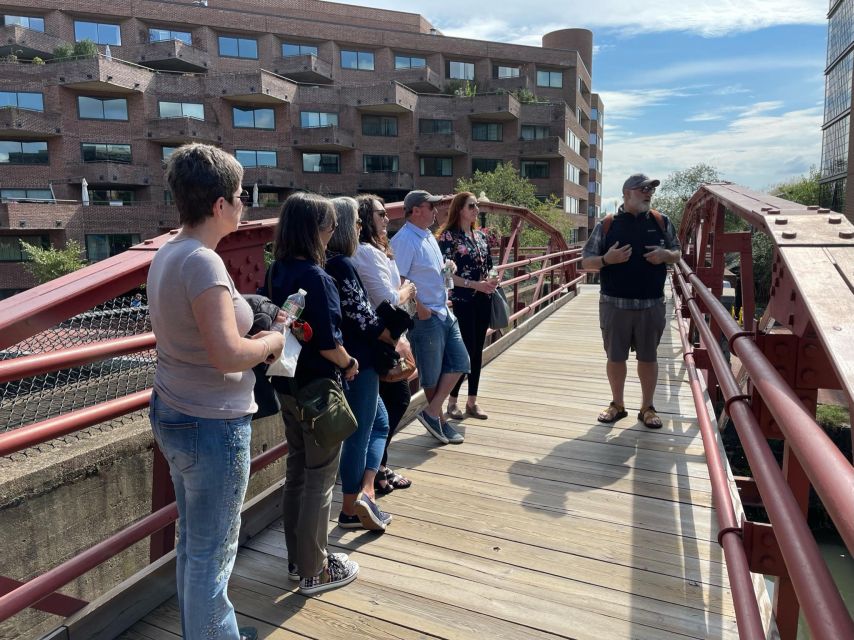
2) Canal-area moment: tarts with a history hook
You’ll hit a photo stop and sightseeing segment, and you also get a nod to the kind of food Georgetown is known for. There’s mention of James Beard nominee’s tarts near a canal once used to transport goods west. Even if you’re not a history nerd, this is the part that makes the tour feel specific to Georgetown, not generic.
Drawback to keep in mind: pastry lovers will feel instantly rewarded here. If sweets aren’t your thing, you can still enjoy it—but it may feel less satisfying than savory courses.
You can also read our reviews of more food & drink experiences in Washington Dc



3) Pizza stop: thin crust, big reputation
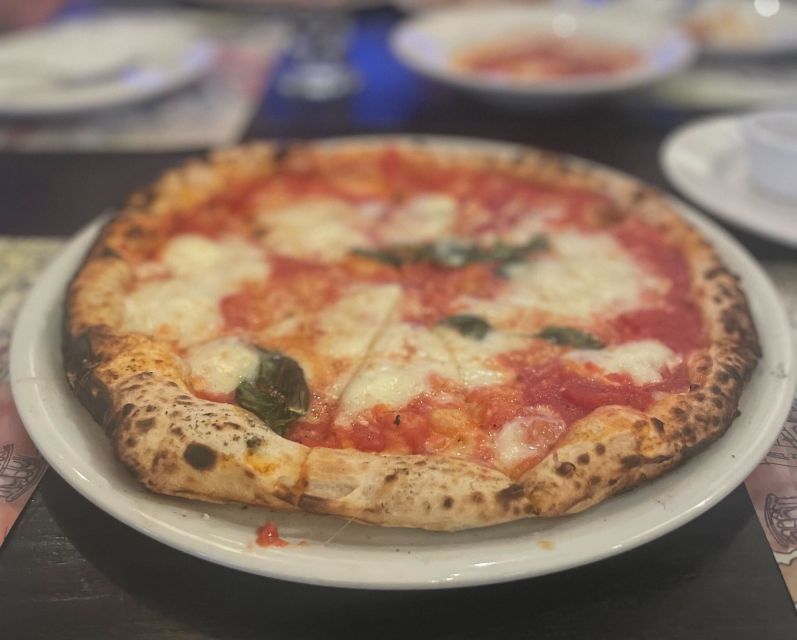
Next comes an “award-winning” style pizza tasting. The tour description calls it VPN-style pizza, and the point isn’t just the name—it’s the draw. The pizza attracts famous guests, which gives the guide a natural way to talk about how Georgetown became a magnet.
If you like food that’s all about texture—thin crust, heat, and simple toppings—this part usually lands well. And since there are multiple tastings overall, you’re not locked into just one heavy bite.
4) Bread and olive oil: the quiet power move
A standout kind of stop here is gourmet olive oil with fresh baked bread. This is one of those courses that sounds simple until you taste it and realize why it keeps showing up in serious kitchens.
Practical tip: take a minute to slow down with this one. It’s the kind of course you can rush past unless you’re paying attention to flavor.
5) Falafel and Mediterranean flavors
You’ll also taste falafel pita with marinated vegetables and tahini. That combination brings balance—crunch, savory filling, and the creamy richness of tahini.
Why this matters on a walking tour: it’s portable food with clear flavor payoff. You’ll understand why Georgetown developed an appetite for international food long before it became an internet-famous dining scene.
6) The finale: crème brûlée and French influence
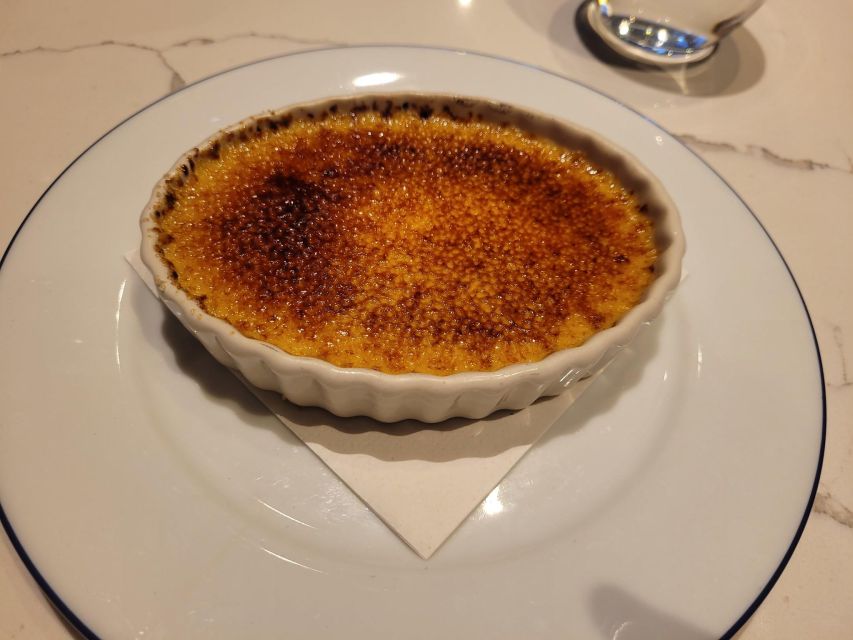
The tour finishes with crème brûlée while the guide explains French culinary influence in the neighborhood. This is where the tour’s storytelling peaks, because dessert makes sense as a “final chapter.” It’s also a crowd-pleaser, which helps the group end on a shared high.
The listed finish point is Brasserie Liberté, so you’ll wrap up in a setting that fits Georgetown’s grown-up, European-leaning vibe.
The history thread you’ll actually remember
A lot of food tours toss history onto the wall like confetti. This one tries to build a clear timeline you can carry home.
You’ll hear about Native American communities along the Potomac River, then trade and colonial-era Georgetown as the neighborhood’s role in commerce grows. The tour framing also points to Georgetown as the DC’s oldest neighborhood, originally thriving as a port area—with glimpses of mule-drawn boats and flour mills used for the milling and movement of goods.
Then the story shifts. Georgetown moves from port city to an elite enclave, and the tour highlights how people from many continents and religions lived together and shaped an eclectic culinary community. In plain terms: the neighborhood’s food scene makes sense once you understand the mix of cultures and the patterns of arrival.
That’s the “why” behind the tastings. It’s not random. The guide connects flavors to migration, commerce, and class changes over time. You’ll come away with a better mental map of Georgetown and a feel for what you’re seeing as you walk.
Guides make this tour: small groups, big conversation
This is where the experience gets consistently strong. The tour is limited to 8 people, so it naturally supports conversation. And the guides have a track record for combining food knowledge with history storytelling—often with enthusiasm you can feel in the pacing.
Names that have shown up leading groups include Neka of Blue Fern Travel, Soniqua, Jim, Soneka, Rasheed, David, Eli, Ann, Mary, and Katie, plus Lois as another example. Even when the guides differ in style, the through-line is the same: they explain each course and answer questions.
What that means for you: you’ll get more than a list of where to eat. You’ll understand ingredients, preparation, and why a dish belongs in Georgetown. You may also get guide-taken electronic photos as part of the experience, which is a nice added bonus when you’re trying to remember the afternoon without stopping every five minutes.
Price and value: is $129 worth it?
At $129 per person for about 3 hours, this isn’t a cheap add-on. But it can be good value if you approach it like a full meal plus guided sightseeing.
Here’s what you’re paying for:
- Multiple tastings at local restaurants (not just one bite per stop)
- A guide who connects food to Georgetown history
- Water included
- A donation tied to Bread for the City
Based on the way people describe the portions, you’re likely to feel satisfied. Several guests note they were stuffed by the end and skipped dinner. That matters because the $129 starts to look more reasonable when you compare it to paying à la carte for multiple restaurants during the same time window.
Still, price is personal. If you don’t eat much, or you’re picky and certain cuisines don’t work for you, you may feel the cost more sharply. One theme that shows up is that not every tasting will be for everyone, even when the food is high quality.
My practical take: if you like variety and you’re curious about how neighborhoods develop their food culture, this price can feel fair. If you only want one or two types of food, consider whether you’d rather pick a couple of restaurants on your own.
Diet restrictions: the one thing to treat seriously
Read this part carefully before you book.
This tour cannot accommodate:
- Vegans
- People with dairy or gluten intolerance
That’s a bigger deal than many food tours, because Georgetown has plenty of naturally dairy-light options and gluten-free options on menus—but the tour structure relies on set tastings. So if you’re managing strict dietary limits, you may not be able to substitute safely.
If your diet is flexible enough for standard dairy and gluten, you should be in good shape. If it isn’t, the smartest move is to look for a different tour designed around your needs.
Who should book this Georgetown food walk?
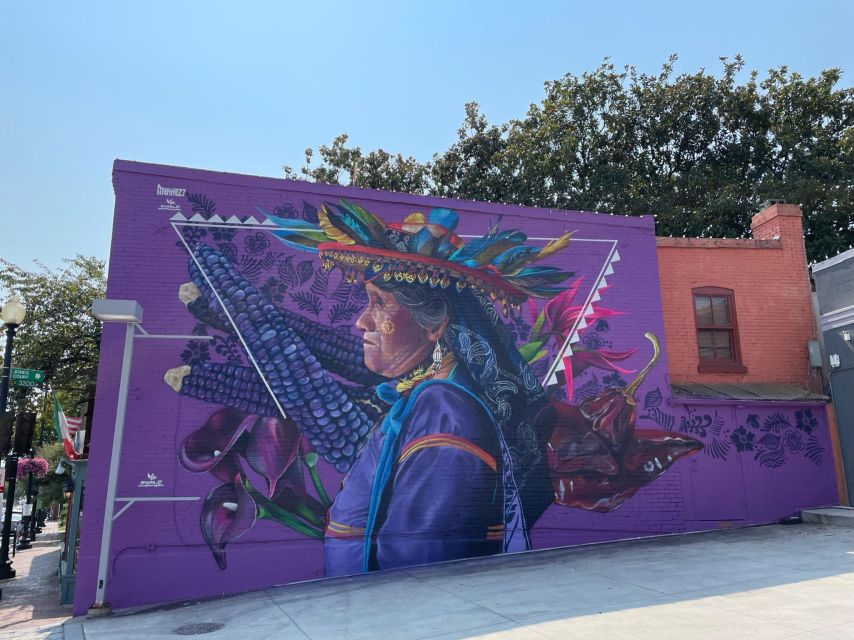
This tour fits best if you want:
- A small-group walk where you can ask questions
- A food experience that’s more like lunch, not a snack
- Georgetown history told through what people eat (port to elite enclave, with French influence highlighted)
- A finale that’s sweet and satisfying, like crème brûlée
It’s also great for couples, families who can handle 1.5 miles, and groups of friends who don’t mind trying unfamiliar foods. One reason it works with mixed ages is that the walk pace is manageable and the food variety keeps things interesting.
If you’re traveling with very specific dietary needs, or if you hate walking, you’ll probably be happier with a sit-down meal plan instead.
Should you book? My decision rule
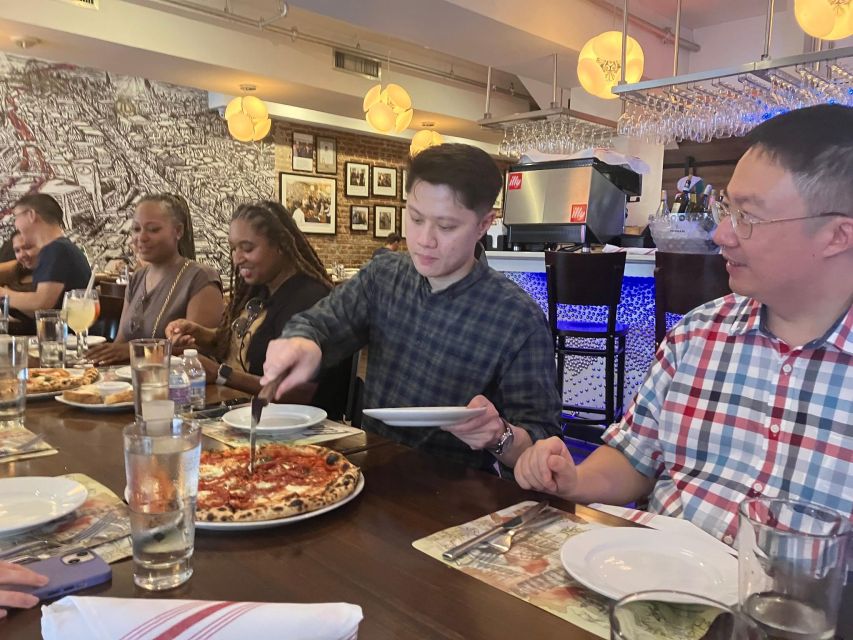
Book this tour if you meet two conditions:
- You want multiple restaurant tastings in a single afternoon.
- You enjoy learning how a neighborhood’s past shapes its present.
Skip or rethink if:
- Dairy or gluten is a hard limit for you.
- You’re only interested in a narrow set of foods and don’t want surprises.
- You’d rather spend your money on one or two “perfect” meals instead of several smaller courses.
If you’re on the fence, here’s the simplest way to decide: this experience is best when you treat it like a guided meal with stories attached. When you do that, $129 starts to feel less like a fee and more like a day plan.
FAQ
How long is the Georgetown walking food tour?
It lasts 3 hours.
What’s the walking distance?
The walk covers about 1.5 miles (timing can vary a bit depending on group size).
Where do I meet the tour?
Meet at Green Almond Pantry.
How big is the group?
It’s a small group limited to 8 participants.
Is the tour rain or shine?
Yes, tours operate rain or shine, so dress for the weather.
What food is included?
You’ll get tastings at local restaurants in Georgetown, along with water.
Does the tour include history and sightseeing?
Yes. You’ll do guided history and sightseeing with photo stops, and your guide takes (electronic) photos during the tour.
What language is the tour guide?
The tour guide speaks English.
Is the tour suitable for vegan or gluten/dairy-free needs?
No. It cannot accommodate vegan diets or those with dairy or gluten intolerance.
Is there a donation included?
Yes. A portion of your ticket is donated to Bread for the City, a local charity.
What’s the cancellation policy?
There is free cancellation up to 24 hours in advance for a full refund.