REVIEW · TORREVIEJA
Torrevieja: Local Wine and Food Tasting Tour in La Mata Park
Book on GetYourGuide →Operated by Tours Costa Blanca · Bookable on GetYourGuide
Wine, lagoon views, and good pairing.
In Torrevieja, this La Mata Park guided tour mixes a scenic walk with a proper sit-down tasting, not just a quick sip-and-go. I like that you get to see the lagoons and wildlife first, then connect the scenery to what you’ll taste. The one thing to plan for is the walking time in summer heat, since the return stretch can feel longer than you expect.
The other reason I think this works is the focus on organic wines from DO Alicante paired with local products: extra virgin olive oils, homemade goat cheese, and tapas. I also like that the guide keeps things moving and adds humor and context, so the tasting feels like learning instead of standing around. Just note that the experience can shift in very hot weather (they swap in a blind tasting setup), and the walking route isn’t guaranteed to be fully wheelchair-friendly even though it’s labeled accessible.
In This Review
- What makes this La Mata wine tour worth your time
- La Mata Nature Park in Torrevieja: where the tasting starts
- From the Centro de Interpretación to the vineyard route
- The 15th-century stop: small ruins, big context
- Lagoon viewpoints and flamingos at La Mata
- When summer heat changes the plan: blind tasting in the Pink Lagoon
- The DO Alicante wine tasting: what you’re actually drinking
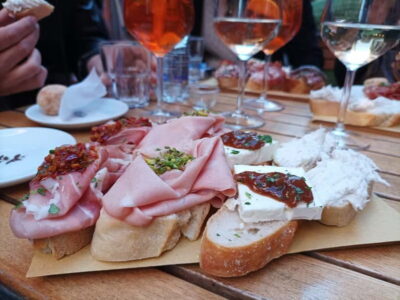
- Extra virgin olive oil, goat cheese, and tapas pairings
- Value check: is $45 for 3 wines and local bites fair?
- Pace, comfort, and mobility: what to plan for in real life
- Who this tour is best for (and who should pass)
- FAQ
- FAQ
- Where do I meet the guide for the La Mata wine and food tasting?
- How long is the tour?
- What will I taste during the wine and food part?
- Are the tastings in the park or in a restaurant?
- Does the tour include wildlife?
- Is there anything special about the tour in hot weather?
- What languages are offered?
- Is the tour wheelchair accessible?
- What should I wear or bring for the walk?
- Is free cancellation available?
- Should you book this Torrevieja La Mata wine tour?
What makes this La Mata wine tour worth your time
- La Mata lagoons + bird spotting, with flamingos possible along the route
- A guided route that includes a 15th-century structure tied to the park’s past
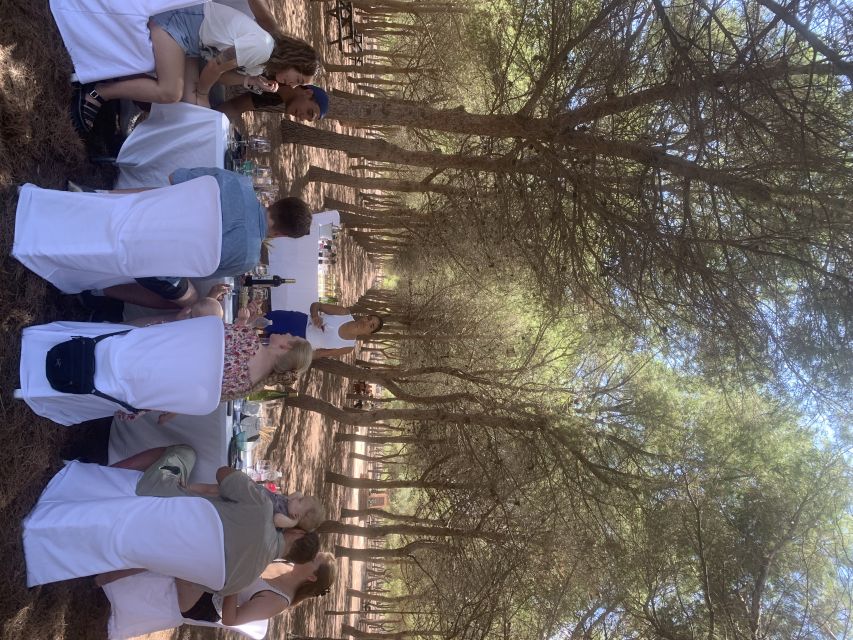
- Organic DO Alicante wine tasting while you’re seated in the park
- Pairings built around local staples: 2 extra virgin olive oils, goat cheese, and tapas
- In peak summer heat, it can switch to a blind tasting and local product tasting in the Pink Lagoon
La Mata Nature Park in Torrevieja: where the tasting starts
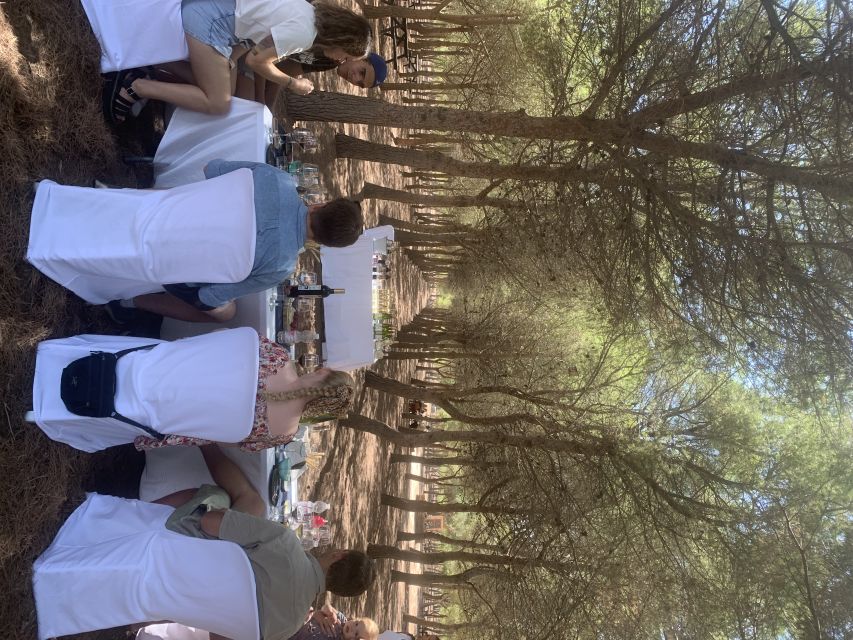
This tour makes a smart choice: you don’t head straight to the wine. You start at the entrance of Parque Natural La Mata and walk through the park’s lagoon area with your guide, so the tasting lands in context. The big payoff is that you’re outdoors for a chunk of the time, taking in the natural setting and history before you sit down to eat.
Expect a route that’s designed for sightseeing, not sprinting. You’ll hear a short intro about the park’s lagoons and why Torrevieja matters in the broader story of Spanish wine and even connections to wine culture in the south of France. If you like local food and you also like understanding where it comes from, that “place first, plate second” order is a winner.
And yes, wildlife can be part of the show. You may spot resident or migratory birds like flamingos, especially around lagoon viewpoints. Even if you don’t catch a flamingo every time, the bird-focused stop points make the walk feel more alive.
From the Centro de Interpretación to the vineyard route
Your meeting point is at the park entrance, Centro de Interpretación Parque Natural La Mata, where your guide waits holding a visible Tours Costa Blanca sign. That matters because the start sets the tone: you want to arrive a few minutes early, not just at the minute, so you’re ready for the intro.
From there, you move onto a route linked to the area’s vineyards. The guide explains how the region fits into wine production across Spain and how those traditions echo in parts of France. It’s not a lecture meant to overwhelm you. It’s the kind of background that helps when you later taste wines labeled with DO Alicante—you start to notice what the local style might be aiming for.
You’ll also get the rhythm of the tour early. It’s a guided stroll with stops. You’re not stuck in a single spot for long periods, but you’re also not rushed through the park. If you like your tours organized—clear start, clear flow, clear payoff—this format usually delivers.
The 15th-century stop: small ruins, big context
Midway through the walk, you’ll pause at a small 15th-century piece of construction inside the park. It’s easy to treat these spots as scenery, but the guide frames it as a clue to how people used this land and how the park’s story connects to broader regional life.
Why this stop is worth your attention: it turns a walk through nature into a walk through time. You’re still outside, still looking at lagoons and plants, but now you understand that the area wasn’t only about farming and farming-adjacent life—it also has older structures that reflect how the landscape was used and valued.
It also helps break up the walking. After a few stretches, a viewpoint or a historical pause gives your legs a mental reset. If you’re doing this on a day when you want both “see” and “learn,” this is a good moment for that balance.
Lagoon viewpoints and flamingos at La Mata
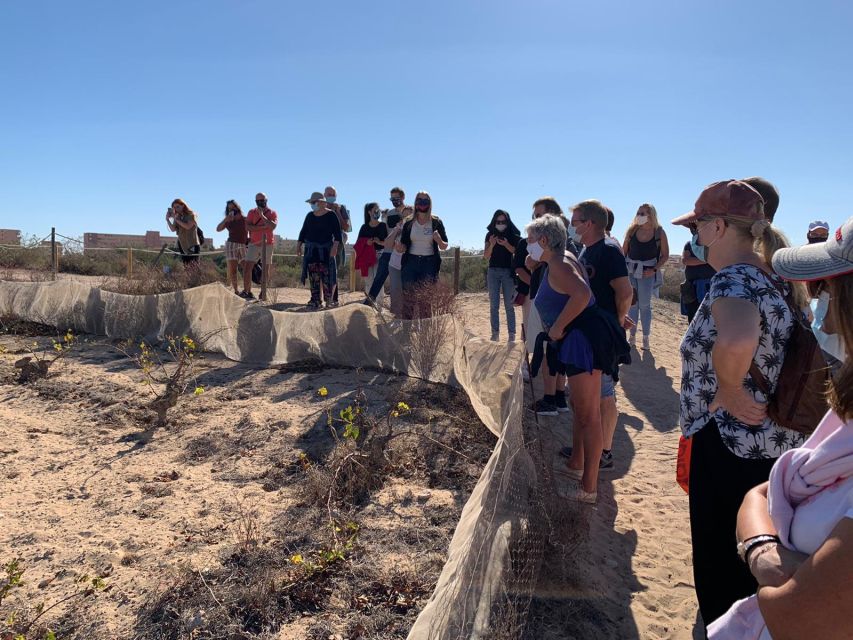
One of the tour’s best moments is the stop at a picturesque spot where you can take in the lagoon. This is where the park stops being a “walk route” and becomes a landscape of water, birds, and light. Your guide will point out flora and fauna along the way, and you’ll have a chance to look for resident and migratory birds such as flamingos.
In practical terms, bring a little patience here. Bird spotting isn’t a guarantee, and lagoon areas can change minute to minute with wind and light. But the tour’s design gives you time to look instead of rushing past the best angles.
If you’re the type who loves photos, this is also where you’ll get the shots you’ll actually want to keep—lagoon views, birds in the distance, and that distinct feel of southern coastal nature. It’s a different Torrevieja experience than the usual “beach and go” routine.
When summer heat changes the plan: blind tasting in the Pink Lagoon
There’s a key detail in how the day runs: due to high summer temperatures, the tour may shift from the standard walking-to-table flow to a different tasting setup. In that case, they switch to a blind wine tasting and a tasting of local products in the Pink Lagoon.
This is more than a weather workaround. Blind tasting changes how you experience wine. Without labels guiding you, you rely on smell and taste cues, and you start noticing acidity, fruit, and how the wine behaves when paired with food. If you’re used to tasting with a “what does it say on the bottle?” mindset, this twist can be unexpectedly fun.
Also, the Pink Lagoon reference matters for the mood. It signals a different visual setting for the tasting, which can make the hot-weather swap feel like a new experience rather than a downgrade.
If you’re traveling in peak July or August, I’d pack for heat either way—hat, water, and sun protection—so you stay comfortable no matter which version you get.
The DO Alicante wine tasting: what you’re actually drinking
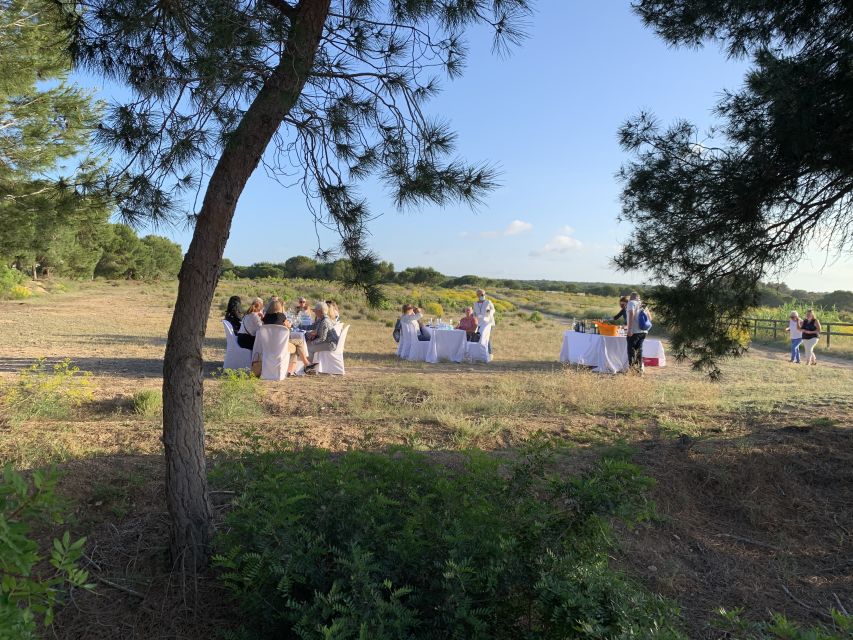
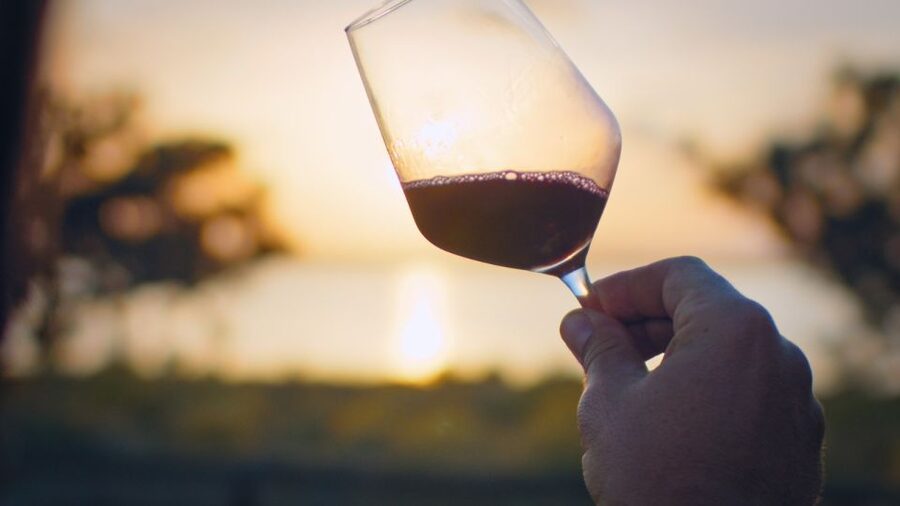
After the walk and lagoon stops, you move to tables set up for the tasting. The included tastings focus on 3 organic wines DO Alicante. That’s an important value piece: you’re not only paying for a guided stroll, you’re paying for a structured tasting with local labeling.
You’ll also learn how to pair the wines correctly with the foods you’re tasting. That part is underrated. If you’ve ever had wine tastings where everyone sips randomly, pairing guidance makes a real difference. You’re more likely to notice why one wine works with olive oil, another with goat cheese, and another with tapas.
One practical tip: take smaller sips during the tasting and reset between pours. You’ll taste more clearly, and it helps you actually apply the pairing advice instead of feeling like you’re just sampling.
Extra virgin olive oil, goat cheese, and tapas pairings
This tour isn’t a wine-only experience. The pairing lineup is built around local staples, and the order matters.
You’ll taste:
- 2 extra virgin olive oils from the area
- 2 homemade goat cheeses
- 2 local tapas
Here’s why this pairing set is smart for most people. Olive oil gives you a fat-and-herb baseline. Goat cheese brings tang and creaminess. Tapas often add salt, crunch, and flavor contrast. With that mix, you get a chance to understand how each bite changes what you perceive in the wine.
If you’re choosing what to focus on during the tasting, I’d start with the oils. Extra virgin olive oil can vary a lot in peppery notes and bitterness. When you pair it well, it can make the wine feel more balanced instead of overly sharp.
For the cheeses, pay attention to how the wine handles the tang. A good pairing won’t just taste good on its own; it should make the next bite taste brighter too.
And the tapas give you the “real lunch” feeling. You’re not eating a tasting menu in a restaurant. You’re doing what people actually do locally—mixing wine with everyday regional flavors.
Value check: is $45 for 3 wines and local bites fair?
At $45 per person for a 3-hour guided experience, the value is strongest when you look at what’s included rather than just the word tasting.
You’re getting:
- Guided walking tour in La Mata Nature Park
- Seated tasting of 3 organic DO Alicante wines
- 2 extra virgin olive oils
- 2 homemade goat cheeses
- 2 tapas dishes
If you had to buy that food and wine separately, even in modest form, the total usually climbs quickly. This tour packages it with guide-led pairing so you’re not guessing. For many people, that pairing guidance is the difference between a fun afternoon and a “we tasted stuff and moved on” memory.
That said, set expectations about wine intensity. Organic and local doesn’t automatically mean “premium cellar wine.” If you’re chasing rare bottles and big complexity, you might find the wines more pleasant than dramatic. But for most visitors—especially those who like learning about local products—this kind of tasting is a solid deal.
Pace, comfort, and mobility: what to plan for in real life
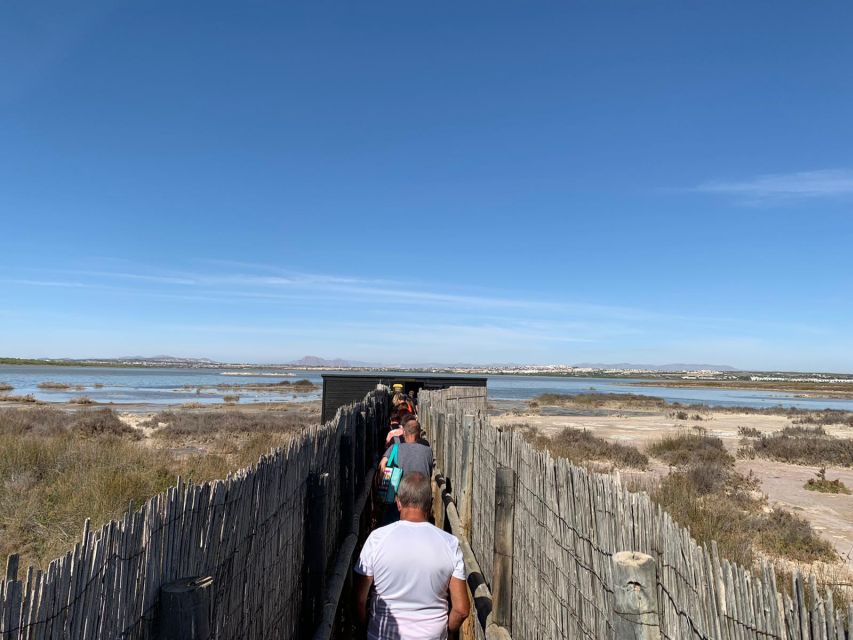
The tour lasts about 3 hours, with a guided walk plus stops plus a sit-down tasting. That’s a manageable length for a day in Torrevieja, but don’t assume it’s all flat and easy.
One real-world consideration is heat. The walk route back from the park area can feel long when temperatures are high. If you’re visiting in summer, start the day early when possible, wear breathable layers, and bring water even if you think you’ll be fine.
Mobility is another thing to think about. The activity is marked as wheelchair accessible, but parts of the route may not be fully friendly for wheelchair travel. If you’re coming with a mobility device, it’s smart to plan around the possibility that you may need help or that some sections could be difficult.
A small bonus: guides often split groups to keep pace smoother. That can mean less crowding and more time for questions, which makes the tasting part feel more personal.
Who this tour is best for (and who should pass)
This experience fits well if you want a nature walk with local food and you enjoy guided context. It’s especially good for:
- Couples who want something more interesting than a beach afternoon
- Foodies who like pairing wine with olive oil, cheese, and tapas
- People who care about regional products and want to taste them in the place they’re made
It may be less ideal if:
- You don’t do well with warm-weather walking
- You expect a fully restaurant-style wine tasting with premium pours
- You need a fully wheelchair-friendly route without any rough sections
If you’re the type who likes gentle structure—meet, walk, learn, taste—this tour is built for you.
FAQ
FAQ
Where do I meet the guide for the La Mata wine and food tasting?
You meet at the entrance of La Mata Nature Park at Centro de Interpretación Parque Natural La Mata, where the guide is holding a visible Tours Costa Blanca sign.
How long is the tour?
The duration is 3 hours.
What will I taste during the wine and food part?
You’ll taste 3 organic wines DO Alicante, plus 2 extra virgin olive oils, 2 homemade goat cheeses, and 2 local tapas.
Are the tastings in the park or in a restaurant?
The tasting happens at tables set up for the experience within the park setting after the walk.
Does the tour include wildlife?
Yes. You’ll walk in areas where you may see birds, including resident and migratory birds like flamingos.
Is there anything special about the tour in hot weather?
Yes. Due to high summer temperatures, the experience may change to a blind wine tasting and local product tasting in the Pink Lagoon.
What languages are offered?
The live guide offers Spanish and English.
Is the tour wheelchair accessible?
It is marked wheelchair accessible, but some parts of the route may not be fully accessible for wheelchair use, so it’s worth planning carefully.
What should I wear or bring for the walk?
Wear comfortable walking shoes and dress for sun and heat. If you’re visiting in summer, bring water, sun protection, and a hat.
Is free cancellation available?
Yes, you can cancel up to 24 hours in advance for a full refund.
Should you book this Torrevieja La Mata wine tour?
I’d book it if you want a 3-hour plan that mixes La Mata lagoon scenery, a bit of historical flavor from that 15th-century structure, and a seated tasting of organic DO Alicante wines paired with local oils, goat cheese, and tapas. It’s a good value when you want more than just a snack and a short sip.
I’d think twice if heat and long walking are hard for you, or if you need a route that’s guaranteed to be easy for wheelchair travel. If you’re in peak summer, remember the tour may switch to the blind tasting in the Pink Lagoon, which can be a fun workaround if you go in with flexible expectations.