REVIEW · STUTTGART
Stuttgart: Culinary Excursion through Bad Cannstatt
Book on GetYourGuide →Operated by Cool-Tours StattReisen Stuttgart · Bookable on GetYourGuide
Bad Cannstatt tastes like Stuttgart’s comfort food brain. This 150-minute culinary excursion takes you through the oldest part of the city and the old town of Bad Cannstatt, with tasting sessions built into the walk.
What I like most is the way the tour blends sights and eating. You’ll get entertaining, friendly guidance with insider-style local context, plus classic Swabian dishes like Hefezopf (braided bread) and Maultaschen (filled pasta squares in clear soup).
One thing to consider: this is more of a short tasting walk than a long, heavy food crawl. If you’re expecting lots of big portions and constant food stops, you might want to adjust your expectations.
In This Review
- Key points you’ll care about
- Bad Cannstatt on Foot: What 150 Minutes Really Delivers
- Meeting Point: Finding the Start Without Stress
- Old Stuttgart Perspective: Seeing Bad Cannstatt Like a Local
- City Church or Cannstatt Wells: The Stops That Anchor the Stories
- Swabian Tastings: Hefezopf and Maultaschen (and the Point of Them)
- Hefezopf (braided bread)
- Maultaschen (filled pasta squares in clear soup)
- How to eat during tastings
- Amusing Anecdotes + Short History: The Secret Sauce
- Walking Distance and Pace: About 2 km, So Plan Smart
- Price and Value: Is $46 Worth It?
- German-Language Tour Tips (So You Don’t Miss the Good Stuff)
- Who This Tour Fits Best
- Should You Book Stuttgart: Culinary Excursion through Bad Cannstatt?
- FAQ
- How long is the tour?
- How much does it cost?
- Where does the tour meet?
- What food items are included in the tastings?
- Is there a live guide?
- What language is the tour in?
- What is included in the price?
- What is the cancellation policy?
Key points you’ll care about
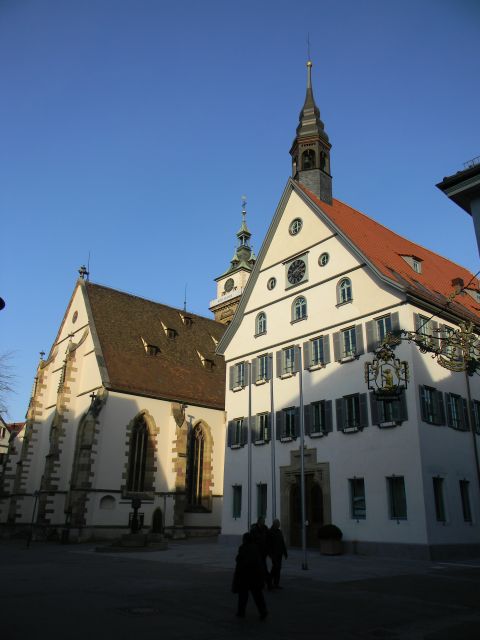
- Old town Bad Cannstatt on foot: you’ll walk through Stuttgart’s oldest/largest district area with an old-town focus
- Guide energy is the main attraction: the best reviews describe lively, insider knowledge and a very personable guide
- Real Swabian hits: Hefezopf and Maultaschen are the center of the tasting plan
- You’ll see at least one major landmark: the city church or the Cannstatt Wells are part of the route
- Short and manageable: reviews mention around 2 km of walking total
- A bit of food, a lot of local context: you learn the why behind what you eat
Bad Cannstatt on Foot: What 150 Minutes Really Delivers
This is the kind of food tour that works even if you’re not a “foodie” in the formal sense. You’re not just collecting snacks. You’re learning how people in Stuttgart’s region think about meals, bread, and comfort food, then tasting the classics as the story unfolds.
The timing matters. At 150 minutes, you get enough time to sample regional specialties without turning it into a half-day production. The pace also fits sightseeing: you’ll be looking at the old town while your guide layers in history and amusing anecdotes. That mix is exactly why the reviews feel so positive about the tour experience.
If your ideal tour is 10 stops and 10 full meals, this may feel lighter than you hoped. One review specifically suggested they expected more from the culinary side. My takeaway: treat it as a Swabian flavor sampler with real context, not a restaurant marathon.
Meeting Point: Finding the Start Without Stress
You’ll meet at Parkplatz des Restaurants Schreinerei Ecke Zaisgasse/Überkinger Straße. That’s specific, and I like that. It reduces that annoying “where are you?” moment that ruins the first five minutes of a walking tour.
Because this tour is only 150 minutes, your start time matters. Plan to arrive a little early so you can settle in, chat if you want, and get ready for the German-guided explanations. The tour runs with a live guide in German, so showing up with a clear meeting point helps you stay relaxed from the beginning.
Old Stuttgart Perspective: Seeing Bad Cannstatt Like a Local
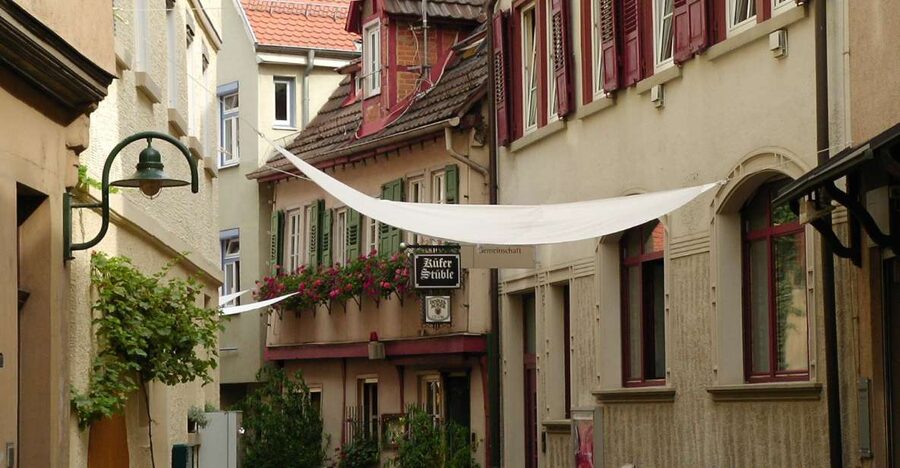
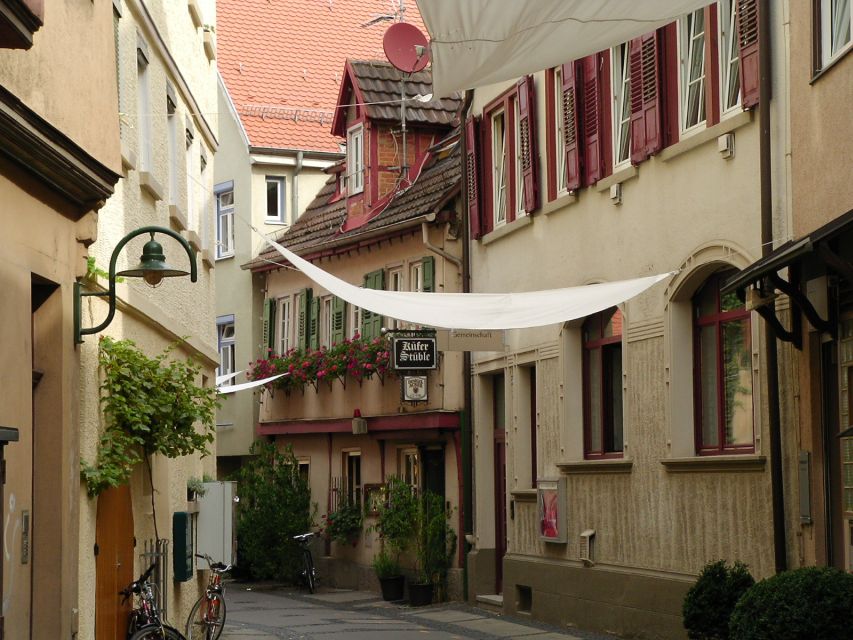
The core idea is simple: explore Stuttgart’s oldest part through Bad Cannstatt, using the neighborhood’s landmarks and stories as a backdrop for food.
You’ll likely hear the kind of details that don’t make it onto typical postcards—how the area developed, what people associate with it, and what locals remember. Reviews repeatedly highlight the guide’s insider knowledge and the way it’s delivered in a friendly, entertaining style. In practical terms, that means the tour feels less like a lecture and more like someone walking you through their home turf.
Another detail I appreciate: the tour isn’t one-way. One review notes it was based on local knowledge and that the guide took input from the participants. Even if you don’t speak much German, that dynamic usually keeps things moving and makes the experience feel more human.
City Church or Cannstatt Wells: The Stops That Anchor the Stories
This tour includes a look at a major focal point—either the city church or the Cannstatt Wells—as part of the Bad Cannstatt old-town walk.
Why do stops like these matter on a food tour? Because they give you a mental map. Without that, tastings can feel random: bread here, soup there, story nowhere. With a landmark stop, you understand why a region’s cuisine belongs to a place—and why certain foods show up again and again in local tradition.
Here’s how to think about it: treat these sights as your timeline markers. As the guide talks, you connect flavor to setting. You’ll remember the tastes longer because your brain ties them to something concrete you saw with your own eyes.
Swabian Tastings: Hefezopf and Maultaschen (and the Point of Them)
Let’s talk about the food stars, because they’re the real reason you’re here.
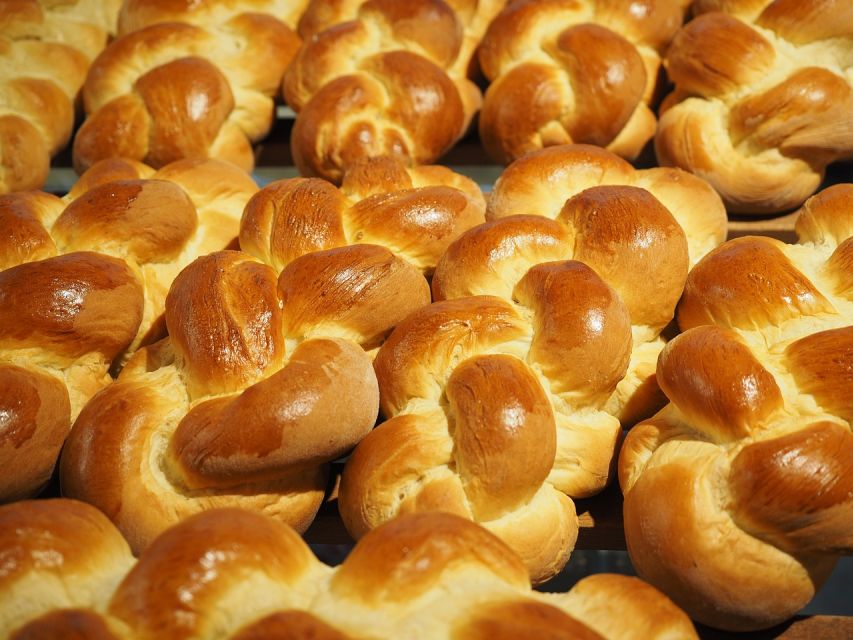
Hefezopf (braided bread)
This is a classic braided bread made with yeast dough. It’s the kind of bakery item Swabians tend to treat like everyday comfort—something you recognize, something you order with confidence.
If you’re used to sweeter pastries from other parts of Germany, Hefezopf hits different. It feels more “meal-adjacent” than dessert, and that’s useful. On this tour, you’re tasting it as part of a regional pattern, not just as a novelty.
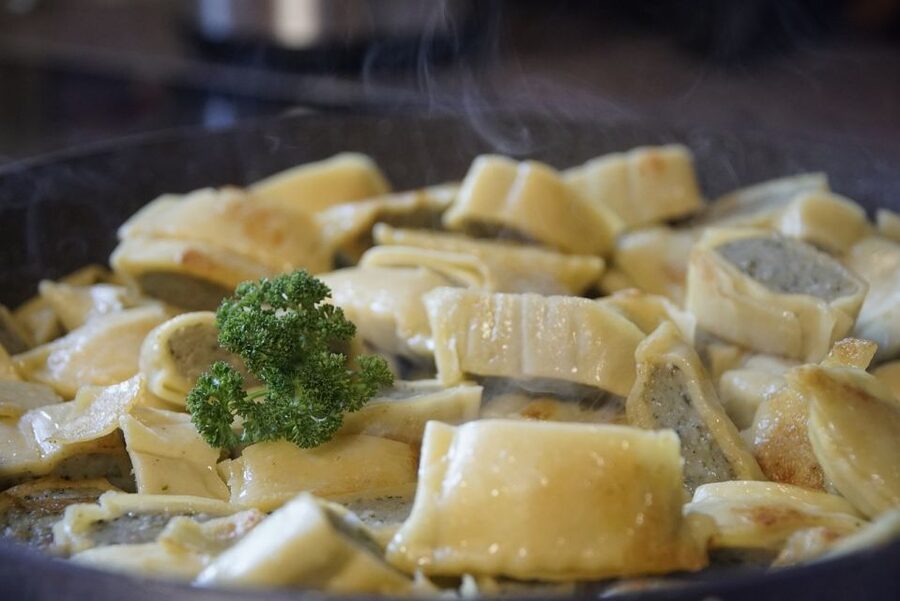
Maultaschen (filled pasta squares in clear soup)
If Hefezopf is the bread comfort, Maultaschen is the hearty centerpiece. These filled pasta squares come served in clear soup—simple, warming, and built for real hunger.
This dish is also a great “gateway” food. Even if you don’t know what to expect, the format makes sense once you understand it’s filled pasta. The soup keeps everything grounded, and the overall flavor tends to feel familiar even when you’re trying it for the first time.
How to eat during tastings
A small practical tip: take a moment between bites. Let the guide finish the explanation, then taste again. You’ll catch more nuance when you’re not rushing. It also helps if you’re listening in German—you’ll connect words to what you’re tasting.
Amusing Anecdotes + Short History: The Secret Sauce
Lots of food tours include facts. This one leans harder on tone and storytelling.
Reviews mention the guide being entertaining and friendly, and one person even said the guide made Cannstatt feel alive. That matters because it changes how you experience the tastings. Food becomes a character in the story instead of a random sample on a napkin.
Expect the tour to mix:
- amusing anecdotes (the kind that make you smile while walking)
- interesting city history
- explanations of why regional treats like Hefezopf and Maultaschen belong to Stuttgart’s culture
If you like walking tours where you learn without feeling tested, you’ll probably enjoy the pacing. If you want lots of deep, museum-style lectures, you might find it too light. But that’s not a bad thing for a 150-minute tour with food built in.
Walking Distance and Pace: About 2 km, So Plan Smart
One review mentioned the walk totals about 2 km. For many people, that’s an easy commitment.
Still, think like a realist: you’ll be outside, you’ll be standing at a couple stops, and you’ll want to have the energy to taste at the end. Wear comfortable shoes. Also, arrive not-too-hungry and not-overly stuffed—this is a tasting tour, and you want your appetite to match the portions.
The pace is part of the appeal. Reviews describe the guide keeping things short and lively. That supports a steady flow: see something, learn something, taste something, move on.
Price and Value: Is $46 Worth It?
$46 per person for 150 minutes with a live guide and tasting sessions sounds fair in both practical and value terms—especially because you get more than one dish and not just a single token sample.
Here’s how I judge value on tours like this:
- Is the food actually recognizable regional classics?
Yes: Hefezopf and Maultaschen are clearly part of the plan.
- Do you get context, not just consumption?
Yes: the guide’s history and insider stories show up repeatedly in the feedback.
- Is the experience time-efficient?
Yes: 150 minutes is a solid window for a walking tasting tour.
But take the one criticism seriously: one review felt that under the banner of culinary excursion, they expected more food intensity. So the best way to match value with your expectations is to think of this as a tasting walk with cultural context. If you go in hunting for huge quantities, you may feel shortchanged.
German-Language Tour Tips (So You Don’t Miss the Good Stuff)
The tour guide is German-language only. That’s not unusual for city-based walking tours, but it does affect your experience.
My advice:
- Read the vibe: the tour is entertaining, so you’ll likely follow even if your German is basic.
- Don’t worry if you miss a sentence. The story repeats in a food-and-sight format.
- Watch what your guide points at. The landmarks help translate the narration.
Also, one positive review notes the tour relied on local knowledge from participants. That suggests the guide listens and adjusts. If you ask simple questions, it can make the experience smoother.
Who This Tour Fits Best
I’d book this if you:
- want classic Swabian cuisine without committing to a full dinner plan
- like walking tours that mix stories with food
- enjoy learning the local “why” behind dishes like Maultaschen and Hefezopf
- prefer a short format that’s easy on scheduling
I’d think twice if you:
- expect a long, heavy food crawl with lots of big portions
- want a tour in English
- dislike walking in old-town streets, even for a short distance
Should You Book Stuttgart: Culinary Excursion through Bad Cannstatt?
Yes—if your goal is a short, high-satisfaction taste of Stuttgart’s regional classics with a genuinely lively guide. The strongest signal from the feedback is the guide: insider knowledge, friendliness, and a way of making Cannstatt feel real. Add in Hefezopf and Maultaschen, and you’ve got a tour that’s easy to recommend.
Book with the right expectations: it’s tastings + sights in 150 minutes, not an all-you-can-eat event. If that fits your style, this is a smart use of time in Stuttgart.
FAQ
How long is the tour?
The tour lasts 150 minutes.
How much does it cost?
It costs $46 per person.
Where does the tour meet?
Meet at Parkplatz des Restaurants Schreinerei Ecke Zaisgasse/Überkinger Straße.
What food items are included in the tastings?
You’ll taste regional specialties such as Hefezopf (braided bread) and Maultaschen (filled pasta squares served in clear soup).
Is there a live guide?
Yes. The tour includes a live tour guide.
What language is the tour in?
The tour is in German.
What is included in the price?
The price includes the tour and tasting sessions.
What is the cancellation policy?
There is free cancellation up to 3 days in advance for a full refund.