REVIEW · HANOI
Street Food Tour Hanoi and Train Street Experience
Book on GetYourGuide →Operated by DragonflyCruise · Bookable on GetYourGuide
Train Street in Hanoi changes how you think about a street.
I love that this tour mixes Old Quarter food with the very specific thrill of watching the train cut through a residential alley built in the early 1900s.
Two things I like a lot: first, walking the Old Quarter’s 36 craft streets while your guide explains what trades used to live here (from blacksmiths to silver and silk). Second, the tastings are set up so you actually learn what you’re eating, not just collect snacks.
One drawback to plan for: the Train Street area can get crowded in a narrow space, so you’ll want comfortable shoes and you may need to be patient for the train moment.
In This Review
- Key takeaways before you go
- Entering Hanoi’s Old Quarter with a food map, not a list
- The 36 craft streets story: street names with real meaning
- First tastings in the Old Quarter: the guide helps you order smarter
- Market time: shopping with locals without feeling out of place
- Walk + photo stops: the Old Quarter changes block by block
- Train Street Hanoi: the photo, the reality, and the timing
- What to do during the Train Street segment
- Why egg coffee and rail-watch fit together so well
- Pace, comfort, and the reality of narrow Old Quarter streets
- Price and value: why $28 can make sense here
- Guides you’ll remember: names that show the human factor
- Who should book this tour (and who might want to choose another option)
- Should you book this Hanoi street food and Train Street experience?
- FAQ
- FAQ
- How long is the street food tour in Hanoi?
- Where do I meet the guide?
- Is the tour a small group?
- What food and drinks are included?
- Does the tour include Train Street?
- Is pickup available from my hotel?
- What should I bring?
- Are there any restrictions?
- Is the tour suitable for wheelchair users?
- Can I cancel for a refund?
Key takeaways before you go
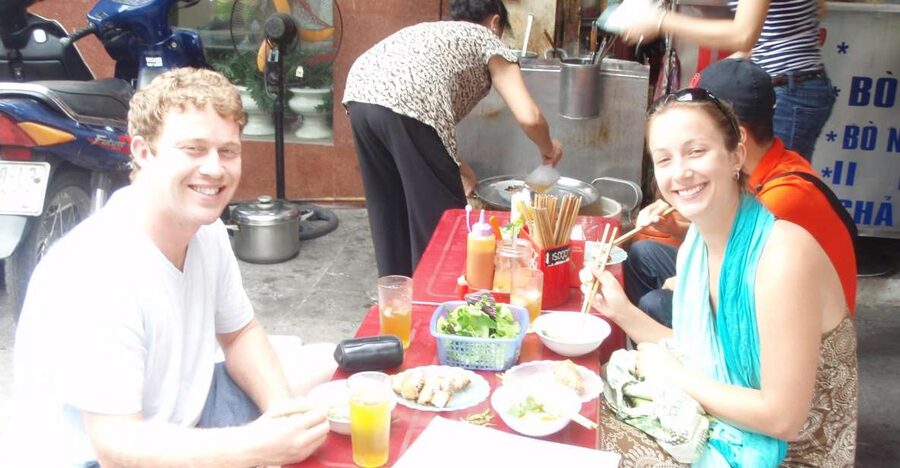
- Old Quarter craft streets: you’ll connect street names to real trades like paper shops, headstone makers, and jewelers
- Small-group pace: limited group size keeps stops relaxed enough to ask questions and take photos
- Food you might skip on your own: guided ordering helps you try dishes and drinks you wouldn’t naturally pick
- Train Street is a residential alley: the “attraction” is also someone’s neighborhood, with small cafés along the way
- Coffee is part of the show: you’ll get coffee tastings, and Train Street cafés are known for egg coffee while you wait
Entering Hanoi’s Old Quarter with a food map, not a list

The best way to enjoy Hanoi’s Old Quarter is with a guide who understands the rhythm of the streets. On this tour, you start right in the center of the Old Quarter area, at 31 Lò Sũ Street, close to the Water Puppet Theater. That location matters because you’re not making a long commute just to begin eating and walking.
From the start, the tour mindset is simple: you’ll walk, stop, taste, and learn. You’re not stuck in a single restaurant or only sampling things that are already tuned for tourists. Instead, you move through a web of side streets where the city’s old trades shaped daily life.
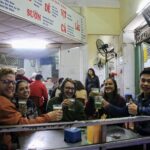
You’ll also appreciate the small-group setup. With a cap of up to 8 people (and the activity sometimes lists up to 10), you’re more likely to get personal attention—especially when you’re deciding what to order or when the guide spots a good moment for photos.
You can also read our reviews of more food & drink experiences in Hanoi
The 36 craft streets story: street names with real meaning
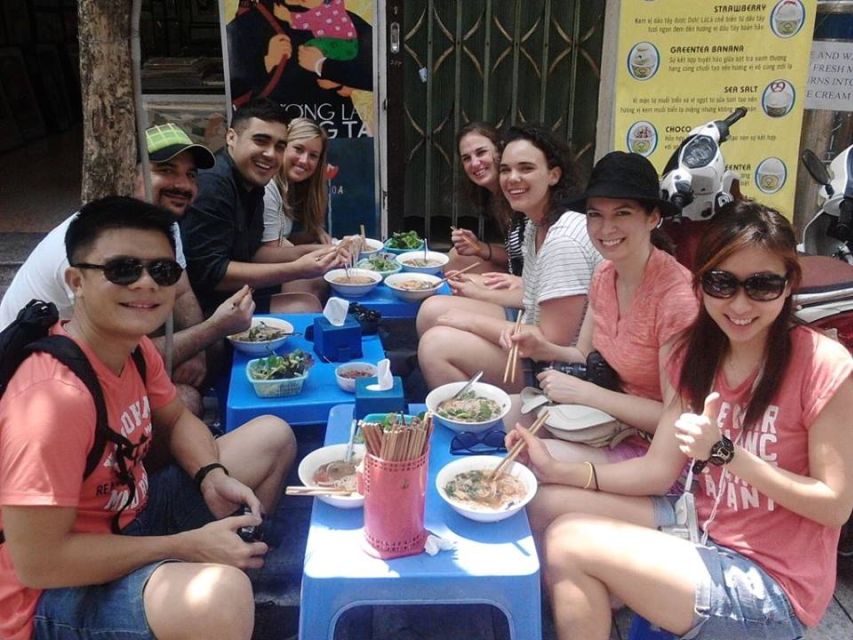
Hanoi’s Old Quarter isn’t just a pretty maze. It’s a living archive of what people used to make and sell. The guide takes you through some of the 36 streets that were historically tied to specific jobs, like blacksmiths and silver shops, paper makers, headstone makers, and silk traders. Jewelers also had their own lanes.
Here’s what I like about this approach: it turns a walk into a lesson you can actually use. When you see a shop and learn what the street traditionally specialized in, you stop thinking of the Old Quarter as generic “old town” and start seeing it as a set of systems—where certain goods clustered because buyers, craftsmen, and storage made sense close together.
You’ll also notice the modern overlay. Many lanes are now known for artisans, silk shops, bars, clubs, and of course local cuisine. That contrast is the point. Old trade streets still function, but the customer base and products have shifted over time.
First tastings in the Old Quarter: the guide helps you order smarter
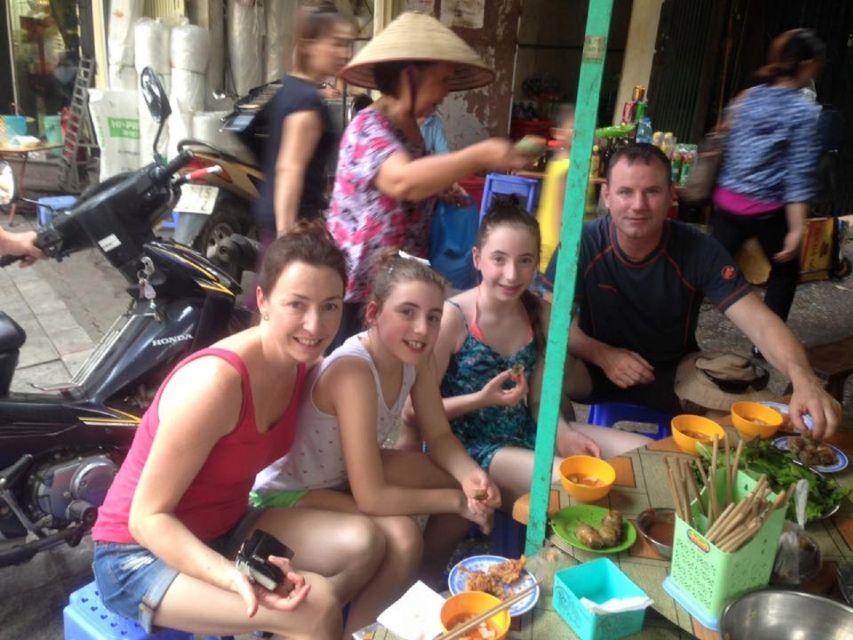
Food tours can go two ways: either you eat a lot with little context, or you taste thoughtfully with guidance. This one leans hard into the second style. You’ll sample multiple categories like street food, local snacks, regional dishes, and drinks such as beer, coffee, and tea.
What you should expect is a sequence of stops that teach you how Vietnamese flavors work together—savory dishes, then something sweet, then a drink that resets your palate. One of the repeated themes in the experience is that the guide takes people to places they wouldn’t find alone and helps them choose confidently.
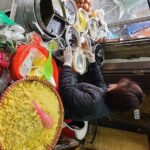
If you’re curious what this can look like in real life, the provided guest experiences mention dishes and drinks such as banh mi, pho, bun cha, satay, and egg coffee. People also reference desserts like sticky rice, and the tours often pair a first savory stop with later sweet or chilled options so you’re not overwhelmed early.
A practical tip: if you arrive hungry (not painfully hungry), you’ll enjoy the flow more. Several guests note the amount of food is generous, enough that you might not feel eager for a full dinner afterward.
Market time: shopping with locals without feeling out of place

One of the most underrated parts of a good street food tour is market energy. You’ll join the locals as they shop and move through food offerings. Even if you don’t buy much, watching how people choose ingredients and navigate stalls gives you context you can carry into the rest of your trip.
This is also where the guide earns their keep. Without local help, a market can feel like you’re passing by options at random. With a guide, you know what to look for: what’s popular, what’s fresh, what pairs well, and which snacks are worth slowing down for.
In your case, market time isn’t about buying souvenirs. It’s about understanding what’s normal here—what locals treat as everyday fuel, and what’s served for quick meals rather than as a “special occasion” dish.
Walk + photo stops: the Old Quarter changes block by block
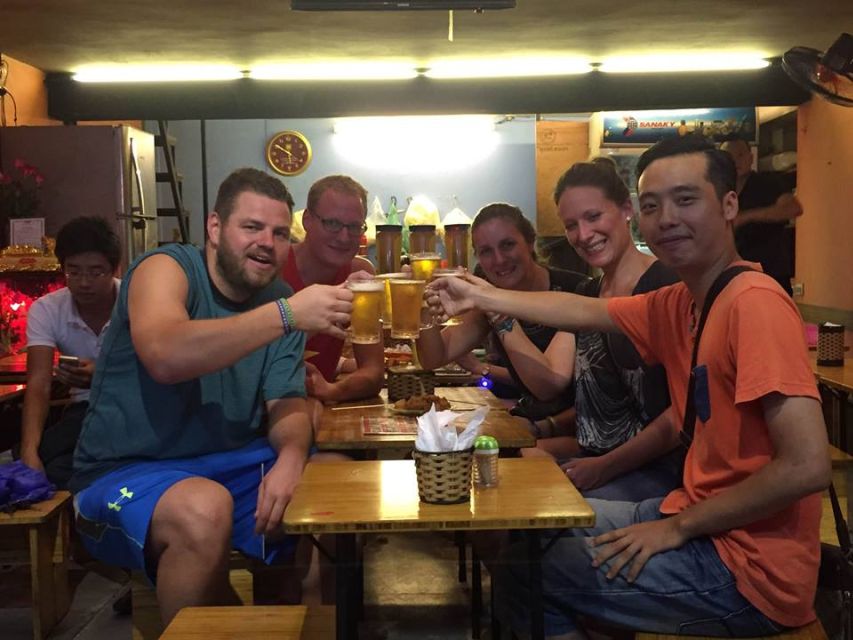
The tour includes walking between stops on foot, including at least one short stretch that’s specifically identified as about 15 minutes. That matters because Hanoi is a city of tight turns. You want time to slow down before the next alley and time to notice what’s happening at street level—menu chalkboards, cooking smells, and the flow of foot traffic.
Photo stops are part of the pacing, too. The guide helps you take pictures, which is useful because Train Street is the kind of place where you end up aiming your camera in the wrong direction if you’re on your own.
Also, expect at least one sunset-style moment in the overall tour flow. The Old Quarter has a different feel as light changes—less harsh, more walkable, and often more comfortable for eating.
A few more Hanoi tours and experiences worth a look




Train Street Hanoi: the photo, the reality, and the timing
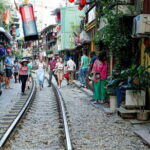
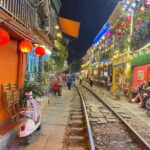
Now for the headline: Hanoi Train Street. It’s a narrow alley in the Old Quarter that became a global magnet for one reason—an active train track runs right through it. What surprises people is that it’s not a fenced-off attraction. It’s a residential area, and many locals have adapted their houses into small cafés.
The street has roots going back to 1902, when French people built this narrow layout. Today, the train still comes through several times per day. That’s why your time there feels like waiting with purpose: you’re in the alley, surrounded by shops and cafés, knowing that the train will whiz by at intervals.
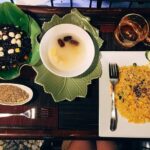
A lot of cafés along Train Street are known for egg coffee, and it’s common to sip something while you wait for the train to pass. In other words, you’re not just chasing a single moment. You’re experiencing how locals turned a constraint into a social setup.
What to do during the Train Street segment
- Stay alert but don’t panic. Crowds build quickly because everyone is waiting for the same short window.
- Have your camera ready before the train arrives. The action is fast.
- Use the guide’s positioning advice. They’re there to help you take photos safely and at angles that make sense.
One more thing: because it’s residential, the etiquette matters. The tour also includes a safety briefing, which you should take seriously in that tight space.
Why egg coffee and rail-watch fit together so well
It’s easy to think of Train Street as a stunt. But the egg coffee pause changes the vibe. It’s a way to turn waiting into a mini café experience rather than a frantic scramble.
You’ll also get coffee focus in the broader tour, since coffee tasting is included. That means you’re not only seeing Train Street—you’re also learning how Vietnamese coffee culture shows up on the streets.
If you’ve only had coffee in airports or chains, this is the kind of experience that makes local coffee feel real. Egg coffee, in particular, is tied to the idea of comfort and improvisation: familiar ingredients, local technique, and a setting that makes sense for the neighborhood.
Pace, comfort, and the reality of narrow Old Quarter streets
This tour is built on walking and stopping often. That’s great for seeing more than one pocket of Hanoi, but it also means comfort matters.
Bring comfortable shoes. Even a short walk in the Old Quarter can feel long once you add tight lanes, stairs, and the slow shuffle that happens when you reach crowded points like Train Street.
The tour also isn’t suitable for everyone. It’s noted as not fitting wheelchair users, and there are restrictions like no pets and no smoking. If you’re traveling with mobility challenges, you’ll want to consider a different style of tour that doesn’t require navigating narrow streets and busy sections.
Price and value: why $28 can make sense here
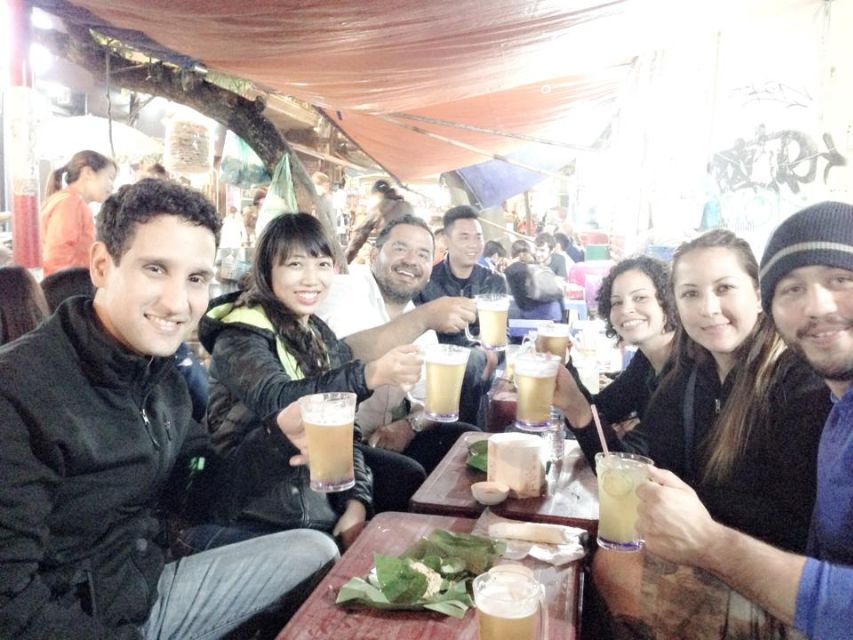
At $28 per person for a 3-hour experience, you’re paying for more than food. You’re paying for:
- an English-speaking guide who helps you choose and understand what you’re eating
- an authentic Vietnamese meal, plus dessert and drinks
- small-group movement so you don’t spend your time stuck behind strangers
Street food can be cheap, sure. But the hidden cost when you travel alone is uncertainty. You spend time figuring out menus, guessing portion sizes, and worrying about what’s safe or what’s worth the effort. A guided format reduces that stress.
Also, the amount of food is a recurring theme in the experiences shared. People repeatedly say they leave full, with enough tastings that it can carry them for the rest of the day. When a tour includes multiple categories—beer/tea/coffee, savory bites, and sweet stops—that’s hard to replicate cheaply unless you’re already confident ordering in Vietnamese.
Guides you’ll remember: names that show the human factor
One thing that pops from the available experiences is how much people value the guide personality and expertise. You’ll see names like Tee, Ryan, Ning, Ha, Harry, Benjamin, Mia, Cuong, Thom, Mike, and David associated with the tour.
What I take from that: this isn’t just someone reading facts off a sheet. Different guides bring the Old Quarter to life in their own way—through stories about families running stalls, explanations of food and culture, and a relaxed pace that makes it easier to ask questions.
If you enjoy travel where you talk to real people, this style usually clicks fast.
Who should book this tour (and who might want to choose another option)
This is a strong fit if you:
- want Old Quarter street food with context
- like walking tours but don’t want to plan every stop
- enjoy the idea of Train Street as more than a single photo moment
- want a guide to help with ordering, especially if you’re new to Vietnamese dishes
It may be less ideal if you:
- need a wheelchair-friendly route
- dislike crowded, tight areas (Train Street can get busy)
- prefer quiet, sit-down dining only
Should you book this Hanoi street food and Train Street experience?
Yes, if you want your first taste of Hanoi to feel guided but still local. For $28 and 3 hours, you get a structured walk through the Old Quarter’s craft legacy, a serious lineup of tastings with drinks, and a Train Street moment that shows how the city works at street level—not just how it looks in photos.
Book it early in your Hanoi stay. Knowing what you like on the tour makes it easier to return to a stall or dish later with confidence, and you’ll understand the street layout a lot faster after this kind of guided orientation.
FAQ
FAQ
How long is the street food tour in Hanoi?
The tour lasts 3 hours.
Where do I meet the guide?
Meet at the booking office at 31 Lò Sũ Street, Hoan Kiem district, in the center of Hanoi’s Old Quarter, close to the Water Puppet Theater.
Is the tour a small group?
Yes. It’s described as a small-group tour with a maximum size listed as 8 people (and it’s also listed as limited to 10 participants).
What food and drinks are included?
The tour includes an authentic Vietnamese meal, dessert, and drinks, plus tastings such as beer, coffee, and tea, along with street food and local snacks.
Does the tour include Train Street?
Yes. You’ll visit Hanoi Train Street in the Old Quarter, including a chance to experience the train passing in the narrow alley.
Is pickup available from my hotel?
Pickup is optional for hotels in the Old Quarter of Hanoi.
What should I bring?
Wear comfortable shoes for walking around narrow streets.
Are there any restrictions?
Pets are not allowed, and smoking is not allowed.
Is the tour suitable for wheelchair users?
No. It’s listed as not suitable for wheelchair users.
Can I cancel for a refund?
Yes. There is free cancellation up to 24 hours in advance for a full refund.