REVIEW · SPLIT
Split: Food Tasting Walking Tour
Book on GetYourGuide →Operated by www.splitwalkingtour.com · Bookable on GetYourGuide
Food in a Roman palace beats typical sightseeing. This Split walking food tour turns Diocletian’s Palace and medieval streets into a tasting route, with local stories that explain what you’re eating and why it matters. I especially like the way it mixes Green Market snacks with real context, so you’re not just collecting bites—you’re learning the flavor logic of Dalmatia.
My second favorite part is the focus on places that locals actually use, not just photo backdrops. The stop at Peškarija, Split’s Fish Market, feels like a living food scene—complete with traditional salted anchovies and the idea of marenda (Dalmatian brunch). You also get memorable specialty stops, like UNESCO-listed Soparnik, plus a chocolate shop tied to a Guinness record.
One drawback to flag: this tour is not wheelchair accessible, so you’ll want comfortable shoes and a willingness to walk uneven old-stone streets for a full 2 hours.
In This Review
- Key highlights worth showing up for
- Why Diocletian’s Palace makes this a smarter kind of food tour
- Golden Gate start: quick orientation and your first local cafe stop
- The Green Market (Pazar) and the snacks you’ll actually remember
- Soparnik and the wine moment: why UNESCO protection matters
- Chocolate, Guinness bragging rights, and the rafiol-cake kind of finale
- Split Fish Market (Peškarija): anchovies, marenda, and eating like a local
- The later tasting stops: building a full picture, not just hitting big names
- Price and value: what $51 buys you in real terms
- Who this tour suits best (and who should skip it)
- Practical tips so your 2 hours feel effortless
- Should you book this Split food tasting walking tour?
- FAQ
- How long is the Split Food Tasting Walking Tour?
- Where do I meet the guide?
- Where does the tour end?
- What’s included in the price?
- Are there extra costs during the tour?
- Is the tour wheelchair accessible?
- What’s the cancellation and payment policy?
Key highlights worth showing up for
- Golden Gate meeting point near the statue of Gregory of Nin, look for the blue umbrella
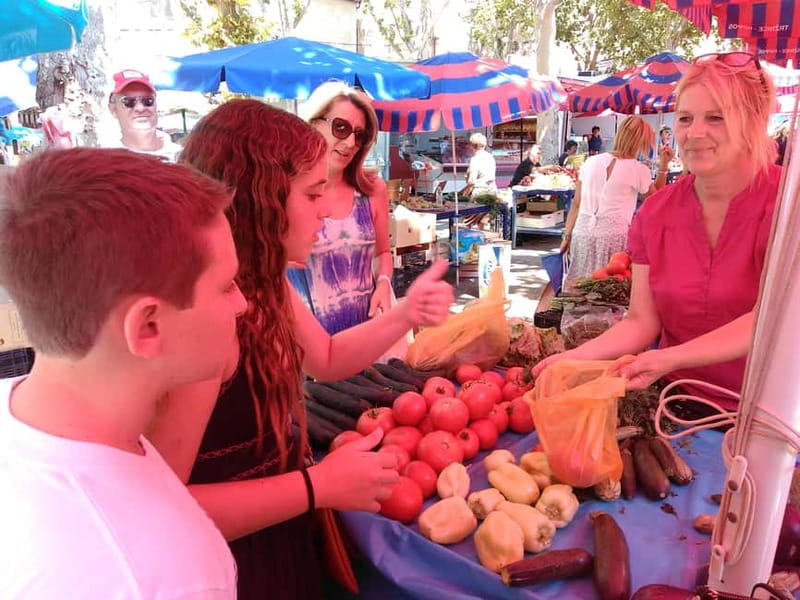
- Green Market tastings that start sweet (candied almonds) and move into local specialties
- Soparnik explained as a UNESCO-protected dish, not just another flatbread
- Guinness-record chocolate stop plus a visit to an older bakery for classic cake
- Peškarija Fish Market with traditional salted anchovies and marenda-style eating
- Small-group feel with an English-speaking guide and multiple tasting stops
Why Diocletian’s Palace makes this a smarter kind of food tour
Split can be a blur of stone and sea views if you rush it. What I like about this tour’s setup is that it gives the city a frame: food first, history second, then you walk through both. Diocletian’s Palace is huge, and it can feel confusing at ground level. Here, you get a guide to help you connect street corners, markets, and old palace passages into one clear route.
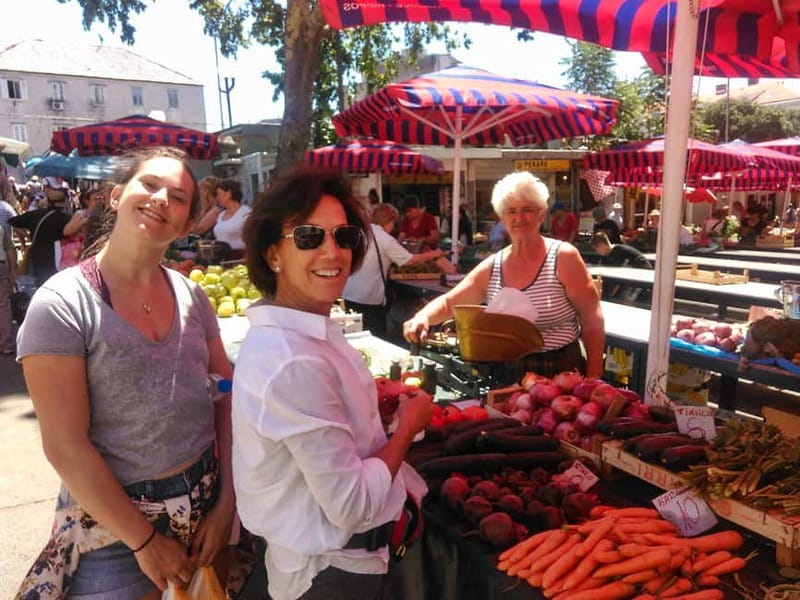
Also, you’re eating in places built for food—markets, bakeries, and counters where locals pick up lunch. That changes the vibe. Instead of “tourist tasting,” it becomes “try what people actually order,” and the stories around each bite help you repeat the experience later on your own.
You can also read our reviews of more tours and experiences in Split.
Golden Gate start: quick orientation and your first local cafe stop
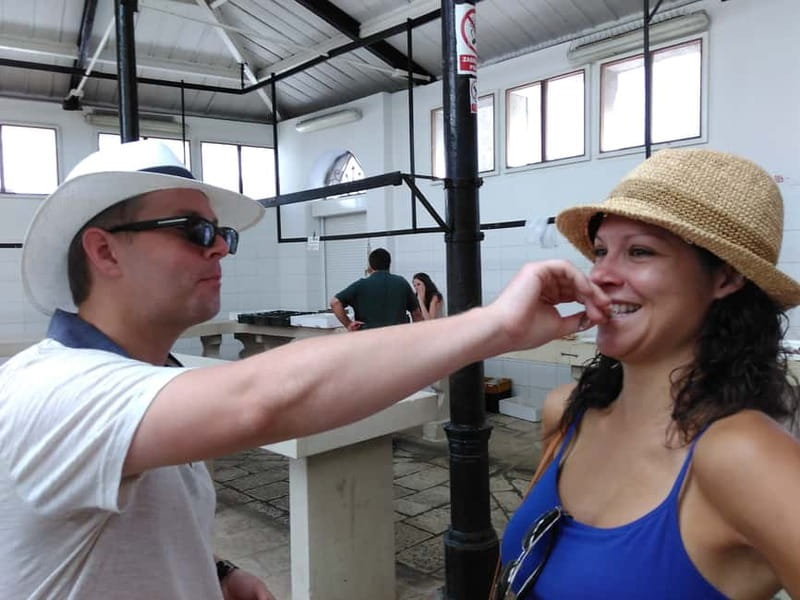
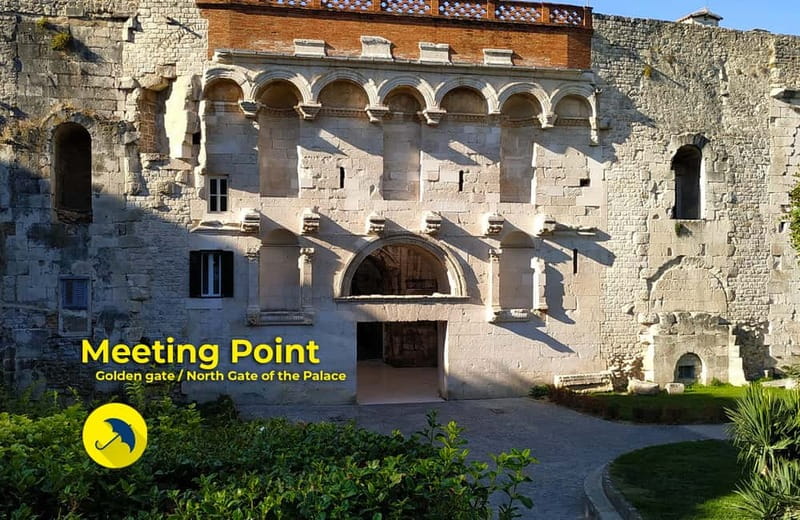
You’ll meet at the Golden/North Gate, near the statue of Gregory of Nin, and you should look for the blue umbrella. It’s an easy landmark to find, and it’s the right kind of start point: you’re already inside the historic core.
From there, the tour eases you in with a local café tasting. These first 15 minutes matter more than they seem. They get your taste buds awake and give your guide a chance to set expectations—what’s common in Dalmatian eating, what seasonal ingredients to watch for later, and how to think about market food as a daily ritual.
If you’re doing Split on a tight schedule, this kind of start is practical. Two hours goes fast, so you want the tour to get moving early, not after long introductions.
The Green Market (Pazar) and the snacks you’ll actually remember
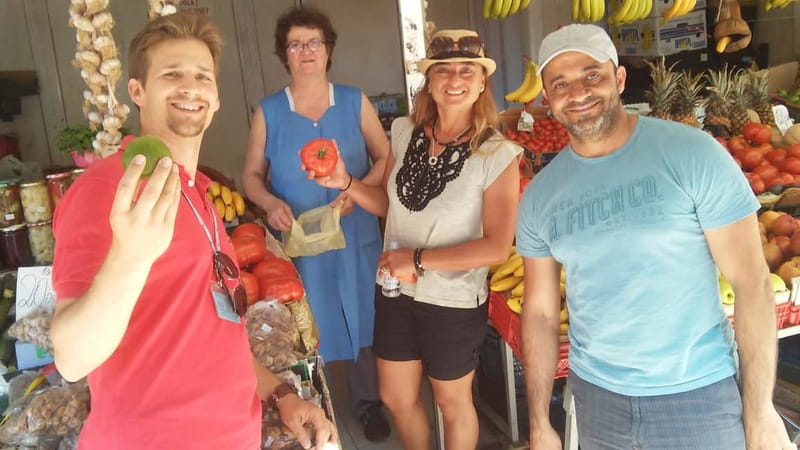
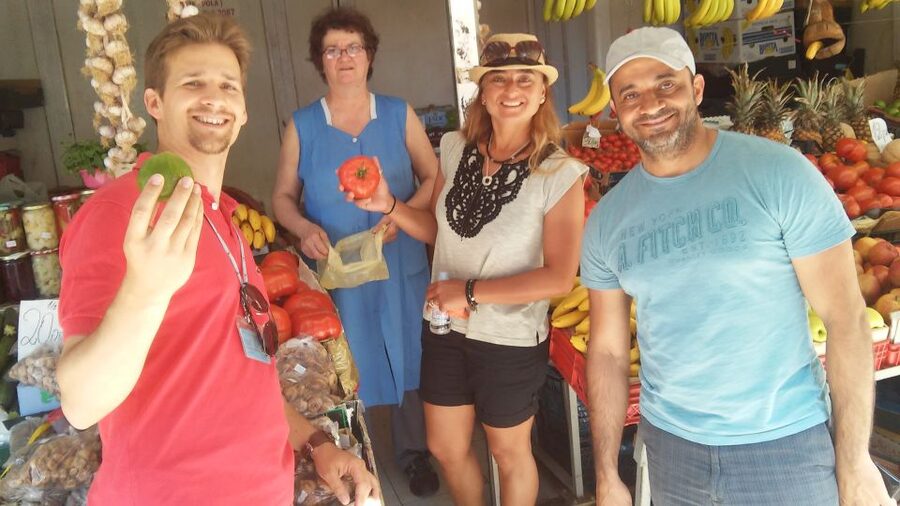
Next comes the Old Market / Green Market area—often where the best “small bites” live. You’ll visit the market and taste items like local arancini and sweetened almonds to start your morning.
This stop works because it teaches you how Dalmatian flavors move between savory and sweet. Those candied nuts are more than a treat; they’re the kind of thing you’ll see in shops and snack stalls around the coast. It also helps you understand the rhythm of eating here: quick, handheld, and built for people who are walking all day.
And yes, you’ll be doing real walking through old Split streets while you taste. The tour uses that movement on purpose—your “navigation” becomes part of your learning.
Soparnik and the wine moment: why UNESCO protection matters
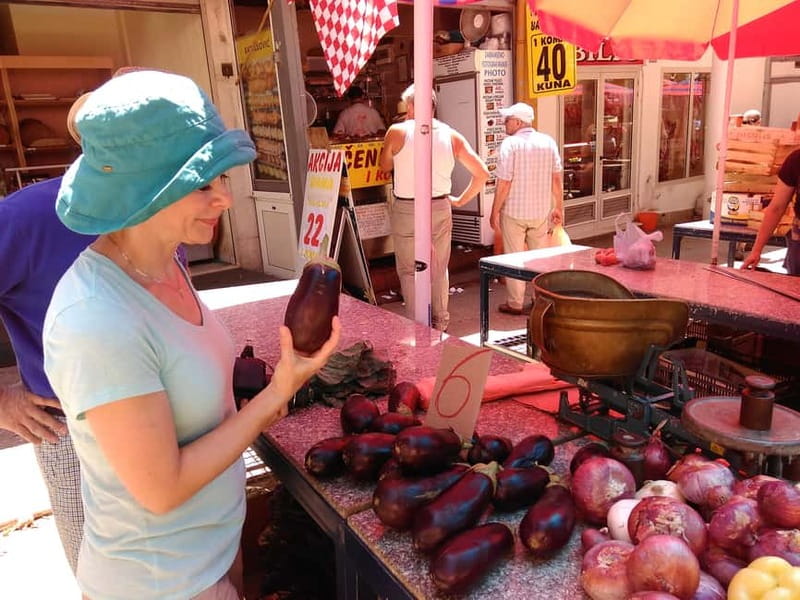
After the market, the plan includes a stop where you’ll have a glass of local wine and try Soparnik, described as a dish protected by UNESCO. That UNESCO angle isn’t just trivia. It signals that this isn’t a trend dish; it’s rooted in regional food traditions and passed down through generations.
Soparnik is also a great tasting choice because it’s not generic pizza-flatbread energy. It’s flatbread-style food with character, and it’s the kind of specialty you’ll struggle to recreate from memory. The guide’s job here is to explain what makes it “Split food” rather than just “bread you ate.”
Then you’ll walk on through the medieval city while tasting more familiar coastal flavors, including traditionally made prosciutto. In other words: you get both “tourist-friendly” bites and the more specific regional ones that make the tour feel worth it.
Chocolate, Guinness bragging rights, and the rafiol-cake kind of finale
One of the fun turns is the chocolate stop. The tour includes a visit to a chocolate shop with a Guinness record tied to the largest chocolate bar in the world—so you get a playful, photo-friendly break without losing the food focus.
What I like most is that it’s not just a gimmick. Chocolate shops like this often sell more than mass-market sweets, and the tasting connects to a bigger point: Dalmatian food culture is careful about treats. Sweet ends are part of the meal here, not an afterthought.
After that, the tour heads toward an older bakery to try rafiol cake, described as the famous local cake. This is where your tour starts to feel like an actual “food itinerary,” not a random set of snacks. You’re being led to iconic items that tend to be hard to find if you don’t know what to ask for.
Split Fish Market (Peškarija): anchovies, marenda, and eating like a local
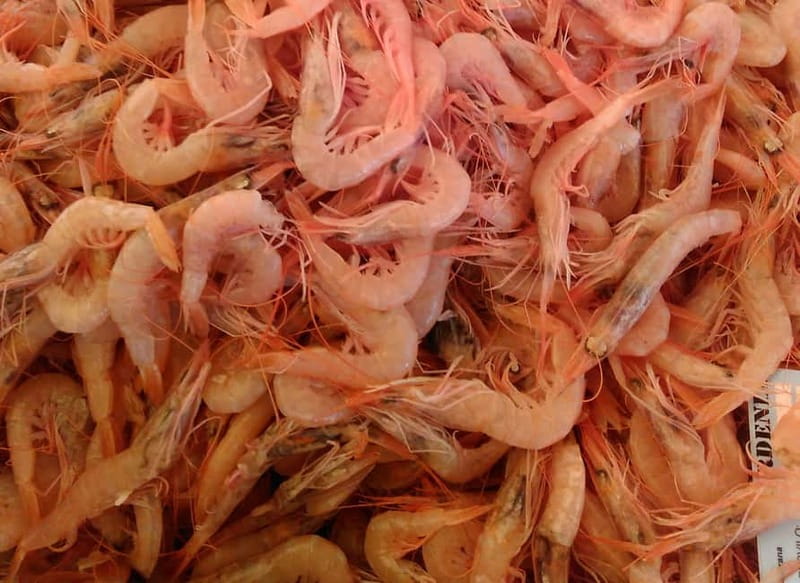
If you want one stop that changes how you view Split, it’s the Fish Market: Peškarija. It’s described as the second oldest fish market in Europe, and the tour points out original benches that are more than 120 years old. That detail matters because it helps you see the place as infrastructure—not just scenery.
Here, you’ll learn how to eat salted anchovies, tied to the tradition of marenda, a Dalmatian brunch. This part is valuable because it teaches you a way of thinking. Anchovies aren’t “that salty thing you avoid.” In this context, they’re breakfast-meets-lunch food—salty, briny, and meant to pair with the rest of what you’re doing that day.
There’s also a practical benefit. Once you understand how locals treat anchovies as brunch, you’re more likely to recognize them on menus and in market stalls later—so the tour keeps paying off after you leave.
The later tasting stops: building a full picture, not just hitting big names
After Peškarija, the tour continues with more tasting stops, including a local bar tasting and then a local restaurant tasting before returning to the meeting point.
These last portions do two things:
- They round out the story so you don’t end up with only market food in your head.
- They help you get recommendations you can use immediately—what to repeat, where to go for similar dishes, and what to order if you want the same flavor track again.
This is also where the guide quality really shows. In past groups, guides like Marta, Jakov, Slavko, Ina, and Antonia have been praised for combining food talk with city context, and for making sure questions get answered. (Since the tour is led in English, that matters if you want more than a scripted “here’s your bite” experience.)
Price and value: what $51 buys you in real terms
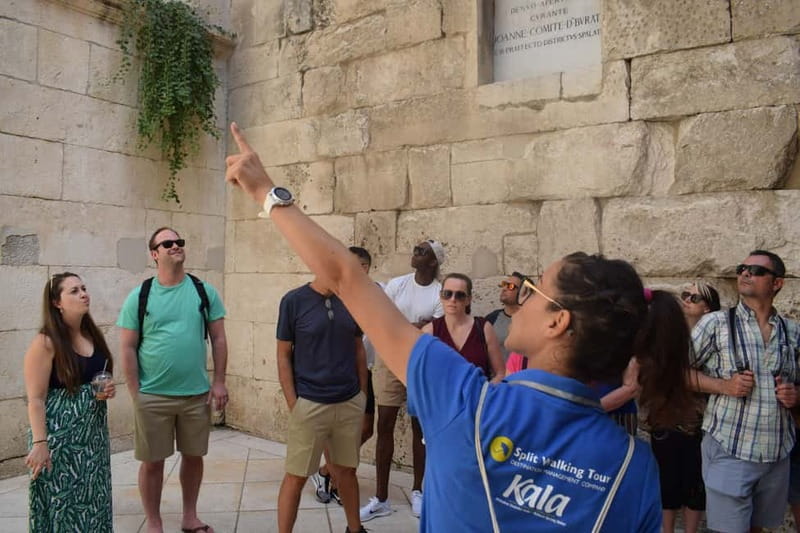
At $51 per person for about 2 hours, this tour is best viewed as a structured sampler plus a guided orientation to Split’s key food places inside Diocletian’s Palace.
What you’re getting:
- A live English-speaking guide
- Food tastings across multiple stops
- Traditional recipes to take home
What you might pay extra for:
- Optional extra expenses at the markets, if you choose to buy more than the tastings
Here’s the value math I use when I’m deciding on food tours: you’re paying for (1) access to multiple tasting locations, (2) someone translating food culture into plain language, and (3) time saved from figuring out where to eat on your own. If you’re only in Split briefly, this format can be a fast, cost-effective way to learn what the city does well.
Who this tour suits best (and who should skip it)
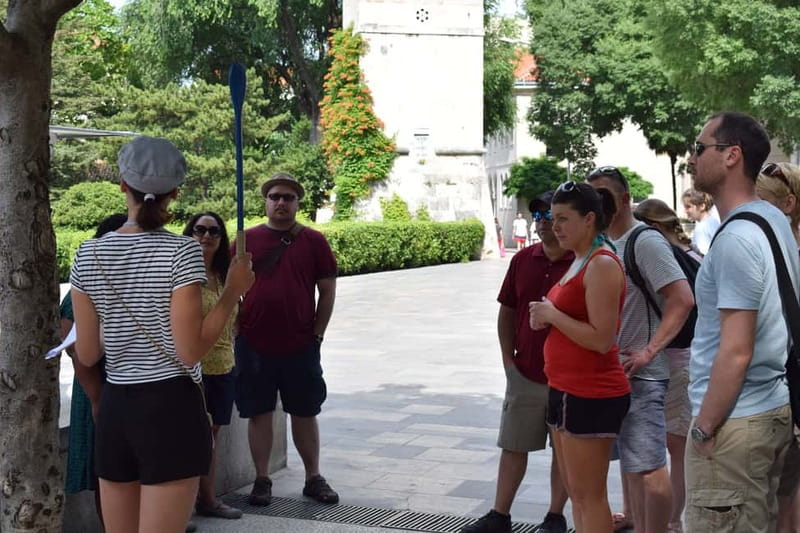
This experience fits you if:
- You like food tours that include actual city movement and not just indoor tastings
- You want a quick intro to Diocletian’s Palace beyond photo stops
- You’re curious about traditional dishes like Soparnik and the daily-style tradition of marenda
You might skip it if:
- You need wheelchair accessibility (the tour is not accessible for wheelchair users)
- You want a very long, slow sit-down meal. This is a walk-and-taste route.
It’s also not for unaccompanied minors—children must be with an adult.
Practical tips so your 2 hours feel effortless
Bring comfortable shoes. Split’s old stone streets can be slick or uneven, and you’ll be moving between market areas and palace streets for multiple short tasting stops. Also pack sunglasses and a sun hat, since you’ll be out in daylight for much of the route.
Finally, come hungry enough for repeated small tastes. This tour is designed around several 15- and 30-minute moments, so “I just ate an hour ago” can blunt the fun.
Should you book this Split food tasting walking tour?
If you want a quick, flavorful way to learn Split—and you enjoy markets, regional specialties, and walking through Diocletian’s Palace—this is an easy yes. The mix of market tastings, the UNESCO-listed Soparnik, the Fish Market tradition at Peškarija, and a chocolate stop with Guinness bragging rights gives you both practical learning and memorable local food moments.
Book it early in your trip if you like having restaurant guidance for later days. And if you’re not comfortable with uneven walking or need wheelchair access, pick another kind of experience.
FAQ
How long is the Split Food Tasting Walking Tour?
The tour lasts about 2 hours.
Where do I meet the guide?
Meet at the Golden/North Gate near the statue of Gregory of Nin. Look for the blue umbrella.
Where does the tour end?
The tour ends back at the meeting point (Golden/North Gate).
What’s included in the price?
The price includes the guide, food tastings, and traditional recipes.
Are there extra costs during the tour?
Extra expenses at the markets are not included and are optional, depending on what you choose to buy.
Is the tour wheelchair accessible?
No. The tour is not accessible for wheelchair users.
What’s the cancellation and payment policy?
You can cancel up to 24 hours in advance for a full refund. You can also reserve now and pay later (pay nothing today).