REVIEW · SOFIA
Sofia Afternoon Walking Tour with Wine and Food Tasting
Book on GetYourGuide →Operated by Zelanos Tours · Bookable on GetYourGuide
Sofia is best learned on foot, with time to look closely. This afternoon walking tour threads you through classic sights and quieter corners, and I especially like how the route ends with Bulgarian wine plus local meat bites in a traditional setting. You get a real sense of how the city layers old religion, ancient ruins, and modern life.
The main thing to consider: the food part is more of a tasting than a full meal, and if you expect lots of courses, you might feel underfed.
In This Review
- Key highlights worth your time
- Why this Sofia afternoon works (and how to use your time well)
- Getting started at Grand Hotel Sofia and easing into the route
- Ivan Vazov National Theatre: a city stage before you hit the ruins
- Serdica ancient complex: where Sofia stops being straightforward
- Sofia Central Mosque (Banya Bashi area): faith and architecture in one glance
- Sofia City Court: a pause that helps you understand the city’s modern face
- Saint Sofia Monument and St. George Rotunda: the religious heart of the route
- Graf Ignatiev Street and Vitosha pedestrian street: the walk transitions into everyday Sofia
- The tasting finale on Solunska Street: wine with meat bites (and room for veg)
- The guides make it: what tends to impress most
- Practical details that affect your day (more than you think)
- Value check: is $82 actually a good deal?
- Who this tour suits best (and who should skip)
- Should you book this Sofia afternoon walking tour?
Key highlights worth your time
- A tight 3-hour loop that hits Sofia’s big landmarks without making the day feel like homework
- Serdica ancient complex + Rotunda St. George for that wow moment in a compact schedule
- Wine and meat bites as the payoff in a traditional restaurant on Solunska Street
- Small-group feel that can turn into a more personal pace (especially on quieter days)
- Dietary flexibility for vegetarians and vegans when you flag needs in advance
Why this Sofia afternoon works (and how to use your time well)
Sofia can feel like a city where you either rush—then miss the details—or slow down and notice how everything sits on top of everything else. This tour is designed for the slow-down option. It’s only about three hours, so you’re not trapped all day, but you still cover enough ground to get your bearings fast.
I like that the walking portion is built around “identity” landmarks: the kind of places that tell you what Sofia is proud of, what it worships, and what survived. And the pacing makes sense for an afternoon—cooler light for walking, then a warm restaurant finish with wine.
The value angle at $82 per person is pretty fair if you’re the type who benefits from a guide. You’re not just ticking boxes. You’re getting context as you move: why a mosque sits where it does, why an ancient complex matters, and why a church and a rotunda can feel like two different worlds in the same neighborhood. If you’re the DIY-only type, you’ll still see a lot—but you’ll miss the story glue that makes it click.
Getting started at Grand Hotel Sofia and easing into the route
The meeting point is right in front of the Grand Hotel Sofia. It’s convenient because it puts you near the core sights early and keeps logistics simple—no bus ride, no transfers.
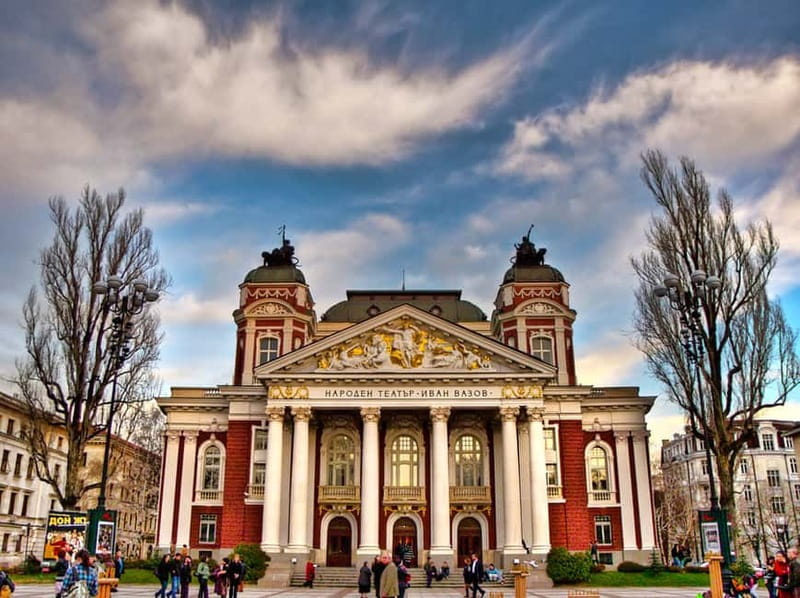
From there, you begin with a short walk to the Ivan Vazov National Theatre, which is a smart opener. You start with a well-known landmark, then the guide can set the tone: how Sofia’s public spaces and institutions grew, and how architecture here often reflects politics and identity more than just style.
This is where you can also set yourself up for success. If you like photos, bring your camera ready but don’t over-shoot. Look around the theater building and plaza space for how people move through the area, because later stops make more sense when you understand the city’s “flow.”
Ivan Vazov National Theatre: a city stage before you hit the ruins
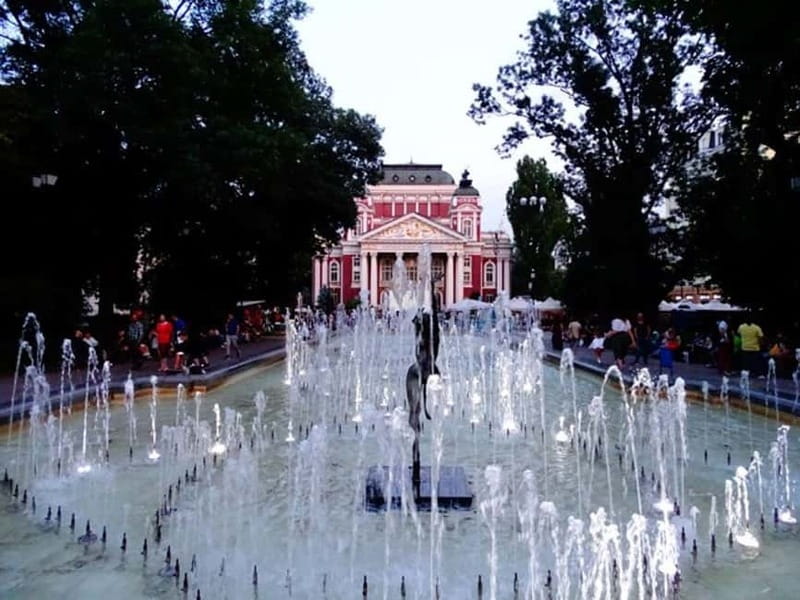
The Ivan Vazov National Theatre is a classic Sofia anchor, and the short guided walk keeps things relaxed. You’re not trudging—just getting your eye tuned.
What makes this stop useful isn’t the building alone. It’s the way the guide uses it as a reference point. After that, you move into layers of older Sofia. That contrast—modern public culture first, then ancient and religious sites—helps you understand the city’s timeline without turning it into a lecture.
If you’re short on energy, this early stage is a good win. If you’re full of curiosity, it’s a good warm-up.
Serdica ancient complex: where Sofia stops being straightforward
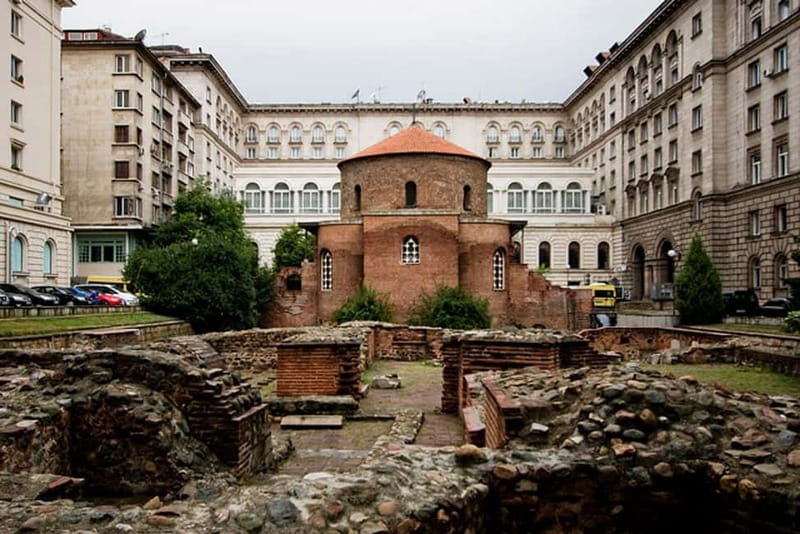
Next comes the Serdica ancient complex. This is one of the biggest “how is this here?” moments on the route. Sofia’s downtown doesn’t just have old buildings; it has remnants that show the city’s older life directly under your feet and within view.
A guided stop like this is worth it because it helps you read what you’re seeing. Without explanation, an ancient site can turn into “cool stones.” With explanation, you start to notice patterns: how the ancient city sat where the modern one grew, and why the site matters beyond its age.
Practical note: plan on a fair amount of looking and standing. This isn’t a sprint stop, and that’s good. It’s the part where your brain catches up to the route.
Sofia Central Mosque (Banya Bashi area): faith and architecture in one glance
Then you head to the Sofia Central Mosque (Banya Bashi Mosque). This stop gives the tour a clear theme: Sofia isn’t only Christian history, and it isn’t only ancient history either. It’s a layered city where faith and power have changed hands over centuries, leaving visible marks.
What I like here is the “in-between” feeling. A mosque in a city like Sofia doesn’t exist as a standalone postcard. It sits in a living neighborhood, next to today’s rhythms. A guide helps you notice those details without you having to guess.
Sofia City Court: a pause that helps you understand the city’s modern face
Next up is the Sofia City Court. It sounds like a random civic building, but it helps complete the picture. You’re not only walking through religious and ancient sites—you’re also seeing Sofia as a functioning modern capital.
This is one of those stops that makes the tour feel balanced. It prevents the itinerary from turning into a “look at old stuff only” walk. It also helps explain why certain streets and landmarks still matter in daily life.
If you care about how governments shaped the city, this stop will feel like a satisfying bridge.
Saint Sofia Monument and St. George Rotunda: the religious heart of the route
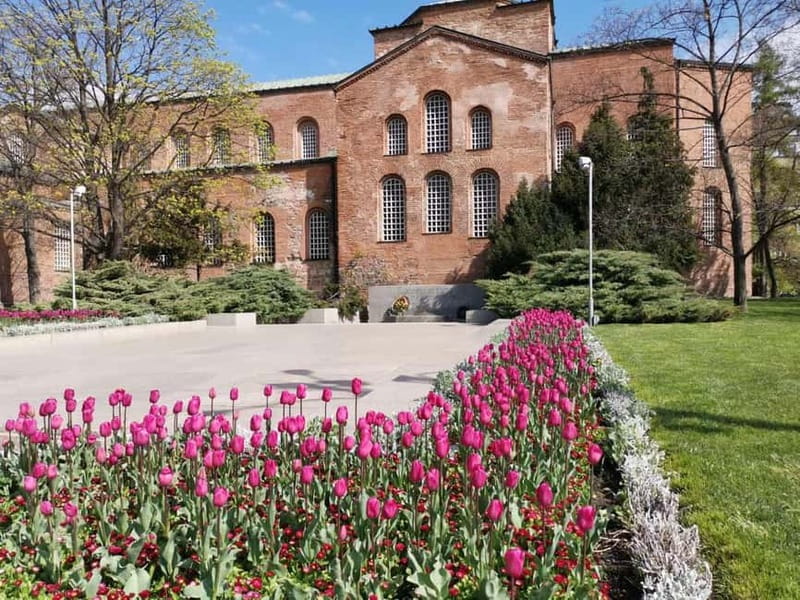
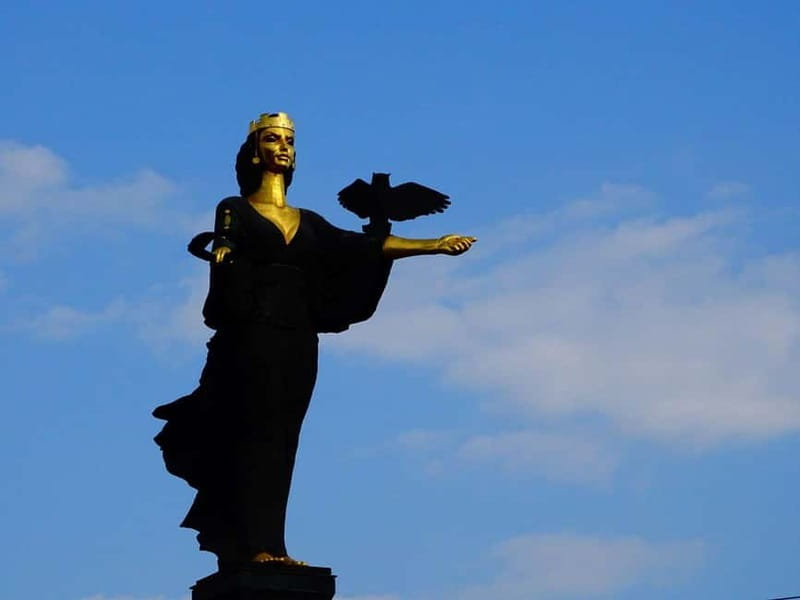
You’ll visit the Saint Sofia Monument and then the St. George Rotunda Church. Together, these stops concentrate a lot of Sofia’s spiritual identity.
The St. George Rotunda is the big draw for many people because it’s so distinctive—small enough to feel intimate, historic enough to feel significant. A guide’s narration matters a lot here; otherwise you might only register “old church” and move on.
What I like about pairing the monument and the rotunda is that it stops you from thinking of religion as one type of building. You can feel the differences in what each site expresses, how it’s remembered, and how it’s used as a landmark.
If you’re traveling with someone who wants atmosphere and someone else who wants facts, this section is where you can meet in the middle.
Graf Ignatiev Street and Vitosha pedestrian street: the walk transitions into everyday Sofia
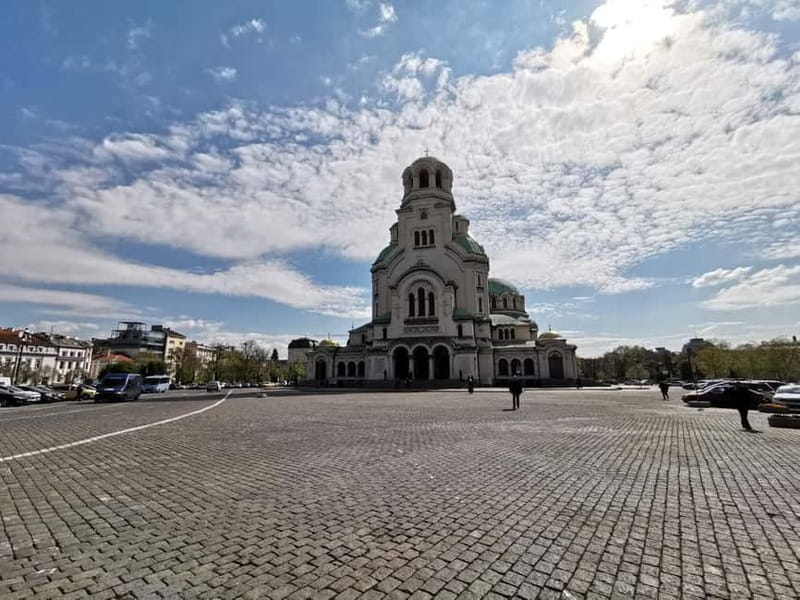
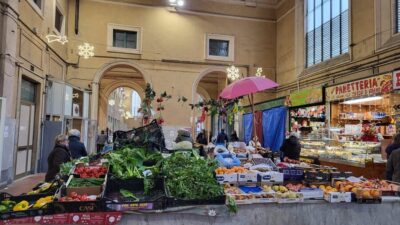
After the major monuments and religious sites, you move through key central streets, including Graf Ignatiev Street and the Vitosha pedestrian street. This shift is important. It turns the tour from “history sprint” into “life in Sofia now.”
I love this part because it gives you space to breathe. You’re not only collecting dates—you’re noticing street texture: shopfronts, pedestrian flow, and where people choose to stop. It’s also a handy preview of where you can return later if you like the vibe.
Since this is an afternoon tour, it’s also a good time to spot a café or bakery you might want to try after the tasting.
The tasting finale on Solunska Street: wine with meat bites (and room for veg)
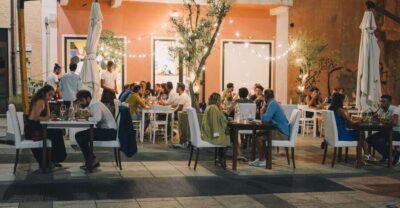
The last stop is a traditional restaurant on Solunska Street, in the old city center area. This is where the tour pays off, and it’s also where your expectations matter most.
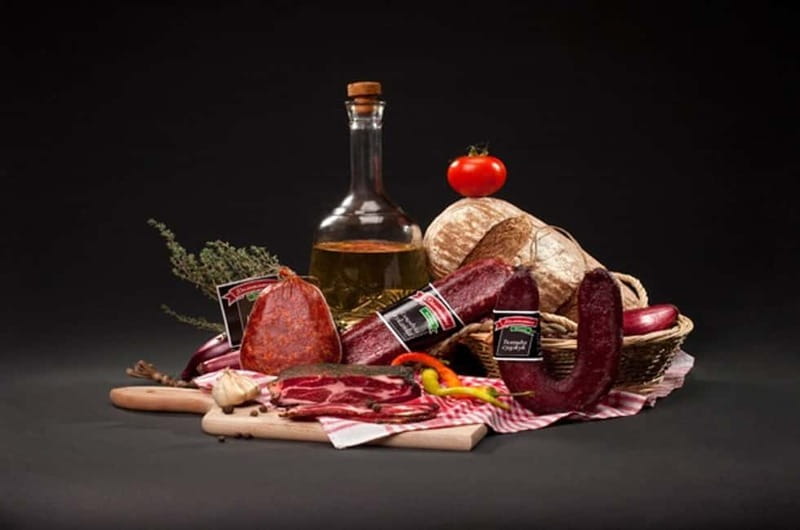
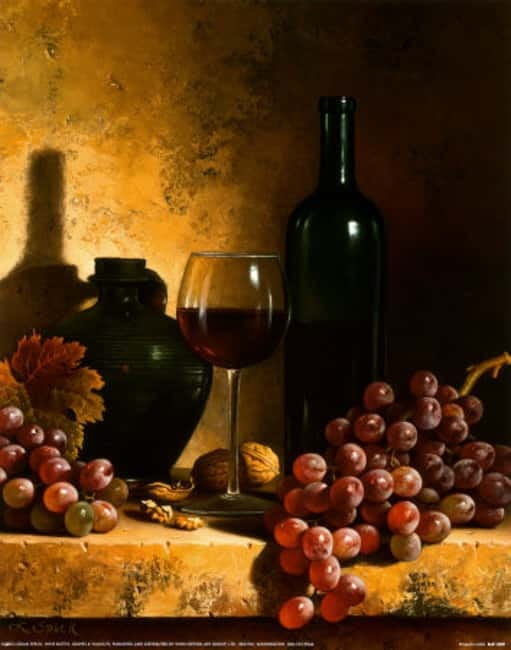
You’ll taste a glass of Bulgarian wine with local meat bites. The tour highlights include items like lukanka, katak, kopoolu, and fillet Elena, plus other small bites. That said, one of the most common real-world cautions is that this isn’t a multi-course food event. It’s a tasting: enough to satisfy curiosity, not enough for a full dinner if you’re very hungry.
The upside is quality and context. A guide’s “what to try and why” approach can make a small plate feel like a proper lesson. If you’re into Bulgarian wines, this format is a great way to sample without committing to a long meal.
Vegetarians and vegans are welcome, and the most important practical move is to write dietary restrictions in your reservation (vegetarian, vegan, gluten intolerance, nut-free, egg-free, fish and seafood-free, sugar-free, and more). If you do that, you’re much more likely to get a tasting that fits your needs.
And yes, based on past groups, some guides add a small extra cultural stop depending on time and interests—like checking out rose products sold locally. It’s not something you should count on, but it shows you the tour can feel more personal than a rigid script.
The guides make it: what tends to impress most
A huge part of why this tour lands well is the guide experience. People have shared that guides such as Denitsa/Danitsa, Maria, and Daniel (Dani/Daniel) set a lively pace and connect the dots between monuments and stories. In practice, that means you’re not just hearing facts—you’re getting explanations that help you see Sofia as one coherent city instead of separate stops.
Another often-mentioned win is how the tour can feel tailored. On small days—or when the group is very small—guides can adjust pacing and even add informal stops. That’s not guaranteed, but it’s a real possibility, and it’s part of the reason the tour earns a high rating.
Practical details that affect your day (more than you think)
Walking time and pace: the total duration is about three hours, so you’ll want comfortable shoes. This is a city-center walk with frequent stops, not a “romantic stroll with endless sitting.” It stays manageable, but you’ll be upright most of the time.
Group size: described as a small group. That matters because you’ll likely hear the guide clearly and have time for questions, especially during the church and ancient-site sections.
Languages: the tour runs with live guides in Spanish and English. If you’re in either of those languages, you’ll be able to follow smoothly.
Hotel pickup: not included. You’re meeting at Grand Hotel Sofia and walking from there.
Accessibility: not suitable for wheelchair users. So if mobility is an issue, plan on choosing a different format.
Value check: is $82 actually a good deal?
For $82, you’re paying for four things:
- a structured three-hour walk through key sights
- a professional guide who provides context as you go
- snacks plus wine tasting at the end
- a small-group format
If you were to DIY Sofia’s main landmarks, you could certainly see everything on your own. But you’d spend time figuring out what you’re looking at and why it matters. Here, the guide acts like the shortcut—less guesswork, more “now I understand.”
The only value mismatch happens if you expect a heavy food experience. Since it’s a wine-and-snack tasting with meat bites, your money is best spent if you’re curious about Bulgarian flavors rather than expecting a full meal.
Who this tour suits best (and who should skip)
This tour is a great fit if you:
- want a focused Sofia overview in a single afternoon
- like walking cities with guided context
- enjoy wine tastings and small plates
- appreciate historical and religious landmarks grouped into a logical route
- want a small-group experience rather than a big bus crowd
You might want to skip or choose a different option if you:
- need wheelchair-friendly access
- want a full sit-down dinner with lots of courses (this is tasting-style)
- prefer purely self-guided travel with no narration
Should you book this Sofia afternoon walking tour?
I’d book it if your goal is to leave Sofia feeling like you understand the city, not just that you saw it. The combination of key landmarks plus a wine-and-bites finish on Solunska Street is a smart “walk, learn, taste” formula.
Book it with confidence if you like guided storytelling and you’re comfortable with a three-hour walking pace. And if food is a big deal for you, message your dietary needs early and set your expectation: this is a tasting, not a full meal.
If you want, tell me your travel dates and whether you’re vegetarian/vegan or have any restrictions. I can suggest how to plan your tasting expectations and what to pair it with afterward.