REVIEW · SAO PAULO
São Paulo: Liberdade Street Food Tour
Book on GetYourGuide →Operated by Concrete Jungles Walking Tours · Bookable on GetYourGuide
Liberdade’s food tells stories fast. In this 2-hour street food tour, I like how the snacks come with real context, not just taste-testing, and I also like the small group size that makes it easier to ask questions. You’ll get a Liberdade neighborhood walk tied to the area’s Japanese roots and later immigrant waves, but the one thing to plan for is the tour starts strictly on time.
Guides such as Giuliano (Italian, lived in Brazil for many years) can keep the energy high while explaining why these foods show up here, and you’ll finish feeling properly fed, not “snacked-to death.” The main drawback is simple: if you’re picky, you’ll still try several items, and one food stop can be a miss for some people.
In This Review
- Quick take before you go
- Liberdade’s street food starts with Japanese history (and keeps going)
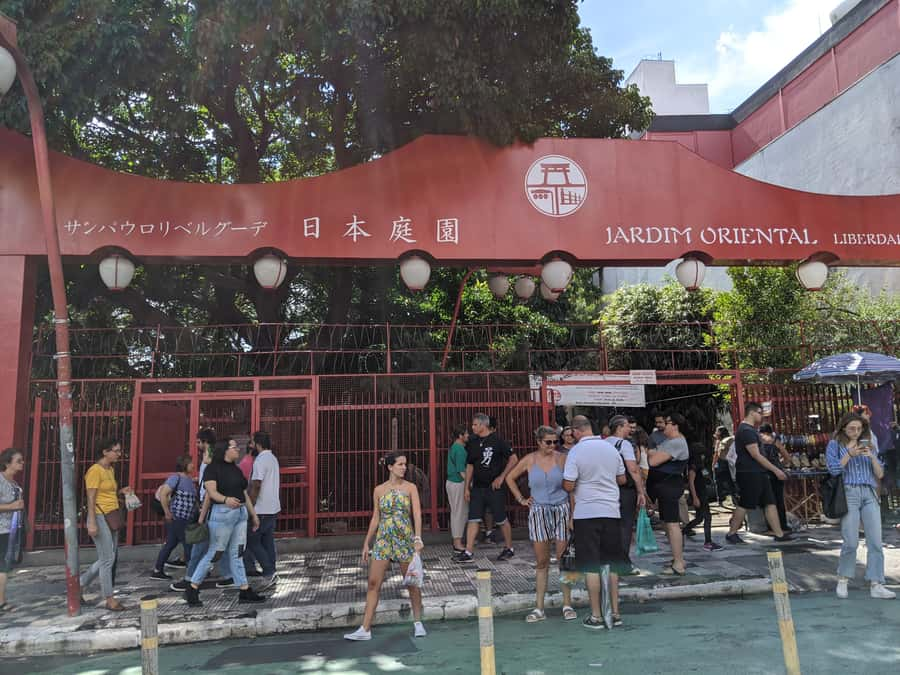
- Where the tour begins: the Bradesco Prime meeting point in Liberdade Square
- The 105-minute tasting: pastel, onigiri, and Brazilian street favorites
- Korean choux au craquelin plus sugarcane juice: the flavor reset
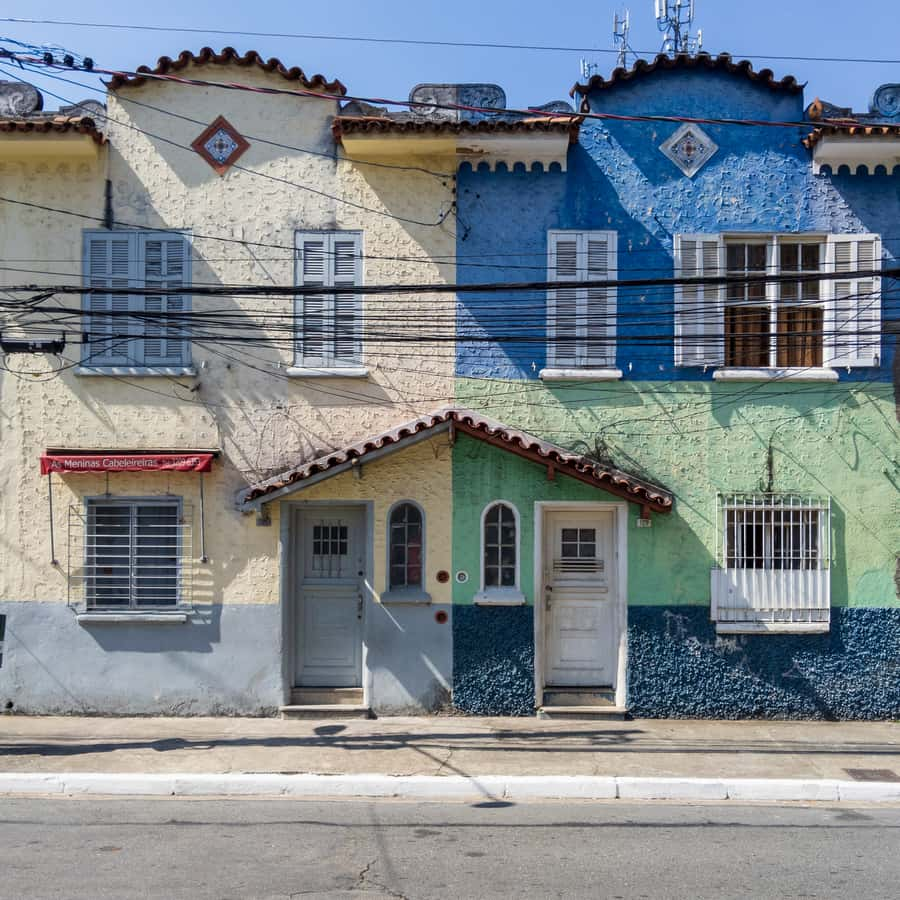
- The neighborhood walk for architecture and everyday life
- What $60 buys you in real terms (and how to judge the value)
- Who this tour suits best (and who should rethink it)
- Practical tips so you don’t miss the good stuff
- Should you book this São Paulo Liberdade street food tour?
- FAQ
- What’s the duration of the São Paulo Liberdade Street Food Tour?
- How much does the tour cost?
- Where do I meet the guide?
- Where does the tour end?
- What food and drinks are included?
- Is extra food or more drinks included?
- What languages is the tour guide speaking?
- Is the tour wheelchair accessible?
- How big is the group?
- Does the menu change on weekdays?
- What’s the cancellation policy?
- Is there flexibility to reserve first and pay later?
Quick take before you go
- Liberdade, Japan-to-Brazil street food: a neighborhood tour that connects what you eat to who settled here.
- A focused menu: 3 main snacks plus water, sugarcane juice, and a final coffee or soft drink.
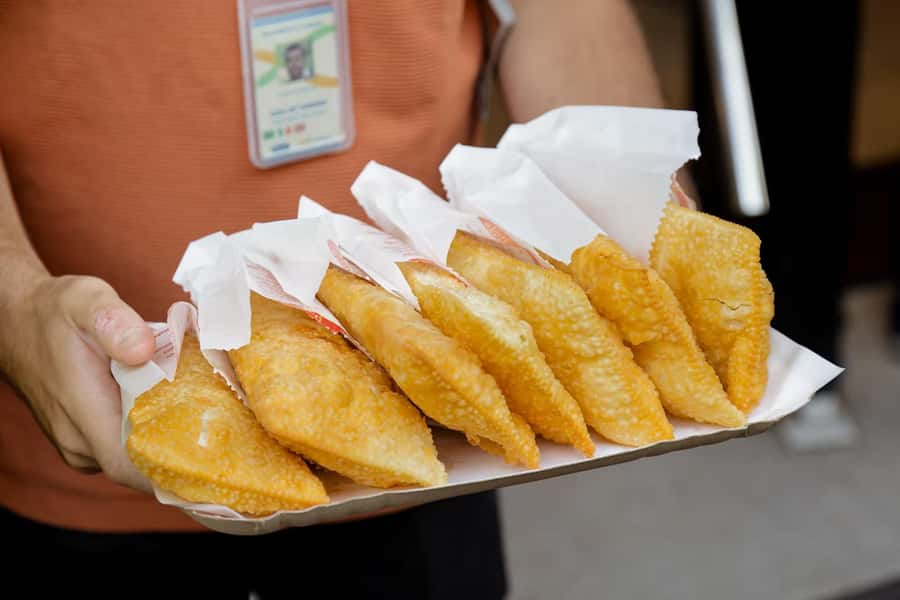
- Weekday variation: on weekdays, takoyaki/tempura can swap for Argentinian empanadas.
- Small group of up to 10: you get time to talk, not just shuffle.
- Strict timing: you won’t be able to join late, so plan your route early.
Liberdade’s street food starts with Japanese history (and keeps going)
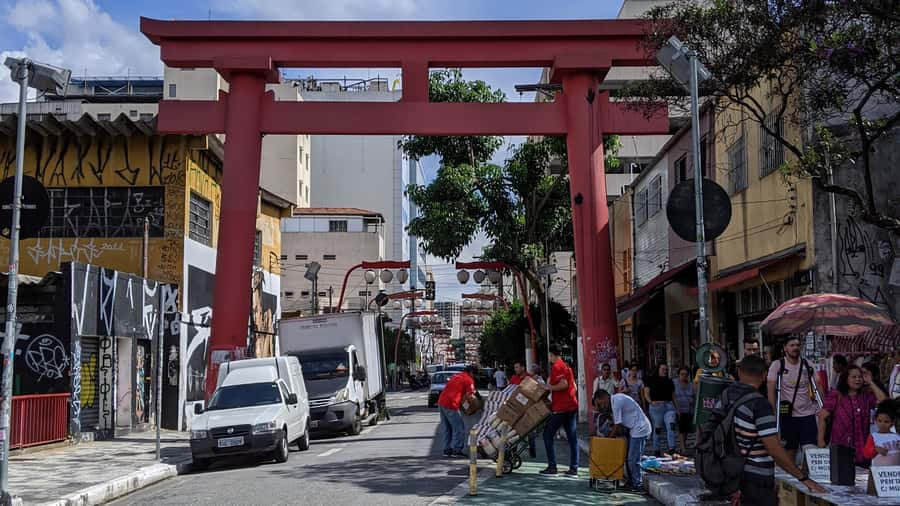
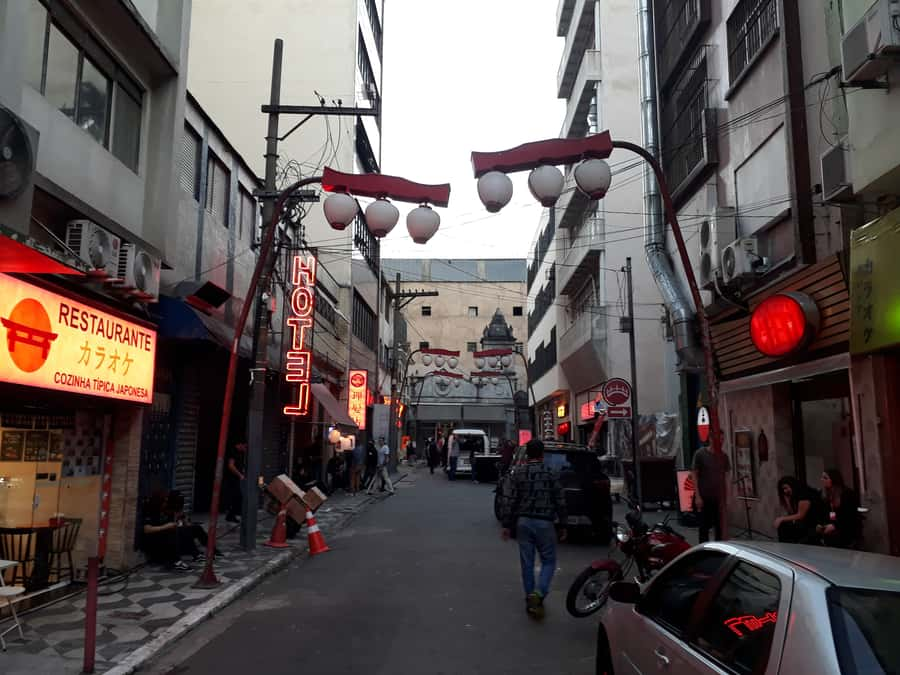
If you only know São Paulo as skyscrapers and traffic, Liberdade will recalibrate your mental map. This neighborhood is home to the largest Japanese community outside Japan, and the tour’s big idea is that food is one of the quickest ways to understand why people arrived, what they brought, and how the neighborhood changed.
You’ll learn that Liberdade began as a military district and later became a magnet for Japanese immigrants about a century ago. Then the neighborhood kept evolving as other communities arrived over time, including migrants from China, Korea, Congo, and Haiti. What I like is that the tour doesn’t treat this as a trivia sheet. It connects those waves of migration to what’s for sale on the street.
And yes, you’ll also hear about Afro-Brazilian heritage, which matters here because it helps explain why Brazilian street food often feels like a blend of many cultures instead of one “pure” style.
Where the tour begins: the Bradesco Prime meeting point in Liberdade Square
The meeting spot is outside the big Red Bradesco bank right in the middle of Liberdade Square. This is actually helpful. You’re not trying to match a tiny storefront on a side street or guess which alley a group might appear in.
The tour is scheduled to run on a tight clock, and the guide will start promptly. That means your best move is to arrive a little early, scan for your group, and get oriented before the walk begins. You’ll also want to plan around weather, since you’re outdoors.
You’ll likely cover a mix of market lanes and neighborhood streets. Expect to be on your feet for most of the experience, with time for tasting and short explanations.
The 105-minute tasting: pastel, onigiri, and Brazilian street favorites
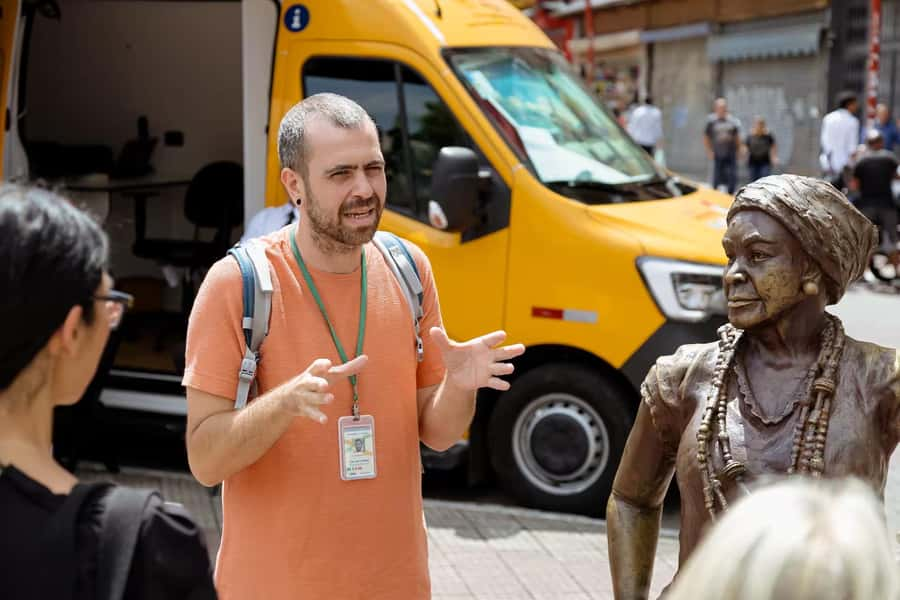
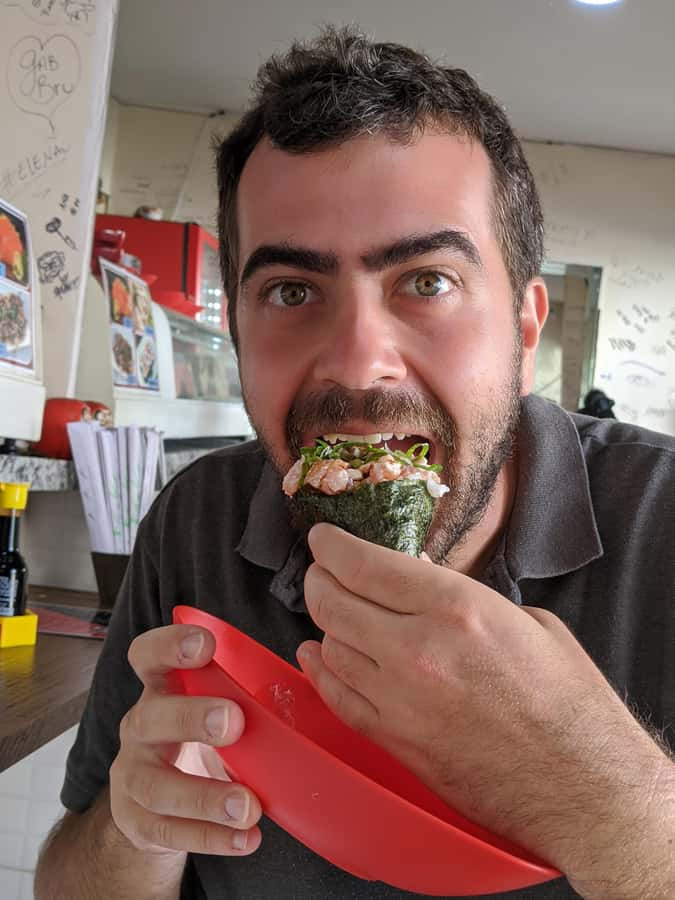
The heart of the tour is a guided food tasting that lasts about 105 minutes. This is where you’ll stop at several vendors and try the menu that’s built to represent more than one culinary tradition.
Here’s what’s included for the main bites:
- Japanese pastel and onigiri
- Traditional takoyaki or tempura
- On weekdays, takoyaki/tempura may be replaced with Argentinian empanadas
- Korean choux au craquelin
What I appreciate about this approach is that it mirrors how Liberdade food works in real life. You’re not eating one “set menu” that pretends cultures don’t mix. Instead, you try Japanese-style snacks, then you get a comparison point with foods that feel very at home in Brazil’s street-food scene.
Japanese pastel and onigiri
This is a smart first pairing because it gives you texture and flavor contrast. Pastel is usually crisp and handheld, while onigiri is typically more about comforting rice flavor and the filling surprise. Together they help you understand why Japanese convenience foods fit so naturally into street life.
Takoyaki or tempura
Takoyaki brings that playful, snacky vibe—small, round bites you eat right away. Tempura shifts things toward a lighter crunch. Either way, you’re getting fried comfort food, but with different Japanese identities.
Weekday swap: Argentinian empanadas
If you’re there on a weekday, you might get empanadas instead. That’s not random—it’s a good reminder that São Paulo’s street-food scene is a mix of many immigrant influences, not only Japanese ones. If you like trying “similar foods, different cultures,” this swap is a bonus.
Korean choux au craquelin plus sugarcane juice: the flavor reset
After the first wave of Japanese-leaning snacks, the tour adds Korean pastry and a couple of drink moments that keep everything from getting monotonous.
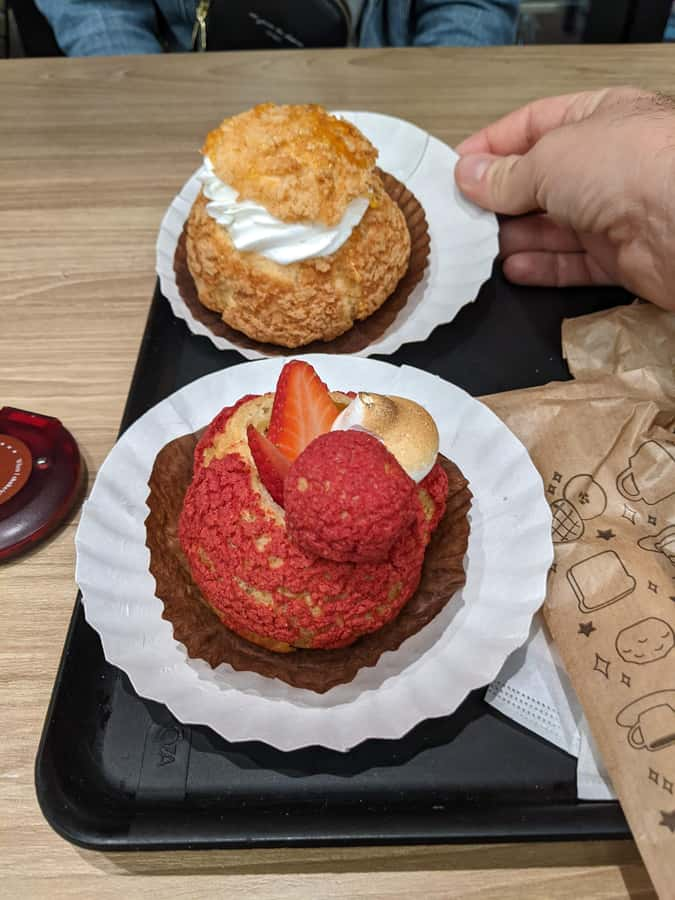
Choux au craquelin is included. This is the kind of pastry that makes people stop and eat slowly for a second—crisp top texture and a soft interior. It’s a nice palate change after fried bites and savory snacks.
Then comes sugarcane juice, included as part of the experience. It’s not just a drink; it works like a reset button. When you’re eating fried and doughy foods back-to-back, a cool, sweet, tropical drink helps you keep going without feeling like your mouth is stuck in one flavor.
At the end, you’ll also have one final soft drink or coffee. That finishing choice matters because coffee can make the whole tasting feel less like a sugar crash and more like a proper cap to the meal.
The neighborhood walk for architecture and everyday life
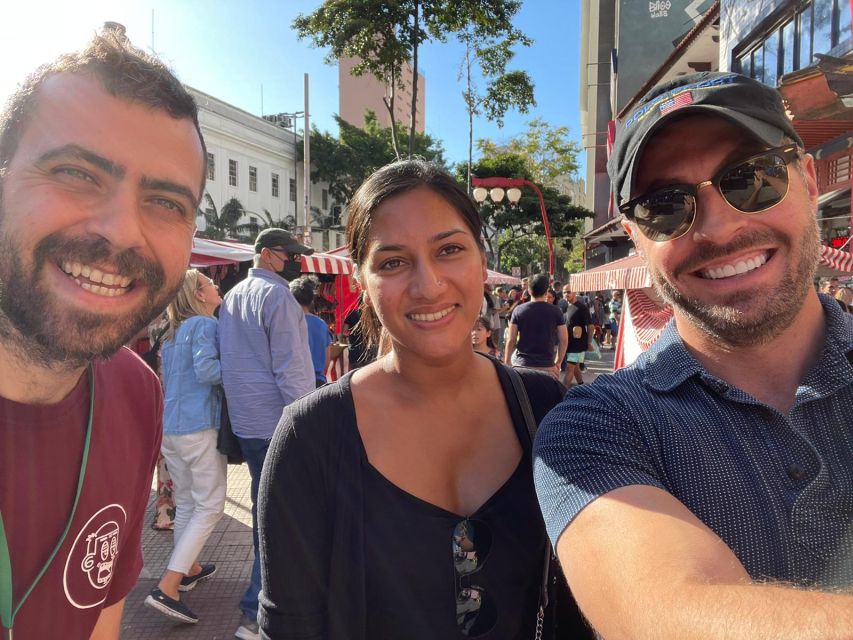
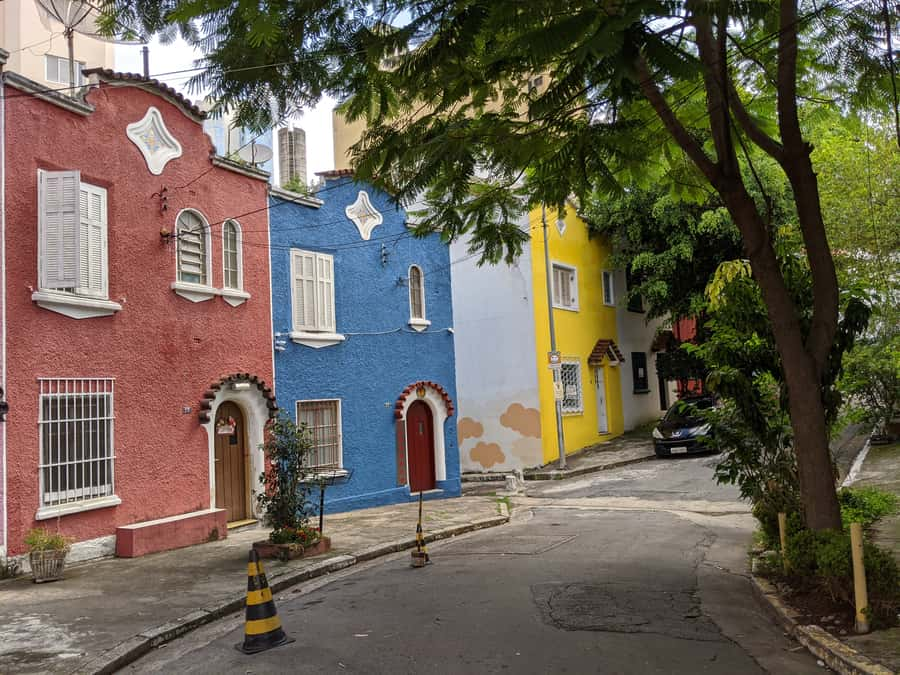
Food is the main event, but the tour doesn’t stop when you finish the last bite. After the tastings, you’ll walk to spot architecture and learn what kind of people live in the neighborhood today.
This is where the tour earns its value beyond “eat and go.” You start connecting the dots: markets and signage, the feel of the streets, and the way the neighborhood shows layered history in small visual clues. Even if you’re not a serious architecture person, a guided stroll helps you notice things you’d otherwise walk past.
The guide will also explain more about why Japanese influence is still so visible in Liberdade—how it shaped food habits, shops, and the overall vibe of daily life.
What $60 buys you in real terms (and how to judge the value)
At $60 per person for about 2 hours, this is positioned as a premium street-food experience, not a budget crawl. The value comes from three things that actually affect your trip:
First, you’re paying for guidance plus translation of context. The guide’s job isn’t just pointing at stalls. It’s connecting the foods to Liberdade’s immigrant story.
Second, you’re not rationed to tiny “one-bite” samples. You’re given 3 main snacks plus drinks, including bottled water and sugarcane juice, then a final soft drink or coffee. You also have a built-in limit on additional spending because the tour covers what you’ll eat and drink during the session.
Third, small group size matters. With a group capped at 10, you’re more likely to hear answers clearly and get thoughtful explanations, not just “pass the line.”
If you’re the type who hates feeling hungry after paying for a food tour, this one has a strong chance of working. Many people leave satisfied and full, which is usually the best sign that portion sizes weren’t an afterthought.
Who this tour suits best (and who should rethink it)
This tour fits best if you want a fun history-meets-snacks plan without doing heavy research yourself. It’s also ideal if you like comparing similar types of food across cultures—Japanese fried and handheld bites, then Korean pastry, then options like takoyaki/tempura or empanadas.
It may be less ideal if:
- You have strong aversions to fried items or unfamiliar fillings
- You’re ultra-picky about trying new foods
- You want a “market shopping” focus instead of tasting and walking
One more practical note: show up hungry. The tour is designed to feed you, and you’ll enjoy it more if you don’t start with a full stomach.
Practical tips so you don’t miss the good stuff
The tour runs outdoors and starts on time, so you’ll do better with simple planning.
Bring:
- Sunscreen
- Umbrella
Wear:
- Comfortable walking shoes (you’ll be moving through Liberdade streets)
Timing:
- Get to Liberdade Square a bit early so you’re not rushing at the start. Once the tour begins, joining late won’t be possible, and the guide won’t be checking a phone mid-walk.
Food mindset:
- Expect a mix of savory bites and one pastry, plus drinks. If you treat it like a tasting adventure instead of “one perfect item hunt,” it’s easier to enjoy the full sequence.
Should you book this São Paulo Liberdade street food tour?
I’d book it if you want a compact way to understand Liberdade while eating real street snacks—pastel and onigiri up front, then Japanese favorites like takoyaki or tempura, plus Korean choux au craquelin, and the option for empanadas on weekdays. The combination of food + neighborhood story is exactly what makes this kind of tour useful on a first or mid-trip day in São Paulo.
I’d skip it (or at least reconsider) if you’re very sensitive to time rules or you know you won’t enjoy trying multiple styles of unfamiliar street food. Also, if you’re arriving planning to eat a big meal right after, you’ll probably want to adjust. This tour can fill you up.
FAQ
What’s the duration of the São Paulo Liberdade Street Food Tour?
The tour lasts about 2 hours.
How much does the tour cost?
It costs $60 per person.
Where do I meet the guide?
You meet outside the big Red Bradesco Bank right in the middle of Liberdade Square.
Where does the tour end?
It finishes at Restaurante Kazu.
What food and drinks are included?
You’ll get 3 main snacks (including Japanese pastel and onigiri), traditional takoyaki or tempura (with a possible weekday swap to Argentinian empanadas), Korean choux au craquelin, 1 bottle of water, 1 sugarcane juice, and a final soft drink or coffee.
Is extra food or more drinks included?
No. Additional food or beverages are not included.
What languages is the tour guide speaking?
The tour is guided in English.
Is the tour wheelchair accessible?
Yes, it’s listed as wheelchair accessible.
How big is the group?
The group is small, limited to 10 participants.
Does the menu change on weekdays?
Yes. On weekdays, takoyaki or tempura might be replaced with Argentinian empanadas.
What’s the cancellation policy?
You can cancel up to 24 hours in advance for a full refund.
Is there flexibility to reserve first and pay later?
Yes, you can reserve now and pay later.