REVIEW · SANTA MARIA CAPE VERDE
Sal: Espargos City Tour, Local Life, and Cape Verde Tapas
Book on GetYourGuide →Operated by Sal Experiences · Bookable on GetYourGuide
Espargos is the kind of place you feel fast. This 150-minute city tour in Sal, Cape Verde mixes a relaxed walking loop with real local stops, plus street art and Cape Verde tapas you eat with your feet still in the neighborhoods. I especially like the hands-on way the guide connects the city’s history to daily life, and the food-and-drink break that doesn’t feel like an afterthought. The main drawback to plan around is that you’ll do about 20–40 minutes of walking, and it’s not suitable for wheelchair users.
You start with hotel pickup in Santa Maria, Espargos, or Murdeira, then head into town for a guided stroll, a viewpoint, and a calmer suburb area where people slow down and welcome you like you belong. If you get Chan as your guide, the energy tends to be top-notch, with lots of questions answered and plenty of photos helped along. Just come prepared with comfortable shoes and water, because it’s more “local day out” than “sit-and-watch.”
In This Review
- Key points I’d underline before you go
- Getting to Espargos: what the day feels like from the first pickup
- The street art and historic centre walk: the real star for photo lovers
- Aperitif and Cape Verde tapas: a break that actually tastes like the place
- The viewpoint stop: where the city opens up for a breather
- Suburbs and morabeza: seeing the relaxed side, not just the postcard side
- The airport history stop: a quick, useful context marker
- Price and value: is $35 worth 150 minutes in Espargos?
- Who this tour suits best (and who should rethink it)
- What to expect from the guide: energy, humor, and real local stories
- Quick practical tips so your day goes smoothly
- Should you book this Espargos City Tour?
Key points I’d underline before you go

- Hotel pickup and return from Santa Maria, Espargos, or Murdeira makes it easy if you want to avoid transfers.
- Street art walk in Espargos gives you more than pretty walls; it’s tied to how people live.
- Aperitif + tapas-style local snacks at a local café is included and not overly long.
- Panoramic viewpoint stop adds a breather after the streets.
- Amílcar Cabral airport stop is a quick, meaningful history/curiosity moment on the drive.
Getting to Espargos: what the day feels like from the first pickup

This tour is built for comfort from the start. You’re picked up at your hotel reception (look for the yellow sign for Sal Experience) in Santa Maria, Espargos, or Murdeira, and then you ride into Espargos with a private car/coach. Even though it’s a short outing, the transport matters here: it keeps your day from turning into a puzzle of buses, taxis, and timing.
On the way, you pass by the Amílcar Cabral International Airport area and stop at a key airport point just south of Espargos. That stop is short, but it gives you a way to connect “where you are” to “why the city looks and works the way it does.” I like these quick history anchors because they make the walking sections make more sense.
The ride time is also reasonable. There’s a short coach segment early on (about 15 minutes) and then another on the way back (about 25 minutes). You’re not spending your limited time in a seat staring at the same road.
The street art and historic centre walk: the real star for photo lovers
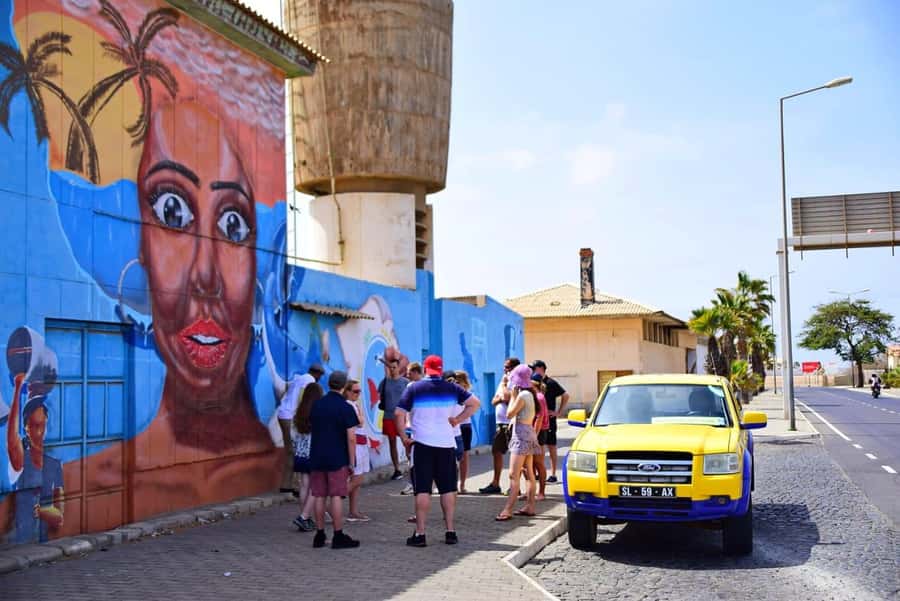
The heart of the experience is the guided loop through Espargos’s historic centre. You’ll walk the streets with an expert local guide and spend time spotting colourful street art painted on walls across the area. This is not street art in a curated “museum” way. It feels tied to daily life—names, symbols, faces, and scenes that look like they belong to the neighborhood, not a brochure.
A big reason I recommend this part is that it’s guided. You’re not just taking pictures and moving on. The guide points out facts and context that explain what the art and the streets have to do with the city’s identity. In practice, that turns your photos into memories with meaning.
You should also know what walking “feels like” here. It’s a city stroll with a moderate pace. The tour notes you’ll do roughly 20–40 minutes of walking, so pick shoes you’d wear for an evening market, not sandals that hate uneven pavement. If you’re traveling with a lot of luggage, this is another heads-up: luggage or large bags aren’t allowed, so pack light.
Aperitif and Cape Verde tapas: a break that actually tastes like the place
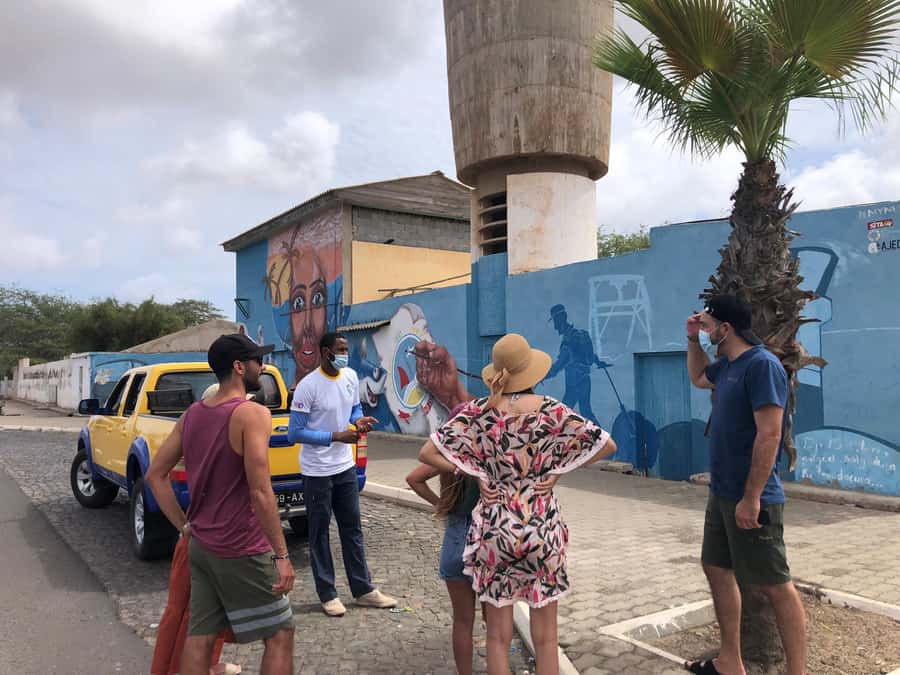
Right in the middle of the walk, you stop at a local eatery for an aperitif with typical Cape Verdean drinks and snacks. This is the part I think many half-day city tours get wrong: either the food is generic, or it’s rushed, or it’s just a “reach for the camera and leave.”
Here, the structure is simple and friendly: you get a break, you try local flavors, and you sit long enough to taste what’s in front of you. The included menu is described as cheese tasting, local snacks, and tapas-style food with a beverage. That matches what I’d call the sweet spot for travelers: enough variety to sample, not so much that you lose time.
Based on the experiences I saw from past guests, the food quality tends to be a highlight—people praised the tapas, the snacks, and the welcoming vibe of the restaurant owner. If you’re the type who gets bored by bland “tour food,” this stop is the reason to book. And if you have dietary limits, pay attention: one review mentioned not everyone’s tapas choices suited a person who doesn’t eat fish. The data doesn’t say there’s a full vegetarian or allergy menu, so if you’re sensitive, tell the guide in advance.
The viewpoint stop: where the city opens up for a breather

After the street-level walking, you return toward a viewpoint. This is a classic travel pattern done in a practical way: you work up your legs, then you get a visual reward. The viewpoint is described with sunset as an option and is framed as a panoramic lookout over town.
Even if you don’t hit sunset, the viewpoint functions as a reset. You’ll get a moment to catch your breath, look back at Espargos from above, and connect what you saw on the ground to what the city looks like as a whole. For photographers, it also helps you switch from close-up street scenes to wide composition—useful if your photos so far are mostly walls and faces.
Suburbs and morabeza: seeing the relaxed side, not just the postcard side
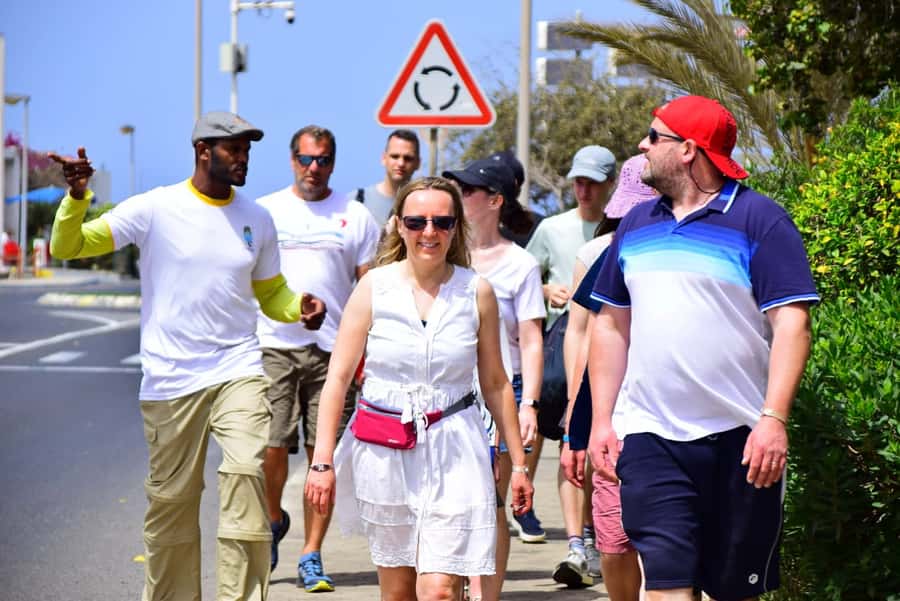
After the viewpoint, the tour moves into the suburbs. This part is less about monuments and more about mood. The tour calls out morabeza, which is Cape Verdean hospitality—people receiving you with warmth and a no-stress attitude.
In real terms, this is where you feel the difference between “a town you pass through” and “a place locals actually live.” Past guests often described the tour as showing the real day-to-day life behind the calmer pace, and that aligns with the idea of going beyond the centre and into the surrounding neighborhoods.
This segment also tends to work well for solo travelers. One of the strongest themes in the feedback was the sense of safety and comfort, especially with guides who know the local streets and can explain what you’re seeing without turning everything into a script.
The airport history stop: a quick, useful context marker
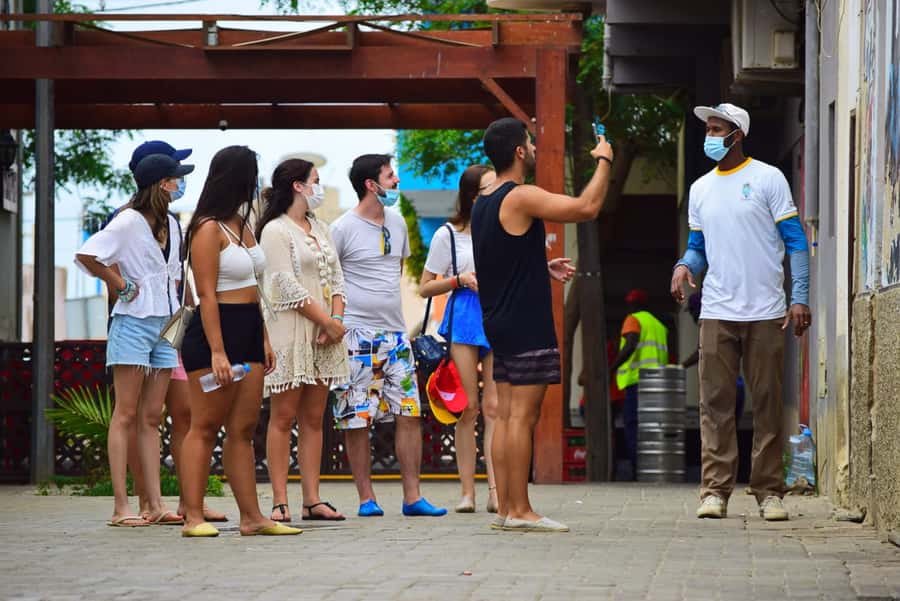
One of the tour’s quieter details is the stop at the Amílcar Cabral airport on the south side of Espargos. It’s framed as a chance to learn about the importance of its construction for the city’s development.
You don’t need to be a history nerd to appreciate this. Airports shape where roads go, where jobs grow, and how movement changes local economies. Even a short stop like this can help you understand why Espargos looks the way it does and why the city has its particular role on Sal island.
It also breaks up the day nicely. You’re not only walking through street art. You’re getting a small “why it matters” moment before you return to exploring.
Price and value: is $35 worth 150 minutes in Espargos?
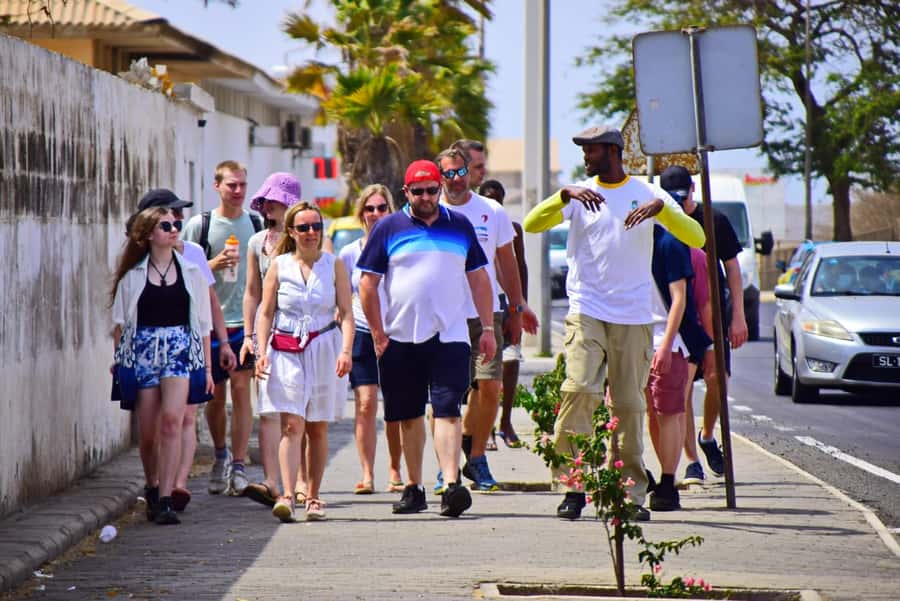
At $35 per person for about 150 minutes, this tour is priced like a solid local experience rather than a big-production excursion. The value comes from what’s included:
- Hotel pickup and return transfer (multiple pickup zones)
- Private transportation
- Expert local guide
- Aperitif + tapas/snacks + a beverage
- Liability insurance, taxes, and fees
That mix matters. If you were to do this on your own, you’d likely spend money on a guide or a taxi (or both), then still have to find a good place for tapas. Here, the tour bundles the guide, the snacks, and the transport into one straightforward half-day block.
The other value angle is time. Two and a half hours is long enough to see the centre, taste food, and get a viewpoint—yet short enough that you won’t lose your entire day if you’re also planning beach time in Santa Maria.
Who this tour suits best (and who should rethink it)

This tour is a good fit if you want:
- Local culture and daily life, not just sightseeing stops
- A guided way to understand street art and city facts
- A food break that’s included and genuinely local
- Comfort-focused logistics, thanks to pickup and return
It’s less ideal if:
- You struggle with walking 20–40 minutes across city streets
- You need wheelchair access (the tour is not suitable for wheelchair users)
- You travel with large luggage (not allowed)
For most people in good walking shape, it’s pretty manageable. The pace is described by guests as relaxed, and many said it didn’t take too much out of the day.
What to expect from the guide: energy, humor, and real local stories
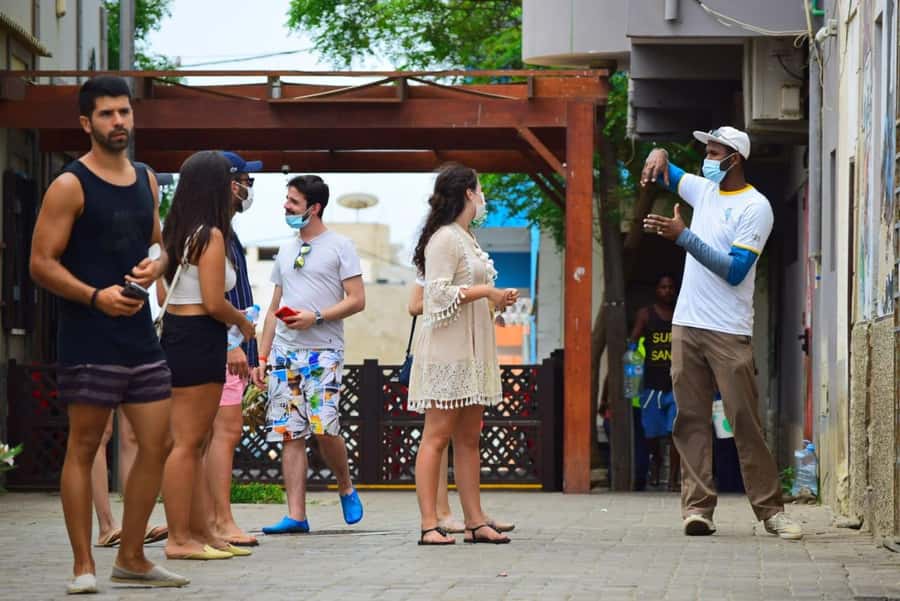
The guide experience is a major part of why this tour earns such high marks. Many guests mentioned guides who are funny and engaging, and several specifically praised Chan for being energetic, local, and quick to answer questions. That kind of hosting makes a short tour feel fuller, because you get more than a checklist—you get a person explaining how they see the city.
You’ll also get multilingual guidance. The tour lists guides speaking Spanish, Portuguese, English, and French, which is handy if you’re not traveling with someone who speaks Portuguese or French.
One practical tip: if you’re camera shy, don’t worry. Guests noted the guide helps with phone pictures. If you like photos, you’ll have plenty of street art moments to shoot.
Quick practical tips so your day goes smoothly
Bring comfortable shoes and water. That sounds basic, but it’s the difference between enjoying the stroll and counting the minutes. Also, pack light enough to avoid issues with no luggage or large bags.
If you’re late, the tour asks that you contact check-in via the call/WhatsApp number on your voucher. I’d rather you plan to be ready a few minutes early—city pickup waits for nobody, even when the guide is excellent.
Finally, if you’re sensitive about food ingredients, give your guide a heads-up before the eatery stop. One guest mentioned fish being a factor for their partner, so you’ll want clarity if you have strong preferences.
Should you book this Espargos City Tour?
I’d book it if your goal is to understand Espargos beyond the beach and boards. For $35, you’re buying three things travelers often crave: a local guide who connects history to real streets, a street art walk that’s more meaningful than pretty walls, and a tapas-style food break with Cape Verdean drinks that doesn’t feel like filler.
Skip it (or choose a different format) if you can’t handle moderate walking or if you need wheelchair access. Also, if you’re extremely picky about ingredients, communicate dietary limits early so the tapas stop matches your needs.
If you want a short, friendly outing that makes Espargos feel like a real place—not just a stop—this one is easy to recommend.