REVIEW · NUREMBERG
“Rotes Bier” and “Blaue Zipfel”. A historical-culinary walk
Book on GetYourGuide →Operated by Geschichte Für Alle e.V. · Bookable on GetYourGuide
Nuremberg snacks can be history in bite-size form. This Rotes Bier and Blaue Zipfel walk pairs red beer tastes with old-town stories, plus the kind of food details that make you look at familiar streets differently. I especially liked how the tour connects flavor to place, with standouts like Nuremberg gingerbread and the distinctive local red beer. One thing to plan for: the snacks between tastings are good, but the overall “snack value” may feel a bit light for some people.
If you care about explanations that don’t feel like a lecture, you’ll probably enjoy the way the guide keeps things lively and answers questions. In particular, I heard great notes about guides who mix clear facts with wit and genuinely slow down for follow-ups. The tour is held in German, so you’ll want at least a basic comfort level with the language to catch every detail.
Because it’s a guided walking tour in the historic center, come prepared for real pavement and weather—rain or shine. The good news: with a duration of about 2 hours, it’s a fast way to get oriented in Nuremberg while still leaving room for your own wandering afterward.
In This Review
- Key highlights you’ll actually notice
- Red beer, gingerbread, and the stories behind why food exists
- Meeting at Altes Rathaus: start point, pace, and what to bring
- Bratwurst Röslein: why Nuremberg sausages are so small
- Hauptmarkt Nürnberg: the gingerbread connection and the city’s cooking questions
- Trödelmarkt 13 and Unschlitthaus: where markets and everyday food met
- St. Sebaldus Church: history you can stand inside, then eat after
- Altstadthof Brewery and the Rotbierstüberl finale: where Rotes Bier ends
- What the tastings really add up to (and why it’s not just “snacks”)
- Price and value: is $29 per person fair for 2 hours?
- Who should book this walk in Nuremberg
- Should you book: my decision checklist
- FAQ
- Where do I meet the guide?
- What’s the duration of the tour?
- How much does it cost?
- Is transportation included?
- What language is the tour in?
- Does the tour run in bad weather?
- What’s included in the price?
- What isn’t included?
- Is the tour wheelchair accessible?
- Can I cancel for a refund?
- Can I reserve now and pay later?
Key highlights you’ll actually notice
- Old town route that stays food-focused, moving from classic squares to historic food-related buildings
- Red beer tasting (Rotes Bier) as more than a sip, with context tied to local culinary identity
- Proper Nuremberg bratwurst stops, including the story behind why they’re so small
- Nuremberg gingerbread spotlight, with attention to what makes it special
- Blaue Zipfel included, a local “signature” taste you don’t usually find on a standard sightseeing walk
Red beer, gingerbread, and the stories behind why food exists
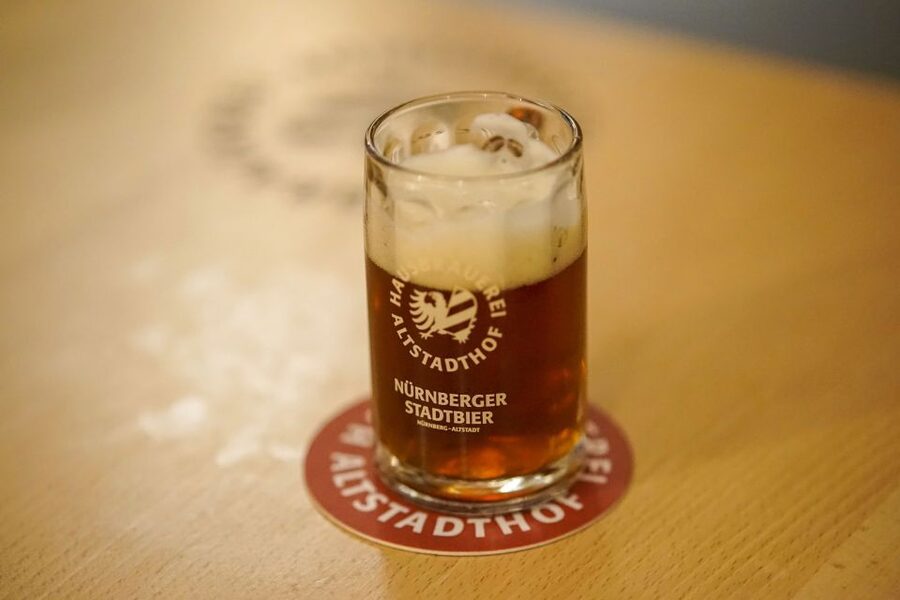
Nuremberg is one of those cities where food isn’t stuck in the past. It’s tied to guilds, markets, and everyday habits—so when you taste along the way, the history feels practical. This tour leans into that idea hard: you’re not just sampling; you’re learning why these foods belong here.
The two centerpieces are the local red beer and Nuremberg gingerbread. The red beer (Rotes Bier) has a distinctive taste, and it’s a strong anchor for the tour’s theme: how a city’s brewing and cooking traditions shaped what people ate and drank. Then gingerbread comes in with its own spotlight, because Nuremberg is famous for a particular style, and the guide explains what makes it matter.
And don’t expect random trivia. The tour is built around answerable questions you’ll hear during the walk—like why bratwurst is called bratwurst, what’s special about the Nuremberg version, and what the city’s cooking culture looked like over time.
Meeting at Altes Rathaus: start point, pace, and what to bring

You meet your guide at the Altes Rathaus. Look for the picture folder and the green logo “Geschichte Für Alle e.V.” in front of the main entrance. From there, you’ll be guided on foot through central old town—about 5–10 minutes walking between the key food stops, then a bit more between notable landmarks.
This matters for your planning. A 2-hour tour goes by fast, especially when you’re stopping for tastes and brief explanations. I’d treat it like a warm-up for your day: you get your bearings, you learn the city’s food logic, and you still have time later for longer museum time or a slow stroll.
Bring comfortable shoes and dress for rain or shine. Since tastings are part of the experience, you’ll want to stay warm enough to enjoy them without rushing.
Bratwurst Röslein: why Nuremberg sausages are so small
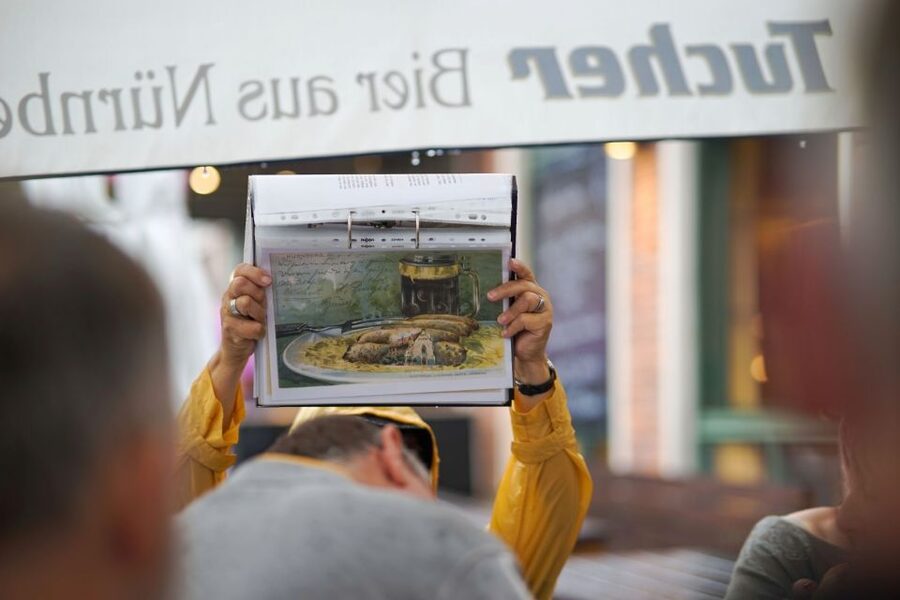
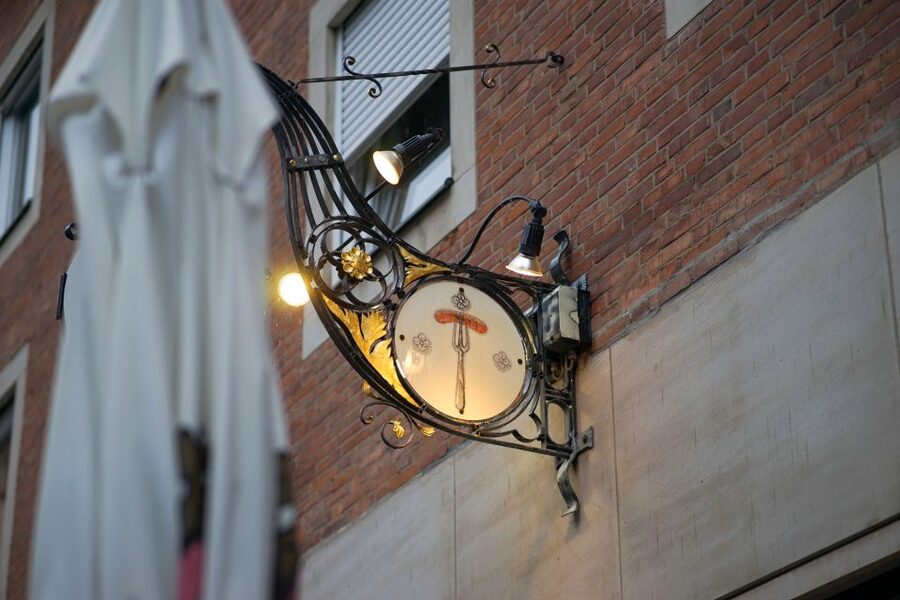
One of the best parts of this walk is the focus on a real, recognizable Nuremberg stop: Bratwurst Röslein. This is where you’ll try a genuine Nuremberg bratwurst and hear the explanation behind the name and the particular local style.
You’ll also learn something that surprises a lot of people: why the Nuremberg bratwurst is so small. It’s not just a culinary oddity; it connects to how the city served food quickly and repeatedly to people in motion—market life, quick meals, and the practical ways food gets built for everyday eating.
The taste itself is what locks it in. Even if you think you know bratwurst, the Nuremberg version has its own personality, and the tour gives you a framework for understanding it. You’ll end up noticing details more than you would on a casual “buy and eat” stop.
Hauptmarkt Nürnberg: the gingerbread connection and the city’s cooking questions
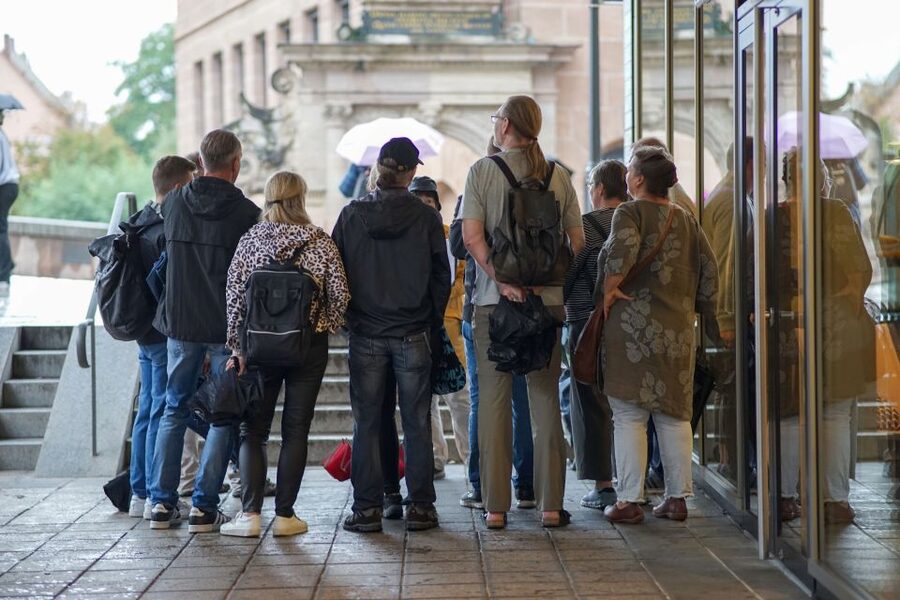
From Bratwurst Röslein, the tour moves to Hauptmarkt Nürnberg, the main market area. This is a key spot because it’s historically tied to trade and daily life, which makes it the right stage for food stories.
Here’s where the gingerbread focus really earns its fame. Nuremberg gingerbread is more than a souvenir. The guide explains what makes it special and how it fits into the city’s broader food culture. If you’ve ever bought gingerbread elsewhere and wondered why it’s not the same, this part gives you the comparison lens.
The tour also leans into bigger food-history questions while you’re tasting. For example:
- You’ll hear how Nuremberg cooks relate to food traditions in the region, including a question about when they became known for ravioli.
- You’ll hear a story about how much meat Nuremberg citizens ate, which puts portions, diets, and market supply in a real-world frame.
No weird museum voice—this is explained in a way meant to go with the samples. It’s one of the reasons the tour feels like more than “three bites and leave.”
Trödelmarkt 13 and Unschlitthaus: where markets and everyday food met
Next you’ll pass through Trödelmarkt 13, then stop at Unschlitthaus. These aren’t just attractive buildings on the map. They help you understand how the food economy worked around the city.
What I like about this part is the shift from “food as famous product” to “food as an urban system.” Markets, trades, and specialized buildings shaped what ingredients were available and how people moved through their days. When you later taste beer and sweets, you’ll understand them as part of that daily machine.
Also, these stops keep the pacing balanced. After the bigger anchor tastes (bratwurst and gingerbread), this segment helps you digest what you’re learning. You’ll still be sampling, but the emphasis turns to how the city functioned around food.
St. Sebaldus Church: history you can stand inside, then eat after
You’ll also spend time at St. Sebaldus Church. Even if you’re not a hardcore church person, this stop helps the tour work as a whole. It adds weight to the setting: you’re walking through a city where faith, civic life, and commerce lived side by side.
And it’s practical. In a food tour, people can get sensory-overloaded. A quiet landmark pause—standing somewhere meaningful—lets you reset your appetite and your attention. Then the tour moves back into tastings with a better sense of where you are and what era you’re walking through.
Altstadthof Brewery and the Rotbierstüberl finale: where Rotes Bier ends
The tour finishes at Hausbrauerei Altstadthof, specifically at the Rotbierstüberl area, with the broader brewery and distillery site noted as part of the setting. This is a strong ending because it brings your tastings back to the source: beer culture isn’t abstract when you’re in a brewery environment.
By the time you reach the finish, you’ve already sampled the distinctive red beer (Rotes Bier) and the tour’s Blaue Zipfel feature. Ending at a brewery helps you connect those tastes to the city’s identity instead of treating them like random “local drinks.”
One more thing I appreciate: the tour doesn’t just throw names at you. It ties food and drink to ideas and recurring questions—like what the phrase Devil’s Kitchen means and how that story connects to Nuremberg cooking culture, and even how the planner of the English Garden shows up in the bigger food narrative. Even without needing the details memorized, the effect is clear: you walk away with a better sense of how stories travel through a city.
What the tastings really add up to (and why it’s not just “snacks”)
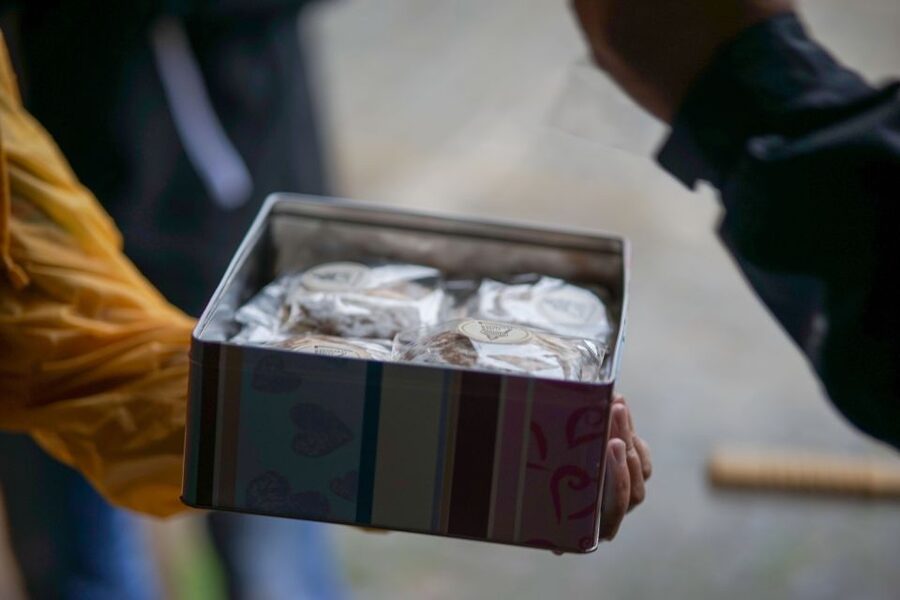
You’ll get snacks, beer, and multiple tastings along the way. The exact bites you receive can feel like part of the fun because the walk is meant to be experienced in motion, with small samples between stops.
Still, I’ll be honest about value. One review note mentioned that the snack portions might feel a bit less “premium” than you’d hope, even though the bigger hits—bratwursts, Lebkuchen (gingerbread), and the beer—land really well. So if you’re the type who expects large amounts of food for the price, you might want to plan a proper meal later.
The upside is variety. Instead of one big tasting, you’re tasting across a range—savory, sweet, and drink—while learning how each part connects to Nuremberg’s cooking identity.
Price and value: is $29 per person fair for 2 hours?
At $29 per person for about 2 hours, this tour sits in the “good value if you like food stories” category. You’re paying for:
- a guided walking route through central old town
- multiple tastings plus beer
- the time and interpretation of a guide who keeps the questions moving
If your goal is only to eat quickly and leave, a cheaper self-guided option might beat it. But if you want the context behind the food—why the bratwurst is small, what’s special about the gingerbread, and how colorful food phrases tie back to real local life—then the price starts to make sense.
In short: you’re buying guided interpretation plus tastings, not just calories.
Who should book this walk in Nuremberg
This tour is a great match if you:
- like tasting food as you learn the city
- want a shortcut to understanding Nuremberg’s culinary identity
- enjoy guides who explain and answer questions (not just read facts)
It’s also a good option for a first visit. You’ll see key central areas—market squares, historic buildings, and the brewery finish—without needing to design your own route.
You might skip it if you:
- don’t want a German-language tour (the guide speaks German)
- expect a long seated meal experience rather than a walk-and-taste format
- dislike standing and moving between stops, even if the tour remains fairly compact in time
Should you book: my decision checklist
I’d book this if your ideal day includes both old town strolling and tasting things that are hard to understand without context. The combination of red beer, Nuremberg bratwurst, and gingerbread, plus the guide’s ability to connect food details to city life, is the main pull.
If you’re on the fence, use this quick checklist:
- You want tastings, not just photos.
- You’re okay with a 2-hour walking pace.
- You can follow the tour in German or are comfortable enough to enjoy the main points anyway.
If those are true, this is a smart, efficient way to get a real taste of Nuremberg.
FAQ
Where do I meet the guide?
Meet in front of the main entrance of the Altes Rathaus. The guide will have a picture folder and the green logo “Geschichte Für Alle e.V.”
What’s the duration of the tour?
The tour lasts about 2 hours.
How much does it cost?
The price is $29 per person.
Is transportation included?
No. Transportation to and from the meeting point isn’t included.
What language is the tour in?
The tour is held in German.
Does the tour run in bad weather?
Yes. The tour takes place rain or shine.
What’s included in the price?
Included are the walking tour, the guide, snacks, and beer.
What isn’t included?
Transportation to and from the meeting point isn’t included.
Is the tour wheelchair accessible?
Yes, it is wheelchair accessible.
Can I cancel for a refund?
Yes. You can cancel up to 24 hours in advance for a full refund.
Can I reserve now and pay later?
Yes. You can reserve now and pay nothing today.