REVIEW · RETHYMNO
Rethymno Old Town: A Traditional Cretan Food Tour
Book on GetYourGuide →Operated by Filiko Tours · Bookable on GetYourGuide
Some evenings you remember by taste.
This Rethymno Old Town food tour strings together family taverns, local bakeries, and a working philo workshop in a historic Venetian mansion, so you get both flavors and stories. I especially loved the way the guide links what you’re eating to Cretan daily life, and the hands-on baklava/kantaifi moment with Giorgos Chatziparaschos. One catch: you’ll eat enough to replace dinner, so plan an empty stomach and be ready for a fair amount of walking.
What makes it feel different is the pacing and group size. With a maximum of 12 people, the evening stays relaxed, chatty, and easy to ask questions. You start at the Old Customs House – Information Centre, then work your way through the old streets toward the Venetian Harbour area, ending back at the same meeting point.
If you’re the kind of traveler who wants to know what to order (and where), this is a smart move early in your trip. I also liked that the tour has a Sunday plan, because many traditional places close, and the experience is adjusted so you still get the full arc: savory bites, spirits, meze plates, and a sweet finale like Rethymno’s lokma.
In This Review
- Key things that make this tour worth your evening
- Why Rethymno’s Old Town is perfect for a food-focused walk
- Meeting at the Old Customs House and easing into the evening
- The local bakery stop: Cretan baking traditions in bite-size form
- The philo workshop in a Venetian mansion: kantaifi and baklava made real
- Taverns, wine, and the spirit of meze-style eating
- The closing chapter: Rethymno lokma and your takeaway orders
- What you’ll notice about the guide and the small-group vibe
- Value and price: what $104 buys you in real terms
- Dietary needs and Sunday coverage: how the tour handles the real world
- Should you book this Rethymno Old Town food tour?
- FAQ
- How long is the Rethymno Old Town traditional Cretan food tour?
- Where do I meet for the tour?
- How much does it cost?
- What’s included in the price?
- Is this tour enough to replace dinner?
- Is it wheelchair accessible?
Key things that make this tour worth your evening

- Small-group feel (max 12): you’re not stuck in a loud pack.
- Baklava and kantaifi philo workshop in a historic Venetian mansion with Giorgos Chatziparaschos.
- Warm honey rakomelo and local wine included with tastings.
- Six tasting stops plus extra sweets, so you leave full and informed.
- Old Town back streets, aimed more at locals than tourist shortcuts.
- Sunday-friendly itinerary when traditional spots are closed.
Why Rethymno’s Old Town is perfect for a food-focused walk
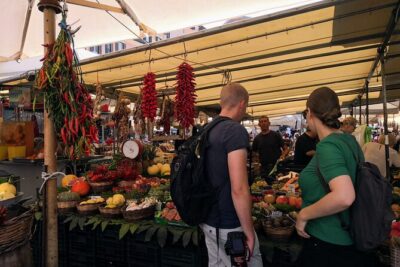
Rethymno’s Old Town is the kind of place where food makes sense. You’re not just looking at pretty streets; you’re moving through the zones where people actually shop, meet, and eat. The tour starts near the Old Customs House – Information Centre and soon funnels you toward the Old Town lanes around the Venetian Harbour. That matters because the best Cretan dishes aren’t usually “one landmark, one meal.” They’re a rhythm: tavern, bakery, another bite later, then sweets to finish.
This tour is built for that rhythm. It’s paced like a relaxed evening out, not like a check-list. You’ll get multiple tasting moments at different stops rather than one big meal. And because the tasting portions are meant to add up, the walk works like a guided sampler platter across Cretan specialties.
If you love seeing how food is tied to culture, this works especially well. The guide shares stories while you’re actively eating, so it sticks. It’s also practical: after an evening like this, you’ll understand what “traditional” means in Rethymno, and you’ll spot better options when you’re on your own.
Meeting at the Old Customs House and easing into the evening
You’ll meet in front of the information centre at the Old Customs House. It’s an easy start point, and it’s close enough to the historic core that you don’t lose time in transit.
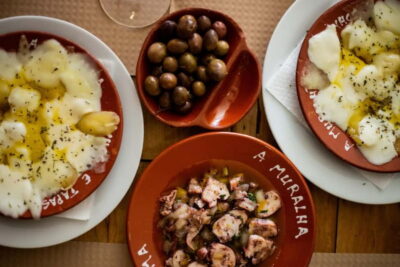
From there, the tour begins with a family-owned Cretan tavern stop, where you’re welcomed with traditional raki along with three local dishes. This is a smart first move. Raki sets the tone for the evening, and the first set of flavors helps you calibrate your palate before the tour turns more sweet and spirit-forward later.
Pacing-wise, you’re not rushing from one door to the next. The early stop is long enough to settle in, eat comfortably, and start talking with your guide and small group. If you’re arriving solo, that’s a plus: the group stays small, and the atmosphere helps you feel part of something rather than watching from the edge.
What I’d tell you as a practical tip: show up hungry enough that you can enjoy the first dishes without “saving room” all night. This tour is designed to cover dinner, so fighting your appetite usually leads to disappointment when desserts show up.
The local bakery stop: Cretan baking traditions in bite-size form
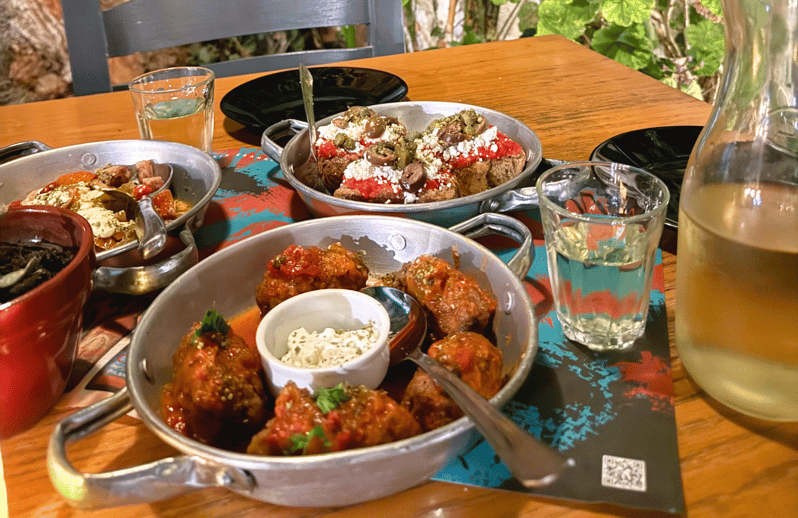
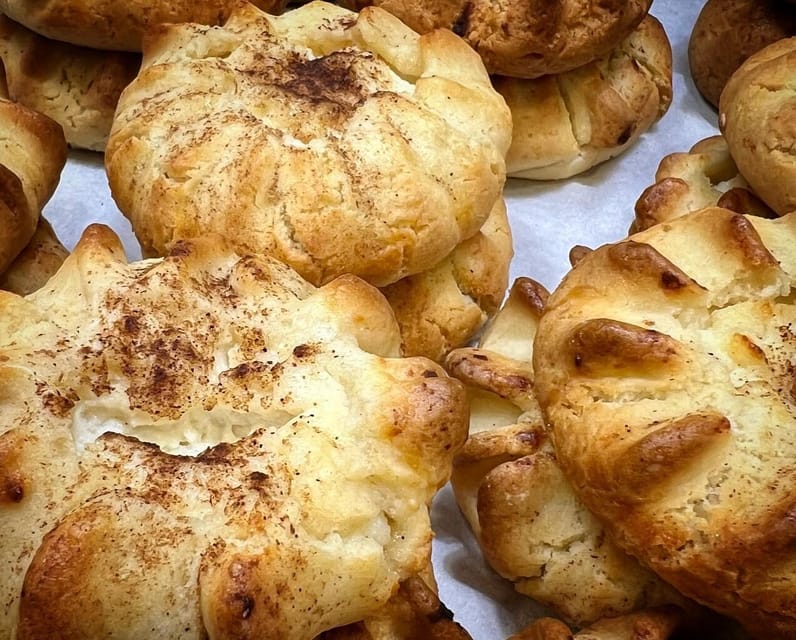
After the initial tavern welcome, the next stop is a charming local bakery. Here you’ll have an appetizer-style Cretan treat, the kind of bite that makes sense in Crete because baking isn’t treated like a modern snack. It’s part of everyday life—something you see and smell everywhere, and something families know how to do well.
This stop is valuable because it breaks up the evening. You’re not only eating savory dishes and then jumping to sweets. You’re getting a mid-course flavor signal: the texture, the pastry logic, the way Cretan baking balances salt and sweetness (even when it’s not fully dessert).
You’ll also start learning what to look for when you’re shopping for food later. After this bakery stop, you’ll have a better sense of which types of pastries are worth seeking out around Rethymno and which are more “tour convenience.”
If you’re sensitive to gluten or have allergy concerns, you should flag it early. The tour asks you to let them know about allergies and special dietary restrictions in advance, and you’ll be in a much safer position if that conversation happens before you arrive.
The philo workshop in a Venetian mansion: kantaifi and baklava made real
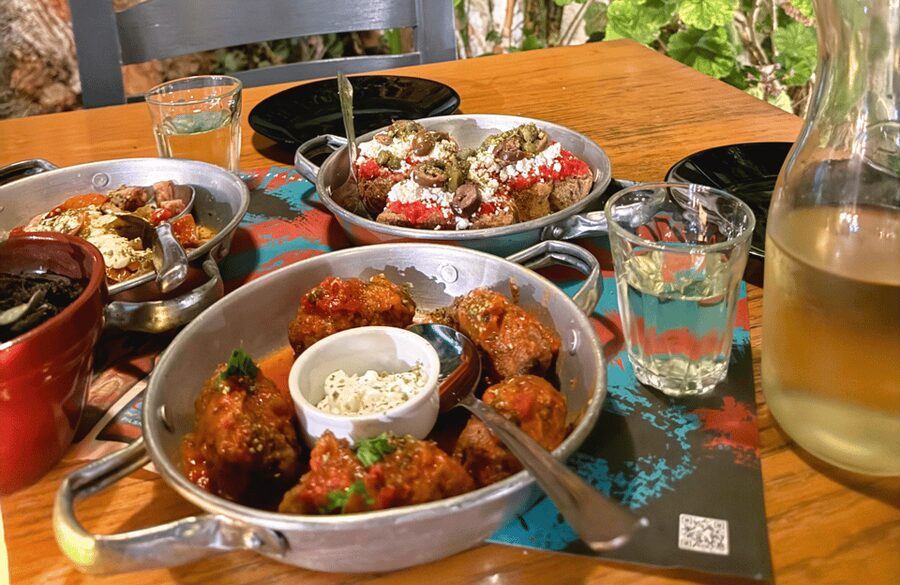
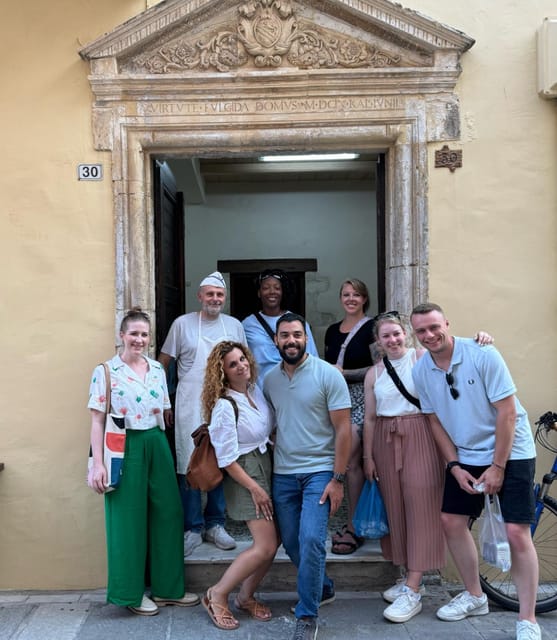
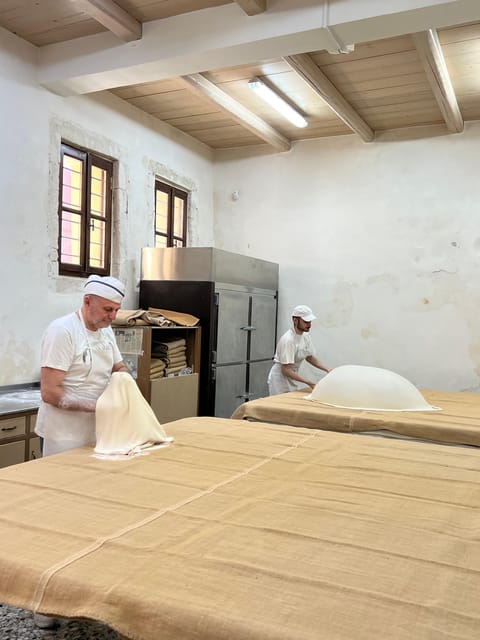
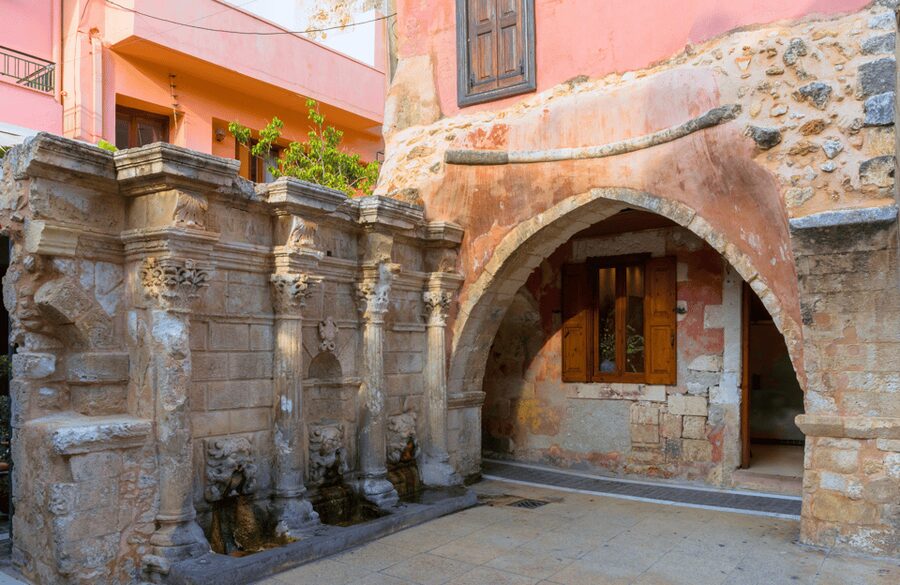
The highlight for a lot of people is the workshop stop in a historic Venetian mansion. This isn’t just a quick look. You’ll watch the old-school craft of making philo dough used for kantaifi and baklava, and you’ll taste freshly made baklava on-site.
The workshop is tied to a specific craftsman: Giorgos Chatziparaschos. That personal detail matters. It’s easier to respect the process when you know you’re watching work that’s practiced and passed along, not a performance for photos.
You also get the logic behind the desserts. Philo isn’t one dough in one style; it’s part technique, part patience. You’ll see how thin sheets and layered construction create that signature crisp-to-flaky texture people love in baklava—and how it’s built to hold syrup without going soggy.
One more thoughtful detail: after the workshop tasting, there are extra pieces of baklava tucked away for the group to enjoy later in the tour. That keeps the sweetness from feeling like a one-time event. You get to finish the evening with a dessert that still feels fresh and intentional rather than “just another stop.”
If you’re a chocolate person: Crete is not mainly a chocolate destination. You’ll be in the honey, nuts, syrup, and pastry world. If that’s your thing, you’re in luck.
Taverns, wine, and the spirit of meze-style eating
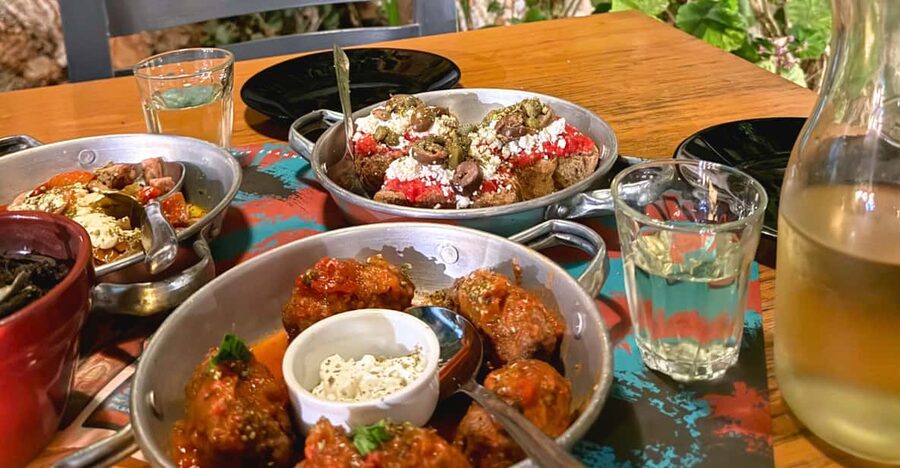
Around the middle of the tour, you’ll reach Iroon Politechniou Square for wine and food tastings. This stop helps transition you from sweets and baking back to the savory core of Cretan cuisine. Wine here isn’t presented as a standalone event; it’s paired with what you’re eating, so you taste how the flavors work together.
Then comes a secret stop with spirits and local snacks. The idea is the same as the rest of the tour: small doses, varied flavors, and a sense of discovery in the streets of Old Town. You’ll sample more than one taste category in the same chunk of time, which keeps your evening from turning into “one dish, one story, done.”
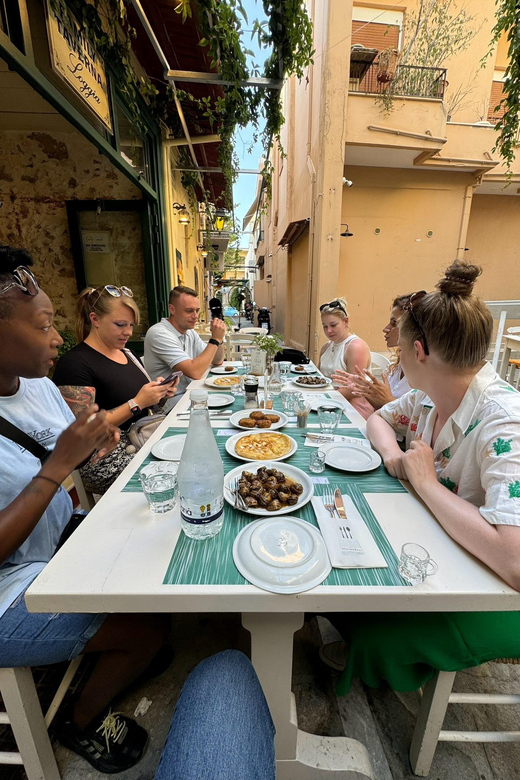
Finally, you get the communal side of dining with meze at a traditional tavern. Here you’ll sip rakomelo, a warm honey-infused spirit, and enjoy four more authentic plates. Meze is one of those food traditions that makes travel easier: instead of ordering one “big thing,” you share and sample. On this tour, it also means you experience range—different textures, different seasoning directions, and different ingredients that show up across Crete.
A practical note: rakomelo and raki are strong. Even if you plan to taste, pace yourself. Think of these as part of the cultural experience, not a race.
The closing chapter: Rethymno lokma and your takeaway orders
You end with the best Greek lokma donuts in Rethymno. That’s a classic Cretan dessert choice: honey-drenched, warm, and sticky in the best way. It works as an ending because it ties together the evening’s theme—honey, syrup, pastry comfort—and gives you a final taste that feels unmistakably local.
But the real value is what you walk away with for the rest of your stay. After spending hours tasting and learning, you’ll know how to approach menus with confidence. People often ask what they should order on their own after a food tour, and this one sets you up well because it repeatedly explains what’s traditional and how the ingredients show up across the island.
Also, by the end you’ll understand how to identify a good tavern. The tour has a clear focus on places where people are treated well and where the food tastes like it belongs in the neighborhood. It’s not just about eating; it’s about learning how to choose next.
What you’ll notice about the guide and the small-group vibe
The tour is guided in English and Greek. The small group size (up to 12) keeps the conversations alive. You’re not competing with a giant crowd, and you can ask questions without feeling like you’re interrupting.
The guide—often described with a lively, friendly style—also brings humor and personal storytelling. One consistent theme from guests is how the tour feels like an evening out with someone who genuinely loves Cretan food. That matters because the details land better when the guide isn’t reciting facts like a lecture.
I also like that the tour doesn’t just dump information. It connects stories to what you’re tasting: ingredients, local habits, and how traditional baking and dining fit into Cretan life. If you’re into food photography, it helps too, because you’ll know what matters to capture: textures, pastry layers, and the moment something is served freshly.
And yes, you’ll likely feel like you got treated well at each stop. Family-run places often do that when they’re trusted partners of the guide, and the tour experience reflects that.
Value and price: what $104 buys you in real terms
At about $104 per person for a 3-hour evening, this tour isn’t the cheapest “walk and sample” option. But it also isn’t trying to be a tiny snack. You’re paying for guided access to several eating stops and for tastings that add up to dinner plus spirits and wine.
Your included items cover:
- A walking tour with a live guide
- All food tastings
- Traditional raki, rakomelo, and local wine
You’re also getting a workshop moment focused on philo technique, which is harder to find on typical food tours. That extra value matters because it’s not just tasting; it’s learning a craft and then eating what you just watched being made.
The best way to judge value here is by the full package: guided routing through Old Town, multiple tastings, and a dessert-heavy finale. If you planned to do this on your own, you’d end up spending time figuring out where to go, ordering too much food at once, and still missing the workshop element.
So if your goal is to taste widely without stress, and you like the idea of learning while you eat, the price makes sense.
Dietary needs and Sunday coverage: how the tour handles the real world

Food tours can fall apart if someone has allergies or dietary restrictions, but this one specifically asks you to share needs in advance. If you’re avoiding certain ingredients or you have allergies, tell the operator ahead of time so the guide can work with the restaurants.
You also need to know about Sundays. The tour says it has a special itinerary for Sundays when most traditional places are closed in Rethymno. That’s a big deal because it prevents the classic travel problem: you pay for a “traditional food” tour and end up at places that can’t actually run their usual menu that day. Here, the route is adjusted so you can still get the intended experience.
Finally, remember the main practical consideration: you’ll eat a lot. If you’re the type who likes light snacking, you may find it hard to keep going through the later sweets and lokma. But if you’re hungry for variety, it’s the point.
Should you book this Rethymno Old Town food tour?
Book it if you want an evening in Rethymno that’s part tasting, part cultural explanation, and part street wandering with purpose. It’s especially good as an early-trip activity, because it teaches you what to seek out later—both in bakeries and in tavernas.
Skip it or reconsider if:
- You dislike alcohol-based tastings like raki or rakomelo (the tour includes them as tastings)
- You want a short, light walk instead of an experience designed to substitute dinner
- You’re not interested in pastry-focused stops like philo, baklava, and lokma
If you’re a food traveler who likes real local stops and wants the story behind what you’re eating, this one is a strong yes.
FAQ
How long is the Rethymno Old Town traditional Cretan food tour?
It runs for 3 hours.
Where do I meet for the tour?
You’ll meet in front of the Old Customs House information centre.
How much does it cost?
The price is $104 per person.
What’s included in the price?
Included are a walking tour, a guide, all food tastings, and tastings of traditional raki, rakomelo, and local wine.
Is this tour enough to replace dinner?
Yes. The food tastings are enough to substitute dinner.
Is it wheelchair accessible?
Yes, it’s listed as wheelchair accessible.