REVIEW · MOOREA
Polynesian culinary experience
Book on Viator →Operated by Food&CookLab Tahiti-Moorea · Bookable on Viator
Banana-leaf cooking beats typical island dining. In Moorea’s Paopao Valley pineapple fields, you’ll learn Polynesian food hands-on with Stevenson and Audrey, using local garden ingredients and ending with the meal you helped make.
One watch-out: it’s an outdoors-focused setting, so plan for sun and comfort in the middle of the day’s weather.
In This Review
- Key Highlights
- Paopao Valley Setting: Pineapple Fields, Gardens, and a Real Workshop
- Stevenson and Audrey: Culture Lessons That Actually Affect How You Cook
- What You Cook: Poisson Cru, Banana-Leaf Bread, and Tuna with Local Sauces
- From Garden Bed to Lunch Table: Coffee, Snacks, and the Meal You Make
- Price and Time Math: Is $99 Worth 3.5 Hours?
- Who This Is Best For in Moorea
- Should You Book This Polynesian Culinary Experience in Moorea?
- FAQ
- How long is the Polynesian culinary experience?
- What time does the class start?
- What’s included in the price?
- Is alcohol included?
- Is this activity private?
- Where is the meeting point and how does it end?
Key Highlights
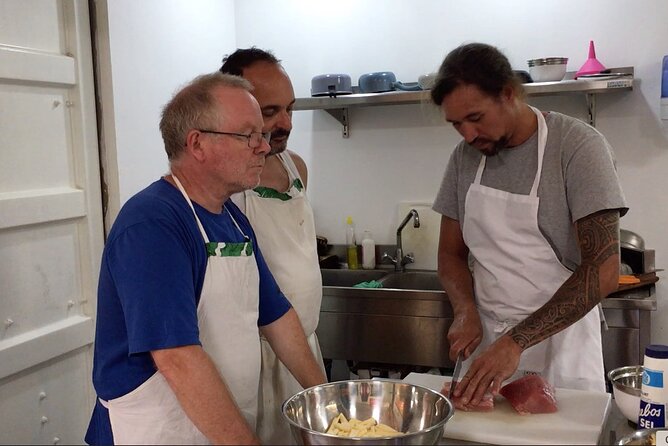
- Paopao Valley setting: working spaces near pineapple fields and growing gardens
- Stevenson and Audrey teach like people, not performers: culture facts tied to cooking steps
- Hands-on dishes you can actually recreate: from poisson cru to banana-leaf sweets
- Farm-to-plate lunch experience: coffee/tea, snacks, and a full meal included
- Recipes to take home: a copy so your kitchen doesn’t go quiet after the trip
Paopao Valley Setting: Pineapple Fields, Gardens, and a Real Workshop
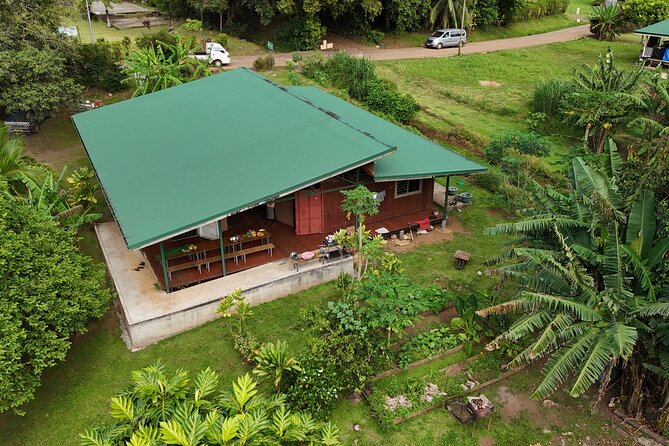
This isn’t a pop-in tasting or a quick demo. The experience happens in professional workshop spaces in the Paopao Valley, right beside pineapple fields and the gardens that feed the class. You’re also close to a production lab, so the whole thing feels organized and practical, not improvisational.
The location matters because you’re learning food as part of daily life, not just as a dish on a plate. As you move around the grounds, you get a sense of how Polynesian communities work with what’s available seasonally, what they grow, and what they bring in. One of the best parts is seeing the gardens up close and using them as a lesson tool, not just decoration.
You’ll also hear the bigger picture of Polynesian culture: history, life today, and how the society keeps changing. That theme shows up again and again, especially when you talk about which plants are native, what’s grown locally now, and why certain traditional cooking methods still make sense.
Practical takeaway: because it’s an outdoor valley setting surrounded by gardens, you’ll be more comfortable if you dress for warm weather. Light layers, a hat, and sunscreen go a long way. And if it’s humid, you’ll be glad you wore shoes you don’t mind getting a little dusty.
Stevenson and Audrey: Culture Lessons That Actually Affect How You Cook
The class is led by Stevenson and Audrey, and the tone is friendly and grounded. What I like most is that the cultural information is tied to the cooking itself. You’re not just told facts—you’re shown how those facts connect to ingredients, tools, and methods.
They explain what’s native versus imported, what’s seasonal, and why certain foods carry cultural importance. In a lot of cooking classes, culture becomes a background story. Here, it becomes part of the instructions. When you’re learning why a plant matters or why a technique is used, it changes how you approach the dish while you’re making it.
Another strong point: the day is structured so everyone has something to do. Multiple review comments highlight that the class is interactive with a laid-back pace, with different roles so you don’t spend the whole time watching. You’ll likely work in a team rhythm—one person cutting, another preparing, another tasting—so the meal comes together faster and feels more like a shared family project than a school assignment.
If you want to cook, not just eat: this is a good fit. You’ll be asked to do real tasks like prepping ingredients and participating in the steps that build each dish.
What You Cook: Poisson Cru, Banana-Leaf Bread, and Tuna with Local Sauces
This is a hands-on menu, and it’s the kind you remember because you made it yourself. The dishes you can expect to prepare include the Polynesian classics people come for, plus a few that show the wider range beyond the usual.
Here are the highlights that show up across the class:
- Poisson cru (raw fish): you learn how to carve tuna for the preparation
- Bread wrapped in banana leaves: coconut bread, cooked with the leaf wrap technique
- Coconut chips: a simple snack component that tastes like something you’d never think to make at home
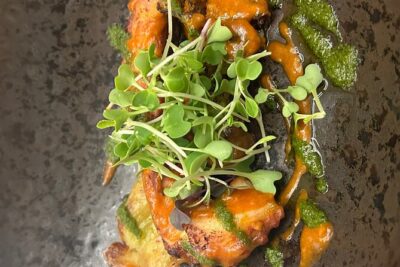
- Grilled tuna with local sauces: BBQ-style tuna paired with homemade sauces (more than one glaze/sauce is part of the experience)
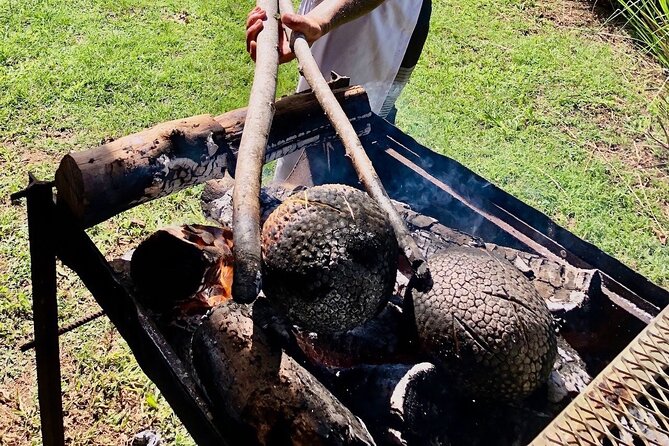
- Roasted breadfruit: cooked as a traditional starchy staple
- A banana-leaf wrapped dessert: described as a pumpkin tapioca-type treat
The real value isn’t just that these are tasty. It’s that you learn the skills behind them:
- How raw fish preparation becomes safe and flavorful with the right treatment
- How banana leaves work as a cooking wrapper for aroma and texture
- How sauces change the entire personality of a grilled fish plate
- How breadfruit and coconut-based components fit into the Polynesian table beyond one meal
And yes—some of the learning happens through the garden itself. You might be asked to identify plants and understand what they’re used for, which is a big reason this feels more educational than “here’s what we’re serving.”
From Garden Bed to Lunch Table: Coffee, Snacks, and the Meal You Make
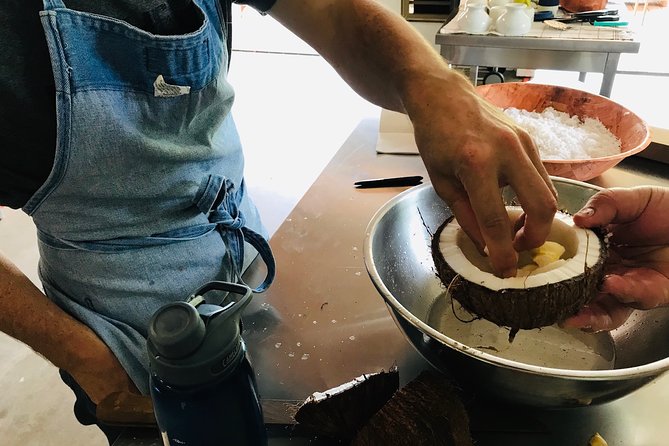
Your day isn’t just kitchen time. You’re also connecting the ingredients to where they come from.
In the gardens, you get a sense of what grows in the valley and how those plants show up in cooking. The guidance focuses on benefits of local products and how they’re cooked traditionally. That matters because it helps you understand the logic, not just the recipe.
The class includes:
- Coffee and/or tea
- Snacks
- Lunch
- All fees and taxes
You’ll sit down for lunch after the cooking work, which is the best part of any cooking class: the payoff. Many people also note that the lunch is not just a small tasting. It’s a proper meal and often enough food to take home, which is a smart bonus if you’d rather snack again later instead of hunting for dinner plans.
You’ll also get a copy of recipes to try at home. That’s a big deal for value. A lesson feels like money spent when you can’t repeat it. Recipe copies turn the experience into a skill you can keep.
One more practical note: alcoholic beverages aren’t included. If you want a drink with lunch, you’ll need to plan for it outside the experience.
Price and Time Math: Is $99 Worth 3.5 Hours?
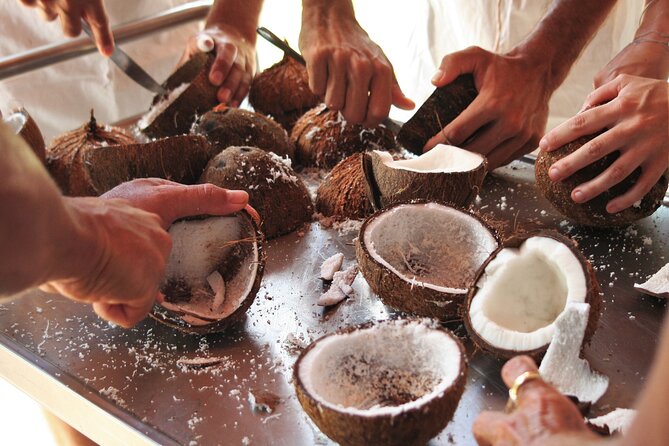
At $99 per person, you’re paying for an experience that includes real food, real instruction, and a real setting with ingredients grown in the valley.
Here’s what you’re actually getting for the money:
- A 3 hours 30 minutes experience window (enough time to learn, cook, and eat together)
- Lunch, snacks, and coffee/tea
- All fees and taxes
- A private setup for your group (only your group participates)
So yes, part of the value is that you’re not just booking “a meal.” You’re paying for instruction plus the ingredients and meal outcome. The recipe handoff makes it even easier to justify, because you can recreate at home and get more than one day of enjoyment out of the class.
Two things to keep in mind:
- An air-conditioned vehicle is not included, so don’t assume you’ll be transferred in comfort. You’ll likely be doing time outdoors and walking around.
- Alcohol isn’t included, so plan your lunch expectations accordingly.
If you’re trying to decide between this and another Moorea food option, I’d think about what you want from the trip. If you want a short taste, pick something else. If you want to learn actual techniques and bring them home, this price starts making a lot more sense.
Also worth knowing: cancellation is free up to 24 hours in advance for a full refund. So if your schedule is still in flux, you’re not locked in by default.
Who This Is Best For in Moorea
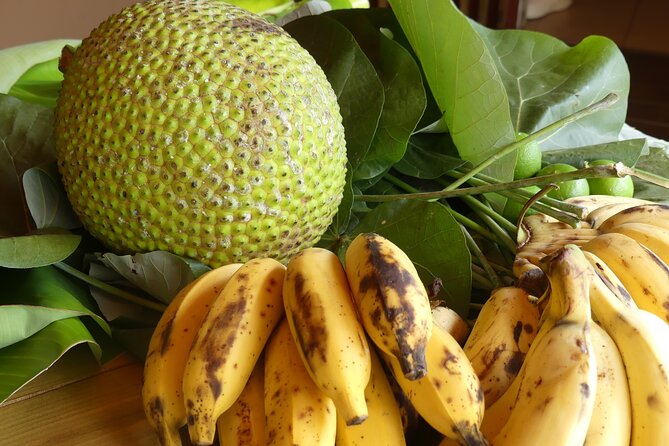
This class is a great match for:
- Food lovers who like learning how dishes are built
- Couples who want a memorable activity beyond the beach
- Families with kids old enough to enjoy hands-on cooking
- People who want culture through food, not through lectures
The menu and the teaching style make it especially friendly if you’re comfortable working with your hands and you like group activities. Even if you’re not an experienced cook, the structure is designed so you’re not just watching. You’ll be moving through steps and getting guidance at each stage.
Vegetarian eaters: one of the standout practical points from the experience is that accommodations may be possible. If you need vegetarian options, it’s smart to mention it ahead of time so the team can adjust what you make.
Who might skip it:
- If you want zero cooking and zero hands-on work
- If you strongly prefer air-conditioned activities the entire time
- If you’re only chasing quick bites and photos with no interest in technique
Should You Book This Polynesian Culinary Experience in Moorea?
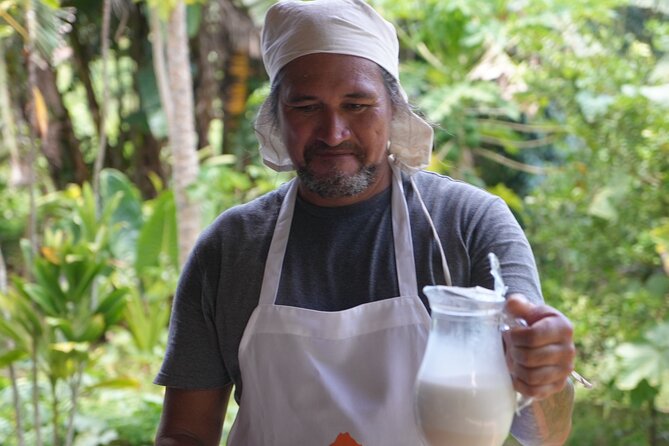
If you want a day that feels like Moorea, book it. This is one of those rare travel activities where the location, the lesson, and the food are all connected. You’re not just eating Polynesian cuisine—you’re learning why it’s cooked the way it is, how local ingredients behave in real recipes, and how to reproduce key dishes at home.
I’d book this if:
- You’re interested in Polynesian culture through food
- You want hands-on cooking, not a demonstration
- You’d value going home with recipes and new skills
I’d hold off if:
- You hate outdoor settings and don’t want to be in the valley environment
- You want a low-effort “sightseeing only” day
One last tip before you go: go in ready to participate. Bring sun protection, wear comfy closed-toe shoes, and approach it like a family meal you’re helping create. That mindset is where the best memories come from.
FAQ
How long is the Polynesian culinary experience?
It lasts about 3 hours 30 minutes.
What time does the class start?
It starts at 9:00 am.
What’s included in the price?
The experience includes coffee and/or tea, lunch, snacks, and all fees and taxes.
Is alcohol included?
No, alcoholic beverages are not included.
Is this activity private?
Yes. Only your group will participate.
Where is the meeting point and how does it end?
You’ll start at F5MG+32W, Moorea-Maiao, French Polynesia, and the activity ends back at the same meeting point.