REVIEW · PIRAN
Piran: Walking Tour with Local Wine and Food Tasting
Book on GetYourGuide →Operated by Piran Walking Tour · Bookable on GetYourGuide
Piran’s food and streets go together perfectly. This walking tour is built for a late-afternoon stroll through narrow old-town lanes and Venetian-style architecture, with stops that explain how the place worked centuries ago. I like the small group size (max 10) because the guide can slow down or speed up, and you get time to ask questions. I also like the way the tour connects the town’s coastal flavors to where they come from, with tastings focused on truffles, olive oil, and local wines. One thing to plan for: it’s still a walk on uneven streets, and it’s not suitable for wheelchair users or people with mobility impairments.
You’ll move at a relaxed pace (about 90–120 minutes), but the route covers the key sights in a way that feels natural, not checklist-y. Along the way you’ll hear stories tied to fishermen and salt producers, plus local anecdotes that make Piran feel lived-in. And if the weather cooperates, there’s a strong chance to catch the sunset view from the hilltop area near the church of St. George.
The tour ends back where it starts, at Tartini Square, so you’re not left hunting for a taxi or figuring out how to get home after tasting your way through the coast.
In This Review
- Key things I’d prioritize before you go
- Tartini Square to Venetian Streets: getting your bearings fast
- Minorite Monastery and old town squares: how the guide turns stones into stories
- The St. George hilltop view: seeing three countries in one frame
- Truffles, olive oil, and tasting wines: Malvazija vs. Refošk
- After the walk: what you get from a local guide
- Price and value: what $41 buys in Piran
- Logistics that actually matter: timing, weather, and where to park
- Who this tour suits best (and who should look elsewhere)
- Should you book the Piran walking tour with wine and food tasting?
- FAQ
- Where does the tour start?
- How long is the Piran walking tour?
- What language is the guide?
- Is food and wine included?
- How big is the group?
- Are entrances included to sights like the monastery?
- What should I wear or bring?
- Is the tour outdoors all the time?
- Can I cancel for a refund?
- Is it suitable for wheelchair users or mobility impairments?
Key things I’d prioritize before you go
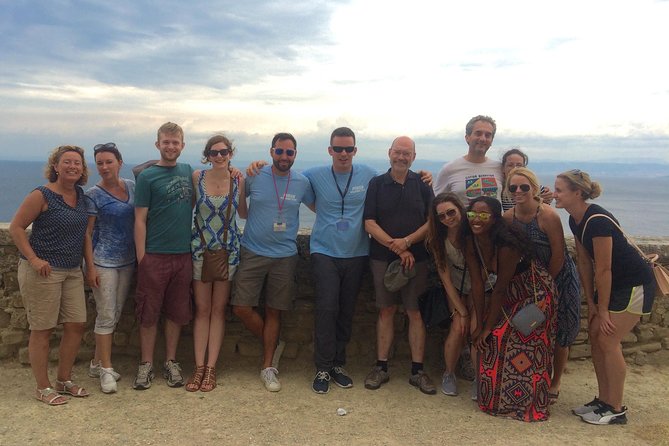
- Small-group walking pace that lets you keep up without feeling rushed
- Venetian architecture on the way to medieval stories, not just photos from the outside
- Minorite Monastery area and key town squares that help you understand old Piran
- St. George hilltop viewpoint where you can see Slovenia, Croatia, and Italy together
- Truffle- and olive oil–forward tasting with local snacks and wine like Malvazija and Refošk
Tartini Square to Venetian Streets: getting your bearings fast
Most people start Piran with a beach thought in their head. This tour starts with a map-in-your-feet moment at Tartini Square, in front of the Touristic Info Centre, behind the statue. From there, you shift into the maze of tight lanes where you can feel why the town’s layout mattered for daily life—moving people, goods, and trade without needing wide streets.
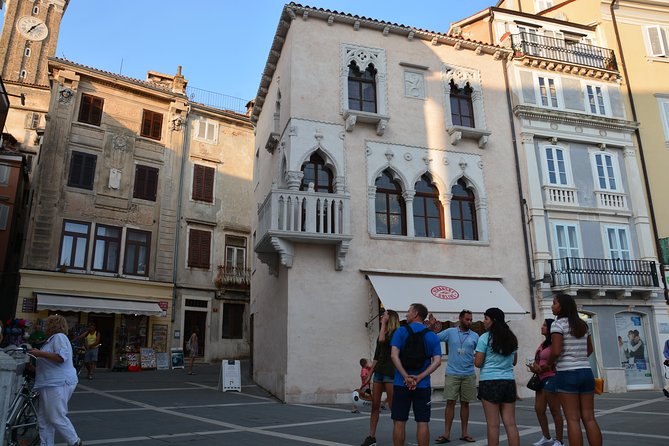
What I like about this opening stretch is that it sets the rhythm. Your guide doesn’t just point at buildings; they explain how Piran’s character connects to its history. Expect a steady walk past important town squares and the kinds of details you usually miss on your own. You’ll also see lots of Venetian architecture, which is a big part of Piran’s look and identity.
A practical note: the tour is designed for late afternoon, when light is better for photos and the streets feel more relaxed. If you’re visiting on a hot day, you’ll appreciate that the pacing includes a built-in tasting break later.
You can also read our reviews of more walking tours in Piran
Minorite Monastery and old town squares: how the guide turns stones into stories
A highlight of the route is walking past the Minorite Monastery, described as about 700 years old. You’ll go through the area and learn about its background and anecdotes. The tour is focused on exterior views—entrances aren’t included, so you shouldn’t expect to go inside rooms or guided exhibits.
That said, the monastery stop works because it’s anchored in viewpoint and context. From there, the guide can connect architecture to daily routines—where people gathered, how the town was organized, and why certain places became central over time. In the real world, that’s what makes old towns click: not just dates, but the feel of how people moved through their day.
Along the way, you’ll also pass multiple squares. Squares in Piran aren’t just pretty open areas; they’re where conversation, trade, and social life would have happened. Your guide’s explanations—picked up through local storytelling traditions—help you read those spaces instead of treating them like background.
Comfort tip: wear comfortable shoes. The walking route is described as easy to follow, but old-town surfaces can still be uneven. Also, high heels aren’t allowed. Bring footwear that’s stable enough for cobbles and quick turns.
The St. George hilltop view: seeing three countries in one frame
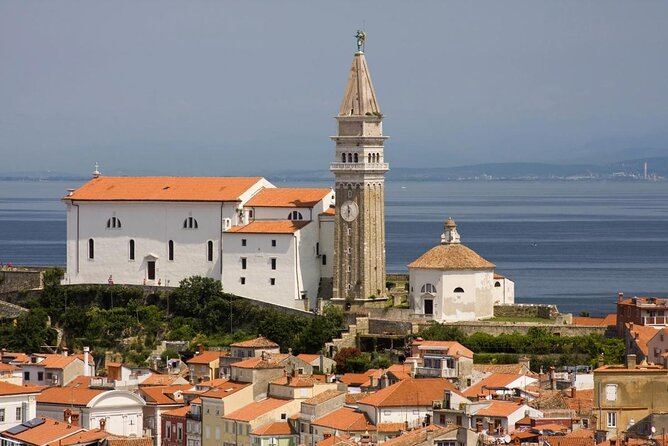
After you’ve learned your way through the medieval lanes, the tour takes you up to one of Piran’s big photo moments. The route ends at the panoramic viewpoint near the church of St. George, where the view opens dramatically over the Adriatic coastline and the wider region.
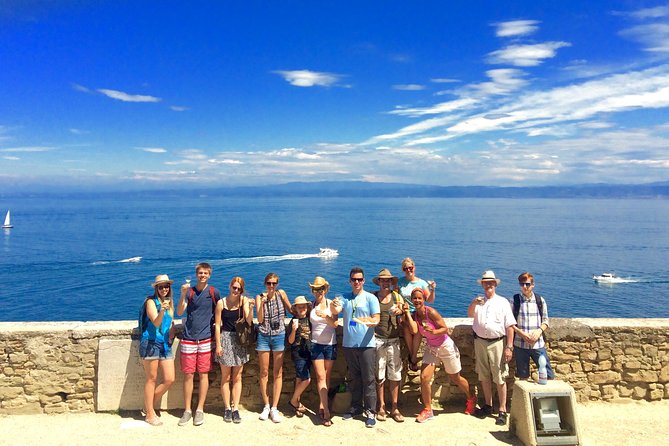
Here’s the payoff: from this hilltop spot, you can see Slovenia, Croatia, and Italy at the same time. It’s the kind of view that makes the whole trip make sense. You start with the town’s architecture and stories, and then you finish with the geography that shaped it.
If you get decent weather, this is also where the tour’s sunset potential shines. The listing suggests sunset as an option when conditions are nice, and that’s a smart use of your time in Piran. Late afternoon light makes the water and coast pop, and you’ll likely have better visibility for that multi-country panorama.
What to know: this part of the experience is mostly about the viewpoint itself, not a museum-type stop. So if you’re someone who hates waiting around, you’ll probably find it straightforward—just walk up, pause for photos, and enjoy the angle.
Truffles, olive oil, and tasting wines: Malvazija vs. Refošk
The final third of the tour shifts from history to flavor. You’ll stop for snacks and refreshments with local food and wines included (and the tasting depends on the option you select). The tastings are built around things this region does exceptionally well: truffles, olive oil, and standout local wines.
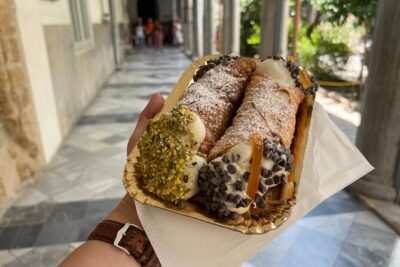
You’ll taste items that the tour describes as featuring truffle cream and olive oil, plus salami and other local deli-style bites. If you’re the type who wants to take home tastes rather than just photos, this is the strongest part of the tour.
Then comes the wine choice. The region is known for:
- Malvazija (white)
- Refošk (red)
Even if you’re not a wine nerd, this gives you an easy way to compare. White vs. red matters here because Piran’s food profile is tied to the coast and the classics like olive oil. The tour doesn’t force you into one “correct” pick. It hands you a tasting format and lets you decide what you like.
One practical consideration: if wine isn’t your thing, look closely at the option you book. The local food and wine tasting is listed as included if the tasting option is selected, so you can choose the version that matches your comfort level.
Also, the tour includes bottled water, which is a small detail but a real help when you’ve been walking and tasting.
After the walk: what you get from a local guide
A good walking tour ends when your feet stop moving. A great one leaves you with a shortlist. This one aims for the second part. After the tasting and viewpoint stops, your guide will be happy to recommend places to continue your evening—things like where to find a nice meal, ice cream, coffee, or a glass of wine.
This is where the small-group format matters again. When you’re not fighting for attention, you can ask sharper questions. In the reviews, guides are praised for pacing and clear English, and one named guide, Jan, is specifically mentioned for an outstanding experience. You might not get the same guide, but the key point is that the tour is designed to be conversational and responsive.
Don’t skip the souvenir angle either. The tour includes a reminder to ask where to buy a souvenir for a memory from Piran, which is exactly what you want at the end of a tasting-and-view tour—something tangible to bring home without turning it into a shopping trip.
Price and value: what $41 buys in Piran
At $41 per person, this tour sits in the sweet spot for a “one guided evening” experience. You’re paying for three things at once:
- An in-person licensed local guide
- A walking route through the parts of town that matter
- Food and wine tasting (when you select that option), plus bottled water
You’re also getting a small group capped at 10 people, which usually means less waiting and more interaction. For a place like Piran—where the streets are tight and you’d miss the best connections without help—having a guide turns the time into something more efficient than wandering.
One value check: the tour notes that entrances aren’t included and you visit from the outside. That’s not a dealbreaker, but it does shape expectations. This is about walking, viewpoint time, and tasting, not paid entry tickets to attractions.
If you’re the kind of traveler who wants one easy plan that gives you old-town context plus local flavors, this price makes sense. If you’re trying to do Piran on a strict budget, you might feel the cost more—so weigh it against what you’d otherwise spend on food and wine without a guide.
Logistics that actually matter: timing, weather, and where to park
This is a 1.5-hour tour (listed as 90–120 minutes) with starting times you can check for availability. In other words, you’ll want to pick the slot that matches your mood: late afternoon for best light, and closer to sunset if the day is clear.
Meeting point is concrete: Tartini Square, in front of the Touristic Info Centre, behind the statue. The end returns you to the same point.
If you’re arriving by car, the tour suggests leaving your car in a garage in front of the town and using the free shuttle bus service to Tartini Square, running every 10–15 minutes. On busy days, it can take some time. If you can avoid the shuttle hassle, parking outside the center and walking in can save stress.
Weather matters too. The tour won’t take place in case of heavy rain or storm. That’s normal for a walking-and-viewpoint format, but it means you should keep one flexible evening in your schedule.
Who this tour suits best (and who should look elsewhere)
This tour is a great match for you if you want:
- A guided orientation to Piran’s old streets
- A tasting that highlights regional staples like truffles and olive oil
- A real viewpoint moment at St. George with the multi-country panorama
It’s not the right pick if you need step-free walking or wheelchair access, since it’s marked as not suitable for wheelchair users and not suitable for people with mobility impairments.
Also, if you dislike wine or don’t want any alcohol around you, be careful with your option choice. The tastings include wine when selected, so choose the version that fits your comfort.
Should you book the Piran walking tour with wine and food tasting?
Book it if you’re planning a short stay in Piran and you want your time to count. The combination of Venetian architecture, Minorite Monastery area, a St. George hilltop view, and a proper local tasting makes it one of the more efficient ways to understand the town and enjoy it at the same time.
Skip or reconsider if you:
- Can’t handle uneven old-town walking
- Prefer attractions with indoor entry tickets rather than outside viewing
- Don’t want wine as part of your travel plans (double-check the tasting option you select)
If you do book, I’d aim for a slot with good late-afternoon weather. Bring comfortable shoes, and plan to spend a little time after the tour acting on your guide’s recommendations—because that’s when Piran turns from something you saw into something you’ll remember.
FAQ
Where does the tour start?
The tour starts at Tartini Square, in front of the Touristic Info Centre (behind the statue).
How long is the Piran walking tour?
The duration is about 1.5 hours (90–120 minutes).
What language is the guide?
The tour is guided in English.
Is food and wine included?
Local food & wine tasting is included if that option is selected. The tour also includes bottled water.
How big is the group?
The group is small, with a maximum of 10 people.
Are entrances included to sights like the monastery?
No. The tour visits key places from the outside, and entrances are not included.
What should I wear or bring?
Bring comfortable shoes. High-heeled shoes aren’t allowed.
Is the tour outdoors all the time?
It’s a walking tour with outdoor sightseeing, and it will not take place in case of heavy rain or storm.
Can I cancel for a refund?
Yes. You can cancel up to 24 hours in advance for a full refund.
Is it suitable for wheelchair users or mobility impairments?
No. The tour is marked as not suitable for wheelchair users and not suitable for people with mobility impairments.