REVIEW · DUBROVNIK
Pelješac Full-Day Wine and Food Tour from Dubrovnik
Book on GetYourGuide →Operated by Dubrovnik FOOD Story · Bookable on GetYourGuide
Pelješac tastes like real Croatia, not a stage set. This full-day food and wine tour mixes boat-fresh oysters, salt history in Ston, and slow, friendly tastings in family vineyards. I especially like that you’re not just handed a glass you’re taught the story behind Plavac Mali and Dingac as you walk steep sea-facing slopes.
The main thing to consider is pacing and food: the day includes multiple tastings and a proper Dalmatian-style brunch, so you’ll want comfy shoes and an appetite.
In This Review
- Key highlights at a glance
- Pelješac: why this peninsula is worth the 1-hour drive
- Getting there without the “tour bus fatigue”
- Ston and the salt works: the medieval start that explains the coastline
- Oyster farm morning: the kind of tasting you’ll brag about later
- Pelješac vineyards and three winery visits: where the tasting becomes a story
- Marenda brunch in a konoba: the meal that turns the tour into a memory
- What you’ll actually taste (beyond the wine buzzwords)
- Price and value: what $259 buys you in real terms
- Who this tour suits best (and who should skip it)
- Final call: should you book Pelješac from Dubrovnik?
- FAQ
- How long is the Pelješac Full-Day Wine and Food Tour?
- Where do you get picked up?
- How big is the group?
- What tastings and food are included?
- Do you visit the salt works in Ston?
- Is the tour suitable for vegetarians or vegans?
- What should I wear or bring?
- Is the tour refundable if plans change?
Key highlights at a glance
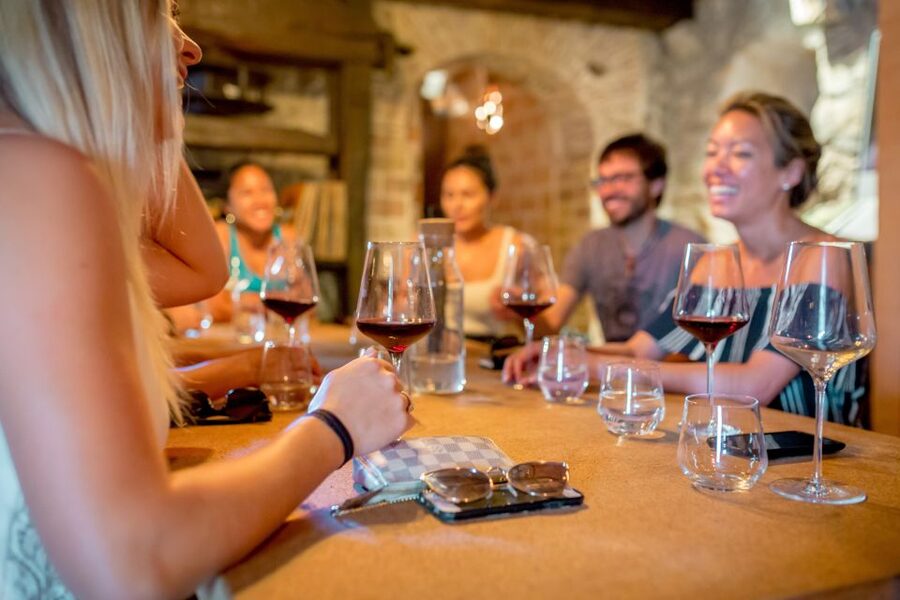
- Boat oysters from a family oyster farm, served with local wine
- Ston salt works and the famous wall between Ston and Mali Ston
- Three family-owned winery stops, including vineyard tastings
- Organic olive oil and homemade liquors, not just wine pours
- Marenda brunch in a konoba, often cooked in front of you by an open fireplace
- Small group max 8 with a licensed English guide named Oliver
Pelješac: why this peninsula is worth the 1-hour drive
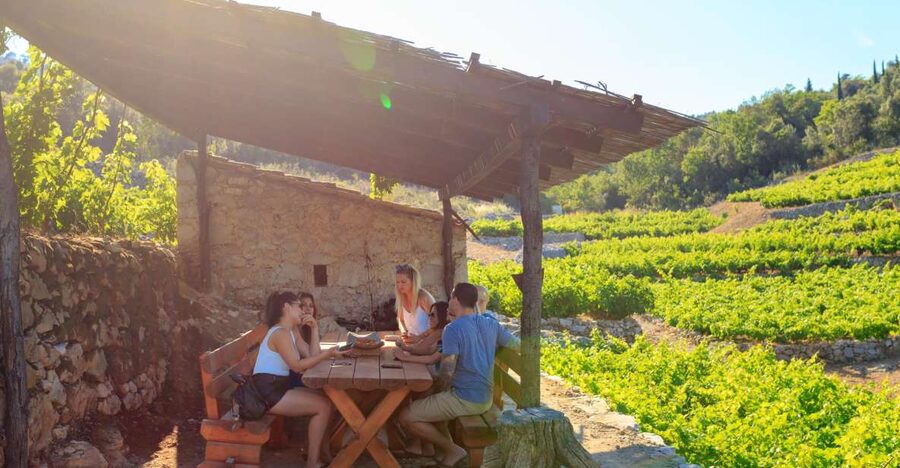
Pelješac sits close enough to Dubrovnik that you can do it in one day, yet it feels like another world once you start crossing the coastline. You’re headed into one of Croatia’s better-known red-wine areas, where grapes like Plavac Mali and Dingac grow on steep slopes that run down toward the Adriatic.
What makes this tour feel practical is that it builds your tasting sense as you go. You see Ston’s salt legacy, then you taste coastal oysters, then you move to wine country where the environment shapes the flavor. By the time you’re standing among vines, you’re not learning terms—you’re learning why those flavors exist.
The group size matters too. With a small party (up to eight), you get time for questions and real conversation, especially with the guide, Oliver, and the winery hosts you meet along the way.
You can also read our reviews of more food & drink experiences in Dubrovnik

Getting there without the “tour bus fatigue”
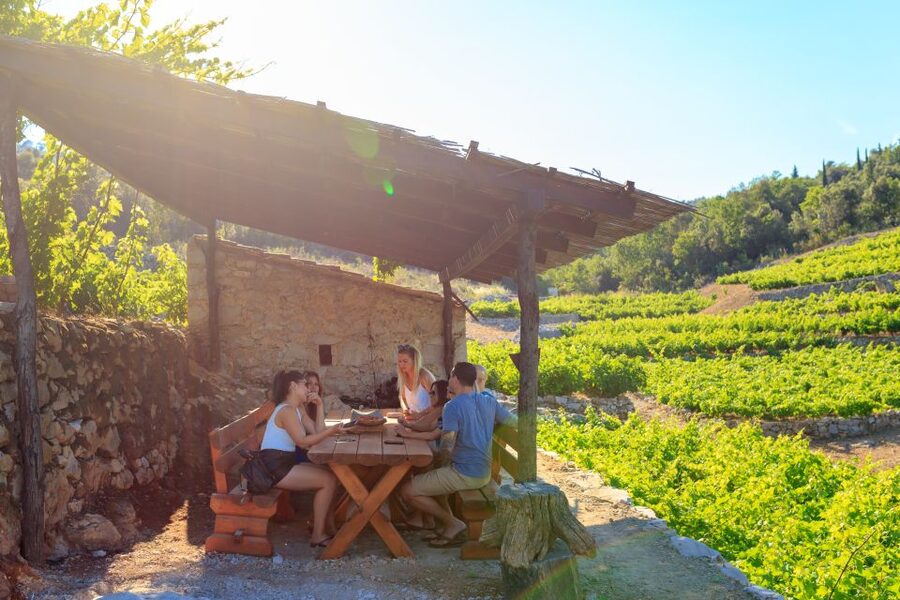
This is an 8-hour day built around comfortable van or car transport from Dubrovnik pickup. The drive to Pelješac is about an hour, then you’re hopping between short segments of sightseeing and tastings rather than spending your day stuck in traffic.
A small detail that really helps: the driver uses a sign at pickup and waits no longer than 10 minutes after the scheduled time. That keeps things running, but it also means you should be ready at the front of the pickup area instead of wandering around trying to find the vehicle.
Also, bring comfortable clothes and comfortable shoes. You’re on uneven ground at wineries and walking in Ston, and this is not a high-heel day (high heels aren’t allowed).
Ston and the salt works: the medieval start that explains the coastline
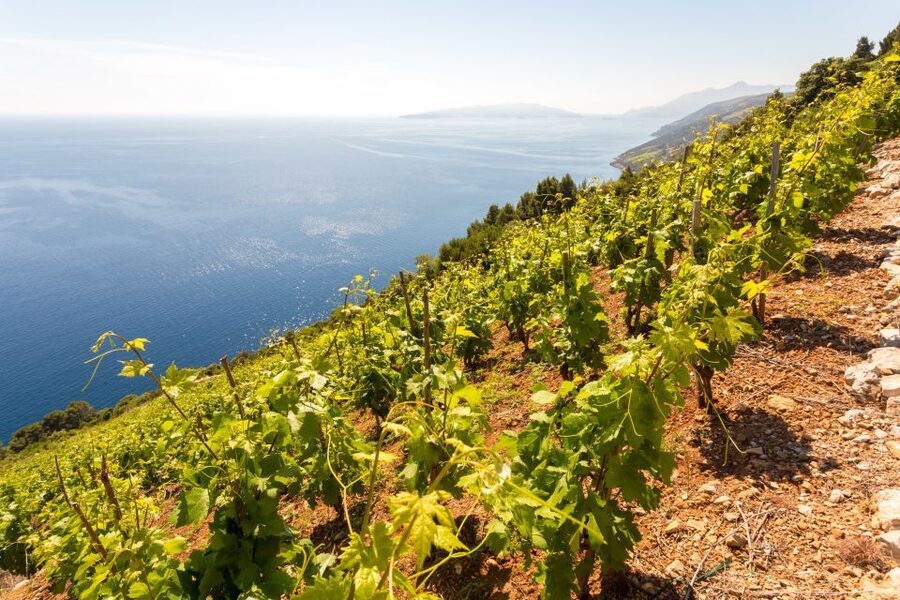
The day’s first “wow” moment is Ston, a medieval town with enough history to make the rest of the trip click. You admire the largest wall in Europe, a 5.5-kilometer stretch between Ston and Mali Ston. Even if you only see part of it, you get a feel for how protected this region was.
Then comes the salt works. You’ll visit salt production areas where salt has been made for centuries using the same methods. Why this matters for your food day: salt is part of the local identity in the way wine and oysters are. It also helps you understand why “sea-related” food in this corner of Dalmatia tastes the way it does—because the region learned to work with its water and weather long ago.
You’ll also walk the narrow streets and get a sense that Ston was once a major stop in the Dubrovnik Republic. It’s a smart reset before the heavier tasting stops.
Practical note: Ston is a walk-and-see stop, not a long museum visit. Wear shoes that handle uneven pavement and take it easy if you’re sensitive to hills.
Oyster farm morning: the kind of tasting you’ll brag about later
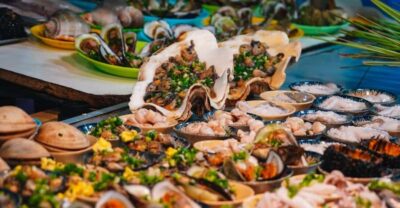
One of the strongest reasons people book this day trip is the oyster experience. You visit a family-owned oyster and mussel farm and you taste oysters directly from the sea, paired with local wine.
The “special sauce” here is that it’s not the same as ordering oysters in a restaurant. In the experience format, you’re taken out to the oyster area on a boat, then served oysters so fresh the experience feels almost unreal. Oliver and the farm hosts explain oyster cultivation so you understand what you’re tasting, instead of just hearing you should like it.
If you’ve never liked oysters, this is the version that can change your mind. You’re tasting them right at the source, and they’re paired with wine that makes sense for the local coastal profile, not a random red chosen to look good.
Also, this is a good moment in the day to go slower mentally. After salt and walls, oysters are the sensory bridge from history to appetite.
Pelješac vineyards and three winery visits: where the tasting becomes a story
Once you roll into Pelješac, the tour leans into what you actually came for: wine and food with context. This is a well-paced day that takes you to three family-owned wineries (with tastings and snacks along the way), plus an in-vineyard moment where the host explains Pelješac’s wine character.
The setting is part of the product. You’ll see vineyards on steep slopes facing the sea, and that view does more than look pretty—it explains how these wines develop. Steep terrain forces the vines to work harder, and sea air is part of the rhythm of the place.
At the wineries, you get:
- Wine tastings that focus on Pelješac styles
- Traditional snacks alongside the wine
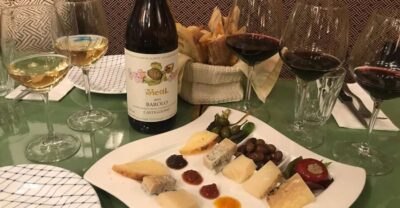
- Extra tastings such as organic olive oil and homemade liquors
- Time to walk cellars and learn production secrets from the people who grow and make the wine
Two things I like about the winery format are variety and control. The wineries aren’t identical; each stop has its own ambience, so your palate doesn’t feel like it’s stuck on the same track for hours. And because the group is small, you can ask questions about what you like without feeling rushed.
One more tip: pace yourself at the first tastings. You’ll be eating later, so treat the earlier pours like orientation.
A few more Dubrovnik tours and experiences worth a look
Marenda brunch in a konoba: the meal that turns the tour into a memory
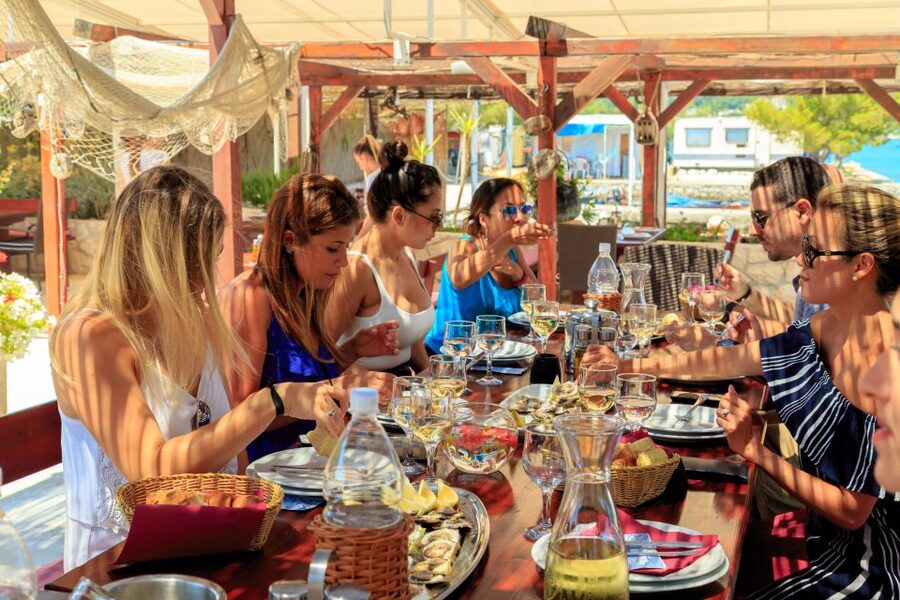
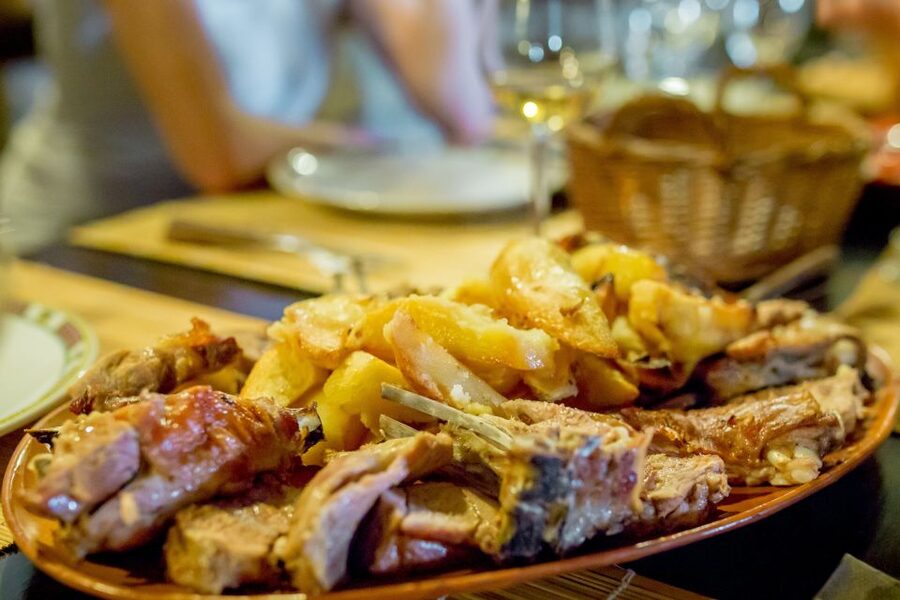
The highlight meal is the marenda brunch in a traditional Dalmatian pub, a konoba. This is not a bland included lunch. It’s rustic, family-style, and built around the way locals actually eat between the morning and evening rhythm.
Depending on season and weather, the food can be prepared in front of you using an open fireplace. That matters more than you’d think. Cooking visibility slows everyone down and turns the meal into an experience, not just calories on a schedule.
The menu can include local specialties, and you may find dishes like wild boar stew in the lunch experience at the winery. In past days, that sort of hearty, peninsula cooking has been a favorite because it tastes like Pelješac rather than like something you could order anywhere.
And yes, the lunch is paired with wine, so you’re tasting the region in two ways: the grapes and the cooking.
Practical move: if you’re the type who likes to buy a favorite bottle, lunch is also a great time to decide which winery’s wines you want to bring home—because you’re full, satisfied, and remembering flavors clearly.
What you’ll actually taste (beyond the wine buzzwords)
This tour’s food-and-wine value isn’t only in the wine itself. You’re also tasting the supporting cast of Dalmatia: olive oil, homemade liquors, fruit, and coastal seafood.
Here’s the practical version of the “tasting list,” based on what’s included:
- Wine tastings at wineries with traditional snacks
- Organic olive oil tasting
- Homemade liquors tasting (the local way to end or reset a meal)
- Fruit and snack items through the stops
- Fresh oyster tasting paired with local wine
- Traditional marenda brunch in a konoba
If you’re a wine traveler who wants more than a tasting room script, pay attention to what Oliver and the winery hosts say about grapes, slope conditions, and why Pelješac reds taste the way they do. You’ll hear enough to connect names like Plavac Mali and Dingac to real landscape and real farming.
And if you’re here for food first, don’t worry. The oysters and lunch are the core attractions, and the wine is there to support the whole Dalmatian meal arc.
Price and value: what $259 buys you in real terms
At $259 per person for an 8-hour day, you’re paying for a lot of structure that would cost time and money to replicate on your own.
Here’s where the value comes from:
- Door-to-door style pickup and transport in an air-conditioned vehicle
- A licensed English guide (Oliver) who connects the dots between salt, oysters, and wine
- Tastings across multiple stops, including wine at 2 wineries, plus the extra included tastings like olive oil and homemade liquors
- Included traditional snacks at each winery stop
- Included Ston sightseeing and a visit to the salt works
- Included oyster tasting session from a family oyster farm
- Included traditional brunch (marenda) in a konoba
In other words, this isn’t a “cheap wine tour” where you pay for a bus and hope for the best. You’re paying for access: to families who grow, farm, and cook; and to a guided day that stays organized so you can actually taste and talk instead of map-reading your way from stop to stop.
One more thing: the small group size (max 8) adds value because you don’t get crowded out. You’re more likely to get the personal explanations that make the tastings feel meaningful.
Who this tour suits best (and who should skip it)
This experience fits best if you want a day that blends sea food, salt history, and family-run wine tastings without feeling like you’re rushing across the region.
It’s also a great fit if you enjoy conversation. Oliver’s style, described by many as warm and engaging, helps turn the day into more than a list of stops.
It’s not a good match if you’re:
- Vegan or vegetarian (the tour isn’t designed for those diets)
- Planning travel with children under 18
- Needing accommodations for mobility impairments or wheelchair users
- Traveling while pregnant
If those categories don’t apply to you, you’ll likely appreciate the fact that this tour leans into authentic local hospitality rather than generic, high-volume tastings.
Final call: should you book Pelješac from Dubrovnik?
I think you should book this tour if you want the most satisfying kind of Dubrovnik day trip: one that gets you out of the cruise-ship bubble and into family farms, real production stories, and a full Dalmatian meal.
If you’re sensitive to food-heavy tours or prefer quiet, low-key sightseeing, you might find it too active. But if you’re excited by oysters, Pelješac reds, and the idea of learning why this peninsula tastes the way it does, this is one of the best ways to spend a day near Dubrovnik.
FAQ
How long is the Pelješac Full-Day Wine and Food Tour?
It lasts 8 hours.
Where do you get picked up?
Pickup is in Dubrovnik. You wait at your hotel, private accommodation, cruise ship port, or other arranged locations. The driver brings a sign and waits no longer than 10 minutes from the scheduled pickup time.
How big is the group?
The group is small, limited to 8 participants.
What tastings and food are included?
You get wine tasting at 2 wineries, organic olive oil tasting, fruit, homemade liquors tasting, typical snacks at each winery, an included traditional brunch (marenda) in a konoba, and a fresh oyster tasting session.
Do you visit the salt works in Ston?
Yes. You’ll visit the salt works in Ston and do a sightseeing stop in Ston.
Is the tour suitable for vegetarians or vegans?
No. It’s not suitable for vegans or vegetarians.
What should I wear or bring?
Bring comfortable shoes and comfortable clothes. High-heeled shoes are not allowed.
Is the tour refundable if plans change?
Yes. It offers free cancellation up to 24 hours in advance for a full refund.