REVIEW · OSLO
Oslo: Food Tasting and Walking Tour with a Local
Book on GetYourGuide →Operated by The Oslo Tour · Bookable on GetYourGuide
Oslo’s food scene has a local shortcut. This 3.5-hour walking tasting threads you along the Akerselva river and into neighborhood food stops where Norwegian flavors feel normal, not staged.
What I like most is the mix of tastings: brunost (brown cheese) paired with a classic waffle, plus farm cheeses, cured meat, and a beer tasting. I also like the city-view angle of the walk, including time around Oslo’s student/hipster area and a stop for Norway’s traditional dress.
One watch-out: the price is not low for the portion sizes, and timing can run shorter than the 3.5-hour label depending on group pace and how the stops line up.
In This Review
- Key Highlights You’ll Feel on the Walk
- How the Akerselva Walk Sets Up a Proper Food Tour
- The Market Stop: Why More Than 30 Stands Changes Everything
- Brunost Waffle and Coffee: Dessert That’s Actually Norwegian
- Cheese, Cured Meat, and Beer: A Flavor Sequence You Can Replicate
- Traditional Dress Stop: It’s Not Just a Photo Op
- Hipster/Student Oslo Blocks: Eating Beyond the Postcard
- Guides: The Stories Are Part of the Value
- Pace, Time Expectations, and What to Do If You’re Booking Late
- Price at $141: Is It Worth It?
- Who Should Book This Oslo Food Walk
- Should You Book This Oslo Food Tasting and Walking Tour?
- FAQ
- Where do I meet for the Oslo food tasting tour?
- How long is the tour?
- What tastings are included?
- What languages are the guides?
- What should I wear or bring?
- Is it suitable for people with food allergies?
- Can I cancel for a full refund?
Key Highlights You’ll Feel on the Walk
- River Akerselva strolling before you start eating
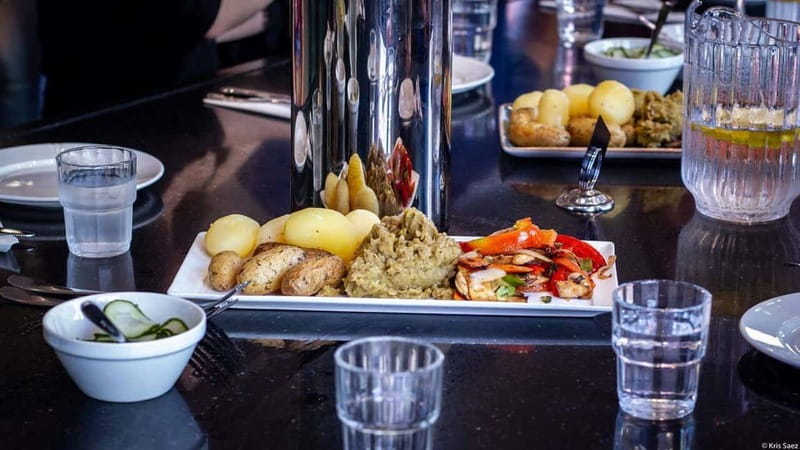
- Mathallen-area market time with more than 30 stands of food and produce
- Brunost waffle dessert in a local kitchen setting, with coffee available if you want it
- Farm cheeses included, including the traditional brown cheese
- Norwegian cured meat plus beer tasting for a full-flavor Norway sampler
- Traditional dress shop stop to understand a piece of Norwegian identity
How the Akerselva Walk Sets Up a Proper Food Tour
This isn’t a sit-down meal tour. It’s a walking route designed to help you get your bearings fast, then start tasting while Oslo is still unfolding around you. The tour includes a walk along the banks of the River Akerselva, which is one of the city’s best shortcuts for seeing how Oslo layers neighborhoods, water, and everyday life.
A food tour works best when you’re not rushed between bites. Here, the structure is built around multiple tasting moments spread through the route, not one big tasting wall. You’ll also get short explanations as you walk—enough context to help you understand why certain foods show up together in Norway (for example, salty-cured flavors next to dairy-forward items, or sweet cardamom-style treats as a reset).
Dress matters a bit. You’re expected in smart casual clothes, and the walking is moderate. Bring comfortable shoes. If you’re visiting in colder months, you’ll be glad you packed layers and something to protect your eyes and head—sunglasses and a sun hat are listed as helpful even though conditions vary.
You can also read our reviews of more walking tours in Oslo

The Market Stop: Why More Than 30 Stands Changes Everything
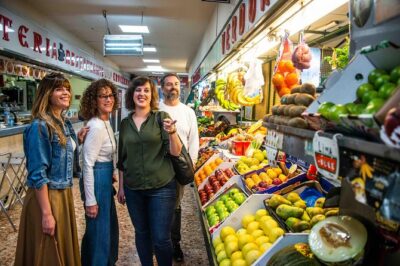
The biggest “food energy” moment is the market stop with 30+ stands. This is where the tour stops feeling like a set-menu experience and starts feeling like Oslo eating in real time.
Instead of only sampling one pre-selected thing, you get a chance to taste local produce and shop-style food culture in a concentrated space. Market food is where Norway’s practical side shows up: items that travel well, preserve well, and taste good whether you eat them hot or cold.
Practically, this stop helps you in two ways:
- You leave with a clearer sense of what’s typically Norwegian versus what’s just “Nordic-themed.”
- Even if you’re not buying anything, you get a visual map of ingredients and food styles you’ll recognize later at cafés and grocery stores.
The tasting list here also connects to what you’ll try later. Market flavors set you up for the dairy and cured-meat stops, so the tour doesn’t read like random samples. It’s more like a guided sampler with a theme: Norway likes strong flavors, then balances them with dairy and sweetness.
Brunost Waffle and Coffee: Dessert That’s Actually Norwegian
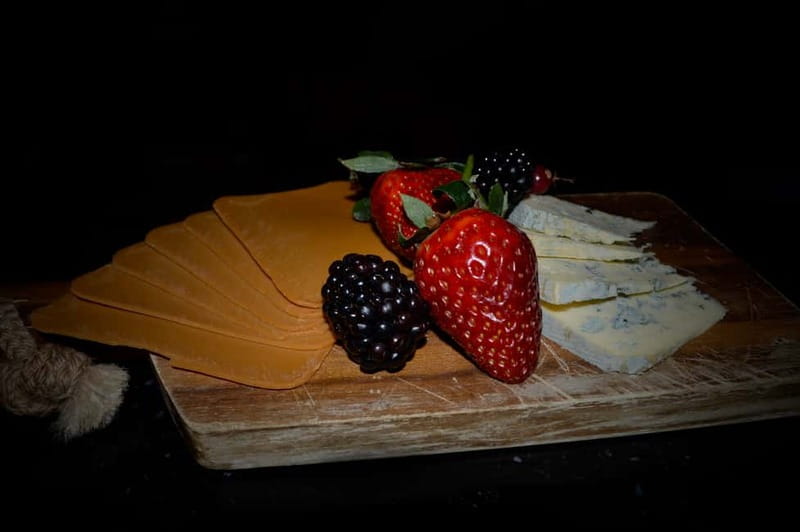
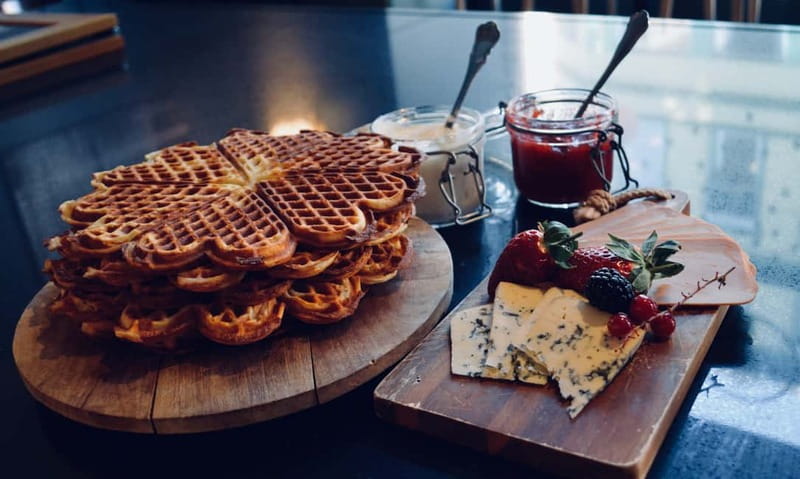
The dessert is the moment that makes this tour memorable: a typical waffle served with brown cheese (brunost). It sounds odd if you’ve only had sweet waffles elsewhere, but that’s the point. In Norway, brunost isn’t a novelty—it’s a known comfort flavor that pairs sweet dairy with a warm, crisp waffle base.
You’ll likely also get coffee as an option with dessert, which is a smart choice because brunost can be rich. Coffee helps you reset your palate between tastings, and it keeps the experience from feeling heavy.
What I like about the dessert stop is that it’s not just sugar. You’re getting a classic Norwegian combo: warm starch + caramel-like dairy notes + that distinctive brown cheese flavor. If you’re a food person who likes learning why a dish belongs in its place, this is the kind of item worth seeking out on purpose.
Cheese, Cured Meat, and Beer: A Flavor Sequence You Can Replicate
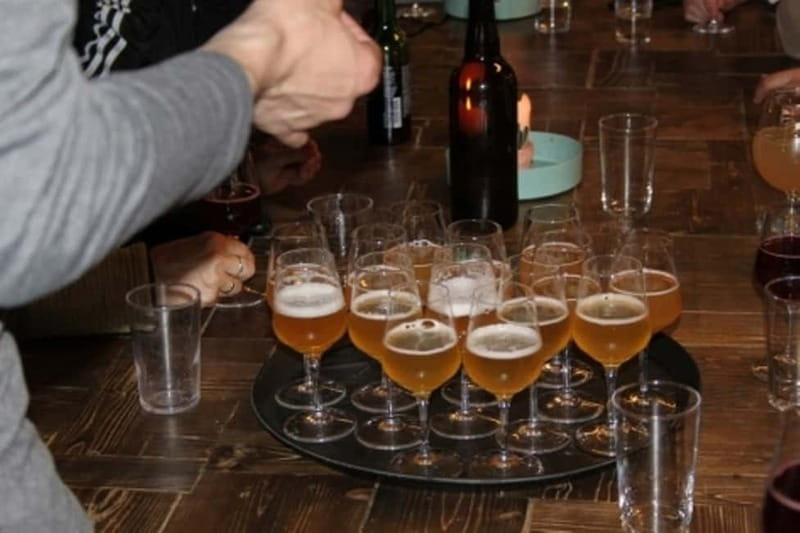
The tour includes a set of tastings that covers three pillars of Norwegian eating: farm cheeses, cured meat, and beer tasting.
You’ll get:
- 3 local farm cheeses, including brunost
- Norwegian cured meat
- A beer tasting
- Plus other Norwegian gastronomy tastings depending on the season
This sequence matters. Norway’s cured and aged foods are strong on their own, and cheeses can do the heavy lifting of flavor balance. Then beer enters as a cleanser and pairing, not a random extra. The result is that you can remember what you liked and recreate similar flavor pairings later at home—without needing a Norwegian cookbook.
Seasonal variation is part of the deal here. One reason this works in different months is that Norway’s food calendar shifts the menu: you might find sweeter, spiced pastry-style tastings (cardamom shows up in the tour’s description), or more seafood-forward bites when the season supports it. Some guides also serve richer meat-based tastings depending on what the kitchen can provide.
Also pay attention to what’s included versus what’s not. Extra meals and drinks aren’t included beyond the tastings listed, so if you’re expecting a full dinner, plan for a follow-up stop after the tour.
Traditional Dress Stop: It’s Not Just a Photo Op
This tour includes a stop at a shop that makes and sells traditional dress of Norway. This might not sound like “food,” but it connects to food culture more than you’d think.
Traditional clothing in Norway ties into regional identity and local materials. When your guide points out details—how clothing styles relate to place and heritage—you start to see food as part of a broader culture, not just a list of dishes to taste once.
It’s also a practical pause in the route. Between market and tasting locations, the dress shop acts like a reset. You get a bit of context, a quick photo chance, and a moment out of food lineups before you move on.
Hipster/Student Oslo Blocks: Eating Beyond the Postcard
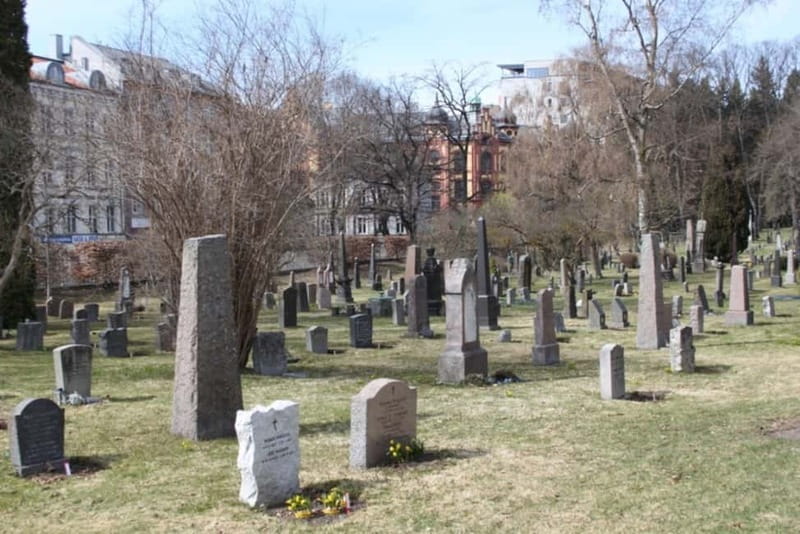
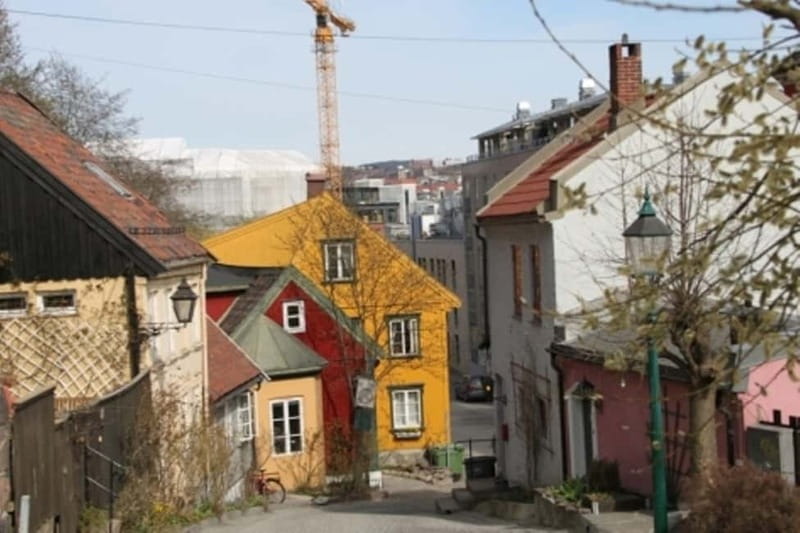
One of the best surprises on this kind of tour is that it can show you how a city actually feels when you’re not standing in front of a landmark. This route includes time around the hipster and student area of Oslo, which makes the eating feel less staged.
Why this matters: food tours are easiest to enjoy when the neighborhood context matches the tasting. Norway can feel traditional on paper, but it’s also modern and experimental in how people live and eat now. Seeing student life and the casual side of Oslo helps you understand why you’ll find both heritage items (like brunost) and modern food moods sitting next to each other in the city.
Guides: The Stories Are Part of the Value
The tour runs with live guides in English and Spanish, and the biggest difference between a good food walk and a great one is whether the guide can connect the tastings to something human.
In real-world terms, guides like Charles, Alex, Eduardo, Kevin, Ivana, and Minji (all names associated with past tours) have one thing in common: they’re willing to explain what you’re tasting and why it matters in Norwegian life. The result is that the food feels less like a checklist and more like a narrative.
If you like your tours with practical story bits—what you’re looking for, how to spot real versions of local foods, what to expect from the ingredient—you’ll probably enjoy this approach.
Pace, Time Expectations, and What to Do If You’re Booking Late

The tour is listed at 3.5 hours, but there’s a small reality check worth making. Some experiences run closer to about 2.5 hours, and in a few cases multiple final tastings happen in the same area rather than bouncing across the city.
That doesn’t automatically make it bad. It can mean less wandering time and more time at food stops. Still, if you’re tight on your schedule—say you’ve booked a museum ticket right after—build in buffer time.
One smart strategy: plan your day so you can linger nearby afterward. Since you’ll be walking through central Oslo areas and around the market district and river corridor, you’ll likely want a follow-up coffee or a second look at what you tasted.
Price at $141: Is It Worth It?
At $141 per person, this tour is priced like a premium experience, not a bargain snack walk. The good news is that it’s not only “a few bites.” Included tastings add up in quantity and variety: waffle with brunost, beer tasting, three cheeses, cured meat, and additional seasonal Norwegian gastronomy tastings.
Still, what you’ll feel is the portion size. If you’re used to tours that treat you to bigger plated meals at each stop, you might decide the price is high for the amount you eat. That’s the main trade-off.
Here’s how I’d judge value:
- If you want a guided route that gives you a Norway-focused flavor sampler in a few hours, the pricing can make sense.
- If your main goal is to leave fully stuffed, you might prefer a longer meal-based option.
This tour is best viewed as an education plus tasting experience. You’ll likely eat a real meal after.
Who Should Book This Oslo Food Walk
This tour is a strong fit if you:
- Want to taste Norwegian staples without sorting through menus yourself
- Like walking tours that also explain what you’re eating
- Enjoy dairy-forward and cured flavors, plus the sweet-salty dance of brunost with waffle
- Prefer a guided experience through central Oslo areas like the river corridor and market district
It’s not the right fit if you:
- Have food allergies (it explicitly says it’s not suitable)
- Need a wheelchair-friendly experience (the info includes conflicting accessibility notes, and you should check directly before booking)
- Want a big meal experience rather than tastings
If you’re traveling solo, this can be a nice way to make Oslo feel less overwhelming. If you’re with a partner, it’s also an easy shared mission: you get to taste several things and compare notes without doing the planning from scratch.
Should You Book This Oslo Food Tasting and Walking Tour?
I’d book it if your goal is a focused, Norwegian-flavor crash course that mixes walkable Oslo views with real tastings—especially the brunost waffle, the included cheese lineup, and the cured-meat and beer pairing. The route also adds a cultural stitch with the traditional dress stop and neighborhood context around student life.
I’d think twice if you’re on a tight budget or you’re expecting dinner portions. This is a tasting tour, not an all-you-can-eat program, and the pacing can vary a bit from the posted 3.5 hours.
FAQ
Where do I meet for the Oslo food tasting tour?
You meet outside the shop called Narvesen.
How long is the tour?
The duration is listed as 3.5 hours (and described as a 3 to 4-hour walking tour).
What tastings are included?
Included tastings cover dessert (waffle with brown cheese), beer tasting, 3 local farm cheeses including brown cheese, Norwegian cured meat, and Norwegian gastronomy tastings depending on the season. Coffee is also included if desired with the dessert.
What languages are the guides?
The live tour guide offers English and Spanish.
What should I wear or bring?
Bring comfortable shoes. The tour also suggests sunglasses, sun hat, and a camera.
Is it suitable for people with food allergies?
No. The tour is listed as not suitable for people with food allergies.
Can I cancel for a full refund?
Yes. The tour offers free cancellation up to 24 hours in advance for a full refund.