REVIEW · MUSCAT
Muscat: Omani Food Tour with Shuwa & Halwa
Book on GetYourGuide →Operated by Hisham Tours · Bookable on GetYourGuide
Underground shuwa is a flavor lesson. In Muscat, this 150-minute Omani food tour strings together five different stops that actually teach you how the dishes are made and why they matter. I love the way the evening moves from smoky, slow-cooked comfort food to sweet desserts and East African snacks, all while the guide connects the bites to daily life in Oman.
I especially like two things: the chance to try Shuwa (the legendary underground dish) and the way you also get Halwa without it feeling like a random dessert stop. One possible drawback: this tour is not suitable if you have food allergies, since you’ll sample a variety of items across multiple kitchens and stalls.
In This Review
- Key Points You’ll Notice Right Away
- Muscat Food Tour in 150 Minutes: What You Get for $77
- Underground Shuwa and Qabuli Rice: Banana Leaves, Spices, and Time
- Omani Halwa with Coffee: Nuts, Saffron, Ghee, and a Sweet Finish
- Zanzibar Snacks in Muscat: Samosa, Mandazi, Kachori, and Katlisi
- Omani Bread in Many Guises: Cheese, Honey, Date Juice, Eggs, Potatoes, Thyme
- Tea with Ginger, Saffron, Cardamom, Cinnamon, and Milk
- Mishkak with Tamarind-Like Sauce: Grilled Meat, Sweet-Sour, and Omani Spice
- What Makes This Tour Feel Better Than a Typical Food Stop
- Logistics That Can Actually Affect Your Enjoyment
- Who Should Book This Shuwa-to-Mishkak Plan
- Should You Book This Food Tour?
- FAQ
- How long is the Muscat Omani Food Tour?
- How much does it cost per person?
- Is hotel pickup and drop-off included?
- What group size is this tour?
- What foods are included in the tasting?
- Is the tour vegetarian-friendly?
- What’s the language of the guide?
- Are there restrictions in the vehicle?
- Is it suitable for people with food allergies?
Key Points You’ll Notice Right Away
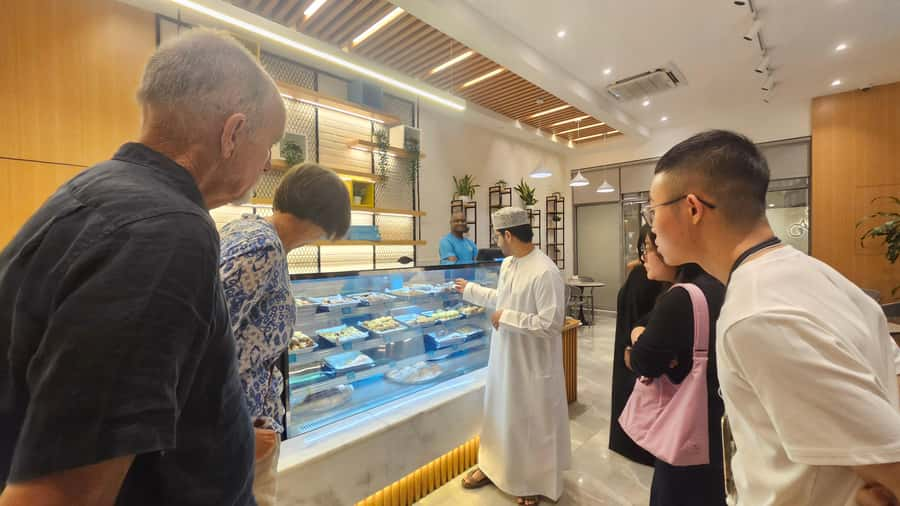
- Small group (max 6) means more questions and more time with each dish.
- Shuwa takes time on purpose: meat or chicken is cooked underground and wrapped in banana leaves, with long fermentation before it’s served.
- Halwa isn’t just sweet: nuts, saffron, ghee, cardamom, and honey all show up in a very Omani way.
- East African influence shows up clearly with Zanzibar-style snacks like samosas and mandazi.
- Spiced tea and coffee (including rose water) are part of the flavor story, not an afterthought.
- Mishkak rounds it out with grilled meat or chicken (or squid) plus a sweet-sour tamarind-like sauce.
Muscat Food Tour in 150 Minutes: What You Get for $77
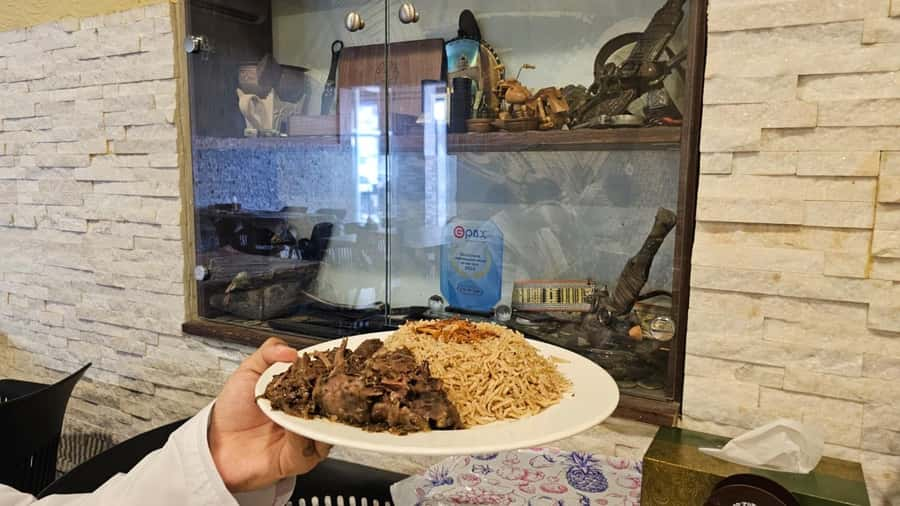
At $77 per person for about 150 minutes, this tour sits in the “value if you eat” category. You’re not paying just for one meal. You’re paying for hotel pickup and drop-off, a live English-speaking guide, and multiple tasting stops that include real Omani signature dishes.
If you’re trying to get your bearings fast on food in Muscat, this works well. You’ll taste savory, sweet, and street-style bites in one evening, so you can decide what you want to repeat later on your own.
Do come hungry. Even with a short duration, the servings are meant to be filling, and the pace is designed around eating and talking.
Underground Shuwa and Qabuli Rice: Banana Leaves, Spices, and Time
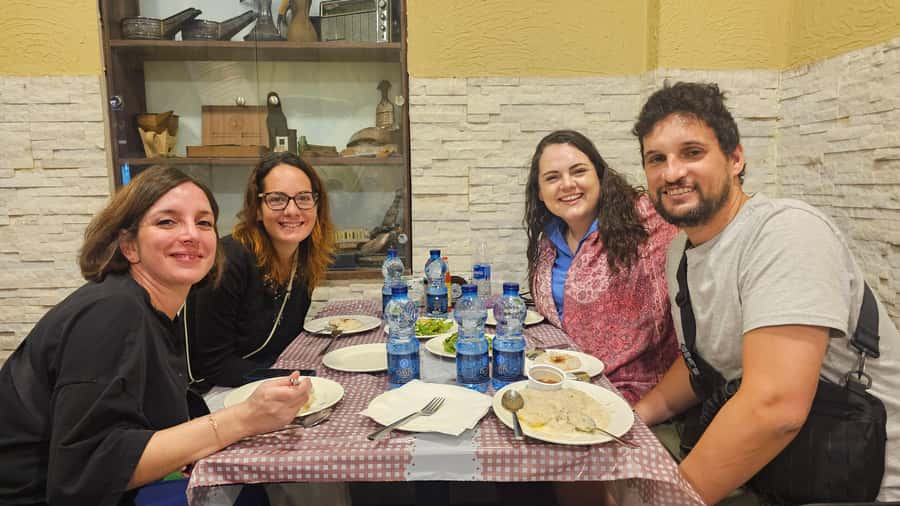
The evening kicks off with Omani Shuwa, the dish Omanis treat like a big deal. The process is intense: meat or chicken is buried underground for 8 to 24 hours, wrapped in banana leaves with spices, and then fermented for over 40 days before it’s eaten.
What you taste is slow-cooked depth—savory, spiced, and tender in a way that’s hard to fake. You’ll also get Qabuli-style rice, rice cooked with meat spices, which helps balance the richness of the shuwa.
Practical tip: if you’re curious about spice levels, ask your guide early. The guide’s explanations often focus on how the spices are used, not just the final flavor. That makes your first bite land with context, not mystery.
Omani Halwa with Coffee: Nuts, Saffron, Ghee, and a Sweet Finish
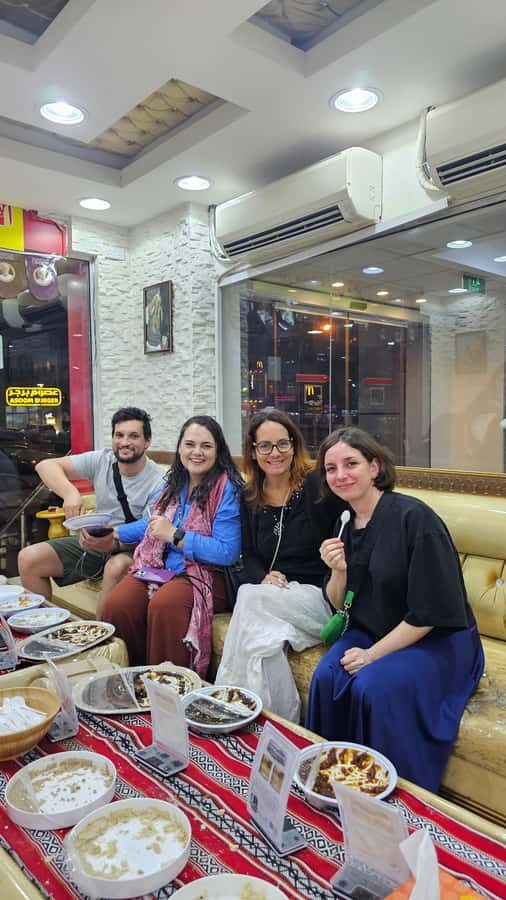
After the savory hit, the tour shifts to Omani Halwa, served with coffee. Halwa here is made with ingredients like nuts, honey, saffron, ghee, and cardamom, plus some secret ingredients that your guide may or may not explain in full detail.
This stop matters because halwa in Oman isn’t a tiny “one spoon” dessert. It’s a proper sweet tasting that lets you notice how fragrance and texture work together—saffron aroma, nutty body, and warm spices.
What I like about this structure is that you don’t wait until the end to get the sweet. Your taste buds reset at the right moment, so the later savory stops still feel satisfying instead of heavy.
Zanzibar Snacks in Muscat: Samosa, Mandazi, Kachori, and Katlisi
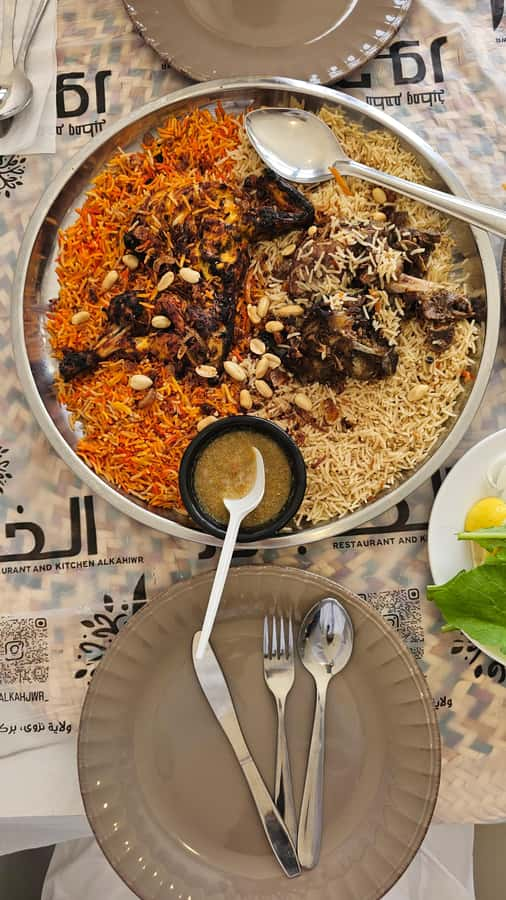
One of the smartest parts of this tour is the East African angle. Oman’s food culture has connections across the Indian Ocean, and you’ll see it in snacks inspired by Zanzibar.
You’ll get light bites such as samosas, mandazi, kachori, and katlisi. These are perfect for testing your preferences without committing to a full main dish. They also give you a chance to compare spice styles—some are more aromatic, some more savory, some more snack-crisp.
This stop is also a nice change of pace. If you’ve been living on restaurant meals, a snack-focused moment helps you understand how everyday eating feels in Muscat.
If you’re vegetarian, you can ask about alternatives. The tour note says meat or chicken can be replaced with fish or salad if you’re vegetarian, so don’t hesitate to flag your dietary needs at the start of the tour.
Omani Bread in Many Guises: Cheese, Honey, Date Juice, Eggs, Potatoes, Thyme
Next comes Omani bread with several flavor options. Instead of one sandwich-style offering, you’ll sample slices with different toppings or mix-ins such as cheese, honey, date juice, eggs, potatoes, or thyme.
This is a great stop for two reasons. First, bread is a daily staple, so tasting it in different forms tells you what Omanis might snack on or serve alongside other foods. Second, it helps you understand how the cuisine handles sweet versus savory in the same meal.
Don’t underestimate this part. Bread might sound simple, but the flavors show up quickly, and it’s often where people start thinking, I could eat this every day.
Tea with Ginger, Saffron, Cardamom, Cinnamon, and Milk
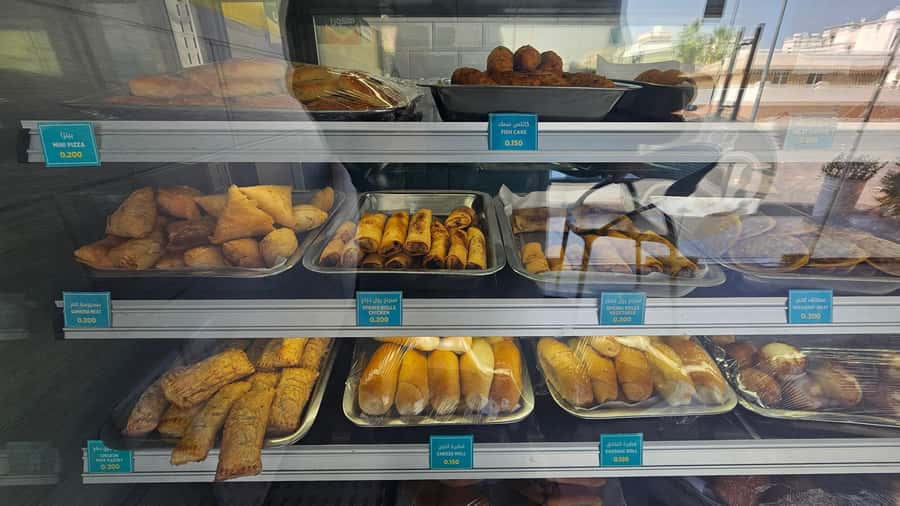
Between savory stops, you’ll have tea with spices, including ingredients like ginger, saffron, cardamom, cinnamon, and milk. Expect a warm, fragrant cup with a slow-building spice feel.
Your guide may also serve ginger tea and coffee with rose water as part of the tasting flow. Rose water doesn’t show up in every country’s tea culture, so it’s a memorable flavor note that feels distinctly Middle Eastern without being overpowering.
Practical tip: pace yourself with tea. It’s part of the experience, but it can also fill you up before the final savory course if you get too enthusiastic.
Mishkak with Tamarind-Like Sauce: Grilled Meat, Sweet-Sour, and Omani Spice

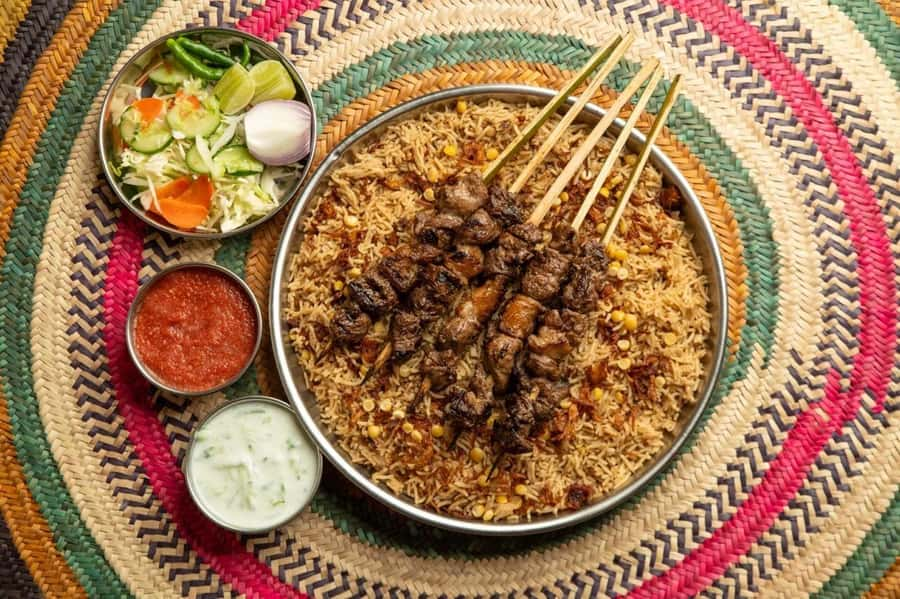
To finish strong, you’ll try mishkak. This is grilled pieces of meat, chicken, or squid served with a tamarind-like sauce and topped or accompanied with traditional Omani spices.
The sauce is the key. It adds a sweet-sour edge that cuts through the smoke from the grill. The overall result feels lively, not heavy, which is exactly what you want near the end of a tasting evening.
If you’re someone who prefers grilled flavors over slow-cooked ones, you’ll likely appreciate this as a finale. And if you’re the type who always wants “one last bite,” this stop usually scratches that itch.
What Makes This Tour Feel Better Than a Typical Food Stop
The most praised part of this experience is the human side: the guide’s explanations and the relaxed pace. Guides you may meet through the program include Hisham and Yousef/Yusuf. Other guides mentioned include Amin and Hanieh, and in a couple of cases a trainee such as Temur joins the group.
What you’ll notice in practice is that the guide doesn’t just name dishes. They explain how food is prepared and why it shows up in Omani life. Some nights include visual support like videos showing how certain dishes are made, which makes the underground cooking story of shuwa easier to picture.
One more standout: the group size. With a limit of 6 participants, you’re not shouting over everyone else, and it’s easier to ask follow-up questions about spice, ingredients, and customs.
Also, a few people mention a short mosque visit as part of the evening route. That’s not the food itself, but it helps you understand the rhythm of Muscat at night—especially if it’s your first evening in the city.
Logistics That Can Actually Affect Your Enjoyment
This tour includes hotel pickup and drop-off, and it runs with a single live English guide. If your hotel is outside the pickup area or not listed, the meeting point changes to Royal Opera House, and you’ll need to arrive there on your own.
You’re in a car, so you’ll want to consider the weather and what you’ll wear. Oman evenings can feel cool compared to daytime, but you’ll still be walking between stops. Comfortable shoes help.
There are also clear vehicle rules: no smoking, no pets, and alcoholic drinks aren’t allowed in the vehicle. Plan your evening around that, and you won’t have any surprises.
Finally, this is a wheelchair-accessible activity, which is good news if mobility is a factor for you or someone in your party.
Who Should Book This Shuwa-to-Mishkak Plan
This tour fits best if you want a true intro to Omani eating—not just a list of dishes. I’d put it at the top of the “first day or first night in Muscat” category because it gives you enough variety to guide your next meals.
It’s also a strong choice if you like conversation and explanation. The best parts of the night are when the guide links the food to culture, preparation, and local habits. If you’re traveling solo, the small group size can feel surprisingly social without being chaotic.
You should skip it if you have food allergies. The tour data says it’s not suitable, and with multiple stops and many ingredients involved, it’s not the right environment for uncertainty.
If you’re vegetarian, you should still book with a plan. The tour notes that meat or chicken can be replaced with fish or salad if you’re vegetarian, so your exact menu may shift. Ask clearly what will be offered so you can enjoy the evening fully.
Should You Book This Food Tour?
Yes—if you’re ready to eat and you want the stories behind Oman’s most famous flavors. For $77 and a tight 150-minute window, the value comes from variety (shuwa, halwa, Zanzibar snacks, Omani bread, spiced tea, and mishkak), plus the convenience of pickup/drop-off and a small group.
I’d book it early in your trip so you can pick a couple of favorites to repeat later. But if food allergies are on the table, or you prefer a lighter tasting menu, you’ll likely have a better match with something more controlled.
FAQ
How long is the Muscat Omani Food Tour?
The tour duration is 150 minutes.
How much does it cost per person?
The price is $77 per person.
Is hotel pickup and drop-off included?
Yes. You’ll get hotel pickup and drop-off. If your hotel is outside the pickup area, you should meet at Royal Opera House instead.
What group size is this tour?
It’s a small group limited to 6 participants.
What foods are included in the tasting?
You’ll try Omani shuwa, Omani halwa with coffee, light East African snacks from Zanzibar (including samosas and mandazi), Omani bread in different flavors, spiced tea, and mishkak.
Is the tour vegetarian-friendly?
The tour notes that meat or chicken can be replaced with fish or salad if you’re vegetarian.
What’s the language of the guide?
The live tour guide is English.
Are there restrictions in the vehicle?
Yes. Smoking is not allowed, pets are not allowed, and alcoholic drinks are not allowed in the vehicle.
Is it suitable for people with food allergies?
No. The tour is not suitable for people with food allergies.