REVIEW · HANOI
Hanoi Cooking Class in a Haven of Tranquility – Thom culinary
Book on Viator →Operated by Thơm Culinary · Bookable on Viator
Market-to-herb-garden cooking in Hanoi is a win. I love the tranquil garden house setup and the hands-on herb harvesting that makes the flavors click before you even touch a knife. I also like the market start with a cyclo ride to Dong Xuan, plus tastings that help you understand what you’re buying and why. One possible drawback: it runs about 4 hours 30 minutes, so come hungry and ready to stay on the move.
This is a small-group class (max 8), with hotel pickup offered and a return transfer afterward. You’ll cook 4 authentic dishes with a host’s guidance, then eat what you make along with homemade desserts, herbal drinks, rice wine, and fruit. If you’d rather stay completely away from market sights and smells, this one might feel like a lot of sensory input.
In This Review
- Key things that make this class worth your time
- Thơm Culinary is less classroom, more calm food world
- The cyclo ride and Dong Xuan market: where you start tasting Vietnamese food
- Old City Gate area + the market circuit: Cau Dong and Thanh Ha
- The herb garden house: harvesting herbs is where the lesson clicks
- Hands-on cooking: 4 authentic dishes built from scratch
- Eating etiquette and dish stories: dinner with context, not just food
- What you’ll actually get: desserts, fruit, herbal drinks, and rice wine
- Pickup, return transfer, and pacing through Hanoi
- Price and value: how $64.31 stacks up in Hanoi
- Who this class is for—and who should think twice
- Should you book Thơm Culinary in Hanoi?
- FAQ
- How long is the Hanoi cooking class with Thơm Culinary?
- Is hotel pickup included?
- What part of the experience happens at markets?
- Do you cook, or is it mostly watching?
- Is there a chance to harvest ingredients?
- What drinks and desserts are included?
- How big is the group?
- Is a mobile ticket provided?
- What is the cancellation window?
Key things that make this class worth your time
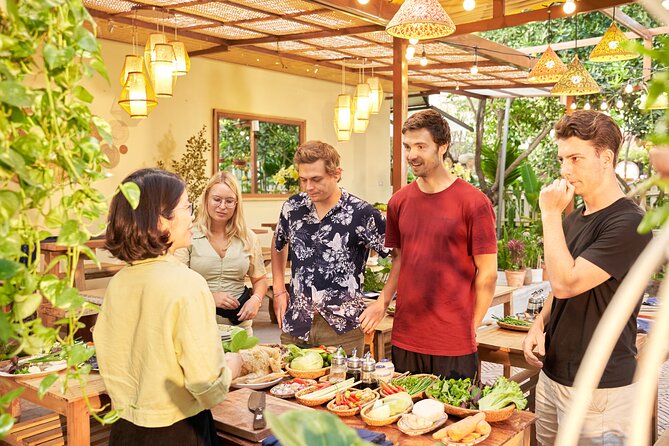
- Cyclo + markets first: you start at Dong Xuan and sample street-food style bites before cooking
- Herb garden harvesting: you pick fresh herbs and fruit right on site, not just talk about them
- Farm-to-table philosophy: you learn how Vietnamese cooks balance flavors, textures, and herbs
- 4 hands-on dishes: you chop, sauté, season, and plate, rather than watching from the sidelines
- Bottomless herbal drinks and rice wine: the meal comes with multiple drink choices as part of the experience
- Small group max 8: you get more time with your host and better pacing
Thơm Culinary is less classroom, more calm food world
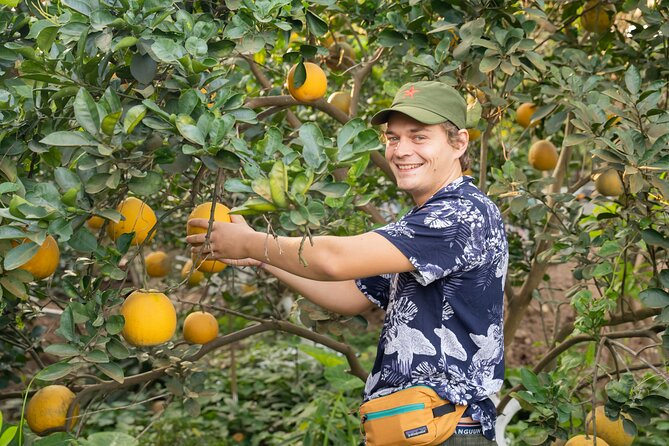
Hanoi can feel loud fast. This experience flips the volume down right away by putting you in a green herb and tropical fruit garden setting before the cooking begins. The point is practical: once you slow down, you taste more clearly and learn faster.
I like how the class is built around ingredients, not just recipes. You’re guided to notice the role of herbs and spices, and how Vietnamese cooking often balances contrasting tastes and textures. That helps even if you’re not a confident cook—because you’re learning the logic behind the flavors.
The atmosphere also matters for value. With a small group, you’re not stuck in a big queue while someone else handles the main work. You get real hands-on time with guidance close enough to correct your chops, seasoning, or plating.
You can also read our reviews of more tours and experiences in Hanoi.
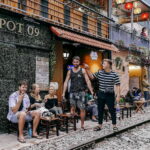
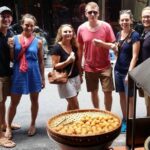
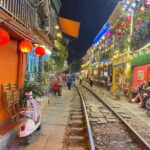
The cyclo ride and Dong Xuan market: where you start tasting Vietnamese food
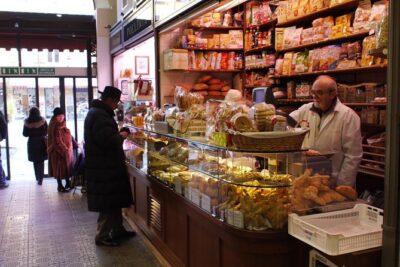
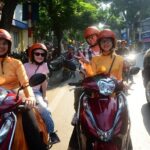
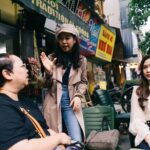
The adventure begins with a cyclo ride to Dong Xuan market. You don’t just walk in and “look around.” You’re there to pick up context—what ingredients show up in real Vietnamese meals and how street food connects to home-style cooking.
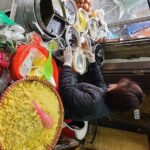
You’ll also get street food delights along the way. That part is more useful than it sounds. Tastings help you remember flavors later when you’re cooking with the herbs and seasonings you learned about. It’s much easier to plate correctly when you already know how the finished dish should taste.
Market time can be chaotic, so it helps that the ride and the plan bring structure. If you’re the type who gets overwhelmed in busy places, having a guided route (and guidance at each stop) reduces the guesswork. You’ll still see plenty, but you won’t be left to figure it all out alone.
Old City Gate area + the market circuit: Cau Dong and Thanh Ha
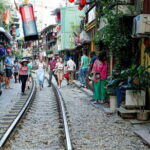
After Dong Xuan, you move through more market areas as part of a wider circuit. You’ll have opportunities to visit vivid Dong Xuan, Cầu Đồng, and Thành Hà markets. You might also notice the market rhythm in a way that makes Hanoi feel more legible—wet market energy, dry goods, and the movement of everyday trade.
One neat detail: the experience doesn’t treat these markets like a photo stop. It’s more like an ingredient map. Your host explains what things are used for and why they show up in Vietnamese dishes, especially herbs and spices.
There’s also a stop near the Old City Gate area. Even if you don’t know Hanoi geography yet, that gives you a mental anchor: you’re experiencing the city’s food culture in a real walking pattern, not in a straight-line commute.
The herb garden house: harvesting herbs is where the lesson clicks
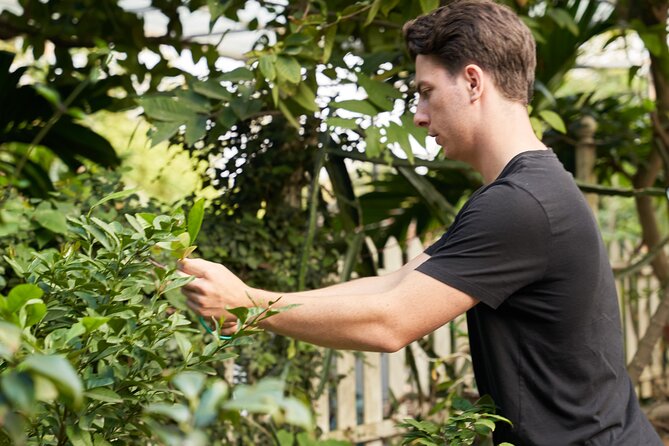
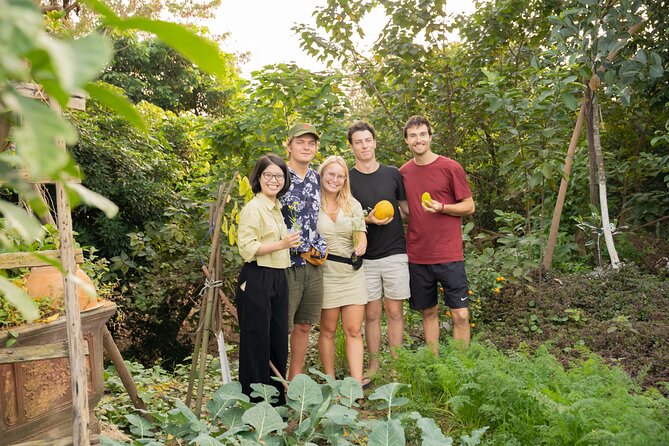
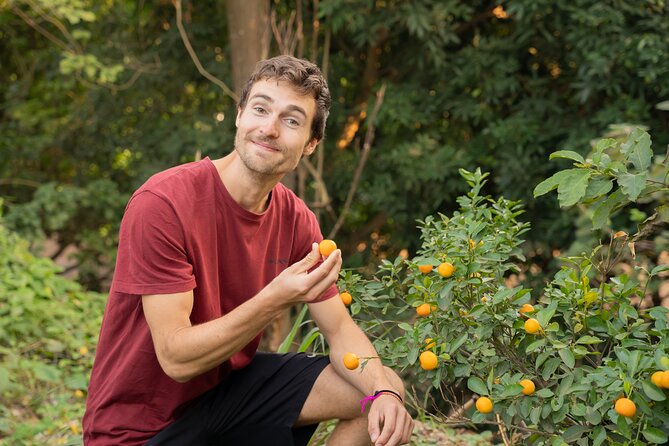
This is the part I’d call the heart of the class. Before you cook, you visit a tranquil space next to a lush herb and tropical fruit garden. You’ll harvest fresh herbs and fruit yourself, guided by your host.
That hands-on harvesting changes the whole cooking mindset. You’ll pay attention to leaf texture, fragrance, and what looks similar but acts different in a dish. In Vietnamese cooking, herbs aren’t garnish—they’re flavor building blocks. Picking them yourself makes it easier to remember which herbs are strong, which are mild, and which you should use more lightly.
You’ll also see extra details around the property, including a family worship hall and a fish pond. It’s not just scenery. It frames the garden as part of daily life and tradition, which fits the class theme of Vietnamese culinary culture and the role of herbs in everyday meals.
If you’re cooking curious, this moment is a confidence boost. Even if you don’t have knife skills yet, the “why” behind ingredients is already in your head.
Hands-on cooking: 4 authentic dishes built from scratch
The main event is straightforward: you’ll cook 4 dishes with an enthusiastic host guiding you step by step. You’ll go through the core techniques—chopping, sautéing, seasoning, and plating. That’s the sweet spot for a beginner-friendly class: you learn basic methods while working toward a finished meal you can eat right away.
What makes the teaching feel practical is the flavor framework. Your host focuses on balancing contrasting tastes and textures, and on the simple sophistication of Vietnamese cuisine. So you’re not just memorizing quantities—you’re learning how the flavors are meant to work together.
Cooking for a group of up to 8 also helps with pacing. You’re less likely to feel rushed. If you pause to ask questions, you’ll get answers without the host constantly stepping around a busy kitchen.
One small consideration: because you’re cooking multiple dishes in a 4.5-hour window, the tempo can feel lively. If you like a slow, methodical class with long breaks, this may feel a bit fast. But if you prefer “learn by doing,” it fits perfectly.



Eating etiquette and dish stories: dinner with context, not just food
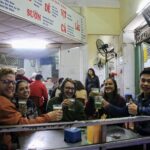
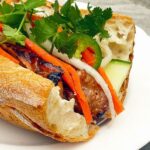
Once the cooking is done, you eat the feast together. You’ll enjoy the dishes you made, and you’ll also get homemade desserts plus herbal drinks, rice wine, and exotic fruit.
I like that the meal isn’t only about taste. You learn eating etiquette and you get dish stories—so you know what you’re eating beyond the flavor. That turns the class into cultural understanding, not just a cooking workshop.
The drinks are part of the learning experience too. Bottomless herbal drinks are included, and rice wine is part of the evening meal setup. Even if you don’t end up drinking much, seeing how the drinks are paired with dishes gives you a better sense of Vietnamese dining style.
What you’ll actually get: desserts, fruit, herbal drinks, and rice wine
This class is built around more than one snack. You’ll have street-food tastings at the markets, then during the main meal you get homemade dessert and a traditional sweet treat, plus fruit and drinks.
The drink lineup includes bottomless herbal drinks and homemade rice wine. You should expect that to be included as part of the experience flow, not a special extra you have to buy.
If you’re a soda-and-water person, this is still manageable. You’ll have non-wine options in the herbal drinks, but the key point is that alcohol is part of the program. Plan to sip calmly rather than speed through, especially if you’re sensitive or you want to stay focused for the ride back.
Pickup, return transfer, and pacing through Hanoi
Hotel pickup is offered, and you’ll be transferred back to your hotel at the end. That matters in Hanoi, where hopping between neighborhoods can eat time fast. The round-trip transportation also keeps the experience smooth, especially when you’re carrying a bag of ingredients from the market.
Total duration is about 4 hours 30 minutes. In practice, that’s a solid length for a cooking class that includes market time. You’re fed along the way, but you should still treat it like a meal-heavy evening. Plan to have a light breakfast or skip a late lunch so you don’t feel full before the cooking.
For comfort, wear shoes that handle market walking. Markets involve lots of stops and starts, and you’ll likely step on uneven ground. A light layer helps too, since Hanoi weather can shift.
Price and value: how $64.31 stacks up in Hanoi
At $64.31 per person, this isn’t the cheapest cooking class in town. But it also isn’t just paying for a recipe sheet. You’re paying for multiple blocks of value:
- Cyclo and round-trip transportation
- Market tastings and visits to multiple markets
- Garden harvesting of herbs and tropical fruit
- 4 hands-on dishes with guidance
- Bottomless herbal drinks, homemade rice wine, fruit, and desserts
The small group size (max 8) is also a big part of the value. More attention usually means better instruction and a less chaotic kitchen experience. And because you eat what you cook, the meal isn’t some separate add-on—it’s included in the experience.
One practical note: the average booking lead time is about 31 days. That’s usually a sign of demand for a small-group class. If your dates are fixed, booking earlier tends to keep your options open.
Who this class is for—and who should think twice
This fits best if you want a Vietnamese cooking class that connects directly to ingredients. You’ll likely enjoy it if you like food culture, want to understand how herbs shape flavor, and enjoy learning in a hands-on way.
It also works well for solo travelers who don’t want to be lost in markets. You get a plan, a guide, and time to ask questions. Couples may also like it because the pace is relaxed enough to chat, but structured enough to feel guided.
Think twice if you dislike market environments. Market time is part of the experience, and it’s not an optional side quest. Also, since rice wine is included, you’ll want to be comfortable with that element of the meal.
Should you book Thơm Culinary in Hanoi?
I’d book it if you want a cooking class that feels grounded in real ingredients. The combination of cyclo-to-market context plus herb garden harvesting gives you both the story and the flavor building blocks. The class also seems designed for real learning: chop, sauté, season, plate, then sit down and eat.
I’d skip it if you want a low-contact, kitchen-only experience or if you’re uncomfortable with market walking. Also, if you need a slow-paced schedule with long rest breaks, the 4.5-hour format may feel a bit full.
If you’re aiming for an authentic Hanoi food experience that’s practical and genuinely interactive, this one is a strong choice.
FAQ
How long is the Hanoi cooking class with Thơm Culinary?
It lasts about 4 hours 30 minutes.
Is hotel pickup included?
Yes. Pickup is offered, and there is also a transfer back to your hotel.
What part of the experience happens at markets?
You’ll ride to Dong Xuan market and taste street-food style delights there, plus you’ll visit other markets as part of the circuit.
Do you cook, or is it mostly watching?
It’s hands-on. You cook 4 authentic dishes with guidance, including steps like chopping, sautéing, seasoning, and plating.
Is there a chance to harvest ingredients?
Yes. You’ll visit the herb and tropical fruit garden and harvest fresh herbs and exotic fruit.
What drinks and desserts are included?
You get homemade desserts and a traditional sweet treat. Drinks include bottomless herbal drinks and homemade rice wine, plus fruit.
How big is the group?
The experience has a maximum of 8 travelers.
Is a mobile ticket provided?
Yes, a mobile ticket is included.
What is the cancellation window?
You can cancel for a full refund up to 24 hours in advance of the experience start time.