REVIEW · SOUSSE
Cook and Connect: Tunisian Culinary Adventure with a Local Family
Book on Viator →Operated by Tunisianflavor · Bookable on Viator
Cooking with a Tunisian family is personal. In Sousse, you shop the Medina market, cook the meal, and then eat it together, all in a small group. It feels like you’re getting invited into someone’s real life, not just taking a workshop.
I especially like the hands-on cooking part, where you help prepare dishes based on what you want to learn. I also like the market time with your hosts, including the way they guide you through choosing fresh ingredients in the old streets of Sousse.
One thing to consider: you’re committing to about 8 hours and some of that time is spent walking and shopping in the Medina. If you prefer a strictly seated, “no wandering” style of tour, this might feel a bit more active than you expect.
In This Review
- Key highlights you should not skip
- Sousse Medina Market: Where the day actually begins
- Picking dishes with your hosts (vegan included)
- From market to the family home: snack first, then work
- Cooking Tunisian dishes in a small group
- Eating together, then cooling down with tea and sweets
- Ramadan Special: the same idea, adjusted for break-fast
- Price and value: what $75.60 buys you in real terms
- Practical logistics that actually matter
- Who this suits best (and when you might rethink it)
- Should you book Cook and Connect in Sousse?
- FAQ
- How long is the Cook and Connect cooking course in Sousse?
- What time does the standard experience start?
- Is hotel pickup included?
- Can I choose what dishes to cook, and are vegan options available?
- What is the maximum group size?
- Is there a Ramadan special version?
Key highlights you should not skip
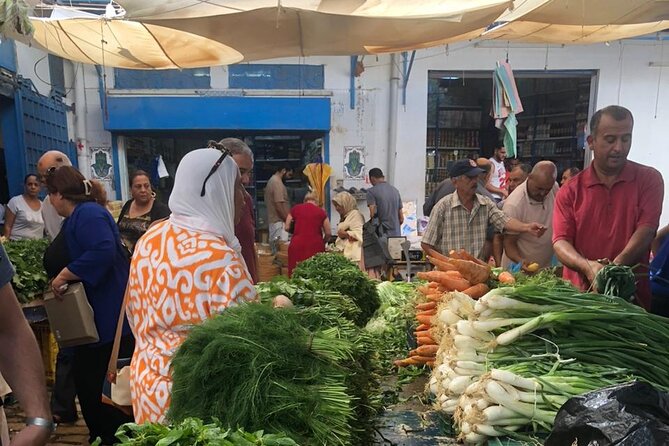
- Medina market shopping with local guidance so you know what to look for and why it matters
- Pick your own dishes (vegan-friendly options are mentioned) to match your tastes
- Small group size (max 4 travelers) for real interaction, not crowd buffering
- Cook in a family home with a professional pastry chef involved in the course
- Tea and Tunisian sweets in the garden to end the day the local way
- Ramadan special option with an afternoon start and shared break-fast timing
Sousse Medina Market: Where the day actually begins
This class starts with an in-the-morning (or afternoon, during Ramadan) rhythm that makes sense: you get out into the Medina first, before the kitchen work. In the standard schedule, pickup is from your hotel and you head to the market in the old part of Sousse, with the market visit starting right after.
That first stop matters more than it sounds. When you’re choosing ingredients in a local market, you learn what people buy for real cooking, not what looks good in a supermarket display. You also get a sense of spice culture fast—things like how ingredients smell, how vendors talk, and what feels “normal” for Tunisian home kitchens.
If you like food tours that teach by doing, this is that style. You’re not just watching. You’re making decisions with the help of your hosts, then using those choices later in your meal.
Picking dishes with your hosts (vegan included)
A big part of the experience is choosing what you want to cook. You’ll select from a list of dishes before the cooking begins, and the course is described as having options for both vegan eaters and meat lovers.
This is also where you get a nice practical benefit: you’re not sent off to pay extra for the ingredients tied to your selections. The course explains that you will not be asked to pay for anything, based on what you choose. That keeps the day from turning into surprise add-ons midstream.
The cooking itself is guided by a professional pastry chef, and the course is also described as being run personally by the providers. In practice, that usually means you’ll get more direct answers about spice choices, texture, and timing—stuff that you’d never catch if the class felt like a scripted performance.
From market to the family home: snack first, then work
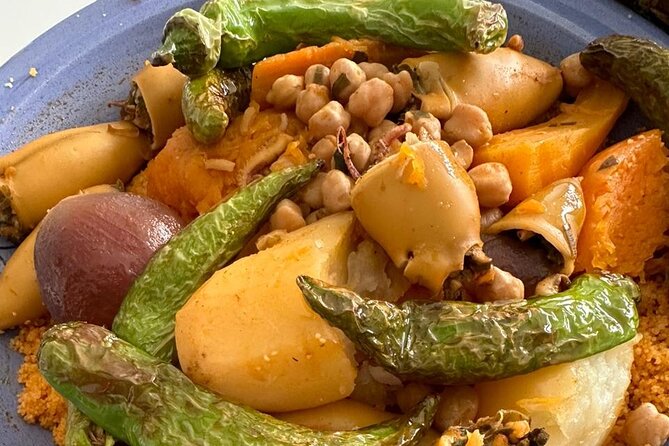
After the market, you head back to the home where the cooking happens. Before things get serious with pots and pans, you’ll have a small breakfast/snack at the house. It’s a simple step, but it’s smart—by the time you’re chopping and cooking, you’re not running on empty.
The vibe here is home-first. The course is positioned as a family cooking session, and the format is built for connection as much as food. That shows in how the day flows: shop, pause, cook, eat, relax.
In past experiences described with this tour format, hosts such as Nabil and his wife have welcomed people into the Khairallah family home. Even if your specific hosts differ, the point is consistent: you’re cooking in a real residential kitchen and eating in a shared, family-style setting, not a classroom set.
Cooking Tunisian dishes in a small group
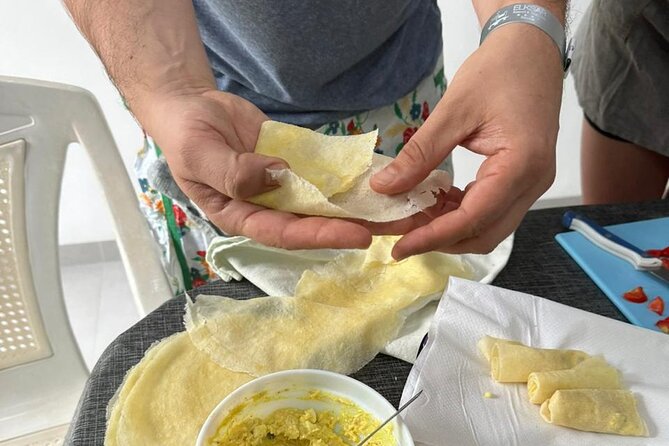
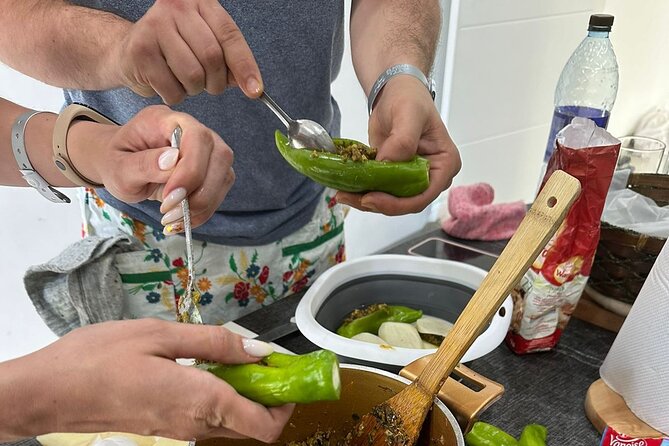
The cooking time is where the day becomes memorable. You’ll cook together and then enjoy the results as you eat. The schedule points to a long block of time at home, so this isn’t a “quick demonstration” followed by a short bite. You’ll have actual time to learn, attempt, and adjust.
Because the group is capped at 4 travelers, you’re more likely to get hands-on help. That matters for technique. Tunisian cooking often depends on timing and seasoning balance, and with a smaller group you can ask, taste, and fix things while you’re still cooking—not after the meal is already served.
You’ll also learn the role of Tunisian spices and food culture as part of the process, not just as background flavor talk. The market experience supports this: you choose ingredients that match the dishes you picked, and then you see how those ingredients behave during cooking.
And yes, the eating part is included. This course is designed for you to sit down together and enjoy what you made. That’s a big difference from lessons where the class ends right when the food hits the table.
Eating together, then cooling down with tea and sweets
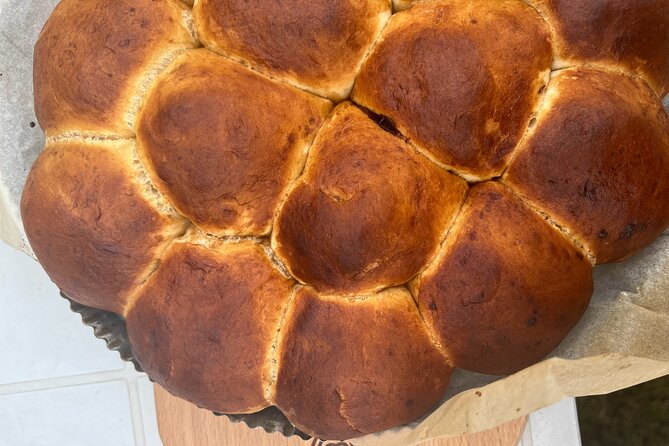
After the cooking and shared meal, the day doesn’t end with a rushed exit. The experience wraps with traditional Tunisian sweets and tea, plus a chance to relax in the garden.
This ending is more than a nice extra. It gives you a decompression moment after you’ve been focused on chopping, stirring, and tasting. You get to talk with your hosts, compare notes about what you cooked, and usually take in a few final cultural cues from how the evening snack is served.
For many food lovers, the garden + tea + sweets ending is the moment when the day feels complete. You’re not just leaving with recipes; you’re leaving with the sense of how Tunisian hospitality works at home.
Ramadan Special: the same idea, adjusted for break-fast
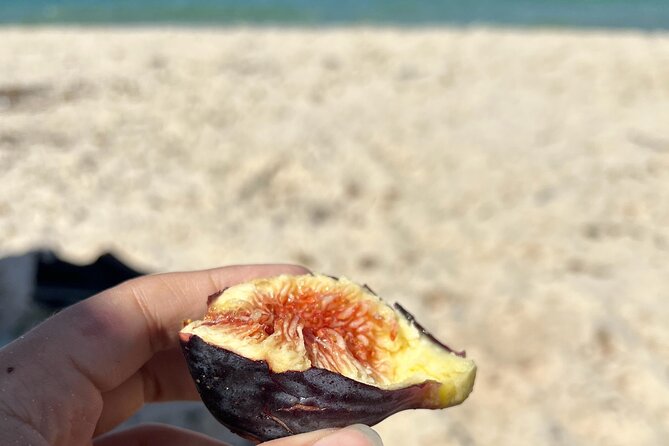
There’s a specific Ramadan version listed with dates 01.03–01.04.2025. Instead of a morning-to-afternoon run, the Ramadan timing starts with pickup at 1:30 PM, and the meal plan is built around breaking the fast together as the sun sets.
This is a meaningful difference. Ramadan hospitality often carries a different mood than a standard cooking class day. Even if the dishes you cook may overlap with the standard format, the scheduling changes the emotional tone of the experience—waiting, then sharing the meal at the right time.
If you’re visiting Sousse during Ramadan, this is one of the clearest ways to experience the holiday through food and family rhythm, rather than treating it as a sightseeing checklist.
Price and value: what $75.60 buys you in real terms
The price is listed as $75.60 per person, with pickup offered and a mobile ticket. The course also notes that it’s often booked about 30 days in advance, which is a good hint that the limited group size and personal hosting are real constraints.
So is it good value? For me, the best way to judge is what’s included versus what’s extra. Here, you’re paying for:
- market time where you select ingredients
- instruction and active cooking with your hosts
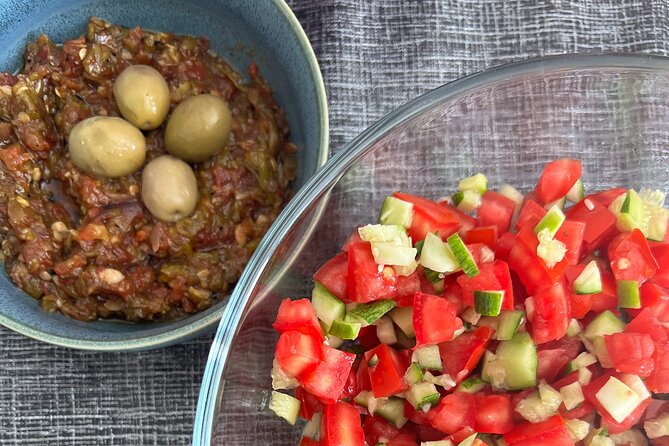
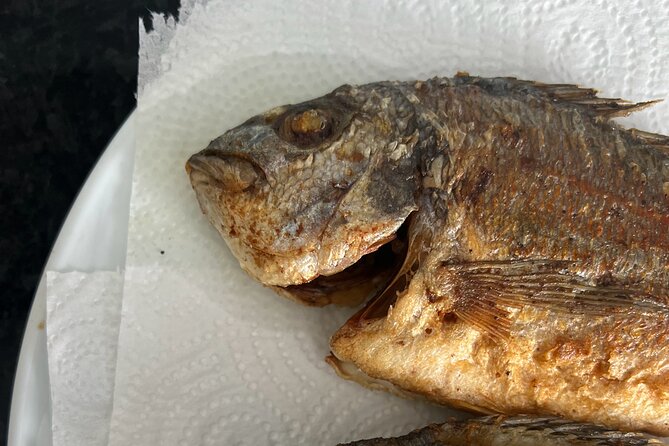
- a shared meal featuring what you made
- ending with Tunisian sweets and tea
- and a course described as guided by a professional pastry chef
Also important: the structure says you won’t be asked to pay for anything tied to your dish choices. That helps protect the overall value on the day.
Compared with bigger-group cooking demos, you’re not just buying a meal. You’re buying access to a home kitchen experience with a tight group size, which usually makes learning faster and more practical.
Practical logistics that actually matter
This isn’t a massive tour. It’s a focused, day-long experience designed around one family home in Sousse and one shared culinary plan.
A few practical points:
- Group size max is 4 travelers, so it’s ideal if you want conversation and direct help.
- Hotel pickup is offered, which keeps the day from becoming a “figure it out yourself” exercise.
- The course is described as having confirmation received at booking time, unless you book within 12 hours of travel.
- It allows service animals.
If you want to get the most out of it, plan to come with a clear idea of what you’re excited to cook. Since you choose dishes, your preferences directly shape your hands-on experience.
Who this suits best (and when you might rethink it)
This cooking course is best for people who like:
- hands-on cooking rather than watching
- a local market stop that leads into the meal
- eating with hosts and not treating dinner as a takeaway product
It also fits well for families or small groups, since the format is explicitly described as intimate and family-like.
You might reconsider if you’re short on time in Sousse, or if you strongly dislike market walking and shopping time. The day is built around the Medina first, which naturally means some wandering on foot.
If you’re a solo traveler, this kind of small-group format can be a win because you’re not getting lost in a crowd. The course is structured for everyone to cook together and sit together, which makes conversation easier.
Should you book Cook and Connect in Sousse?
I’d book it if your goal is a real Tunisian home-cooking day: market choices, cooking work, and shared meals with the people who actually host it. The combo of Medina shopping, small group size, and a garden tea-and-sweets finish makes it feel like an experience with an ending that matches the beginning.
It’s also a smart pick if you’re traveling during Ramadan and want to participate in the holiday’s food rhythm through a family-centered format with an afternoon start and shared break-fast timing.
If you want a strictly classroom-style lesson with minimal movement, this might not match your pace. But for most visitors who care about food culture, this is exactly the kind of tour that gives you more than recipes. It gives you context—how Tunisian ingredients and hospitality work together.
FAQ
How long is the Cook and Connect cooking course in Sousse?
The duration is listed as about 8 hours.
What time does the standard experience start?
The experience start time is listed as 9:30 am, with hotel pickup scheduled earlier (a pickup window of about 9:00–9:30).
Is hotel pickup included?
Yes. Pickup is offered.
Can I choose what dishes to cook, and are vegan options available?
Yes. Each participant chooses their favorite dishes from a list, and the description specifically notes options for vegan as well as meat lovers.
What is the maximum group size?
The tour/activity has a maximum of 4 travelers.
Is there a Ramadan special version?
Yes. A Ramadan Special is listed with dates 01.03–01.04.2025, starting with pickup at 1:30 PM and including breaking the fast together.