REVIEW · BARCELONA
Barcelona: Secret Food Tour
Book on GetYourGuide →Operated by Essor · Bookable on GetYourGuide
Follow the smell of Catalonia’s best bites. This 3-hour Barcelona food walk threads through Born and Barceloneta with a local guide, hitting small streets and busy tables where locals actually eat. I love the pace: 4 eateries in an intimate group, so you get time to ask questions and not just shuffle along.
My second favorite part is the food education. You start at an old-school bakery (dating back to 1849) for a typical Catalan pastry, then move to a market-style stop where you can taste Iberian ham (two types) and local cheeses (three types), with guidance on what you’re looking for. That same practical approach shows up later when you learn how to order and eat tapas like a pro.
One consideration: the ending rice dish can be a mixed bag. I saw at least one case where the final paella stop felt less satisfying than the rest, so if you’re picky about seafood rice, keep an open mind for the day’s menu options.
In This Review
- Key Highlights You’ll Feel Right Away
- Entering Born and Barceloneta by Food, Not Sights
- The First Stop: Oldest Bakery Energy and Catalan Pastry
- Market Hall Tastes: Jamón, Cheese, and How to Actually Pick a Bite
- Tapas the Local Way: Family Restaurant Bites with Wine
- Rice and Sea-Air Finish: Sangria and Paëlla or Fideuá
- The Secret Dish: Why It’s More Fun Than a Checklist
- Sunday Detours: Churros, Calçots Season, and Porrón Wine
- Price and Value: What $115 Buys in Real Food Time
- What to Bring and How to Pace Yourself
- Who This Tour Suits Best (and Who Might Want a Different Plan)
- Should You Book This Barcelona Secret Food Tour?
- FAQ
- How long is the Barcelona Secret Food Tour?
- Where does the tour start?
- Is pickup or drop-off included?
- What does the tour include?
- How many food stops will I make?
- What neighborhoods do you visit?
- What’s included for Sunday tours?
- Are there any seasonal Sunday dishes?
- What should I bring?
- Is the tour guide available in English?
- FAQ
- How long is the tour?
- Where is the meeting point?
- Is the tour in English?
- What food and drinks are included?
- Do I need comfortable shoes?
- What’s the price?
- Does the tour end where it starts?
- Is cancellation possible?
- Are starting times available?
Key Highlights You’ll Feel Right Away
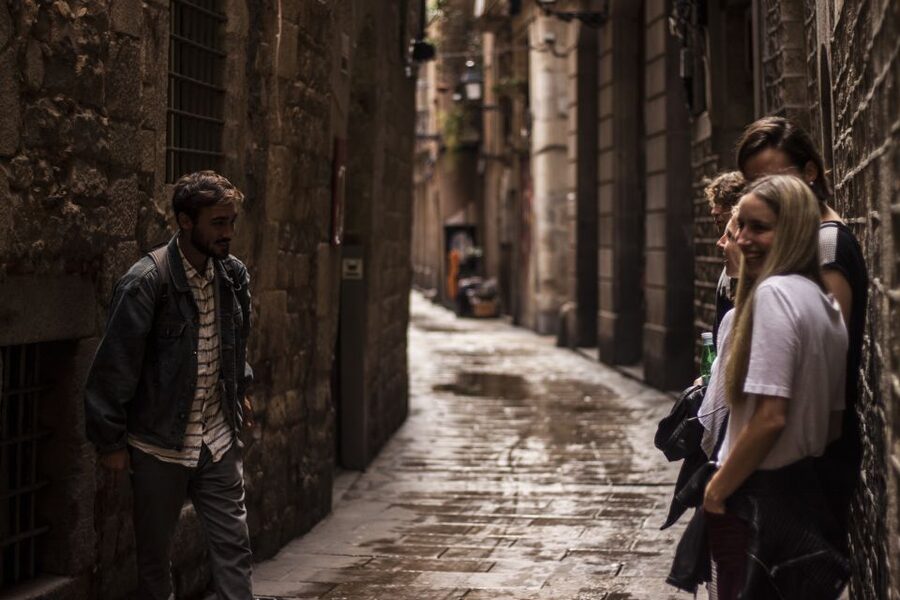
- Born-to-Barceloneta wandering through small streets and classic neighborhood vibes
- 4 carefully chosen eateries plus a tour secret dish
- Tasting lessons for jamón and cheese, not just random bites
- Tapas know-how with a family restaurant stop and Spanish wine
- Mediterranean finish with sangria and a rice dish (paella or fideuá depending on the day)
Entering Born and Barceloneta by Food, Not Sights
This tour works because it’s built around neighborhoods with real texture. You’ll start in Plaça de Ramon Berenguer el Gran, by the statue of the Big Horse, and you’ll walk from there into Born’s medieval street life and toward Barceloneta’s sea air.
You also get a practical setup for getting there fast. The meeting point is about 1 minute from Jaume 1 (L4) and around 5 minutes from Urquinaona (L1). And yes, it ends back at the same place—nice when you’re trying to plan the rest of your day without guessing distances.
The tour is listed as English with a live local guide. Most of the energy comes from the guide’s style—names that have led groups include Miguel, Brendan, Ricky, Ricardo, Jordi, Muriel, Daniella, and Andrés. The common theme is that they don’t treat food like trivia. They connect the dishes to Barcelona and Catalonia in plain language, and they keep the group moving at a human pace.
You can also read our reviews of more food & drink experiences in Barcelona

The First Stop: Oldest Bakery Energy and Catalan Pastry
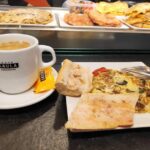
You begin before the streets really heat up—at an old bakery in Barcelona dating to 1849. This is one of those details that actually matters. When a place has been around that long, you’re tasting something that’s stayed in the rotation, not a trend that arrived last season.
What you try here is described as a typical Catalan pastry. Expect a classic, warm, bakery-scented start that feels like you’ve stepped into someone’s routine. It’s also a smart move for your stomach: you’re not bouncing from rich bite to rich bite without a foundation.
This portion is also where you’ll start picking up the tour’s rhythm. The guide uses the first tasting as a way to teach you what to notice later—texture, flavor, and what’s considered normal in this part of Catalonia.
Market Hall Tastes: Jamón, Cheese, and How to Actually Pick a Bite
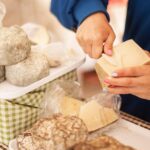
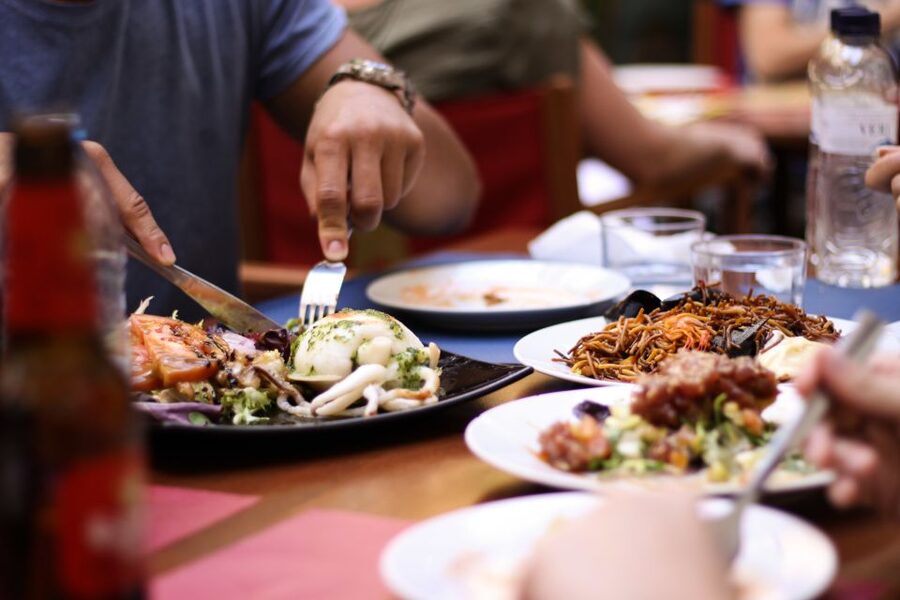
Next comes a stop tied to the local food market world, where you can taste and see the diversity of gastronomy in a way supermarket shopping never shows. The highlight here is a structured tasting that calls out specific categories: Iberian ham in two types and local cheeses in three types.
What I like about this segment is that it gives you more than samples. The guide is there to explain what you’re tasting and why there are different versions. Ham in particular is a huge part of Catalan identity, and multiple guide styles (like Miguel’s jamón stories) focus on heritage and how production and aging change the flavor.
For you, the takeaway is simple: by the time you hit tapas later, you’re already thinking like a diner. You’re not just eating; you’re comparing and learning what tastes belong together in Catalan-Spanish food logic.
Tapas the Local Way: Family Restaurant Bites with Wine
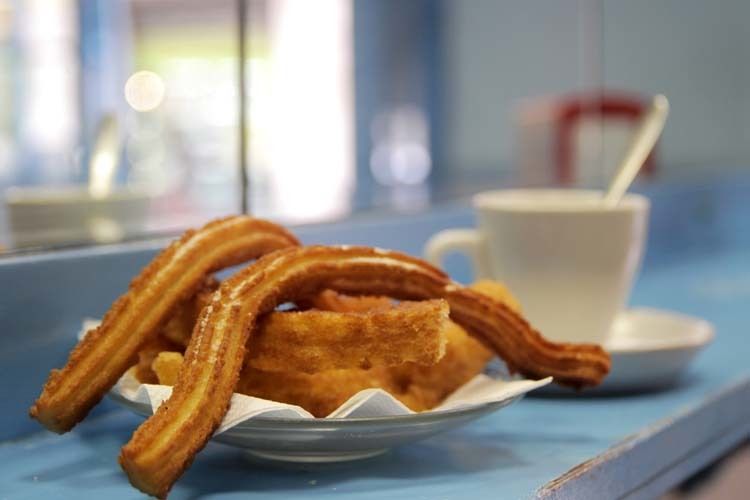
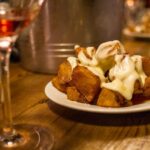
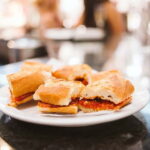
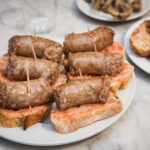
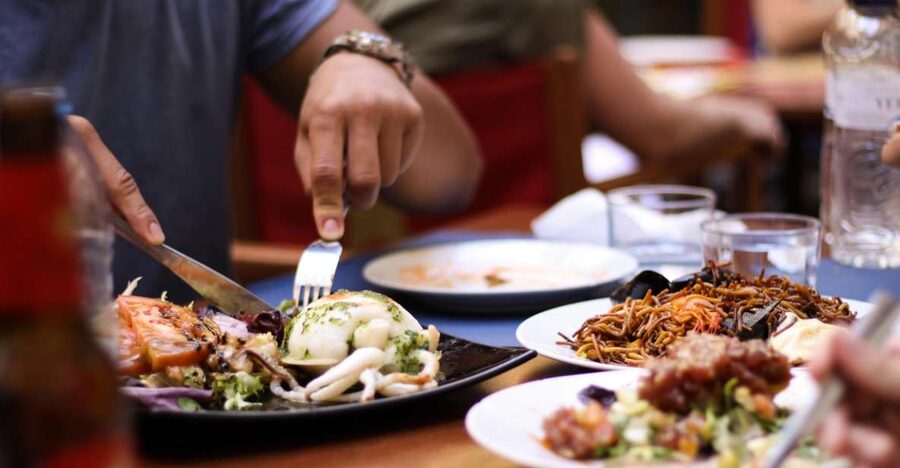
After the market-style stop, the tour shifts gears into a real, busy place—described as a family restaurant environment where you should expect an energetic dining scene. You’ll learn the basics of properly ordering and eating tapas, then taste delicious examples paired with wine.
This is one of those “small” parts of the tour that pays off big later. If you’ve ever walked into a tapas bar unsure how to order without slowing everyone down, this is your practice run. You’ll get a feel for how tapas work as an actual meal format—more of a system than a menu of random plates.
Also, this is where the guide matters most. The best moments happen when the guide explains what people order and how portions typically behave—so you can avoid the tourist trap of ordering too little, too much, or the wrong mix.
Rice and Sea-Air Finish: Sangria and Paëlla or Fideuá
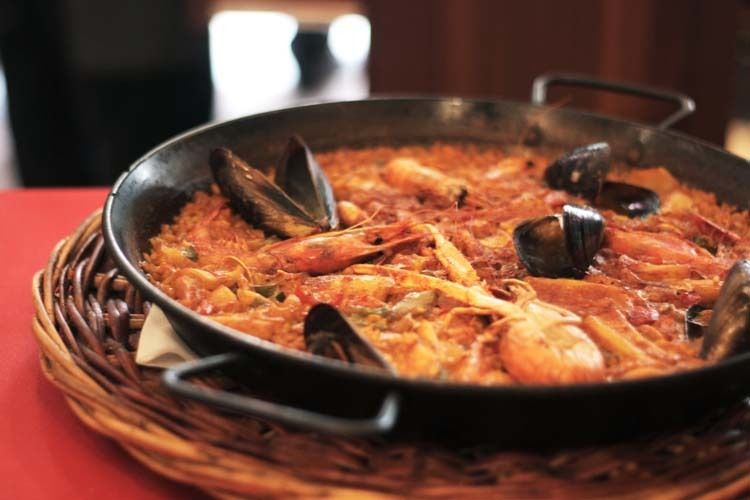
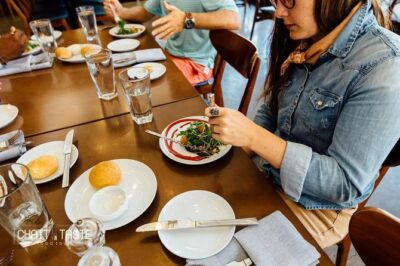
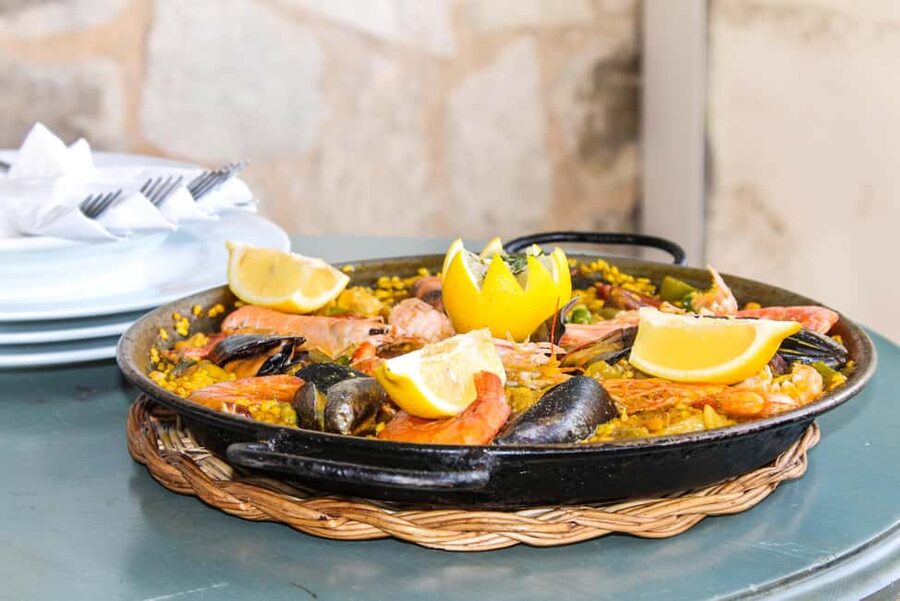
As you move closer to the Mediterranean, the tour sets up the kind of stop that feels designed for a memory. You’ll sit around a table, drink fresh sangria, and try an authentic rice dish in a picturesque setting.
The menu described for the standard flow mentions paëlla, while the Sunday-specific menu includes fideuá (noodle paella) with creamy alioli by the Mediterranean. Same overall idea—Catalan coastal comfort food—but with a different twist depending on the day.
Now, about that earlier paella caution: one experience flagged the last rice dish as less impressive than the preceding stops. I don’t think that means the tour is bad. It just means you should treat the earlier tastings—bakery, ham/cheese, tapas—as the heart of the value. If the final rice dish hits, great. If it doesn’t, you’ll still have a lot of excellent food in your back pocket.
A few more Barcelona tours and experiences worth a look

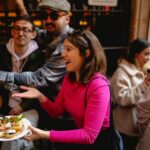
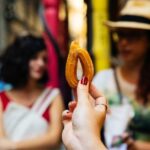
The Secret Dish: Why It’s More Fun Than a Checklist
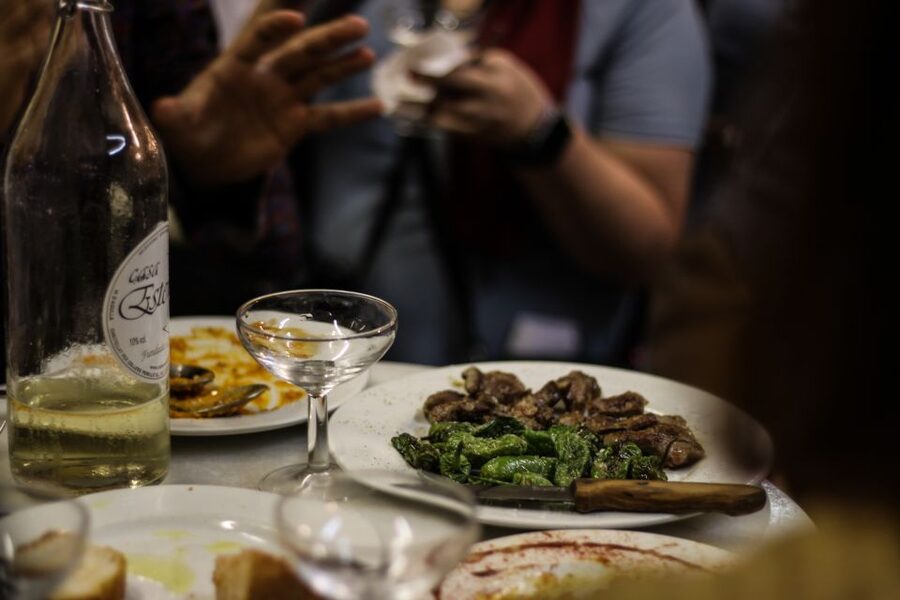
Many food tours read like a menu list. This one adds a little suspense: there’s a Secret Dish included as part of the experience.
That matters because it keeps you present. You’re not mentally checking off stops while your hands hold the next bite. The secret dish also helps the tour feel less copy-paste across days, especially since the Sunday menu is explicitly different.
If you’re the type who likes spontaneity but still wants structure, the secret dish is the best middle ground.
Sunday Detours: Churros, Calçots Season, and Porrón Wine
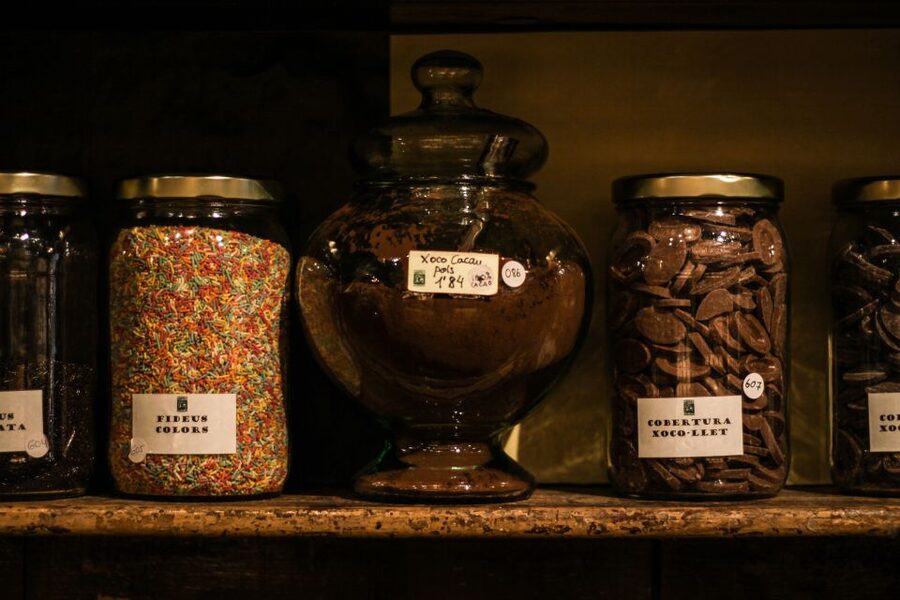
If you book for Sunday, you’re told the menu will be slightly different. Instead of the regular flow, Sunday includes seasonal and traditional family Sunday dishes and venues—so plan for a different food story.
The Sunday-style highlights described include:
- A start with warm, crispy churros and rich hot chocolate
- A cozy Catalan pastry shop stop with fresh-baked aroma
- A lively family restaurant for tapas with Spanish wine
- A Mediterranean table for sangria and fideuá with creamy alioli
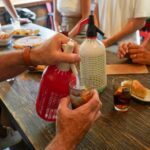
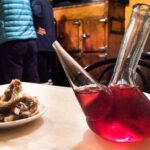
- And on certain Sundays, a full Catalan Sunday feast with smoky calçots, hearty stew, and wine served from a porrón
The calçots detail is seasonal—available January to March only—and it comes with instructions like gloves and a bib for the full effect. That’s not just theater. Calçots are the kind of food you eat mess-first, then laugh about it while your tablemates react like you just discovered fire.
Price and Value: What $115 Buys in Real Food Time
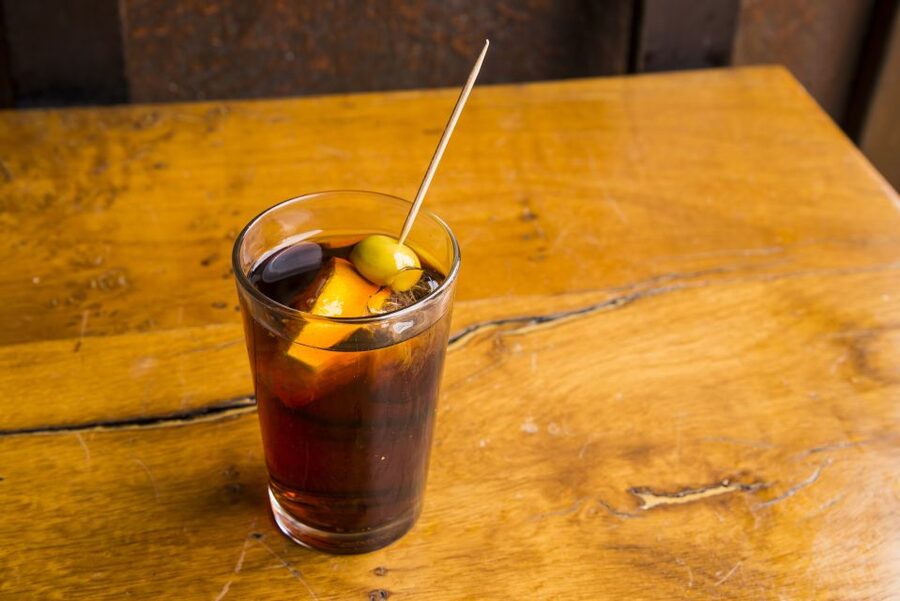
At about $115 per person for roughly 3 hours, you’re paying for more than walking and narration. The big value anchors are:
- Food and drinks included
- A live local guide
- Multiple tastings across 4 eateries
- A structured learning component (ham/cheese and tapas ordering)
If you tried to replicate this on your own, you’d likely spend similar money just on meals and drinks—plus you’d still have to figure out where to go and what to order. Here, the guide reduces that guesswork. You get direction, pacing, and a planned variety of tastes that cover several Catalan corners: bakery culture, market flavors, tapas mechanics, and coastal rice-and-sangria dining.
One more small but real value point: the tour notes you can skip the ticket line. Even when the food stops don’t involve formal tickets, that kind of time-saving matters when you’re on a timed vacation day.
What to Bring and How to Pace Yourself
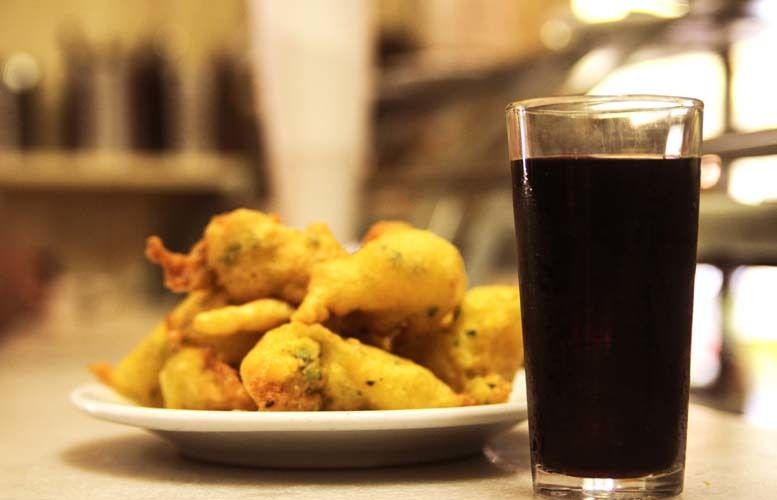
Bring comfortable shoes. You’re walking small streets, and this is a 3-hour experience, so you’ll want your feet ready.
Also, plan your day around the food schedule. This tour is heavy enough that it can turn your next meal into a “light bite” instead of another big sit-down. If you have dinner plans, consider moving them later or choosing something simpler after the tour.
If you’re sensitive to alcohol, note that the tour includes wine, sangria, and sometimes porrrón in the described Sunday feast. The data doesn’t specify substitute options, so it’s worth thinking ahead about how you want to handle it.
Who This Tour Suits Best (and Who Might Want a Different Plan)
This is a great fit if you:
- Want a hands-on food experience rather than a museum-style tour
- Like learning how to order and eat tapas, not just eating them
- Are excited about Born and Barceloneta as food neighborhoods
- Prefer a small, guided group format where you can ask questions
It may not be ideal if:
- You hate walking (it’s a 3-hour strolling tour through small streets)
- You’re only interested in one specific dish, like paella, since the final rice stop can vary and may not satisfy everyone
- You want a rigid schedule with zero menu variation, since Sunday menus and seasonal dishes like calçots are explicitly different
Should You Book This Barcelona Secret Food Tour?
I’d book it if your goal is a low-stress, high-flavor Barcelona day. The strongest parts are the tasting education—jamón and cheese with real explanations—and the tapas stop where you learn how to order like you belong. The Mediterranean finish is a bonus that often delivers the classic Barcelona feeling, even if the paella end result can be hit-or-miss for some.
One practical note: the tour is run by Essor, and the experience is led by English-speaking guides who have included people like Miguel and Brendan. That guide variety shows up in the feedback as energy, flexibility, and a real effort to connect with the group.
If you’re deciding between this and a self-guided food crawl, I’d choose this. You’ll spend less time hunting and more time eating with purpose. And if your plans shift, it’s offered with free cancellation up to 24 hours in advance and reserve now, pay later options—helpful when you’re juggling a few moving pieces in Barcelona.
FAQ
How long is the Barcelona Secret Food Tour?
It lasts about 3 hours.
Where does the tour start?
You meet in the middle of Plaça de Ramon Berenguer el Gran, by the statue of the Big Horse with an orange umbrella.
Is pickup or drop-off included?
No, pickup and drop-off are not included.
What does the tour include?
Food and drinks are included, along with a local guide.
How many food stops will I make?
The tour includes stops at 4 eateries in an intimate small group, plus a Secret Dish.
What neighborhoods do you visit?
You spend time in the Born and Barceloneta districts.
What’s included for Sunday tours?
Sunday menus are slightly different from other days and include seasonal and traditional family Sunday dishes and venues.
Are there any seasonal Sunday dishes?
Smoky calçots with a porrrón wine experience are available January to March only.
What should I bring?
Wear comfortable shoes.
Is the tour guide available in English?
Yes, the live tour guide is listed as English.
FAQ
How long is the tour?
It’s listed as 3 hours.
Where is the meeting point?
Plaça de Ramon Berenguer el Gran, at the Big Horse statue with an orange umbrella.
Is the tour in English?
Yes, it’s an English live tour guide.
What food and drinks are included?
Food and drinks are included, including items like Catalan pastry, tapas with Spanish wine, and sangria (and a rice dish such as paëlla or fideuá depending on the day).
Do I need comfortable shoes?
Yes—comfortable shoes are recommended.
What’s the price?
The price is listed as $115 per person.
Does the tour end where it starts?
Yes, it ends back at the meeting point.
Is cancellation possible?
You can cancel up to 24 hours in advance for a full refund.
Are starting times available?
Starting times depend on availability for the 3-hour duration.