REVIEW · BARCELONA
Barcelona: Private Food Tour – 10 Tastings with Locals
Book on GetYourGuide →Operated by Withlocals · Bookable on GetYourGuide
Ten tastes, one smart route, and a local guide. This private Barcelona food tour is interesting because it mixes Catalan eating with real neighborhood walking, so you don’t just “eat in restaurants” all morning. I especially like the mix of classic bites (pintxos and churros with chocolate) and the way the guide threads in city context while you’re moving. One thing to consider: it’s not a sit-down, low-walk tour, and it isn’t suitable for wheelchair users or people with mobility impairments.
You meet your guide at Casa Bruno Cuadros and spend about three hours going stop to stop with 10 food-and-drink tastings. It’s English-led and private, with vegetarian options if you ask at the start. On Sundays, markets are closed, so you’ll visit alternative venues instead.
In This Review
- Key things to know before you go
- Barcelona Private Food Tour: Why this format works
- Price and value: what $193 buys you in real terms
- Meeting at Casa Bruno Cuadros: pace, shoes, and how to start strong
- The 10 tastings: pintxos, churros with chocolate, and Catalonia by bite
- Hospital de Santa Creu: why a landmark stop belongs in a food tour
- Comte Borrell: a neighborhood-feel moment between bites
- Santa María del Pi: ending with a sense of place
- Drinks and pacing: how the tour keeps you from crashing
- Vegetarians, first-day nerves, and what to tell your guide
- Who this tour suits (and who might not)
- How to get the most out of it
- Should you book this Barcelona food tour?
- FAQ
- How long is the Barcelona private food tour?
- What’s included in the price?
- Where do I meet the guide?
- Is the tour suitable for vegetarians?
- Is the tour guided in English?
- Is this tour wheelchair accessible?
- What happens if I’m booking for a Sunday?
- Is hotel pickup and drop-off included?
Key things to know before you go
- 10 tastings in 3 hours: you’ll eat enough that this can feel like a full meal plus drinks
- Catalan classics and local drinks: pintxos, churros and chocolate, with options that often include vermouth and wine
- Food with city context: you stop at landmarks like Hospital de Santa Creu and Santa María del Pi, not just storefronts
- Guides make the difference: people like Krisztina, Ivana, and Laura get praised for friendly, detailed guiding and off-the-main-street choices
- Vegetarian alternatives available: tell your guide at the beginning and the menu adapts
- Comfortable shoes matter: expect walking, and the tour isn’t built for mobility needs
Barcelona Private Food Tour: Why this format works
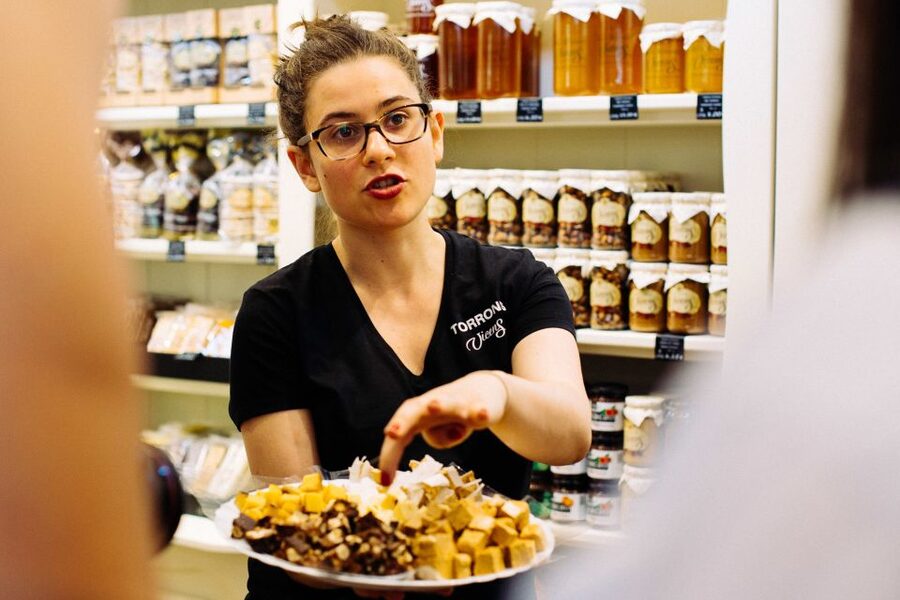
Barcelona is famous for food, but the city can also feel like a food theme park if you stick to the main drag. This tour works because it’s built around tastings and then uses walking to connect those bites to actual places in the city. You get the fun part—eating—and you also get the “why” behind what you’re eating, from a local guide in real-world surroundings.
I also like that the tour doesn’t promise one style of food. You get a spread: savory first, then sweet, plus drinks. That order matters because it keeps your palate moving instead of repeating the same flavor for three hours.
The private setup is the other big reason the experience tends to land well. When the group is small, your guide can adjust pacing and answers on the fly. Based on past guide highlights like Alessandro, Sebastian, Maria, and Marit, that’s where you see the difference: conversations get practical, not scripted.
You can also read our reviews of more food & drink experiences in Barcelona

Price and value: what $193 buys you in real terms
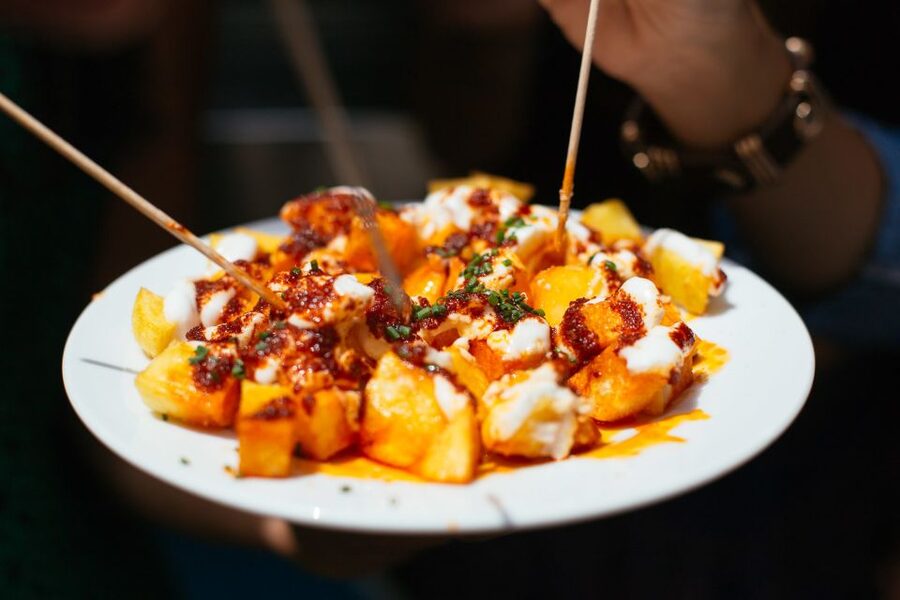
At $193 per person for a 3-hour private tour, you should compare it to both a restaurant meal and a guided experience. If you priced it out on your own, 10 tastings plus drinks usually costs far more than you’d expect—especially in central Barcelona where portions at tourist spots can be overpriced and repetitive.
What you’re really paying for is:
- 10 guided tastings (not just one or two stops)
- a guide who handles the “what is it, how to eat it, and why locals choose it” part
- a route that mixes eating with sight stops so you leave with memories, not just receipts
Is it a bargain? It depends on how you travel. If you’re the type who can happily eat your way through a long lunch, this can feel like a strong use of time. If you prefer to wander on your own and only want one or two bites, you might feel the price is heavier than the reward. But if you want structure and local choices, the format holds up.
Meeting at Casa Bruno Cuadros: pace, shoes, and how to start strong
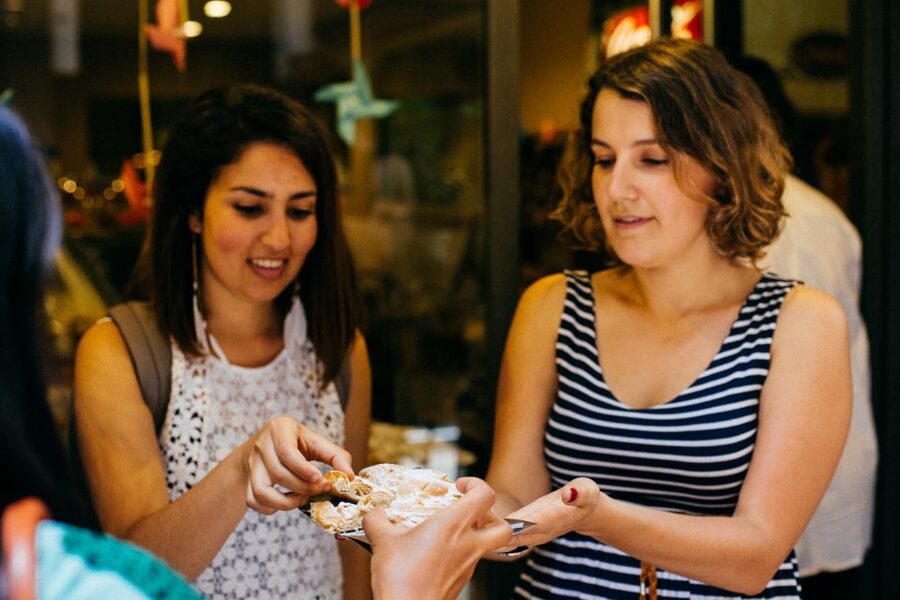
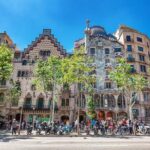
You’ll meet your guide in front of Casa Bruno Cuadros. Since hotel pickup and drop-off aren’t included, treat this like a true walking tour day: plan to arrive a few minutes early and comfortable shoes are not optional.
Pace-wise, it’s not a “quick bite then sit” plan. You’re moving between tastings and landmark stops, and one review note about lots of walking matches the general feel. If you hate walking, bring layers and water, and consider eating a light breakfast so you’re ready for tasting number one without feeling stuffed too early.
The private group also changes the start. You’re more likely to get a quick adjustment to your pace, and that’s where guides like Luci and Laura have been praised—high energy and friendly interaction, with a route that feels like it’s tailored to the group’s mood.
The 10 tastings: pintxos, churros with chocolate, and Catalonia by bite
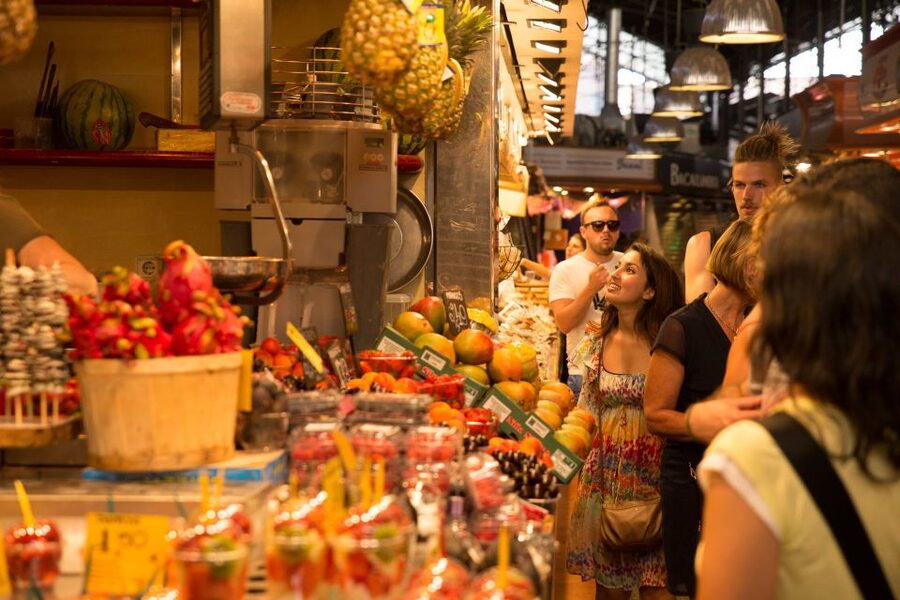
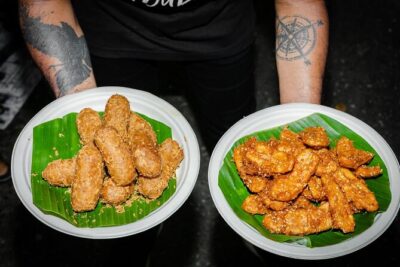
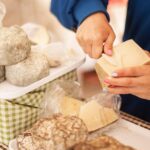
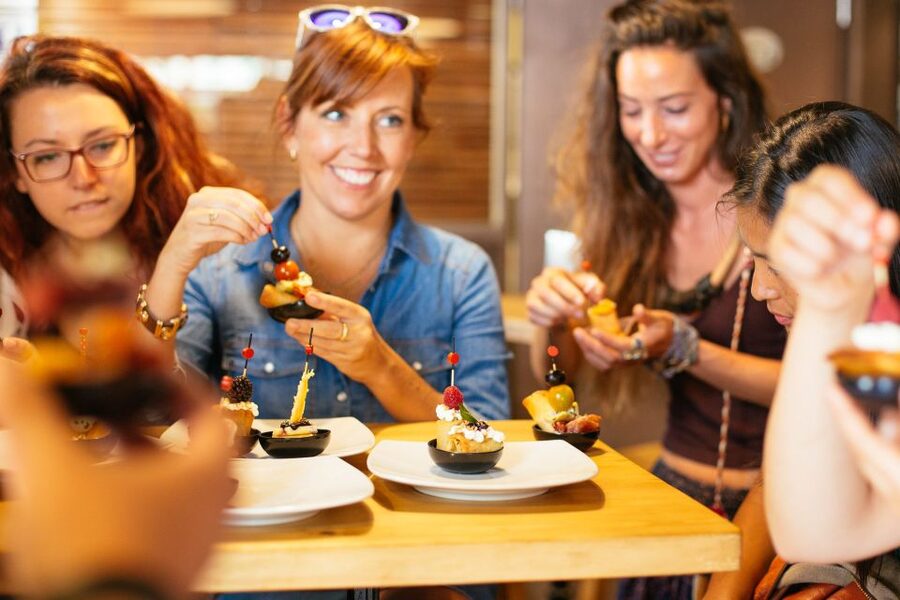
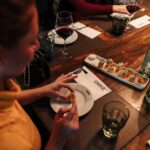
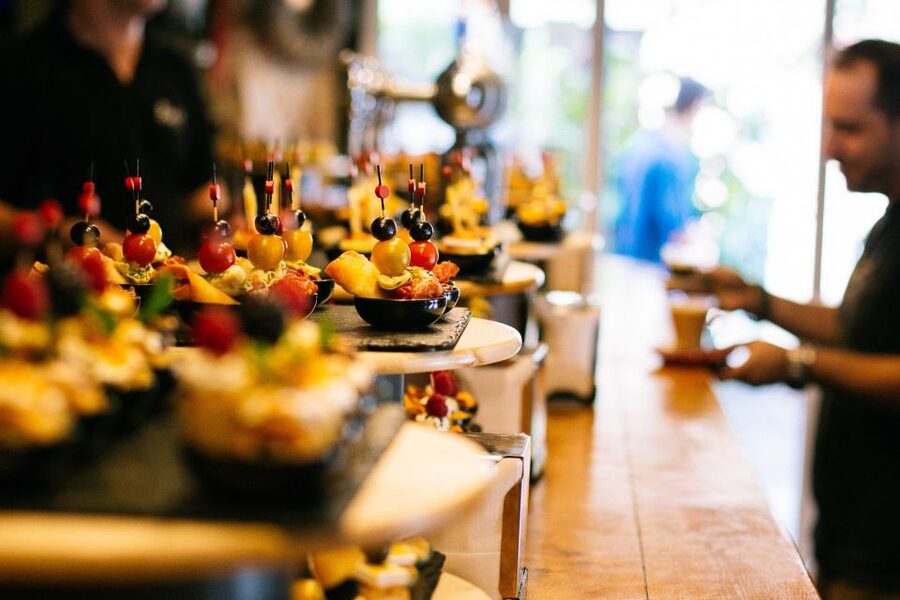
The headline is simple: you’ll try 10 food and drink tastings across the Catalan scene, with savory, sweet, and local beverages. The exact lineup can vary, but the tour is built to hit familiar favorites and serve them in an authentic way.
Here are the categories you can count on:
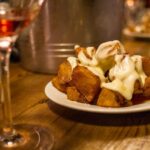
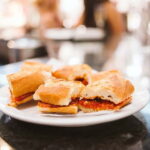
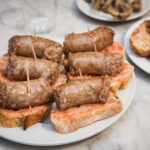
- Pintxos: classic small bites you eat at bar-style places
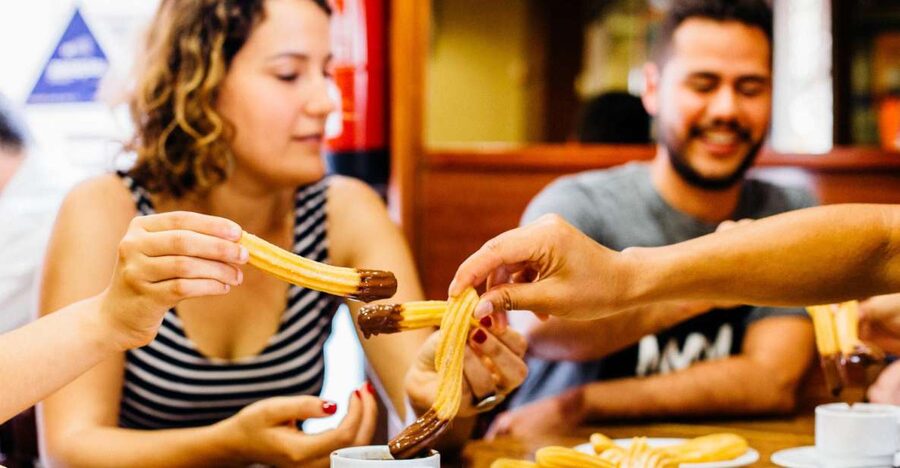
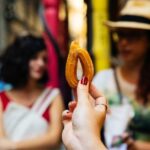
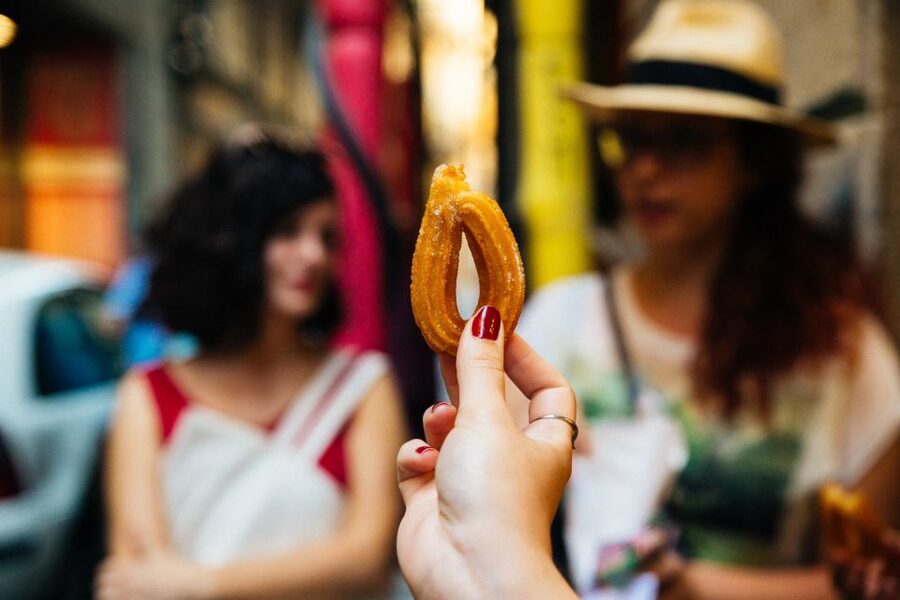
- Churros and chocolate: a sweet classic that’s best eaten fresh
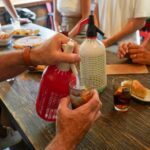
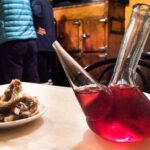
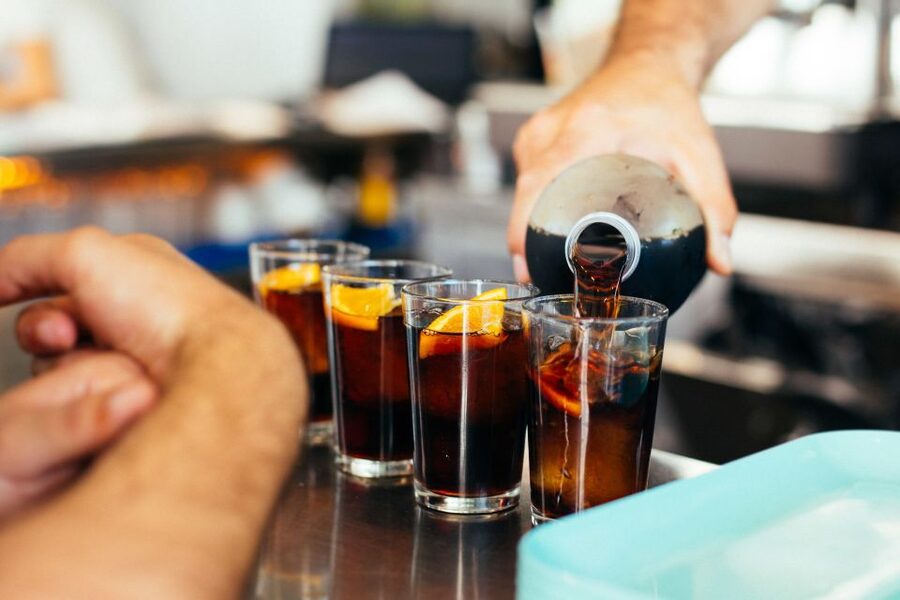
- Local drinks: past guides have included options like vermouth and wine in the tasting mix
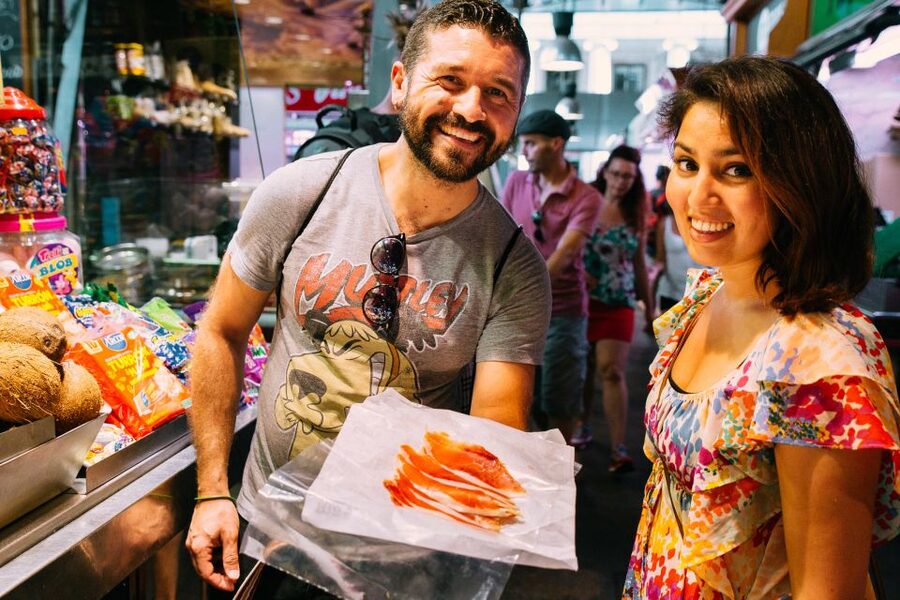
- Savory regional bites: one highlight mentioned Manchego with ham, which gives you a good example of how the tour often blends flavors
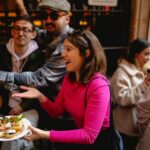
The value of the tastings isn’t only taste. It’s learning how Barcelonans actually eat: you’ll see how a place serves, how locals order, and how a guide explains what makes a bite worth repeating. That’s also why many people love the guide personalities—Alessandro and Ivana are singled out for being friendly and for turning food stops into smooth conversations.
If you have a vegetarian diet, this tour can work well. You just need to tell the guide at the beginning so the menu can be adapted.
Hospital de Santa Creu: why a landmark stop belongs in a food tour
One of the central anchor stops is Hospital de Santa Creu. Even if you’re not there for a museum-style visit, it matters because it keeps the tour rooted in real Barcelona, not just a string of menus.
This is the part of the day that helps you connect the dots. When the guide talks about the history and cultural relevance of a location, the story becomes more than trivia. You start understanding why certain neighborhoods and food traditions feel the way they do today.
A good tour in Barcelona should do two things at once: feed you and help you read the city. Hospital de Santa Creu is the kind of stop that supports that second goal.
A few more Barcelona tours and experiences worth a look
Comte Borrell: a neighborhood-feel moment between bites
You’ll also stop at Comte Borrell. Think of it as a shift in scenery—another neighborhood marker that gives the tour variety while keeping the walking route cohesive.
Food tours can go wrong when every stop feels like the same kind of bar in the same kind of street. Comte Borrell helps break that pattern. It gives you a sense of how Barcelona distributes daily life across areas, not just the classic “tourist highlights.”
And because the guide fills the gaps with local context, this stop tends to land well with people who want more than eating. One review praised a guide for packing in history, culture, and current events into discussions that flowed naturally—this kind of stop helps make those conversations feel tied to what you’re seeing.
Santa María del Pi: ending with a sense of place
Another listed highlight is Santa María del Pi. Stops like this often feel like the closing scene of the tour—when your taste memories start mixing with visual memories.
A common theme in the best guides’ feedback is that they take you off the main tourist lanes. Santa María del Pi supports that goal because it helps you experience a working Barcelona neighborhood vibe rather than only big-ticket sightseeing.
By the time you reach this area, you’ve usually already tasted your way through classics, sweet moments, and drinks. That’s where the “local culture” promise becomes real: you’ve eaten, you’ve walked, and now you can look around and recognize the city as something you can return to on your own later.
Drinks and pacing: how the tour keeps you from crashing
Food tours fail when they overdo either speed or alcohol. This one is built around 10 tastings, not a marathon. That helps keep the pacing manageable for most people, especially since the tastings are spread across the route and you’re constantly walking and refocusing your palate.
You’ll likely include local drink options such as vermouth or wine based on guide selections mentioned in real reviews. The practical tip here: pace your sips and don’t treat every drink like a shot. If you want to enjoy the explanations from your guide, stay sharp enough to listen and ask questions.
Also, come ready to eat. One review specifically called out that the guide made sure the group got enough food for the value. That matches what you should expect from a tour designed around 10 tastings rather than a token sampling.
Vegetarians, first-day nerves, and what to tell your guide
If you eat vegetarian, you’re not stuck guessing. The tour offers vegetarian alternatives, and you just need to tell your guide at the start. Since the menu is adapted, it’s worth clarifying any strict needs early rather than hoping for options later.
If it’s your first day in Barcelona, this tour is a strong choice because it gives you immediate structure. You’ll get food wins plus a handful of landmark anchors so you know where you are as the rest of the trip unfolds. One guide highlight praised how the route took people off the main tourist areas while still showing major city flavor, which is exactly what you want when you’re still orienting.
Who this tour suits (and who might not)
This is best for:
- food lovers who want 10 tastings in a guided route
- couples, friends, or small groups who prefer a private experience
- people who like history and context when it’s tied to what they eat
It’s not the right fit for:
- people with mobility impairments or wheelchair users, since the tour isn’t suitable for those needs
- anyone who wants a mostly seated experience
If you’re prone to getting overwhelmed by too much walking plus too many stops, you’ll want to go in with a plan. Wear comfortable shoes, eat lightly beforehand, and pace your drinks.
How to get the most out of it
A few practical moves can make the tour feel smoother:
- Bring comfortable shoes and wear something you can walk in for three hours
- If you have dietary needs, mention them at the start so the guide can adapt the menu
- Come hungry enough for 10 tastings, but not so hungry that you rush and miss the explanations
- Ask your guide questions about what you’re tasting and where locals go for similar bites
One of the best parts, judging by guides like Maria, Bianca, and Marit, is that you’re not just receiving facts. You’re getting a lived-in perspective, from architecture and everyday habits to how people talk about food and neighborhoods.
Should you book this Barcelona food tour?
Book it if you want a private, high-taste-value Barcelona experience that blends classic Catalan eating with landmark stops. The $193 price makes sense when you focus on what you’re getting: 10 tastings plus drinks, a local guide, and a route designed to show you real city atmosphere in a short window.
Skip it if you need a low-walking pace, or if you only want one or two food stops and prefer total freedom. And if you’re going on a Sunday, remember markets are closed, so the vibe may shift to alternative venues.
If you’re aiming to eat well and learn the city at the same time, this tour is a solid way to do both without turning your day into a frantic search for the next good bite.
FAQ
How long is the Barcelona private food tour?
The tour lasts 3 hours.
What’s included in the price?
You get a local guide and 10 food and drink tastings on a private group tour.
Where do I meet the guide?
Meet your guide in front of Casa Bruno Cuadros.
Is the tour suitable for vegetarians?
Yes. The tour offers vegetarian alternatives if you tell your local guide at the beginning, and the menu will be adapted.
Is the tour guided in English?
Yes, it’s guided by a live tour guide in English.
Is this tour wheelchair accessible?
No. It’s not suitable for wheelchair users or people with mobility impairments.
What happens if I’m booking for a Sunday?
On Sundays, markets are closed, and the guide will visit alternative venues.
Is hotel pickup and drop-off included?
No. Hotel pickup & drop-off isn’t included, so you’ll need to get yourself to the meeting point at Casa Bruno Cuadros.