REVIEW · BARCELONA
Barcelona Gracia Neighborhood Local Food & History Tour
Book on Viator →Operated by Devour Barcelona Food Tours · Bookable on Viator
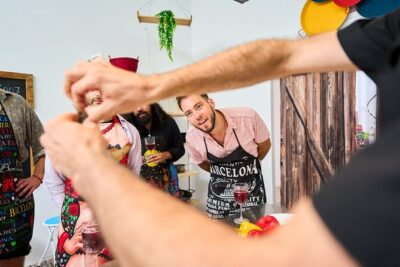
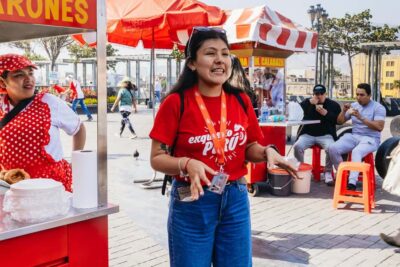
Gracia has a way of feeding you fast. This small-group tour mixes local tastings with street-level history as you walk through the neighborhood locals actually use.
I love that you get 12+ food tastes that add up to real breakfast and lunch, not “one bite and done.” I also like how the guide connects what you’re eating to Catalonia stories, including Catalan independence along the way.
One thing to consider: the tour is meat-heavy, and while vegetarians and gluten-free guests can be accommodated, you may not get a replacement at every stop. Also, some major sights are shown from outside, since admission tickets aren’t included.
In This Review
- Key takeaways before you go
- Why Gracia is the food neighborhood to visit on a Barcelona morning
- Price and timing: what you really get for $103.34
- Starting with Gaudí’s early leap: Casa Vicens to classic Gràcia pastry
- Cal Pep and the Catalan vermouth lesson
- Placa de la Virreina and the Mustafa’s Syrian pastry payoff
- A quick snack stop through Gràcia’s food shops
- Mercat de la Llibertat: aperitivo in a historic modernist market
- Bar Roure lunch: Catalan tapas with wine or beer
- From Hotel Casa Fuster to La Pedrera: ending with Gaudí’s big statement
- Drinks and tastings: what the food actually adds up to
- The guide matters: what to expect from an English-speaking team
- Dietary needs: what you can manage and what you should ask
- Walking reality check: comfort, pace, and mobility support
- Should you book the Barcelona Gracia Local Food & History Tour?
- FAQ
- What time does the tour start, and how long is it?
- How many people are in the group?
- What’s included in the price?
- Is admission to Casa Vicens or Casa Milà included?
- Can the tour accommodate vegetarian or gluten-free needs?
- Is the tour in English, and is it suitable for mobility needs?
Key takeaways before you go
- Small group size (12 or fewer) means you’re not shouting over a crowd, and questions actually get answered.
- 12+ tastes plus drinks are built to fill you up for a morning outing.
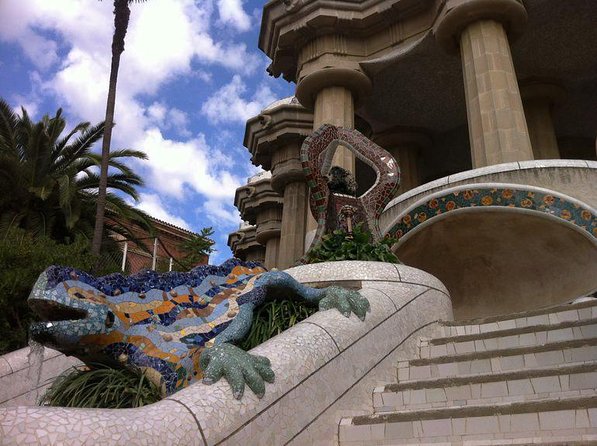
- Gaudí sightings from the outside (Casa Vicens and Casa Milà) tie food to the neighborhood’s architectural story.
- Vermouth + cava stops show how Catalonia drinks, not just what you can drink.
- Mustafa’s Syrian bakery pastries are part of the plan, including food you can take away.
- Modernist Gràcia market energy comes through at Mercat de la Llibertat, where aperitivo is part of the culture.
Why Gracia is the food neighborhood to visit on a Barcelona morning
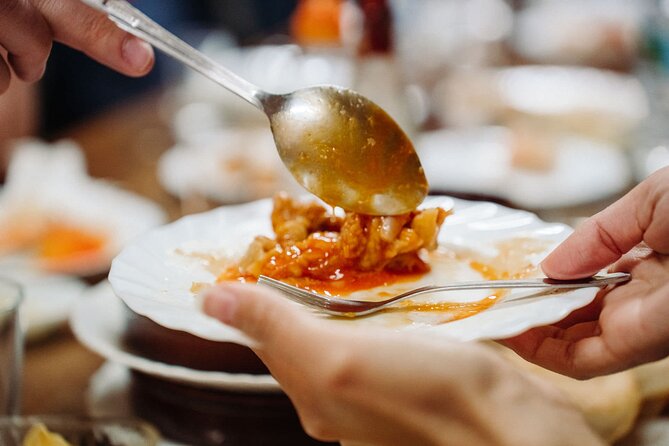
If you want Barcelona without the constant tourist shuffle, Gràcia is the move. This tour starts in Gràcia and keeps you moving through streets, squares, and local shops where the day-to-day rhythm is the point. You’ll meet at Farmàcia Les Carolines on Carrer de les Carolines at 10:00 am, then spend about 3 hours 30 minutes walking at a moderate pace.
What makes this itinerary work is that it’s not just “taste here, taste there.” Each stop is placed so you learn the neighborhood’s character while you eat. You get the feel of how people gather: at bakeries before things get busy, at bodegas for vermouth, and at markets for aperitivo.
You can also read our reviews of more food & drink experiences in Barcelona

Price and timing: what you really get for $103.34
At $103.34 per person, this tour sits in the “guided experience” range rather than the “cheap snack crawl” lane. The value comes from the number of tasting moments and the fact that you’re not just collecting bites—you’re getting enough food to function like a late breakfast plus lunch.
You’re also paying for an English-speaking guide who links food to local context. With a maximum of 12 travelers, it’s easier to notice details (and harder for the group to feel like a conga line). Plus, the tour’s built around classic places that have been serving the neighborhood for decades—like a pastry shop in the same family for generations since 1916, and a bodega that’s been a staple since 1939.
One practical note: the tour is often booked about 28 days in advance. If you’re traveling in busy weeks, don’t wait for the last minute.
Starting with Gaudí’s early leap: Casa Vicens to classic Gràcia pastry
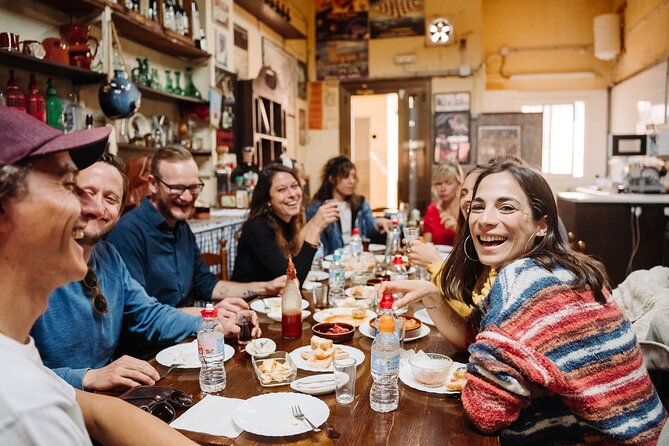
Your tour kicks off outside Casa Vicens, Gaudí’s early modernist work. You’ll get about 15 minutes here, and admission isn’t included. That matters because it sets expectations: you’re coming away with the design story and street-level context, not a full interior museum visit. If you want to go inside, you’ll need to plan that separately.
From there, you hit a bakery stop—10 minutes—that’s been open since 1916 and is run by the same family for a third generation. This isn’t a trendy “photo spot.” It’s the kind of place where the locals grab something sweet and move on with their day.
Cal Pep and the Catalan vermouth lesson
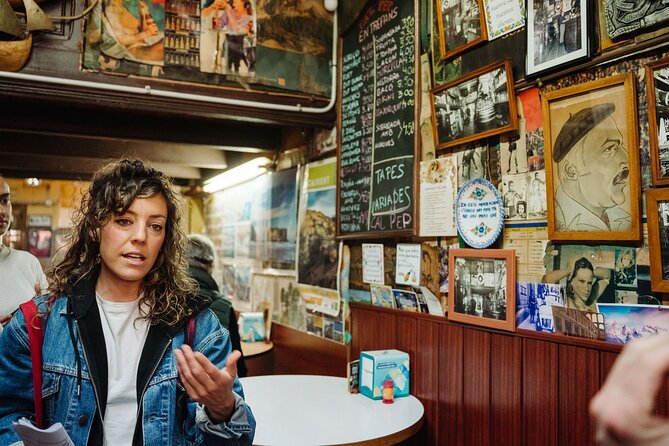
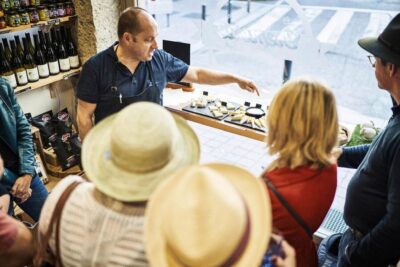
Next up is Cal Pep, a traditional bodega that’s been serving the neighborhood since 1939. Plan for about 35 minutes here. This stop is one of the best examples of why guided tours beat DIY browsing: a bodega is simple on the surface, but the guide’s explanation turns it into a cultural lesson.
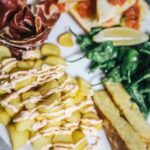
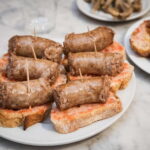
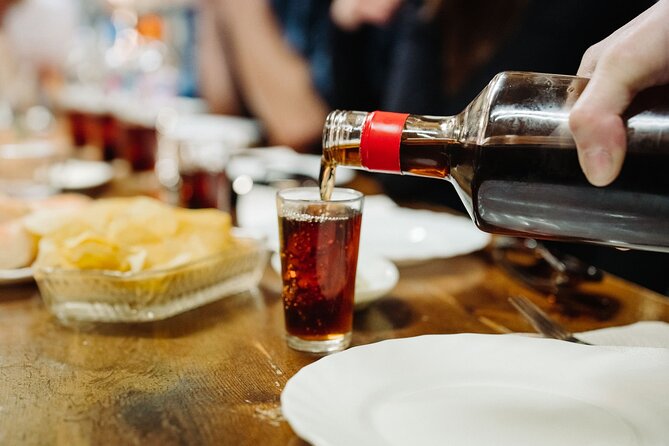
You’ll enjoy classic Catalan dishes and sip a glass of vermouth, while you learn about the Catalan way of drinking wine. Instead of treating alcohol like an afterthought, this tour shows how it works socially—tied to the morning ritual and the local rhythm of eating and chatting.
Placa de la Virreina and the Mustafa’s Syrian pastry payoff
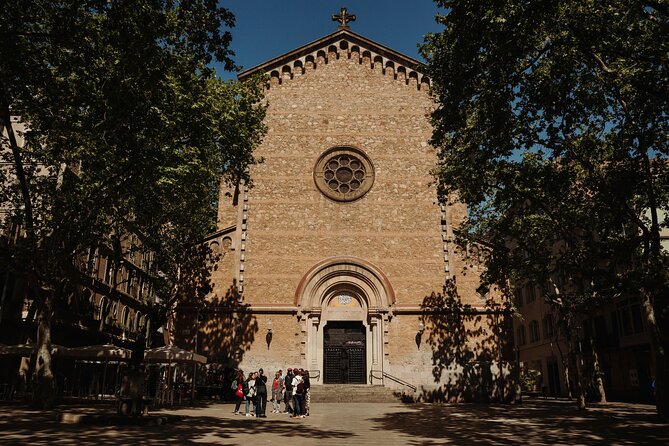
At Placa de la Virreina, you’ll look around and connect the dots between Gràcia and Gaudí. The tour includes time to see the Sant Joan de Gràcia church, noted for ties to Gaudí himself. It’s a 30-minute stop, and it’s also where the tour starts blending cultures into the story of what Barcelona tastes like.
Then comes a highlight: a visit to Mustafa’s Syrian pastry shop. You’ll smell the pastries before you even fully step inside, and you’ll pick up homemade sweets to-go so you can enjoy them later during the tour. This is a smart design choice. Instead of forcing everything to happen at once, the tour gives you a small “taste later” moment that keeps the food narrative moving.
A few more Barcelona tours and experiences worth a look


A quick snack stop through Gràcia’s food shops
The next walk-through includes more modernist architecture and a history thread linked to Catalonia’s independence movement. It’s paired with a short practical tasting at a 150-year-old dried fruits and nut shop.
Expect this to be a lighter stop—about 15 minutes—but it plays an important role. Nuts and dried fruit are the kind of background flavors that show up across Mediterranean eating, and having them here helps you understand the variety behind what looks simple on a menu.
Mercat de la Llibertat: aperitivo in a historic modernist market
Now you get to the market side of Barcelona food culture: Mercat de la Llibertat. This is a 30-minute stop, and you’ll experience it with your senses first—colors, sounds, and aromas—then with a planned tasting.
The tour includes an aperitivo-style moment with a refreshing glass of cava. Markets are where Barcelona feels most real: you see how locals shop, how stalls work, and how the day unfolds. Doing it with a guide also means you don’t waste time guessing what to try.
Bar Roure lunch: Catalan tapas with wine or beer
For your main sit-down meal, the tour goes to Bar Roure for about 35 minutes. This is where you shift from snack energy into lunch energy.
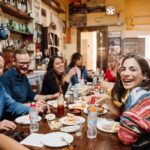
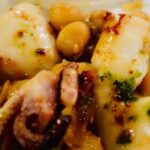
You’ll get a selection of typical Catalan tapas, and you can choose wine or beer. Since the tour has already done several tasting stops, this lunch feels like the middle of the experience rather than a separate event. It’s also a good “reset” during a walking day.
From Hotel Casa Fuster to La Pedrera: ending with Gaudí’s big statement
On the way to the finale, you pass Hotel Casa Fuster, a refurbished modernist mansion that’s now a 5-star hotel on Passeig de Gràcia. The stop is brief—about 10 minutes—and it’s more about the architectural walk than a full stop inside.
Then you head farther down to Casa Milà (La Pedrera). You’ll spend about 15 minutes there, with admission not included. Like Casa Vicens at the start, this is a look-and-learn stop. You’ll wrap up with your sweet treat from Mustafa’s Syrian bakery, and your guide explains the influence of Arab culture on desserts in Spain.
The ending at La Pedrera makes sense: it places you near one of the city’s most famous architecture icons without requiring you to build the rest of the day around ticket timing.
Drinks and tastings: what the food actually adds up to
The tour description points to at least 10 items and four drinks, while the included list specifies 12+ food tastes and 3 drinks. Either way, you should plan for a morning where you’re not starving at any point. The food spread is designed to cover you from pastry through bodega dishes to lunch tapas.
Here’s what you can expect the flavors to do across the day:
- Pastry-forward start from the 1916 family-run shop
- Bodega comfort food paired with vermouth
- Market aperitivo with cava
- Lunch tapas with a choice of wine or beer
- Sweets to-go from Mustafa’s Syrian bakery, finished at the end near La Pedrera
If you’re the type who likes to learn how a cuisine works, not just what it tastes like, you’ll probably enjoy the sequencing. The tour moves from sweet to savory to lunch, then back to dessert, so your palate has variety without chaos.
The guide matters: what to expect from an English-speaking team
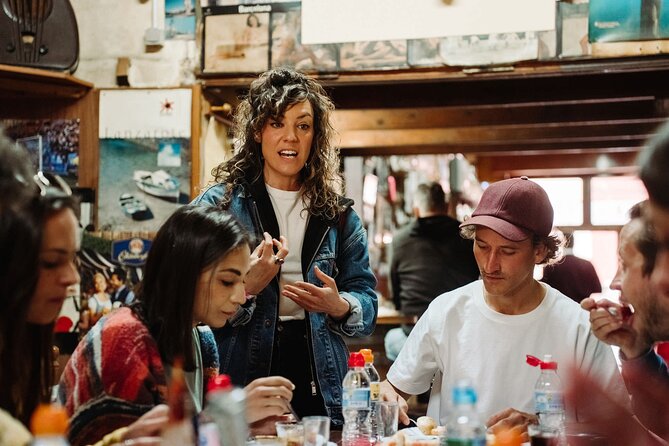
This is an English tour with an expert guide, and group size stays small (12 or fewer). That combination is the difference between a tour that feels like logistics and a tour that feels like a lesson you can taste.
Guides have different styles, but the ones tied to this experience tend to mix storytelling with food detail. Names from past guides include Danny, Victoria, Raquel and Irene, Norah, and Ester. One of the most useful patterns is that the guide doesn’t treat history like homework; they connect it to what you’re eating right then, whether it’s architecture, neighborhood change, or why certain drinks show up in everyday life.
If you’re picky about asking questions, small-group touring helps. You can ask what you should order later at dinner or what to read about next without feeling like you’re slowing everyone down.
Dietary needs: what you can manage and what you should ask
The tour provider says they can accommodate Vegetarians, Pescatarians, gluten free (not celiac), Non-alcoholic options, and pregnant women. They also note that this isn’t recommended for vegans, and that vegetarian options may be limited because many included dishes are meat-based.
So here’s the practical approach: if you have a specific diet, message ahead and describe it clearly. Expect that you may not have a replacement food option at every stop, especially if the tasting menu leans heavily on meat at some locations.
For gluten-free (not celiac), it’s not the same as full celiac-safe dining, so don’t assume it’s identical to strict cross-contamination prevention. If gluten is a medical issue for you, ask direct questions before booking.
Walking reality check: comfort, pace, and mobility support
This is a walking tour. You should be able to walk at a moderate pace without difficulty, since the plan includes multiple stops and time in and out of local businesses and public spaces.
There’s also support for mobility needs: the provider says they can accommodate mobility impairment or wheelchairs, but you should contact their Guest Experience team to make sure the plan works for you. Because the stops include active neighborhoods and market areas, it’s smart to ask what the route looks like for your exact situation.
My advice: wear shoes you’d actually wear for city sidewalks, not just “nice walking sandals.” You’re going to stand, enter small spaces, and move between streets.
Should you book the Barcelona Gracia Local Food & History Tour?
Book this tour if you want:
- A food-first way to understand Gràcia without doing all the research yourself
- A guided morning with enough tastings to count as breakfast and lunch
- Architecture and local history tied to eating, including Gaudí-related stops and Catalonia cultural context
- A small group so the guide can actually talk, not rush
Skip it (or think twice) if:
- You’re strictly vegan, since it’s not recommended and replacements may be uneven
- You need fully inclusive vegetarian meals at every stop, because the plan can include meat-based dishes
- You’re hoping for included museum-style admissions inside Casa Vicens or Casa Milà (those admissions aren’t included)
If you’re trying to choose between doing Gràcia solo versus with a guide, this one is a strong pick. You get local institutions, classic Barcelona drinking culture, and a neighborhood story you can taste, all in one morning.
FAQ
What time does the tour start, and how long is it?
The tour starts at 10:00 am and runs for about 3 hours 30 minutes.
How many people are in the group?
The group size is 12 people or fewer.
What’s included in the price?
Included are an English-speaking local guide, an expertly guided walking tour, 12+ food tastes, and 3 drinks.
Is admission to Casa Vicens or Casa Milà included?
No. Admission tickets are not included for Casa Vicens and Casa Milà.
Can the tour accommodate vegetarian or gluten-free needs?
The provider says they can accommodate vegetarians, pescatarians, and gluten free (not celiac). They also offer non-alcoholic options and can accommodate pregnant women, but there may not be a replacement option at every stop. The tour is not recommended for vegans.
Is the tour in English, and is it suitable for mobility needs?
Yes, it’s in English. The provider says they can accommodate mobility impairment or wheelchairs, and you should contact their Guest Experience team to coordinate.