REVIEW · LONDON
Authentic East London Indian Food Tour with 6+ Tastings
Book on GetYourGuide →Operated by Secret Food Tours · Bookable on GetYourGuide
Brick Lane can feed you fast, if you do it right. This 3-hour East London Indian food walk turns East London’s Indian food scene into a guided tasting route with 6+ dishes, naan, sweets, and a secret course you find out on the day.
I love how the tour mixes curries, tandoori, and street snacks instead of repeating the same flavor family. I also like that you get explanations along the way about spices, ingredients, and cooking techniques, so you’re not just eating blindly. The main drawback is simple: it involves a fair amount of walking, so it’s not a good fit if mobility is an issue.
In This Review
- Key Things I’d Plan Around
- Brick Lane Indian Food: Why This Route Works
- Meeting Up With the Orange Umbrella and a 3-Hour Eating Plan
- The First Bites: Curries, Naan, and Rice That Set the Tone
- Pakoras, Dhokras, and Fried Snacks With Street-Spot Energy
- Drinks and Paan: Cooling Down Without Killing the Flavor
- The Sweet Shop Stop: Gulab Jamun and Ras Malai Pay Off
- Punjabi Tandoori Finish: Chicken Tikka and Lamb Chops
- The Secret Dish: The One You Can’t Plan Around
- Price and Value: Is $114 Worth It for 6+ Tastings?
- Who Should Book This East London Indian Food Tour
- Tips to Get the Most From Your Tastings
- Should You Book This East London Indian Food Tour?
Key Things I’d Plan Around
- Six-plus tastings across curries, savouries, tandoori, sweets, and a mystery dish
- Brick Lane focus with small eateries and sweet shops in the orbit of the neighborhood
- A local guide in English using spice and ingredient context as you go
- The sweet stop actually matters, with classic choices like gulab jamun and ras malai
- Your heat level gets managed with drinks plus paan, a betel leaf refresher
- You’ll walk, so comfortable shoes are part of the ticket price
Brick Lane Indian Food: Why This Route Works

East London’s Indian food scene isn’t one big restaurant strip. It’s a patchwork of small places—curries for lunch, snacks for the street, and proper dessert stops—stacked close enough that a walking tour can hit several in a single evening. That’s the logic behind this experience: you don’t just taste food, you taste the neighborhood’s flow.
What I like most is that the menu coverage feels balanced. You’re not stuck in one lane like only vegetarian, or only grilled meats, or only rich sweets. You get a mix of curries, fried snacks, naan and rice, tandoori dishes, and dessert—so the “Indian cuisine” you walk away with is actually a full picture, not a highlights reel.
And since the guide is local, the tour tends to answer the questions you’d normally keep in your head while ordering: what’s in this, what’s that spice doing, and why this dish tastes the way it does. People have praised guides such as Tamiza, Shay, Jai, Jezian, and Sharif for pace and for answering lots of questions, which is exactly what you want when you’re trying new things quickly.
One more practical reason this route works: the stops are close enough that you can eat without turning the whole evening into a transit marathon. You’ll still cover ground, but it’s the right kind of walking—between places you actually want to visit.
You can also read our reviews of more food & drink experiences in London

Meeting Up With the Orange Umbrella and a 3-Hour Eating Plan

You’ll meet the guide holding an orange umbrella, which makes the start easy. From there, expect a steady walking pace for about 3 hours. The tour language is English, and it’s led by a live guide.
Because this is a tasting tour (not a museum tour), timing is built around food. That means you should plan your evening around eating and not around catching a show right after. You’ll likely finish feeling pleasantly overfull, especially since the tastings include multiple curries, naan, savouries, and sweets plus drinks.
A useful consideration: the itinerary and menu can change based on what’s available, plus weather and other circumstances. That’s normal for food tours, and it can actually be a plus. You end up at places that are open and ready, rather than forcing the route into a schedule that ignores reality.
Also, keep in mind this is not built for wheelchairs or limited mobility. If you know walking a lot is going to be uncomfortable, it’s worth choosing something else.
The First Bites: Curries, Naan, and Rice That Set the Tone

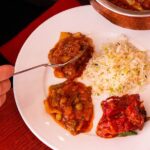
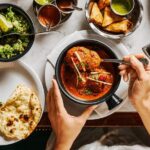
This tour starts by grounding you in classic Indian meal elements: curries, fluffy naan, and fragrant basmati rice. You’ll taste curries such as Pathia, Madras, and a vegetarian option. You also get the pairings that make those curries feel complete, rather than tasted as a separate sample.
I like this setup because it teaches your palate what to look for before things get more specific later. Curries can be intimidating when you’re staring at a menu alone. Here, you’re guided through a structured tasting so you can compare and learn in real time.
One of the strongest values in this kind of tour is the variety inside a short time. You’ll hit different styles across the afternoon/evening instead of only one or two. The tour also includes vegetarian-friendly options, which is important if you’re traveling with friends who don’t eat meat.
If you’re the type who likes to take notes, this is the place to do it—because later stops add snacks and grilled dishes, and it becomes harder to remember which curry you loved most.
Pakoras, Dhokras, and Fried Snacks With Street-Spot Energy
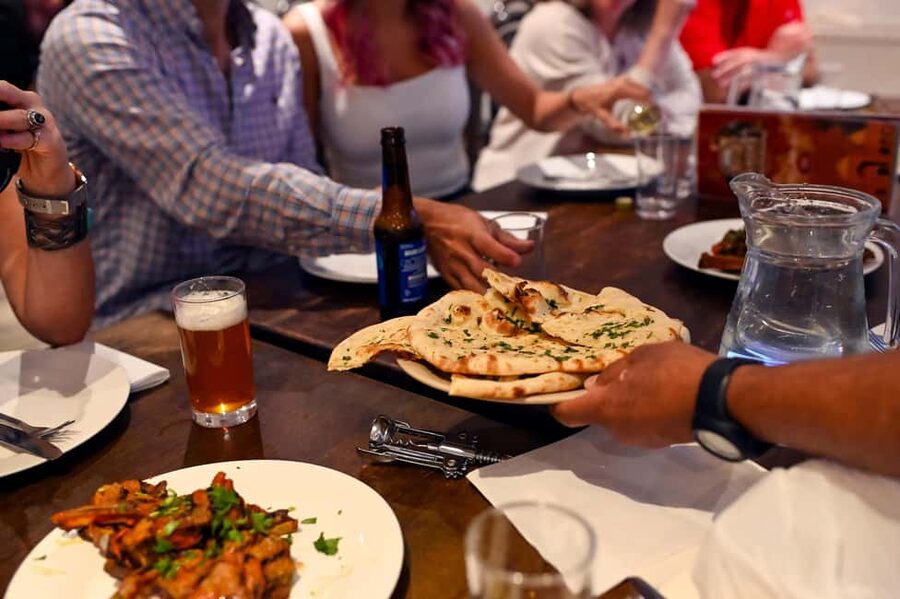
Between the curries, you’ll get traditional Indian savouries like pakoras and spongy dhokras. The point here isn’t just taste; it’s texture. Fried snacks are a quick way to understand how batter, spice mix, and frying timing affect crunch, softness, and flavor.
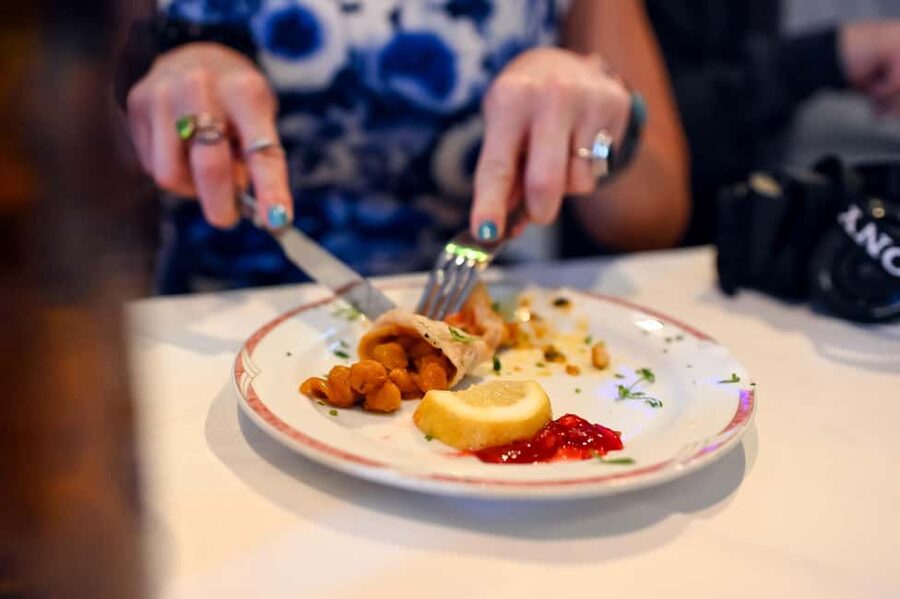
Then comes a snack stop built around something street-style: a crispy fried chickpea snack with a unique twist. Since that twist isn’t spelled out in advance, treat this as part of the fun. You’re not trying to guess; you’re eating your way into the answer.
A practical tip: fried snacks move fast. If you want the full experience, don’t let yourself get too full too early. Save some appetite for the dessert stop later, because this tour doesn’t play around with sweets.
Drinks and Paan: Cooling Down Without Killing the Flavor
You’ll also be offered drinks to go along with the food: a cold Indian beer, a glass of wine, or a soft drink. That matters more than it sounds. Spices can hit hard when you’re sampling quickly, and pairing a drink with the right moments helps you stay in control of what your palate is feeling.
Then you’ll try paan, described as a refresher made from betel leaf. Paan is the kind of thing that can either be fascinating or intense, depending on your taste. The good news is this tour frames it as a palate reset, not a random extra. It’s a traditional finish between savoury bites and sweet bites, which helps the rest of the tasting land better.
If you’ve never had paan before, I’d treat it like a small experiment. Don’t expect it to taste like candy, and don’t judge the whole day based on that one bite. Think of it as the tour’s way of showing how Indian dining moves between flavours and sensations.
A few more London tours and experiences worth a look





The Sweet Shop Stop: Gulab Jamun and Ras Malai Pay Off
This is one of the best parts of the tour for me, because the dessert isn’t an afterthought. You’ll stop at a traditional Indian sweet shop, where you’ll taste classics such as gulab jamun and rasgulla and also included options like ras malai.
What I love here is the contrast. The day isn’t only spicy and savoury. You get creamy sweets and syrupy options that change how you perceive the earlier dishes. After bites of naan and curry, these sweets help you reset and notice new flavours instead of just chasing heat.
Sweets also give you a chance to ask better questions. When a guide is explaining ingredients and cooking techniques, dessert is where it gets practical. You can taste how texture changes—syrup, creaminess, sponginess—and connect that back to what the guide says about preparation.
Come hungry for this part. If you skip sweets mentally because you think you’re too full, you’ll probably regret it. The tour is designed so that dessert arrives when you’ll still appreciate it.
Punjabi Tandoori Finish: Chicken Tikka and Lamb Chops
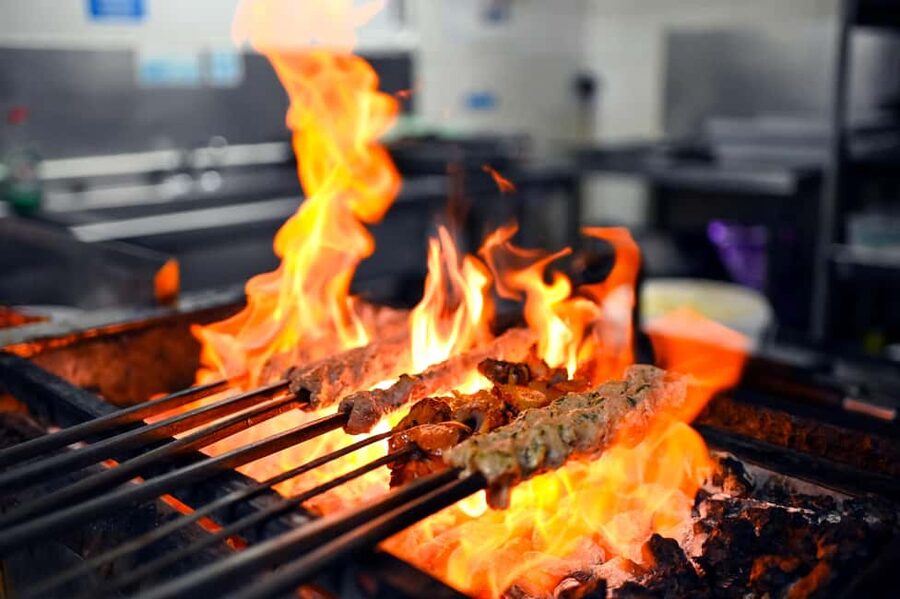
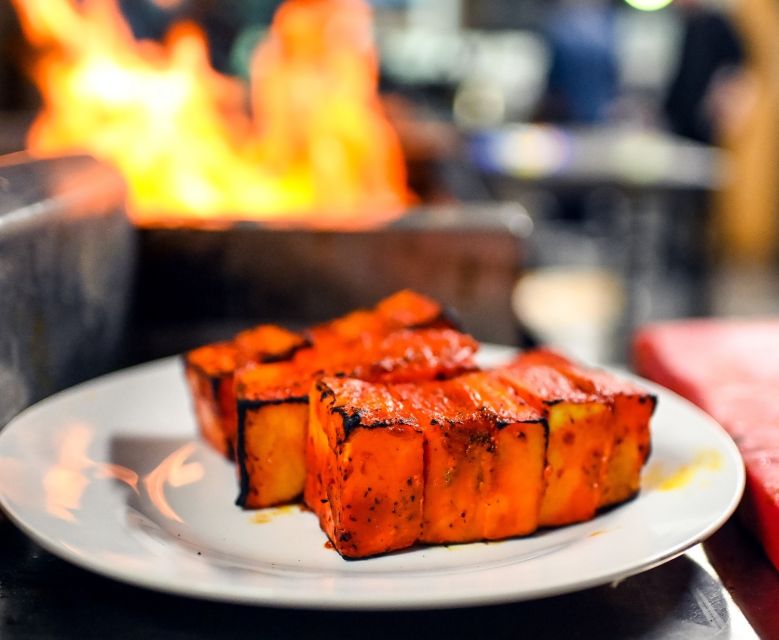
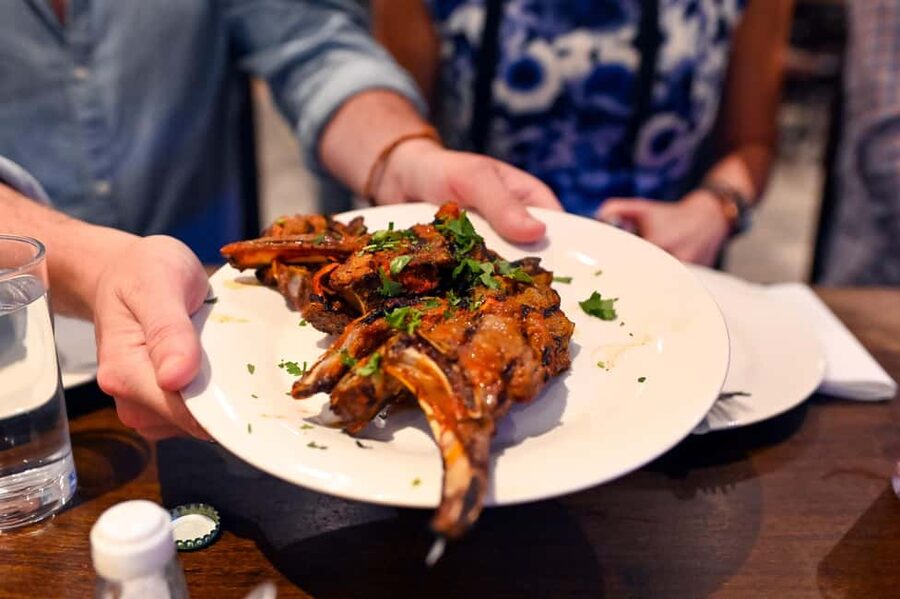
Later, you’ll move to an authentic Punjabi restaurant where the focus shifts to tandoori specialties. You’ll taste tandoori dishes plus sizzling chicken tikka and lamb chops, with a mix of meat and veg options.
This is where the tour becomes more than a sampler platter. Tandoori cooking has its own flavor logic—smokier notes, charred edges, and spiced marinades. Even if you don’t know the technical names, you can notice how grilling changes the experience compared to curries and fried snacks.
If you’re traveling with food friends, this stop is a good group moment. People usually agree on the tandoori items because they’re bold and satisfying. It’s also a nice point in the tour to ask questions if you’ve been holding them back: once you’ve had a range of textures, it’s easier to connect spices to cooking methods.
The Secret Dish: The One You Can’t Plan Around
As with Secret Food Tours, your experience includes a mystery secret dish revealed on the day of the tour. This is a smart design choice because it keeps the tasting from feeling scripted.
For you, the practical move is to stay flexible. Don’t plan dinner arrangements right after the tour. Don’t rush this last course. And don’t go in expecting it to be a specific type of food based on the other stops. The secret dish is its own data point about what’s popular and available.
From a value standpoint, this matters because it changes the risk calculus. You’re not paying just for predictable menu items. You’re paying for guided discovery, plus one extra surprise that you get to experience in person.
Price and Value: Is $114 Worth It for 6+ Tastings?

At $114 per person for 3 hours and 6+ tastings, the key question isn’t the price tag. It’s what you get for it.
You’re paying for several things at once:
- Multiple tastings across a range of dish types: curries, naan, savouries, sweets, tandoori
- Drinks (Indian beer, wine, or soft drink)
- A local guide in English who explains spices, ingredients, and cooking techniques
- A mystery secret dish on the day
- A route built around East London’s Indian food scene, focused near Brick Lane
Food-only costs add up fast in London, especially when you’re tasting rather than ordering one meal. Add guide guidance and the structured order of tastings, and the price starts to make more sense. You’re essentially buying several meals in smaller portions, plus learning along the way.
Also, it includes vegetarian options and offers a way to request dietary needs in advance. That’s not a small detail when you’re traveling with food restrictions.
One cost-related detail: transportation from/to your accommodation isn’t included. So if your hotel is far from the Brick Lane area, factor in the transit cost. If you’re already in the neighborhood, the tour feels like a bargain because you’re not paying extra time or money just to reach it.
Who Should Book This East London Indian Food Tour
This tour is a strong fit if you want:
- A walk-and-eat experience around Brick Lane that’s built around variety
- To learn how Indian spices and ingredients show up across different cooking styles
- A guided tasting when you don’t want to guess your way through a menu alone
It’s also a good choice for food-curious travelers who like asking questions. Names like Ashley, Dhanashree, Ricky, Rakesh, Rajiv, and Karan show up in past guide praise for being engaging and for keeping information coming at a good pace. One guide even had chef background mentioned, which is useful if you like more technique-level explanations.
It’s not a good fit if you:
- Need wheelchair access or have mobility limitations, since the walking is part of the plan
- Want a low-food-impact experience. This is a true tasting route. You’ll eat.
If you’re a solo traveler, it can be a friendly way to meet others through food conversations, especially when the guide keeps the pace moving.
Tips to Get the Most From Your Tastings
Here’s how to make the day smoother:
- Wear comfortable shoes. The walking is real, and it’s not optional.
- Bring a camera if you like documenting the stops.
- Be ready for strong flavors and quick comparisons. This is structured sampling, so take bites in the order the guide sets.
- If you have dietary requirements, contact in advance so the team can cater as well as possible. Vegetarian guests are welcome.
Also, keep your expectations realistic. The tour has a tight timeline, so you won’t linger for long chat sessions at every single place. That’s the trade-off for packing in 6+ dishes in 3 hours. If you like focused experiences with clear transitions, that’s exactly what you’ll get.
Should You Book This East London Indian Food Tour?
If you’re heading to East London and you want one activity that combines real food variety with guided context, I’d say book it. The format hits a sweet spot: enough structure to learn, enough range to stay interested, and enough tastings to feel like you really ate your way through the neighborhood.
The call hinges on two things. First: are you comfortable with a fair amount of walking? Second: do you want your evening centered on food rather than wandering at your own pace? If the answer is yes, this tour is strong value for $114 because you’re getting multiple dish types, drinks, a secret dish, and a guide who helps you make sense of what you’re tasting.