REVIEW · MANCHESTER
3-Hour Guided Manchester Food Tour with Lunch
Book on Viator →Operated by Manchester Bites · Bookable on Viator
Manchester tastes better with a local guide. This 3.5-hour walk pairs Ancoats and the Northern Quarter with six independent food stops and the stories behind Manchester’s industrial rise and its people today.
I like how it’s built around real eating, not just nibbling: lunch tastings include multiple savory stops plus a sweet ending, and you get bottled water throughout. I also like the group size cap of 10, which keeps the pace friendly and makes it easy to ask questions as you walk.
One thing to plan for: you’ll be walking a lot, and if you have food restrictions you need to flag them at booking—last-minute changes may not work.
In This Review
- Key highlights at a glance
- Ancoats to the Northern Quarter: why this route works
- Meeting Waterside Coffee, ending at Arndale Market
- The 3.5-hour lunch plan: what you’ll actually eat
- Stop 1: a bakery bite right from the oven
- Stop 2: a family-run soup stop for comfort
- Stop 3: a long-time favorite restaurant for a main
- Stop 4: a uniquely Manchester dish
- Stop 5: locally sourced produce, farm-to-city mindset
- Stop 6: a sweet ending at a city favorite
- Wine, water, and the real pacing of a small group
- Guides who bring Manchester stories down to street level
- Stop-to-stop pros and the one common drawback
- Price and value: what you’re paying for $124.77
- Weather, walking, and food restrictions you can’t ignore
- Who should book this Manchester Bites tour?
- Should you book it? My straight answer
- FAQ
- How long is the Manchester Food Tour with Lunch?
- What’s included in lunch on this tour?
- Is alcohol included?
- How many people are on the tour?
- Where do I meet and where does it end?
- What if I have food restrictions?
Key highlights at a glance
- 6 locally run food stops across Ancoats and the Northern Quarter
- Alcohol pairing included: a paired glass of wine at one stop
- Lunch-style portions built to leave you full, not just sampling
- Small group max of 10 for a more personal pace and better Q&A
- Hands-on Manchester context: industry, activism, music, football, and street stories on the way
Ancoats to the Northern Quarter: why this route works
Manchester has a habit of reinventing itself. Ancoats started as the world’s first industrial suburb at the end of the 18th century, and you still get that sense of work, grit, and ambition when you walk through its streets. Today, many old mills have been restored and turned into modern spaces, and that mix of past and present is exactly what makes this tour click.
Then you slide into the Northern Quarter, where you’ll find a dense pocket of bars, restaurants, delis, and producers. The tour’s structure matches the geography: you’re moving between neighborhoods that shaped the city, then eating at places that reflect the communities living there now. It’s not history as a museum lesson. It’s history as a reason you’re eating this today, in this place, for this story.
You can also read our reviews of more food & drink experiences in Manchester


Meeting Waterside Coffee, ending at Arndale Market
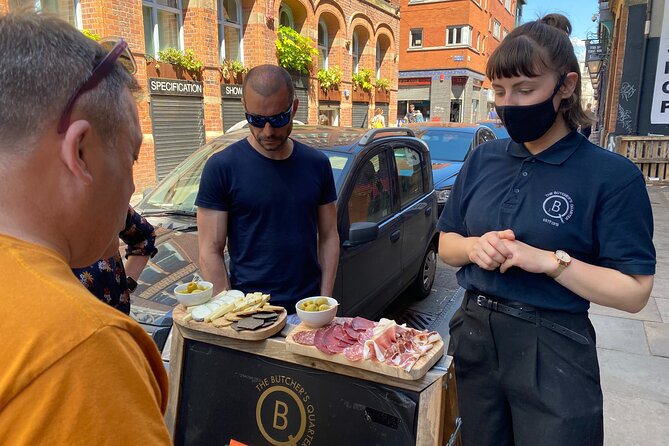
You start at Waterside Coffee, 7 Redhill St, Ancoats (M4 5BA), with a 11:30am start time. That’s a practical choice: you begin in the Ancoats area and you’re already in the thick of the neighborhoods you’ll be walking through.
The tour ends near Arndale Market, 49 High St (M4 3AH). That matters because it drops you back in central Manchester, close to shopping and easy transit. If you want to keep the day rolling after lunch, you’re not stranded miles away—you finish right in the middle of things.
The 3.5-hour lunch plan: what you’ll actually eat
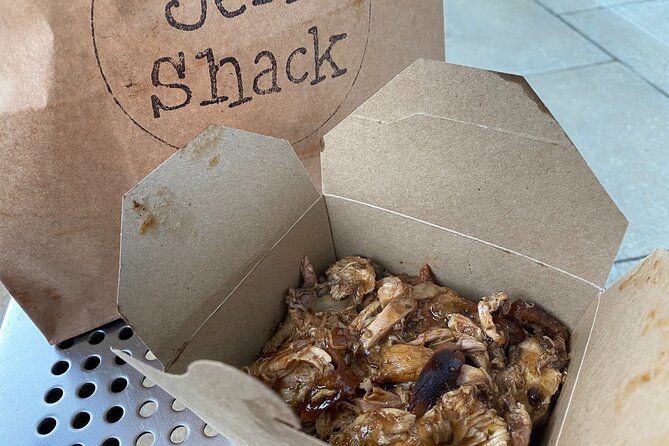
This tour is designed like a guided “half day meal.” You’ll hit six independent vendors over about 3 to 3.5 hours, with tastings that add up to a true lunch. Come hungry is not marketing fluff here—it’s the setup.
A nice bonus is that bottled water is included, so you’re not juggling purchases mid-walk. And at one stop, you’ll get an alcoholic beverage pairing (a paired glass of wine). If you’re not drinking alcohol, you may want to ask in advance how substitutions work, since the wine pairing is listed as included.
Here’s how the food flow typically lands:
Stop 1: a bakery bite right from the oven
You’ll start with a top bakery stop in Manchester. The big idea here is freshness and timing: you’re trying one of the day’s freshly made bites with a strategy that helps you avoid standing in outside queues. For a city with strong food culture, starting with something warm and simple sets you up for the rest of the walk.
What to expect: a quick, flavorful starter that feels like you’ve arrived in town properly, not just “started eating on the street.”
Stop 2: a family-run soup stop for comfort
Next comes another starter, described as a home made delight. The stop is family-run, and you’ll learn the business story while enjoying a heartwarming soup. Manchester’s weather can be damp and changeable, and soup on a walk is a smart way to stay comfortable while keeping momentum.
Practical tip: bring a light layer. Even in good weather, you’ll be moving between stops, and soup and bread in cool air just makes sense.
Stop 3: a long-time favorite restaurant for a main
Then you visit a hidden-from-the-maps style restaurant spot and try dishes that have kept it a top go-to for generations. This is the part of the tour that shifts you from “tasting” to “eating like a local lunch.”
The benefit for you: you get variety in your main courses instead of repeating the same flavor lane. And because the guide ties it to Manchester’s community story, you’re not just chewing—you’re getting context for what you’re ordering.
Stop 4: a uniquely Manchester dish
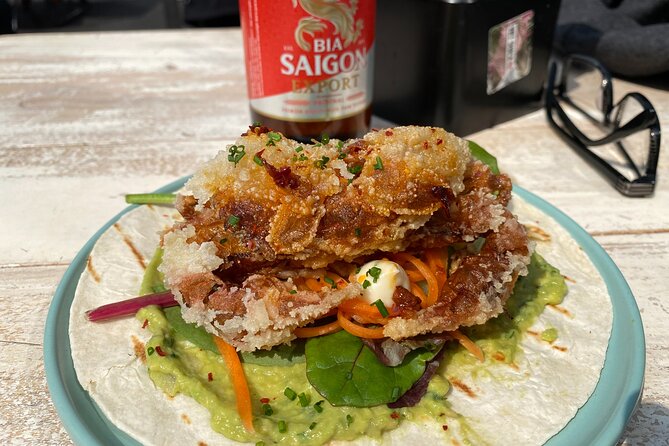
After that, you’ll try a dish described as uniquely Mancunian—something you won’t really find the same way elsewhere. Even if you’ve eaten British food before, this is the step that pushes the tour beyond standard pie-and-pint territory.
This is also a good checkpoint for allergies and restrictions. If you have any issue at all, you’ll want the guide to know before you arrive, since the tour notes that last-minute restriction requests might not be accommodated.
Stop 5: locally sourced produce, farm-to-city mindset
One of the stops is centered on locally sourced produce straight from the farm. Manchester can get a fair share of rain, and the tour frames it as part of how the food culture ends up shaped—your takeaway is that the city leans on suppliers that promote local ingredients.
For you, this stop is where you can slow down and ask questions about sourcing and seasonal flavor. It’s a food-taste stop with a “why does this taste like this” answer.
Stop 6: a sweet ending at a city favorite
The tour finishes with dessert at a favorite spot. The description calls it a naughty but nice ending, and you’ll also get tips for enjoying the rest of your time in Manchester.
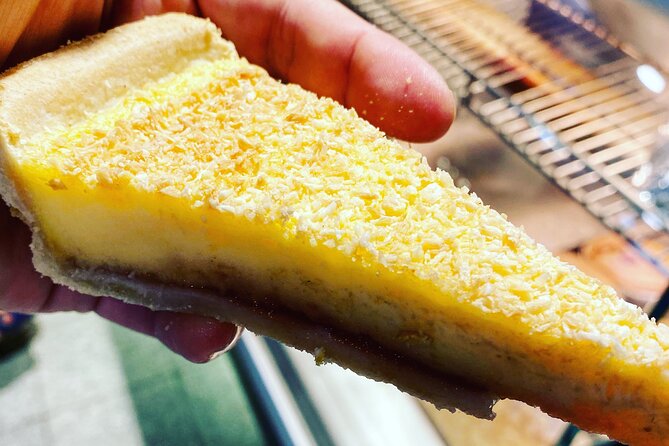
From what people highlight, favorites can include an independent Ancoats bakery lemon poppyseed cake, and in at least one run a very large slice of pizza in the Northern Quarter is mentioned as a standout part of the day. Expect sweetness, and expect variety—this tour is not a one-flavor dessert situation.
Wine, water, and the real pacing of a small group
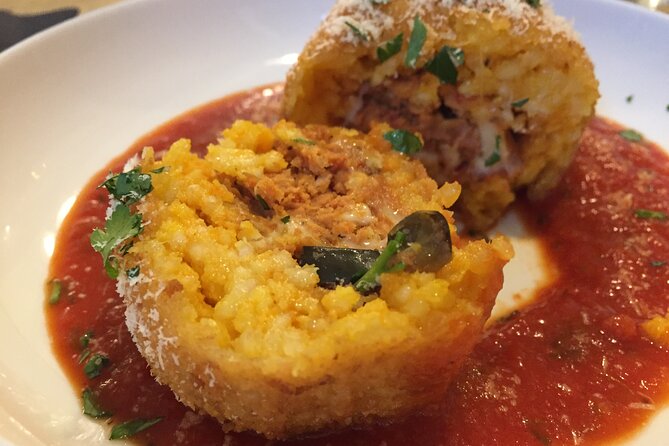
This is a max 10 travelers tour, and you feel it in the rhythm. You’re not stuck waiting in a long line while the group pulls apart. You’re also not rushing like you’re being herded. The pace is often described as chilled, which matters because Manchester sidewalks can be uneven and weather can shift fast.
The wine pairing adds a social layer without turning the tour into a pub crawl. One glass paired with a stop helps you experience the flavors as the vendor intends them, and it gives the guide an easy way to explain the place and the dish with more than one angle.
Guides who bring Manchester stories down to street level
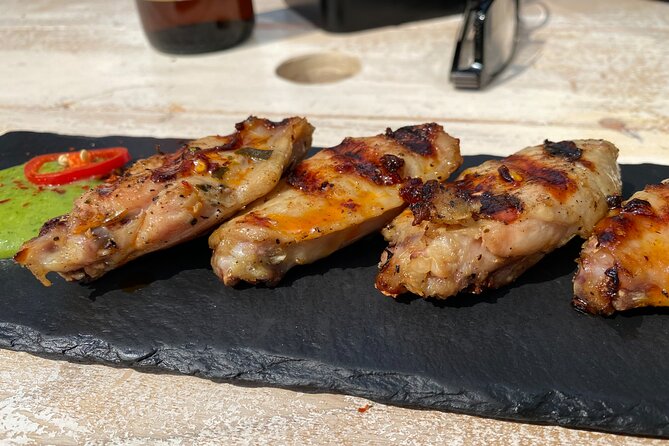
A lot of food tours toss out facts. This one aims for stories tied to people and the places they built. Ancoats and the Northern Quarter are treated as characters: industry and empire-era changes, then the modern city with music, football, activism, and even street tales about criminals who once ruled certain corners.
What stands out from the guide mix is how often the host names come up. You might tour with Richard or Julia, and other runs include guides like Emmeline, Lala, Jillian, Liv, Ian, James, and Rob. Across names, the consistent pattern is personable hosting and a friendly, local-friend vibe—people mention feeling like they’re being shown around instead of inspected by a tour script.
If you care about city context that feels human, this part is a big win. You’ll walk back through the same streets differently, knowing why a neighborhood looks the way it does and how those changes affected what people ate and where they shopped.
Stop-to-stop pros and the one common drawback

Let’s be blunt about what tends to work, and what might not.
What’s usually great:
- Locally run, independent businesses at each stop, so you’re not repeating chain food every time
- A mix of savory and sweet (people mention both 5 savory and 1 sweet in at least one experience)
- The guide’s ability to connect what you eat to the city’s neighborhoods, not just the food itself
What could be a problem:
Food preference is personal. Even in a tour with a 4.9 rating, one diner flagged the food as average for their taste. That’s a reminder: you can trust the tour to be thoughtful and locally sourced, but you can’t guarantee every dish will be your exact flavor match.
My advice: if you’re picky about one category—seafood, spice level, vegetarian vs. meat, dairy—communicate clearly at booking. The tour data says they may not handle last-minute restriction requests, so planning matters.
Price and value: what you’re paying for $124.77
At $124.77 per person, this isn’t a budget snack crawl. But it doesn’t price itself like a cheap “just walk and chat” option either. You’re paying for several concrete things:
- Six independent food stops that add up to a lunch meal
- Bottled water throughout
- A paired glass of wine at one stop
- A small group cap (max 10), which usually means less waiting and more guide attention
- A donation to Eat Well Manchester included with each booking
Also, the tour is booked about 34 days in advance on average. That tells me demand is real. When a niche neighborhood food tour sells out or fills fast, it usually means people find it worth the price.
For you, the value math is simple: if you’d otherwise pay for multiple meals, plus drinks, plus “doing something besides sightseeing,” this gives you structure. You’re also buying guidance that helps you avoid tourist-only places and get better recs for after the tour.
Weather, walking, and food restrictions you can’t ignore
This tour requires good weather. If it’s canceled due to poor weather, you’ll be offered a different date or a full refund. Since you’re outdoors a good chunk of the time, it’s smart to dress for Manchester shifts: light waterproof layer, comfortable shoes, and an extra layer for damp air.
On the food side, the rule is clear: let them know about any food restrictions at booking. The tour notes they may not be able to accommodate last minute requests. If you have allergies or strict dietary needs, email or input that information early.
Good news for companion travel: service animals are allowed, and the tour is near public transportation. Also, “most travelers can participate,” which lines up with the “walk and eat” style of this experience.
Who should book this Manchester Bites tour?
This is a great choice if:
- You want Ancoats and the Northern Quarter covered in a single morning/early afternoon
- You like a mix of food and neighborhood story—industry, activism, music, football, and street-level anecdotes
- You’re okay walking around central Manchester streets at a steady pace
- You want to eat at independent places you might skip on your own
It’s also a strong option for people who already visited the big sights and want something more local. One repeated theme is how confident people felt after the tour—like they could explore on their own with better instincts for where to eat.
If you’re traveling with someone who cares about history but gets bored by lectures, the guide style here tends to work because the history comes packaged with food stops and street context.
Should you book it? My straight answer
If you want a Manchester experience that mixes proper lunch, independent vendors, and city stories you can feel while walking, I’d book this. The combination of six stops, wine pairing, and a group capped at 10 helps explain why it holds a 4.9 score and a near-universal recommendation rate.
Hold off only if you know you won’t enjoy guided walking or you have strict dietary needs that you can’t plan for at booking. In that case, you’ll want to clarify restrictions early so you’re not stuck making last-minute changes.
In short: this is one of those tours that saves you time. You get where to eat, what to order, and why Manchester’s food culture developed the way it did—all in about half a day.
FAQ
How long is the Manchester Food Tour with Lunch?
It runs for about 3 hours 30 minutes.
What’s included in lunch on this tour?
Lunch is included, with plenty of different tastings across the tour, plus bottled water.
Is alcohol included?
Yes. There’s an alcoholic beverage pairing at one stop, with a glass of wine included.
How many people are on the tour?
The tour has a maximum of 10 travelers.
Where do I meet and where does it end?
You start at Waterside Coffee, 7 Redhill St, Ancoats, Manchester M4 5BA. You end near Arndale Market, 49 High St, Manchester M4 3AH.
What if I have food restrictions?
You need to let the provider know at time of booking. The tour notes they may not be able to accommodate last minute on-the-day requests.